
Most people walk through modern cities without thinking much about what keeps everything running smoothly behind the scenes.
We notice the obvious parts: glass buildings, retail storefronts, restaurants, office lobbies, curated interiors, and carefully designed public spaces. Everything is made to feel intentional and visually clean. But what rarely gets attention is the system underneath it all — the infrastructure that allows these environments to operate at scale without falling apart under pressure.
As cities grow more complex and commercial spaces become more densely used, the invisible layer supporting them becomes more important than ever. It is not just about design anymore. It is about coordination, movement, and the ability to handle constant activity without disruption.
In many ways, modern urban life depends less on what we see and more on what we do not notice.
The Unseen Mechanics of Modern Commercial Life
Commercial environments today operate at a speed that would have been difficult to imagine a few decades ago.
Retail spaces turn over inventory faster. Hospitality venues handle more guests with tighter schedules. Office buildings support hybrid workflows that constantly shift between physical and digital operations. Even logistics behind everyday consumption have become more compressed and time-sensitive.
What keeps all of this functioning is not always visible architecture or design trends, but the operational systems that support constant movement.
Deliveries arrive and disappear behind service corridors. Maintenance work is scheduled around peak hours. Waste and material handling is coordinated to avoid disrupting customer-facing areas. Every part of the system is designed to reduce friction and keep visible spaces clean, functional, and uninterrupted.
When these systems work properly, they disappear from perception entirely. When they do not, the entire experience feels slower and more chaotic, even if the physical space itself has not changed.
Why Efficiency Has Become a Design Language
Over the past decade, efficiency has quietly become part of architectural and commercial design thinking.
It is no longer enough for a space to look good or feel premium. It also has to function under real pressure without breaking down operationally.
Designers, developers, and property operators now think in terms of flow rather than just structure. How people move through space. How materials are transported. How staff interact with hidden service areas. How different operational layers overlap without creating congestion.
These considerations shape everything from floor planning to back-end logistics systems.
The goal is no longer only visual harmony, but operational invisibility — where everything works so smoothly that users never have to think about what is happening behind the scenes.
The Role of Hidden Systems in High-Volume Environments
As commercial spaces scale, the importance of internal systems increases dramatically.
A small retail store can function with relatively simple logistics. But once operations expand into larger facilities, shopping centers, warehouses, or mixed-use developments, complexity increases exponentially.
At that point, efficiency depends on how well different systems interact:
- how materials move through internal zones
- how quickly waste and surplus items are handled
- how staff transition between tasks without bottlenecks
- how physical infrastructure supports constant turnover
This is where industrial design and operational equipment quietly become essential.
Even tools such as self-dumping hoppers help maintain this flow, especially in environments where bulk materials need to be moved, collected, or cleared quickly without interrupting surrounding operations.
Most people never see these systems directly, but they are part of the invisible framework that keeps high-volume environments functioning smoothly.
When Small Inefficiencies Start Affecting Daily Operations
Even in well-planned environments, inefficiencies rarely appear as big, obvious problems at the beginning.
They usually start small. A slightly longer workflow, a minor delay in internal handling, or a step in the process that feels unnecessary but gets ignored because everything still “works fine.”
The issue is that in fast-moving commercial environments, these small inefficiencies do not stay small for long.
Over time, they begin to compound. Teams adjust their behavior around them, workflows become less direct, and operations slowly become more complex than they need to be.
This is often the point where efficiency stops being a design advantage and starts becoming an operational challenge.
Why Operational Systems Stay Invisible Until They Fail
One of the most interesting characteristics of modern commercial infrastructure is that the most important systems are usually the least visible.
When everything works correctly, no one thinks about the processes happening behind the scenes. Movement feels smooth, spaces feel organized, and operations appear effortless.
But this invisibility is also what makes these systems easy to overlook during planning and decision-making.
Only when something breaks or slows down do these underlying mechanisms become noticeable. At that point, teams often realize how many small systems were actually supporting the overall flow.
This is why operational design is not just about efficiency in the moment, but about preventing friction from accumulating over time.
Conclusion
Modern commercial environments are often judged by what people can see — design, aesthetics, branding, and atmosphere.
But what actually determines how well they function is something far less visible.
Behind every smooth experience is a network of systems designed to manage constant movement, reduce friction, and maintain balance under pressure.
The more efficient those systems become, the less attention they draw. And yet, they remain the foundation that allows everything else to work.
In that sense, the real architecture of modern commercial life is not always what stands in front of us, but what quietly supports it from behind.
Author

Written by
Recent Posts

Studio Mayfair Marks New York Fashion Week With Intimate Cocktail Event at Sushi By Bou FiDi
What Goes Into Planning a Professional Furnace Installation?
Why Sports Card Collecting Is More Than Just a Hobby
From Signature Scents to Scent Wardrobes: The Evolution of Personal Fragrance
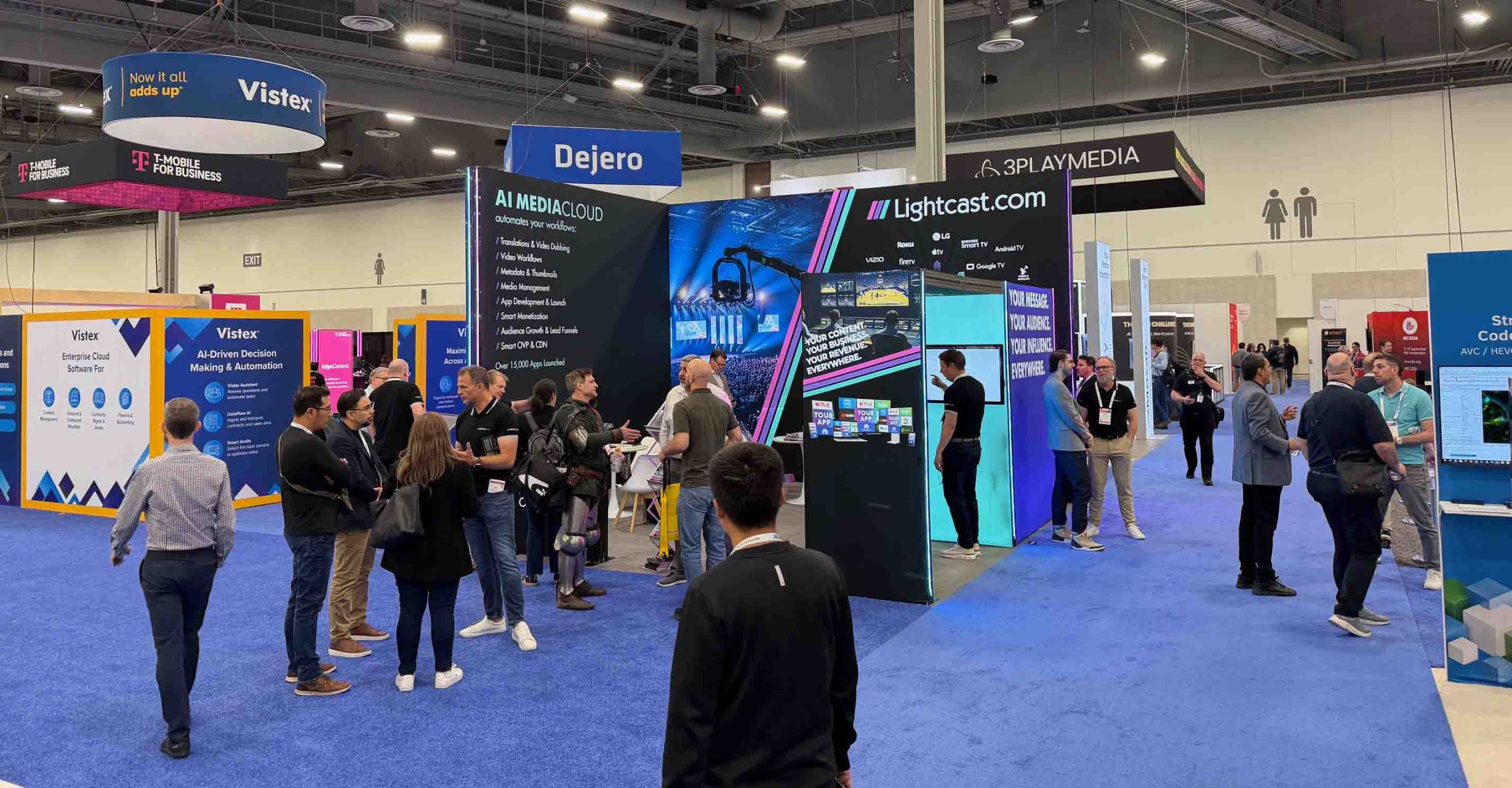
Beyond the Booth: How Exhibition Design Is Creating New Brand Experiences
Categories
- Art
- Articles
- Business of Luxury
- Celebrities
- Culture
- Entertainment
- Events
- Faces of Summer 2026
- Fashion
- Fashion & Style
- Featured
- Finance
- Food, Spirits, Wine
- Hamptons
- Hamptons Celebrities
- Health
- Health & Beauty
- Lifestyle
- Luxury Lifestyle
- Press
- Profiles
- Real Estate
- Technology
- The Chronicles
- Travel
- Uncategorized
- Weddings