

Creating a business and a product is one thing, ensuring that customers can use your product is another thing. Providing detailed information before someone purchases a product for a building project can help them choose the right product and will allow them to weigh out whether they are able to build it themselves.
Structured product guides provide organized, easy-to-follow information about materials, dimensions, installation methods, customization options, pricing, and intended uses. These guides not only improve the customer experience but also help businesses increase trust, reduce confusion, and support higher sales conversions.
What Are Structured Product Guides?
Structured product guides are organized resources that explain a company’s products in a clear and user-friendly way. They are commonly used by businesses that sell products designed for construction, assembly, or installation.
A structured guide typically includes the products specifications, material information, sizing, installation instructions and so on. These guides help a customer fully understand what they are buying and how a product will fit into their project’s requirements.
Why Product Guides Matter for Building Businesses
Building-related products are often technical and highly customizable. Customers may need detailed explanations before making a purchase. Not only can a structured guide help businesses simplify some of their complex product information, but it can improve customer confidence in the products. By doing this there is a reduction of pre-sale confusion and they increase product transparency and can support informed purchasing decisions.
When customers are able to understand a product or service in detail they are more likely to complete a purchase and feel satisfied in their investment.
Improvement of customer understanding
Construction and building products can involve many technical details that may be unfamiliar in some instances to the buyer. Structured guides have a way of breaking down important information such as the quality of the materials, revolving around water resistance, energy efficiency, weight capacity, durability and its installation requirements. With this information a customer is able to compare products easier and choose the right one for their specific needs.
Aid in visualization
Many businesses even go the extra length to include:
- Diagrams
- Product layouts
- Build examples
- Assembly instructions
- Usage recommendations
These details help buyers understand how products will function in real-world building projects.
Structures guides reduce customer questions
Businesses tend to receive a large number of enquiries, simply asking them about their products further. A detailed guide can reduce the amount of enquiries needed as customers will have almost all of the information they need. Leaving customer service open to answer the more complex enquiries or any issues that need resolving.
Structured Product Guides Support SEO and Online Visibility
An online business will have a focus on its SEO practices as it plays a large role in attracting new customers to their site and therefore their products. Structured product guides help businesses improve their search rankings by targeting relevant keywords and answering common customer searches.
Product Guides Increase Sales Conversions
Customers are more likely to buy when they fully understand a product’s features and benefits. The added attention to detail not only reassures a customer of the product but it shows are open and precise in detail a business is when it comes to their product. Which may in time lead to further sales and an increase in recommendations. Which will benefit the business in the long run.
Businesses within the building industry that go the extra mile to create structured guides on their products, reap the reward of doing so. From customer satisfaction to retention rates, a customer is less likely to receive something wrong for what they needed it for. As online research continues to shape consumer behavior, building businesses that invest in high-quality, well-structured product guides are more likely to stand out, attract qualified customers, and achieve long-term growth in competitive markets.
Author

Written by
Recent Posts

Jetsetter Style: Castello del Sole

The First Decision After a Collision Can Be the Most Important One
Two Weeks in Rome and Beyond: Turkish Airlines Itineraries from Boston, Chicago and Onward to India

Top 10 Hair Transplant Clinics in Turkey 2026
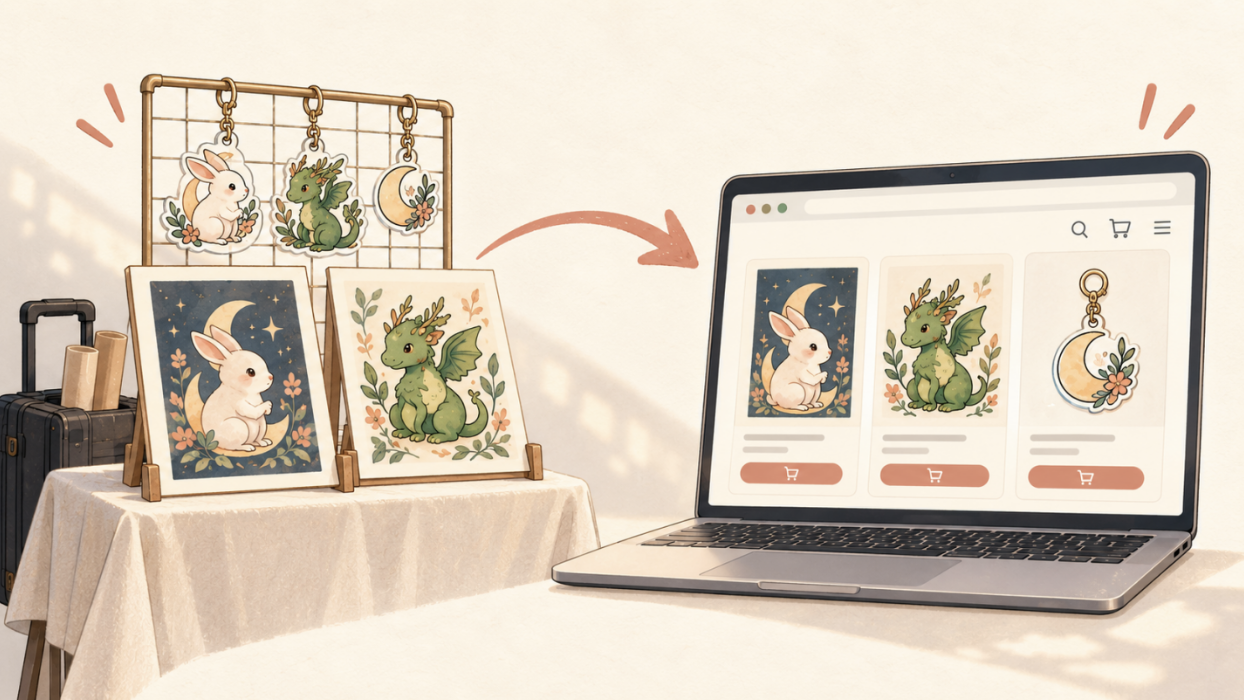
Artist Alley to Online Store: How Convention Artists Can Keep Selling After the Event
Categories
- Art
- Articles
- Business of Luxury
- Celebrities
- Culture
- Entertainment
- Events
- Faces of Summer 2026
- Fashion
- Fashion & Style
- Featured
- Finance
- Food, Spirits, Wine
- Hamptons
- Hamptons Celebrities
- Health
- Health & Beauty
- Lifestyle
- Luxury Lifestyle
- Press
- Profiles
- Real Estate
- Technology
- The Chronicles
- Travel
- Uncategorized
- Weddings