
A good mandolin strap does more than just hold the instrument in place. It can provide comfort, reduce strain, and make your music lessons more enjoyable, but which strap is right for you? That’s what this blog post will help you choose.
Why Does the Right Mandolin Strap Matter?
A well-chosen mandolin strap can provide a whole host of benefits, like:
- Impacts Comfort
The right mandolin strap helps distribute weight evenly, making long practice sessions and performances far more comfortable. Softer materials, proper width, and adjustable sizing reduce irritation and help the instrument feel secure rather than awkward or tiring to hold for extended periods.
- Offers Better Posture and Stability
A supportive mandolin strap keeps your instrument positioned correctly while standing or moving around. Better positioning improves hand placement, playing accuracy, and overall balance, helping you maintain consistent technique without constantly adjusting the mandolin during rehearsals, practice sessions, or performances.
- Reduces Shoulder and Neck Strain
Poorly designed or thin mandolin straps can place unnecessary pressure on the neck and shoulders over time. Choosing a wider, properly fitted strap helps spread weight more evenly, reducing fatigue and discomfort while making longer playing sessions feel significantly easier on the body.
What to Look for When Choosing a Mandolin Strap?
You need to consider several important factors to choose the right mandolin strap.
- Strap Width and Weight Distribution
A wider mandolin strap helps distribute the instrument’s weight more evenly across your shoulder. This reduces pressure points and makes longer practice sessions feel more comfortable.
Narrow straps may look stylish, but they can become uncomfortable over time, especially during performances or extended standing sessions. Proper weight distribution improves stability and reduces fatigue while playing.
- Material Durability
Durability is important when choosing a mandolin strap, especially for regular practice, travel, or live performances. Strong stitching and quality materials help the strap maintain its shape and reliability over time.
Leather straps are known for long-term durability, while high-quality woven or synthetic materials can also provide dependable support when properly constructed and reinforced.
- Material Comfort
The material of a mandolin strap directly affects how comfortable it feels against your shoulder and neck. Softer materials can reduce irritation and improve comfort during longer playing sessions.
Some players prefer broken-in leather for its flexibility, while others enjoy padded fabric straps for their lighter feel. Personal comfort matters just as much as appearance or durability when choosing a strap.
- Length and Adjustability
An adjustable mandolin strap allows you to position the instrument at a comfortable playing height. Proper positioning improves posture, control, and overall playing consistency while standing or moving around.
Different players prefer different strap lengths depending on their playing style and body type. Easy adjustability also makes the strap more versatile for rehearsals, performances, and shared instrument setups.
- Attachment Style Compatibility
Not every mandolin strap attaches the same way, so compatibility with your instrument is important. Some straps connect directly to strap buttons, while others use headstock loops or cradle-style designs.
Choosing the correct attachment style helps keep the mandolin stable and secure during use. It also prevents unnecessary stress on the instrument’s hardware, finish, or neck area over time.
Final Thoughts
Choosing a comfortable, durable mandolin strap can improve playing stability, reduce strain, and make practice sessions more enjoyable. You can choose the right one by simply following the guide above.
Author

Written by
Recent Posts

The First Decision After a Collision Can Be the Most Important One
Two Weeks in Rome and Beyond: Turkish Airlines Itineraries from Boston, Chicago and Onward to India

Top 10 Hair Transplant Clinics in Turkey 2026
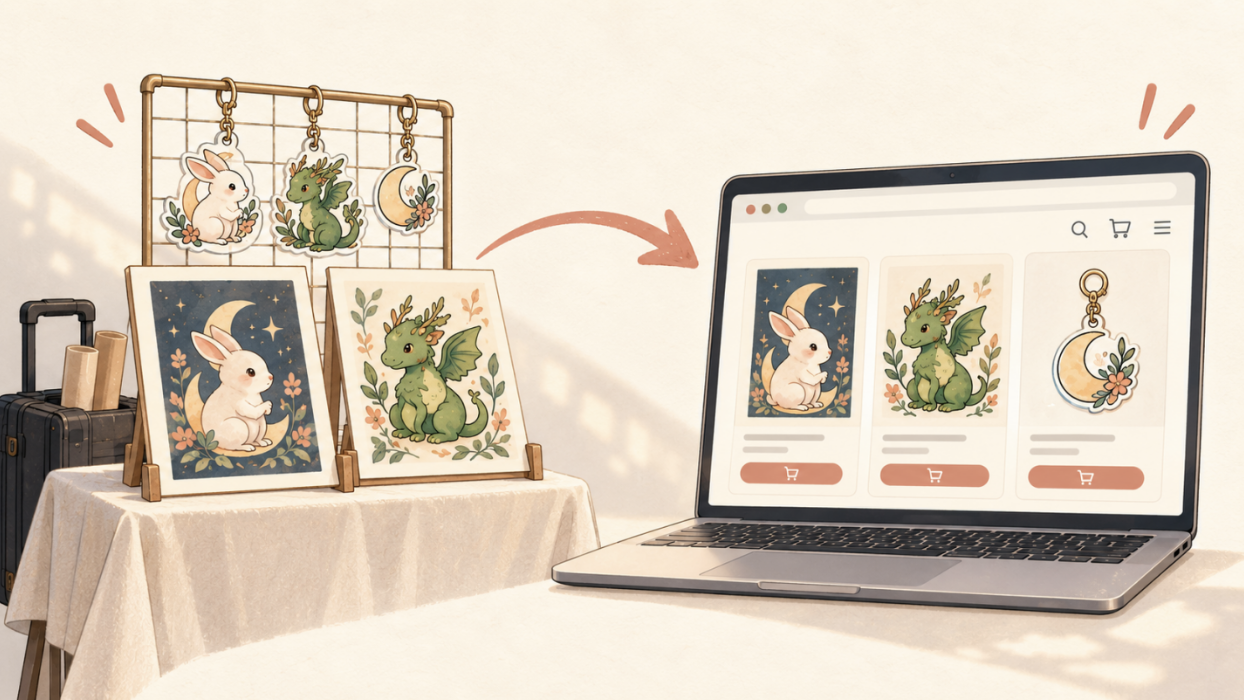
Artist Alley to Online Store: How Convention Artists Can Keep Selling After the Event
When an 18-Wheeler Crash Leaves Lasting Consequences
Categories
- Art
- Articles
- Business of Luxury
- Celebrities
- Culture
- Entertainment
- Events
- Faces of Summer 2026
- Fashion
- Fashion & Style
- Featured
- Finance
- Food, Spirits, Wine
- Hamptons
- Hamptons Celebrities
- Health
- Health & Beauty
- Lifestyle
- Luxury Lifestyle
- Press
- Profiles
- Real Estate
- Technology
- The Chronicles
- Travel
- Uncategorized
- Weddings