
A bright smile is a great start, but excellent oral health is a lifetime commitment that goes far beyond that. It’s a key pillar in your overall wellbeing, impacting everything from your intake of food to your confidence with socialising. A consistent routine of brushing, flossing and professional cleanings is the first line of defense against common problems such as cavities and periodontal disease. But when natural teeth are damaged by injury or disease, today’s restorative dentistry can provide advanced solutions to restore the mouth to full strength. Dental implants are now the gold standard for long-term oral rehabilitation for those who want to replace missing teeth with a solution that feels and functions like natural teeth.
Tooth roots are critical to the health of your jawbone and surrounding gum tissue , in addition to the obvious aesthetic improvements . When a tooth is lost, the bone underneath begins to lose density because there is no longer the stimulation of biting and chewing. Over time, this process can cause changes in the facial structure and movement of the remaining teeth. By filling in the gaps quickly, people will be able to maintain their bone health and keep their bite aligned and functional for years to come.
Best Oral Hygiene Key Habits
The best way to avoid the need for complicated dental procedures is to have a daily routine that is sustainable. By focusing on a few core habits, you can help protect the integrity of your enamel and the health of your supporting tissues.
Precision Brushing Method
Use a soft-bristled brush angled at forty-five degrees to the gumline to help you dislodge plaque without abrading the tooth surface or irritating sensitive tissues.
The Best in Interdental Cleaning
Flossing or using interdental brushes can access the tight spaces between teeth a normal toothbrush cannot, thus effectively preventing decay from developing between teeth.
Strength: Nutritional Choices
A diet high in calcium, phosphorus and leafy greens provide the minerals necessary to remineralize enamel while minimizing sugary snacks helps maintain balanced pH levels in your mouth.
Regular professional monitoring
Regular visits to a dental professional allow for the removal of hardened tartar and the early detection of problems that may not be visible or painful at their early stages.
The History of Restorative Dentistry
When preventive measures are no longer sufficient to save a natural tooth, the goal is to find a replacement that provides the greatest possible stability. Historically, dentures and bridges were the only choices, but they often involved altering healthy adjacent teeth or depended on adhesives that could slip when speaking or eating. These challenges have been met by modern restorative techniques using biocompatible materials that integrate directly with the body.
The journey from a totally destroyed smile to a fully restored smile is a joint effort between the patient and the clinical team. With sophisticated digital mapping, supports can be positioned exactly where they are required to make sure the new tooth is exactly in the right spot to withstand the pressures of daily use. Such precision not only enhances the immediate comfort of the patient but also ensures that the restoration becomes a permanent part of their oral anatomy. With the investment in high quality restorative care, individuals can go back to eating their favorite foods, speaking with clarity and smiling with absolute certainty.
Author

Written by
Recent Posts

Jetsetter Style: Castello del Sole

The First Decision After a Collision Can Be the Most Important One
Two Weeks in Rome and Beyond: Turkish Airlines Itineraries from Boston, Chicago and Onward to India
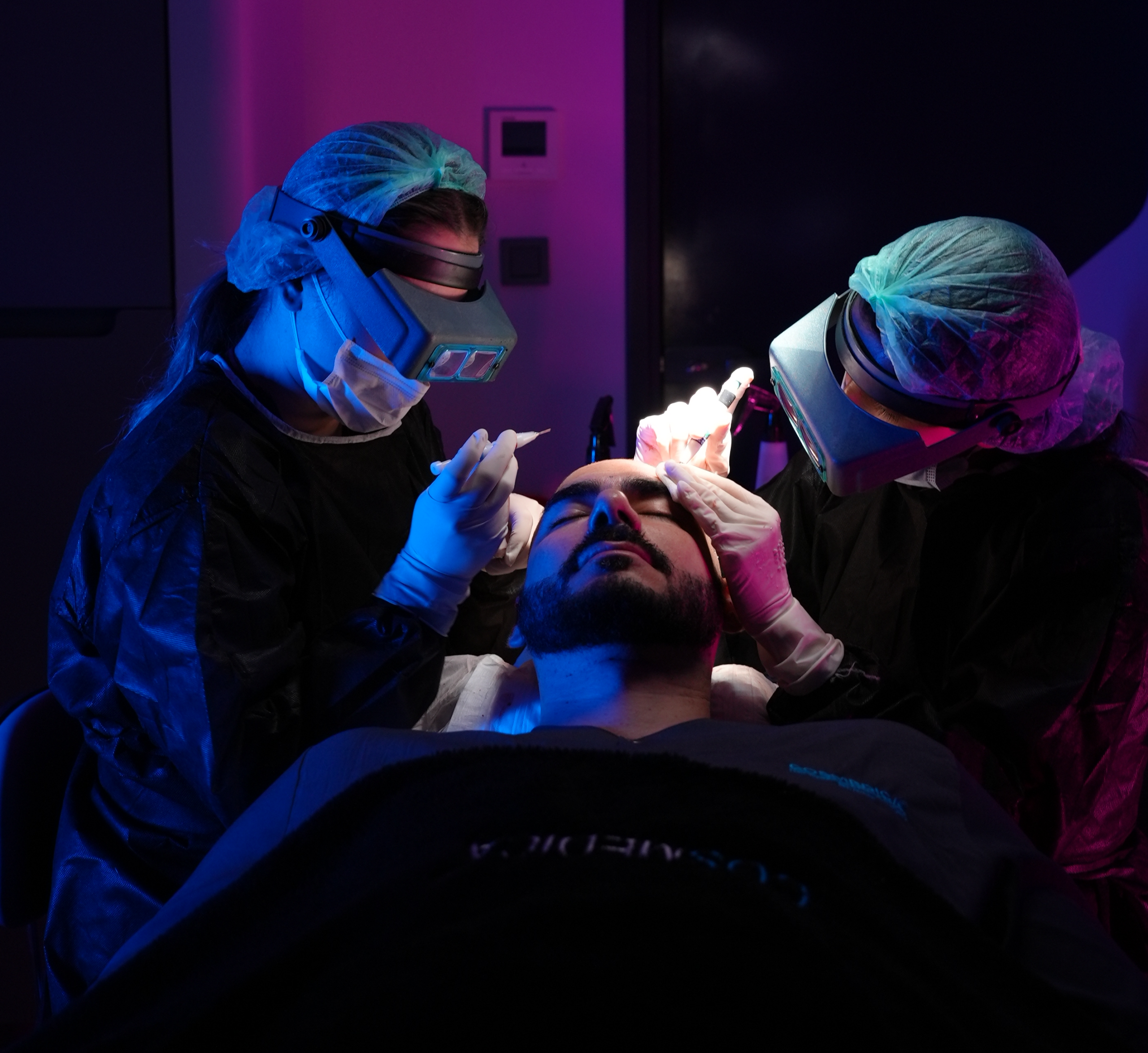
Top 10 Hair Transplant Clinics in Turkey 2026
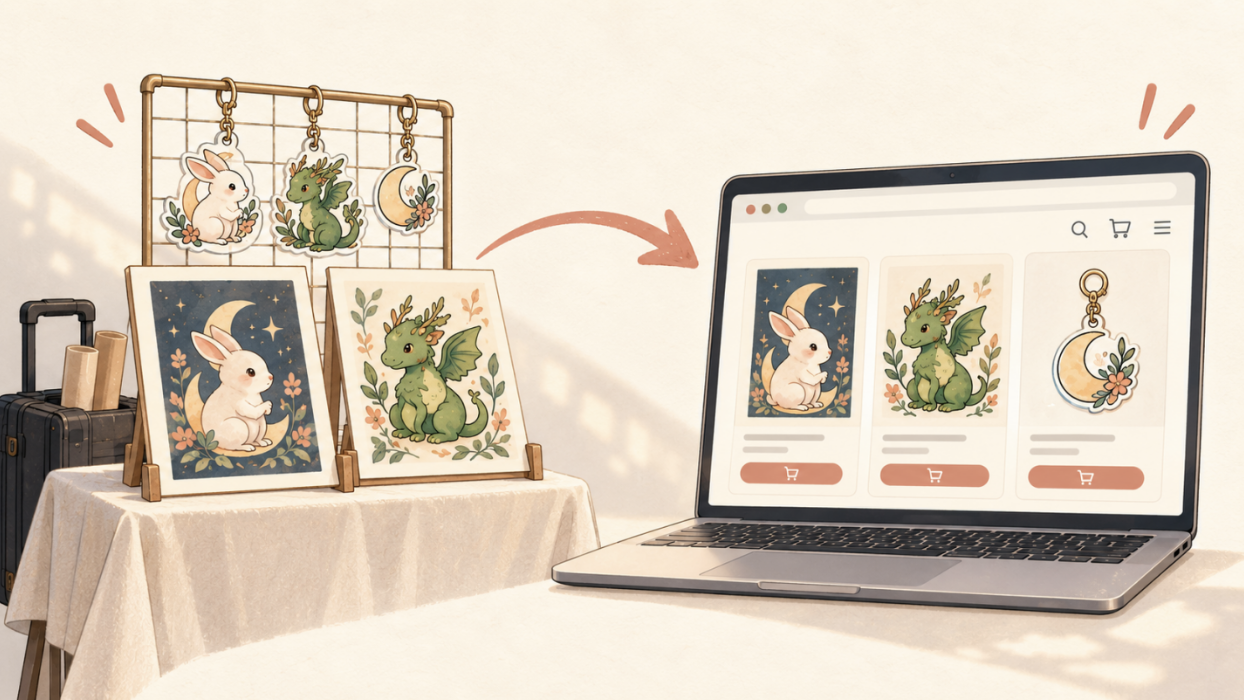
Artist Alley to Online Store: How Convention Artists Can Keep Selling After the Event
Categories
- Art
- Articles
- Business of Luxury
- Celebrities
- Culture
- Entertainment
- Events
- Faces of Summer 2026
- Fashion
- Fashion & Style
- Featured
- Finance
- Food, Spirits, Wine
- Hamptons
- Hamptons Celebrities
- Health
- Health & Beauty
- Lifestyle
- Luxury Lifestyle
- Press
- Profiles
- Real Estate
- Technology
- The Chronicles
- Travel
- Uncategorized
- Weddings