
Running a retail store that sells tools and building materials brings unique challenges. Safety risks can pop up anywhere, from sharp blades to heavy shelving units. Taking smart precautions early shields your finances from unexpected legal battles.

Set Up the Right Corporate Framework
Choosing how you structure your firm changes your personal liability profile. When accidents happen on your property, Michingan personal injury attorneys look closely at your corporate framework during a claim. Operating as a limited liability company separates your personal assets from your storefront obligations. This separation keeps your private savings safe if a customer suffers an injury inside your aisles.
Clear signs and safety rules prevent people from wandering into dangerous storage zones. Staff members must understand how to handle heavy inventory safely to prevent falling objects. Proper training cuts down on workplace accidents by a wide margin. Experienced employees know how to operate machinery without creating hazards for nearby shoppers.
Secure Comprehensive Liability Insurance
Standard policies offer a safety net when unexpected injuries occur on your commercial property. A guide from a federal small business agency notes that general liability plans protect against financial losses from bodily injuries and property damage. These plans help cover medical bills and legal defense costs during an active lawsuit. Carrying adequate coverage keeps a slip-and-fall accident from bankrupting your operation.
Different policies cover particular risks like product defects or employee issues. Speaking with a licensed broker helps you choose the right limits for a retail tool shop. Reviewing your coverage limits annually keeps your protections aligned with your growing inventory values. Independent agents can compare multiple quotes to find affordable rates under $500 for your storefront.
Manage Product Liability Risks
Selling power tools and machinery introduces exposure to manufacturing defects. Customers can claim a tool caused harm from mechanical failures or missing safety guards. A report from a California law school explains that product liability rules require an injured party to name a distinct, clear defect in the item. Retailers can still find themselves dragged into these complex legal battles.
Keeping precise records of your suppliers helps pass liability down to the actual manufacturer. Avoid altering any tools before selling them to your retail customers. Original factory packaging preserves safety warnings and instruction manuals for the end user. Saved purchase orders prove exactly where each item originated.
Maintain Proper Employment Practices
Hiring staff to manage your aisles requires strict adherence to labor regulations. Misclassifying workers can trigger heavy fines and destructive court cases. An official compliance guide from the federal labor department indicates that clear rules help businesses avoid expensive employee litigation. Treating your workforce fairly lowers the risk of workplace grievances turning into legal threats.
- Establish clear written rules for every staff position.
- Document every safety training session with signatures.
- Track hourly schedules carefully to avoid wage disputes.
Address Digital and Data Risks
Modern hardware shops rely on digital payment systems and customer databases. Cybercriminals target retail payment hubs to steal credit card information and personal details. A global privacy organization reported that plaintiffs filed over 3,000 data breach class-action lawsuits during 2025. Protecting customer data is just as critical as locking your storefront doors at night.
Updating your payment software shields your transactions from malicious network intrusions. Restricting access to sensitive employee files prevents internal data leaks. Strong password rules add an extra layer of defense for your digital checkout systems.
Guard Your Business Website Against Claims
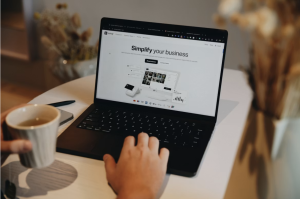
Online storefronts face growing scrutiny under disability access guidelines. Plaintiffs frequently target commercial web pages that lack proper screen-reader compatibility. An online accessibility analysis showed that 456 lawsuits during early 2025 targeted platforms using simple web widgets. These automated add-ons often fail to protect a business from litigation.
Building your site with clean, compliant code provides better protection than relying on cheap, quick-fix overlays. Regular audits by professional developers point out hidden navigation barriers. Fixing these digital issues keeps your online shop open to all patrons.
Keep Track of Changing Local Statutes
Legal rules for retail storefronts evolve as lawmakers address predatory lawsuit trends. Staying informed on state measures helps you adapt your business methods. A small business advocacy group highlighted new legislation allowing owners to resolve website issues before facing settlement demands. Monitoring these statutory adjustments protects your operation from sudden legal traps.
Joining local trade associations keeps you connected with shifting commercial regulations. Local business groups provide updates on regional safety mandates and employment rules. Proactive awareness allows you to make operational changes before problems arise.
Protecting your hardware establishment involves constant vigilance across physical and digital spaces. Implementing solid business structures, carrying good insurance, and keeping clean records builds a powerful defense. These daily steps shield your livelihood from sudden legal actions. Taking charge of safety protocols lets you focus on serving your community with confidence.
Author

Written by
Recent Posts

Jetsetter Style: Castello del Sole

The First Decision After a Collision Can Be the Most Important One
Two Weeks in Rome and Beyond: Turkish Airlines Itineraries from Boston, Chicago and Onward to India

Top 10 Hair Transplant Clinics in Turkey 2026
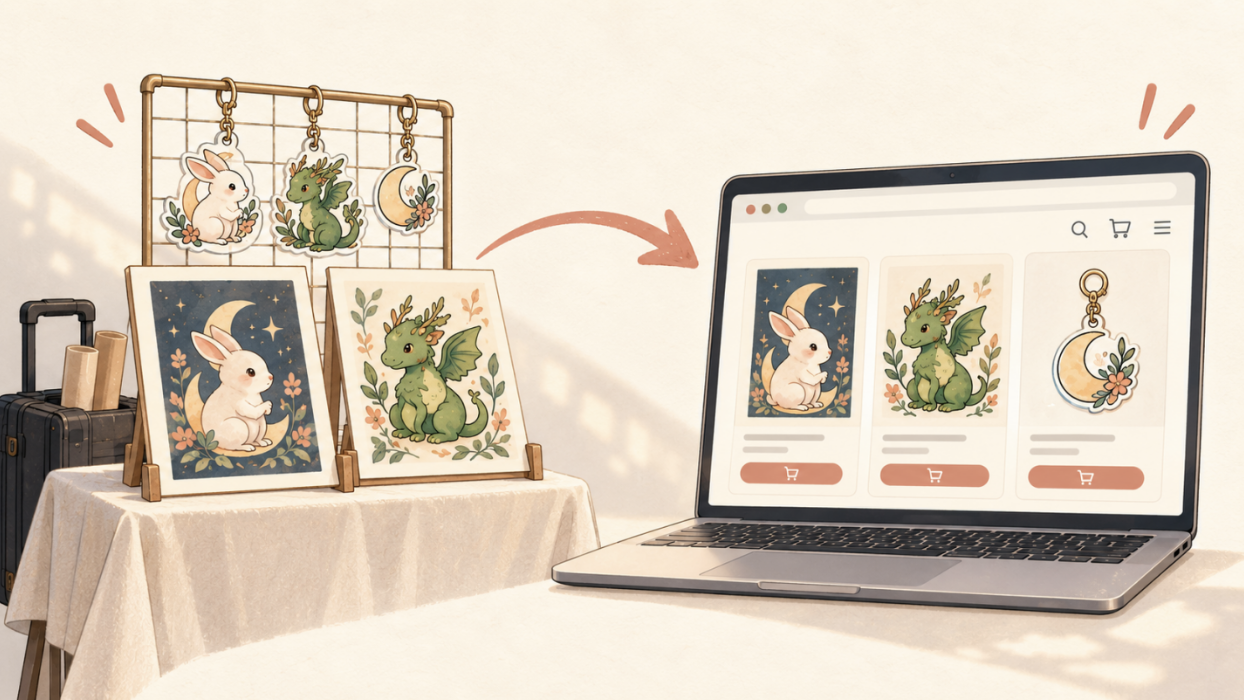
Artist Alley to Online Store: How Convention Artists Can Keep Selling After the Event
Categories
- Art
- Articles
- Business of Luxury
- Celebrities
- Culture
- Entertainment
- Events
- Faces of Summer 2026
- Fashion
- Fashion & Style
- Featured
- Finance
- Food, Spirits, Wine
- Hamptons
- Hamptons Celebrities
- Health
- Health & Beauty
- Lifestyle
- Luxury Lifestyle
- Press
- Profiles
- Real Estate
- Technology
- The Chronicles
- Travel
- Uncategorized
- Weddings