
Modern campaigns rely heavily on mobile outreach to connect with voters. Reaching thousands of people instantly requires reliable tools and clean databases. Setting up these systems correctly changes how teams share updates.
Timing matters during a tight election cycle. Delayed setups can stall communication when a campaign needs to respond to breaking news. Quick preparation keeps the message moving without unnecessary interruptions.
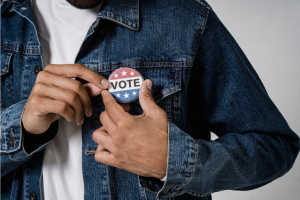
Building a Strong Texting Strategy
Texting has become a primary tool for modern grassroots organizing. Volunteers can coordinate rallies and share voting locations with a single click. This speed helps teams stay agile when schedules change fast.
Elections move fast and require immediate access to broadcasting tools. Completing your 10DLC registration for political campaigns early prevents technical delays from halting your voter outreach. Starting this setup before the peak of the election season helps avoid long queues.
Many organizations overlook the time required for system verification. Waiting until the final weeks can jeopardize your entire communication strategy. Early action keeps your team ahead of deadlines.
Understanding Network Verification Rules
Mobile carriers monitor traffic to protect consumers from unwanted spam messages. A dedicated regulatory body reviews every campaign submission before approving mass broadcasts. A telecom documentation guide explains that mobile network operators use the central registry vetting process to decide message throughput speeds.
Higher trust scores allow organizations to send thousands of texts per minute. Low scores restrict your volume, slowing down urgent campaign announcements. Meeting these guidelines helps your words reach the intended audience.
Proper documentation streamlines this vetting process from the start. Teams should gather their tax identification details before submitting any forms. Missing details can pause your review for days.
Choosing the Right Registration Path
Different organizational structures change how your text system is categorized. Political entities must select the exact category that matches their legal status. An industry support guide notes that teams can register under charity or sole proprietor classifications for political messaging needs.
Picking the wrong option creates compliance problems down the road. Carriers might block traffic if the filing does not match public records. Double-checking your status prevents these technical friction points.
Filing correctly determines the daily text limits for your brand. Smaller local races might only need lower volume limits. Greater national efforts require the highest available capacity.
Managing Token Lifespans Across Cycles
Political text campaigns require specific security tokens to verify their legitimacy. These digital credentials confirm that a registered group is running the campaign. A cloud communications help page mentions that verification tokens expire after each election cycle and require periodic updates.
Failing to renew these tokens will cause text deliveries to fail immediately. Staff members often forget this step during the off-season. Keeping track of renewal dates prevents sudden communication blackouts.
Automated reminders help managers stay on top of these technical updates. Routine checks keep the platform ready for any sudden special elections. Continuous maintenance keeps your infrastructure secure.
Core Elements for Text Compliance
Successful delivery requires meeting strict formatting and opt-out rules. Every message must clearly identify who is sending the communication. Voters need a simple way to stop receiving texts at any time.
Certain components must be present in every outbound message to maintain carrier approval. Review this quick checklist before launching your next broadcast:
- Clear brand identification in the text
- Explicit opt-out instructions like replying STOP
- Honest disclaimers regarding message and data rates
Skipping these details causes carriers to flag your number as spam. Once flagged, recovering your sender reputation takes significant effort. Compliance protects your relationship with voters.
Technical Throughput and Messaging Speed
Throughput determines how quickly your system sends out a batch of texts. High throughput is critical when breaking news demands an immediate response. Slow queues can mean your update arrives after the news cycle moves on.
Carriers assign these speeds based on your vetting results. A complete and verified profile unlocks the fastest possible transmission rates. Low-tier profiles face strict caps that throttle your output.
Upgrading your capacity later creates unnecessary administrative hurdles – this slows your pace during busy campaign weeks. Getting the highest possible rating from the start avoids these bottlenecks. Speed gives your team a competitive edge.
Planning for Peak Delivery Times
Network traffic spikes significantly during the final weeks before an election. Millions of messages flood the networks simultaneously as every campaign reaches out to voters. Prepared teams avoid the worst of this digital congestion.
Systems that are already approved bypass the heavy registration backlogs that form in October. Late arrivals often wait weeks just for basic approval. Early validation gives you a clear path to the finish line.
Investing time into your setup today protects your operations tomorrow. Smooth communication keeps your volunteers informed and your voters engaged. Reliable technology forms the backbone of modern political victories.

Modern political campaigns cannot afford communication delays when voters are making up their minds. Setting up your mobile technology early gives your team a reliable way to share updates. Clean registrations build a strong foundation for every broadcast you send.
Taking these steps early keeps your focus on winning the race. Safe, compliant texting connects your message with the public throughout the entire election cycle.
Author

Written by
Recent Posts

Jetsetter Style: Castello del Sole

The First Decision After a Collision Can Be the Most Important One
Two Weeks in Rome and Beyond: Turkish Airlines Itineraries from Boston, Chicago and Onward to India

Top 10 Hair Transplant Clinics in Turkey 2026

Artist Alley to Online Store: How Convention Artists Can Keep Selling After the Event
Categories
- Art
- Articles
- Business of Luxury
- Celebrities
- Culture
- Entertainment
- Events
- Faces of Summer 2026
- Fashion
- Fashion & Style
- Featured
- Finance
- Food, Spirits, Wine
- Hamptons
- Hamptons Celebrities
- Health
- Health & Beauty
- Lifestyle
- Luxury Lifestyle
- Press
- Profiles
- Real Estate
- Technology
- The Chronicles
- Travel
- Uncategorized
- Weddings