
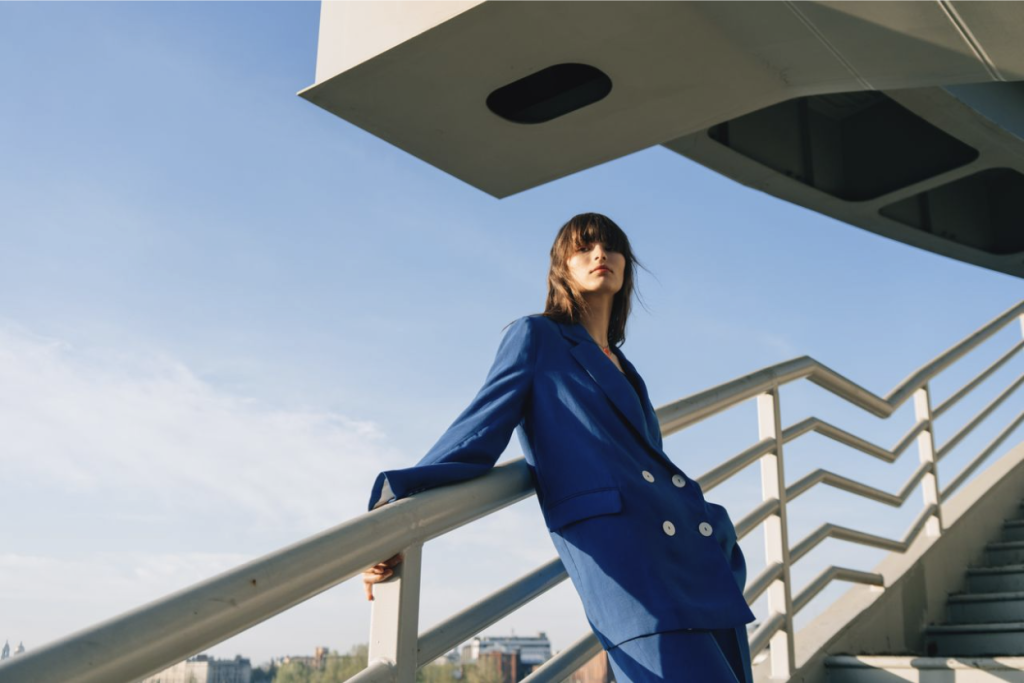
You know who usually looks the most stylish at a party? Actually, let’s start with someone who doesn’t: the person wearing every trend that’s currently dominating TikTok or Instagram. Sure, they may look… interesting, but let’s be honest—they mostly just look like a try-hard.
But to answer the original question, the person who usually looks the most stylish is the woman with unique earrings, wearing an old blazer she’s had for 12 years. Or the guy wearing a watch his grandfather gave him with sneakers that technically “don’t go” with the rest of his outfit. Somehow, they look put together while everyone else looks… assembled.
That’s because style and fashion aren’t the same thing. Fashion is fun and loud, and it demands attention every six months. It tells you that butter yellow is essential this season and that your jeans are the wrong shape again. Style, on the other hand? Style is quieter. It’s the collection of choices you keep returning to because they feel right.
Look around. The internet may insist we’re all dressing in one aesthetic or another—quiet luxury, old money, mob wife, coastal grandmother, whatever comes next—but real life doesn’t look like that. Most people pick and choose. They buy a trend here, ignore three others there, and wear the same favorite pieces for years.
The people with the strongest sense of style don’t reject trends altogether. They just refuse to let trends do all the thinking.
Most Fashion Rules Were Arbitrary to Begin With
The fashion industry loves rules. Petite women shouldn’t wear long coats. Men shouldn’t wear pearls. You shouldn’t mix silver and gold. Certain colors don’t belong together…
Says who?
Many of these rules weren’t based on aesthetics at all. They reflected social expectations, class systems, or ideas about masculinity and femininity that thankfully don’t carry the same weight anymore.
For example, women wearing trousers was controversial not terribly long ago. So was the idea of men wearing pink. Today, nobody blinks.
The point is, fashion rules often pretend to be timeless when they’re actually temporary. All they are is a reflection of current social norms, which may or may not actually make sense.
Luxury Buyers Have Moved Past the Uniform
If anyone had reason to cling to old rules, you’d think it would be luxury consumers. But quite the opposite is happening.
The modern luxury buyer isn’t chasing a pre-packaged identity. People want pieces that feel personal: the bag nobody else bought, the unusual stone in a ring, the jacket that doesn’t scream a particular brand from twenty feet away.
There’s also been a rise in customization for exactly this reason. Monograms, bespoke tailoring, made-to-order jewelry, even sneaker personalization. Spending more money often means wanting something that reflects you, not a trend report.
Speaking of accessories, watch enthusiasts have also been noticing something interesting lately. Namely, men are buying smaller watches again, and women are buying larger ones.
Industry experts recently told JCK that traditional ideas about sizing are fading fast. But the conversation around watch size trends breaking gender norms is bigger than watches themselves. It signals a broader shift happening throughout fashion.
For years, a large watch on a woman was considered masculine. A smaller watch on a man was considered too delicate. Today? People are trying things on and asking a different question: “Do I like this?”
Aesthetics vs. Personal Style
You’ve probably noticed that most popular influencers look very similar. But do you know why? It’s simple: they have professional reasons to dress like a character.
Consistency builds a brand. So if your whole identity online revolves around a certain aesthetic, like being “the old money girl” or “the Scandinavian minimalist,” people know exactly what you’re selling.
Regular life doesn’t work that way, of course. You can wear a sharp, bespoke suit on Monday and a vintage band T-shirt on Friday. You can collect Cartier bracelets and still own a ridiculous novelty handbag because it makes your outfit more fun.
The point is, real style has contradictions. In fact, we’d go as far as to say that the best-dressed people usually break something.
Because trends change and rules get rewritten. But the pieces that genuinely feel like you? Those tend to survive every fashion cycle, and usually end up becoming the reason people remember how you dress in the first place.
Author

Written by
Recent Posts

Unlocking the Berkshires
Dalia Forman Design
Alberto Luzzi
How to Pick a Homecoming Dress for Your Body Type and Feel Amazing in It
How to Prepare a Home for Sale When Major Repairs Are Not Affordable
Categories
- Art
- Articles
- Business of Luxury
- Celebrities
- Culture
- Entertainment
- Events
- Faces of Summer 2026
- Fashion
- Fashion & Style
- Featured
- Finance
- Food, Spirits, Wine
- Hamptons
- Hamptons Celebrities
- Health
- Health & Beauty
- Lifestyle
- Luxury Lifestyle
- Press
- Profiles
- Real Estate
- Technology
- The Chronicles
- Travel
- Uncategorized
- Weddings