
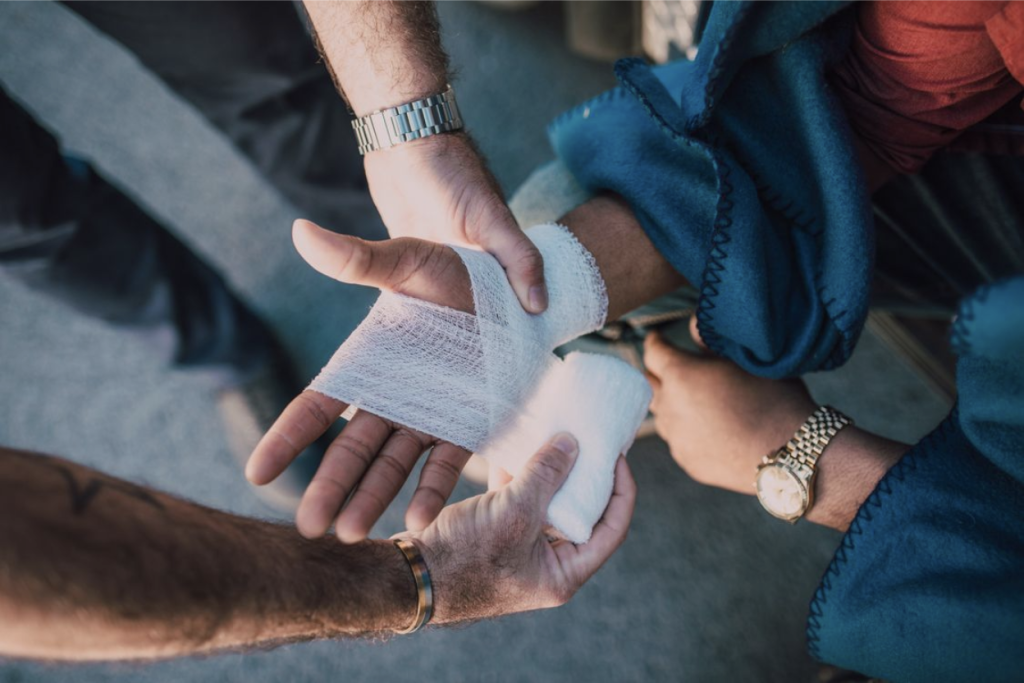
A relaxing vacation is supposed to be carefree, not chaotic. Yet one unexpected accident can leave you hurt, shaken, and unsure who to turn to first. Knowing how to ask for help matters just as much as receiving it.
Confusion often silences people at the exact moment they need support. Learning how to ask for help after an unexpected accident gives you a practical plan when everything else feels uncertain.
Contact Emergency Services
Reaching emergency services should be your first request for help. If you are able, call 911 or the local emergency services number (if you are abroad) yourself and clearly state that you have been involved in an accident and need medical assistance.
The U.S. Department of State advises travelers to contact local authorities right away during emergencies, even when abroad. If you cannot make the call, ask a nearby person to do it for you.
When speaking to dispatchers, provide your exact location, visible injuries, and any immediate dangers. Calm, detailed information helps responders prioritize your situation and arrive prepared.
Ask Witnesses and Bystanders for Assistance
People nearby can become essential allies. Asking directly for assistance ensures you receive meaningful support.
Politely request that witnesses remain at the scene until police arrive. Ask them to share their names and contact information, and to describe what they observed. If you are unable to move safely, ask someone to take photos of the accident scene and your visible injuries.
Acting quickly after an injury helps you to secure appropriate care and support. Prompt requests can prevent critical details from being lost once the scene clears.
Ask Your Hotel or Tour Operator for On-the-Ground Support
Vacation settings come with built-in support systems, but many travelers forget to use them. Hotel managers, concierges, and tour operators can become valuable sources of immediate, practical help.
Ask hotel staff to assist with transportation to medical facilities, language translation, or contacting local authorities if you are unfamiliar with the area.
Many properties keep incident logs, so request that they document what happened if the accident occurred nearby. Clear reporting can support both insurance and legal processes later.
If you were participating in a guided tour or organized activity, notify the company right away and ask for written confirmation of the incident. Local contacts often understand regional emergency procedures better than visitors.
Direct, specific requests ensure you are not navigating a stressful situation alone.
Ask Medical Providers Clear Questions About Your Care
Emergency rooms can feel rushed, especially in busy tourist areas. Asking focused questions ensures you understand your condition and next steps.
Request a detailed explanation of your diagnosis and recommended treatment. Ask whether additional tests are necessary and what symptoms should prompt a return visit.
Written discharge instructions and copies of medical records are also important to request before leaving.
Clear communication reduces confusion later. Detailed answers also help you explain your injuries accurately to insurers or legal professionals.
And if you are in a country where you are not fluent in the local language, see if you can find a local bilingual ally who can assist you.
Ask Your Insurance Company What Support Is Available
Insurance policies often contain time-sensitive reporting requirements. Contact your health or travel insurance provider as soon as possible and ask what documentation they need.
Clarify coverage for ambulance services, hospital treatment, follow-up visits, and transportation home, if required. Take notes during every conversation and request written confirmation when possible. Organized communication can prevent misunderstandings and unexpected expenses.
Early outreach signals that the situation is serious. Clear questions now can prevent financial stress weeks later.
Ask Accident Lawyers to Provide Legal Guidance
When injuries are severe, medical bills and lost income can escalate quickly. Asking for legal guidance helps you understand your rights and responsibilities.
So, seek guidance from a specialist attorney. For example, if you have sustained catastrophic injuries as a pedestrian, speak to pedestrian accident lawyers. They can help you pursue full compensation.
Seeking legal advice does not commit you to a lawsuit. It provides clarity about your options and helps ensure that your interests are protected while you focus on recovery.
Regain Confidence by Asking for the Right Help
A vacation emergency can feel overwhelming, but knowing how to ask for help after an unexpected accident restores control. Each step, from contacting emergency services to seeking legal guidance, builds a layer of protection around your health and future.
No traveler expects to need this kind of plan. But you never know when an accident might occur.
Hopefully this article has been of use! If it has been, take a moment to explore some of our other articles featuring travel advice. Whether you are going on vacation at home or abroad, being prepared will make all the difference.
Author

Written by
Recent Posts

Planning an Arizona Road Trip? Practical Details to Handle Before You Leave

Short Homecoming Dresses That Feel Polished, Not Overdone
Men’s Health After 40: Important Changes to Pay Attention To
What You Need to Know About Spray Tanning

Simple Ways to Upgrade Your Summer Drink Routine
Categories
- Art
- Articles
- Business of Luxury
- Celebrities
- Culture
- Entertainment
- Events
- Faces of Summer 2026
- Fashion
- Fashion & Style
- Featured
- Finance
- Food, Spirits, Wine
- Hamptons
- Hamptons Celebrities
- Health
- Health & Beauty
- Lifestyle
- Luxury Lifestyle
- Press
- Profiles
- Real Estate
- Technology
- The Chronicles
- Travel
- Uncategorized
- Weddings