
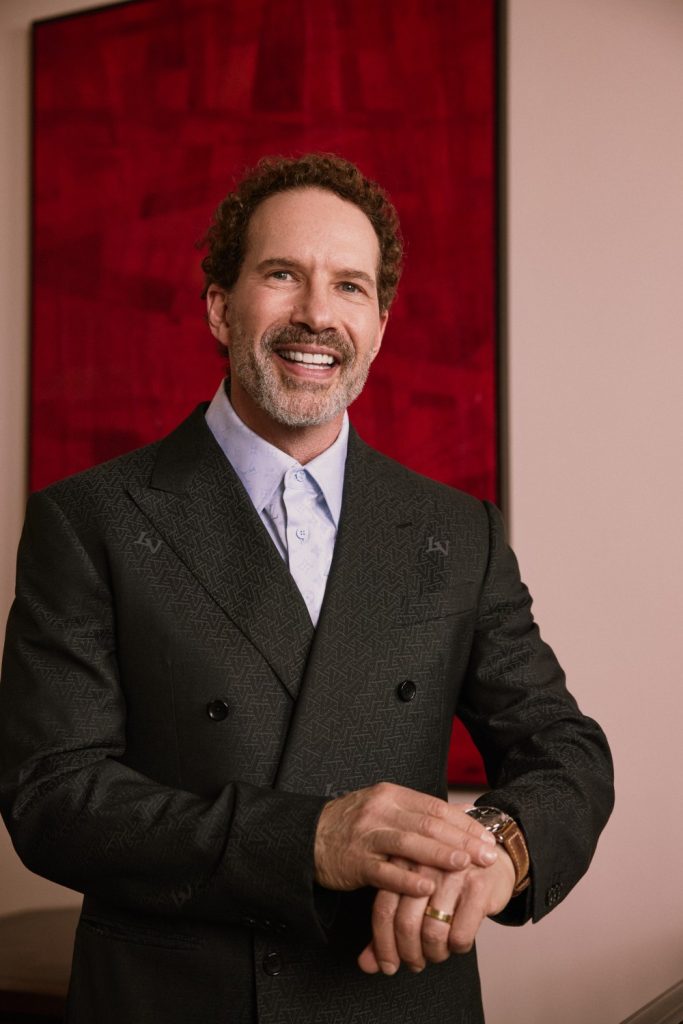
By the time Dr. David Smotrich jokes that he’s merely “an accessory” to his fashion-loving wife, you’ve already learned something essential about him: he has a remarkable ability to understate his own legacy.
For more than three decades, the founder and Medical Director of La Jolla IVF has quietly helped reshape what family can look like. Long before rainbow logos became seasonal marketing campaigns, before LGBTQIA+ family-building became part of the national conversation, and before surrogacy entered mainstream culture, Dr. Smotrich was helping people become parents when many had been told that wasn’t possible.
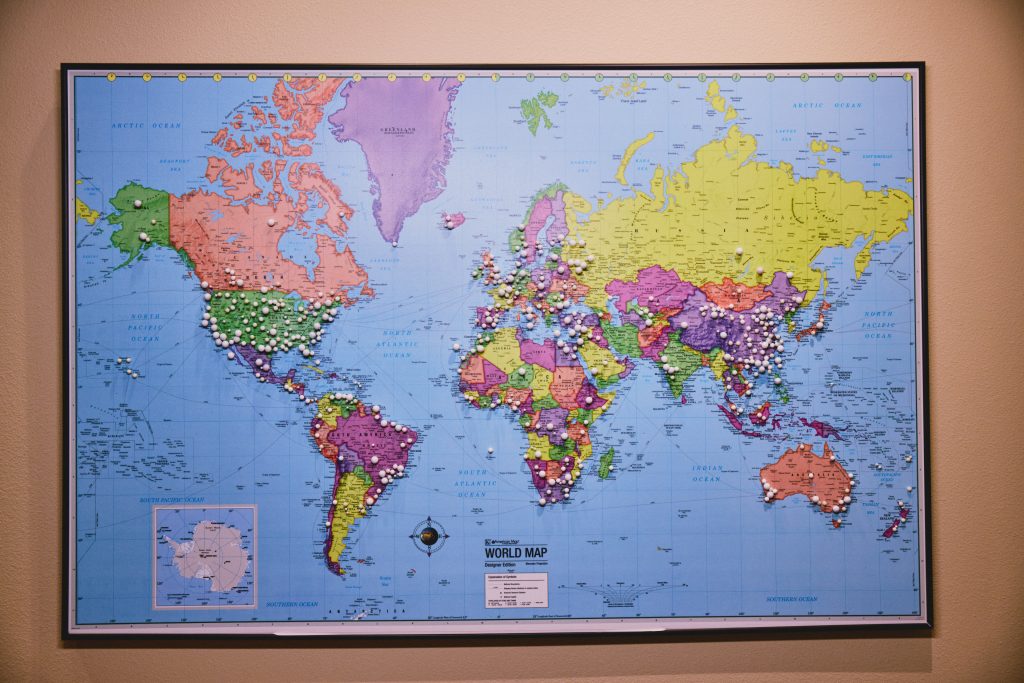
Today, patients from more than 104 countries have sought care at La Jolla IVF, and the practice has helped bring an estimated 10,000 children into the world. Yet when asked what truly defines his work, Dr. Smotrich doesn’t mention awards, technology, or statistics.
“It’s personalized care,” he says simply. “One thing you can’t teach is care.”
That philosophy has become the foundation of everything he has built.
Born and raised in Los Angeles, Dr. Smotrich came of age during a time when LGBTQIA+ representation in American culture was often defined by stereotypes and stigma.
“The gay community was always depicted on film as unusual,” he recalls. “Lots of negative types of roles on TV.”
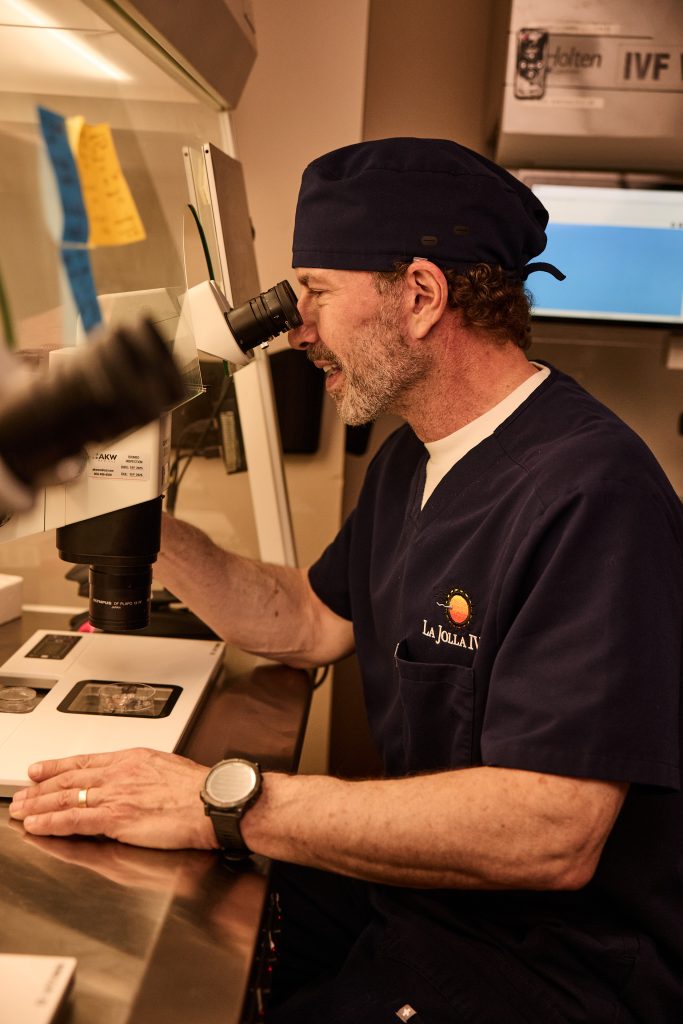
His perspective changed while training in reproductive medicine at George Washington University and the National Institutes of Health during the early 1990s. Through his wife, an aerobics instructor whose circle included many same-sex couples, he came to recognize something that now seems obvious but was far less so at the time.
“Rather than liking women like I did, they liked men,” he says. “Everything else was pretty much the same. Interested in education, interested in health, interested in happy lifestyles and safe environments.”
It wasn’t a political awakening. It was a human one.
That understanding would lead to one of the defining moments of his career.
In 1997, Dr. Smotrich became one of the first physicians to help a male same-sex couple have a child through egg donation and gestational surrogacy, resulting in the first California birth certificate listing two fathers.
Today, the milestone may seem almost ordinary. At the time, it was anything but.
“That case required attorneys involved,” he explains. “There was a chain of custody. Who does the child belong to? Genetics, all those kinds of things.”
The legal questions quickly became professional ones.
“They wanted to take my medical license away,” he recalls matter-of-factly.

Some colleagues challenged his ethics. Others questioned why he was willing to take such a public stand.
“My frame of reference is every parent has the right to have children.”
That conviction helped influence legal precedent in California and contributed to broader changes that expanded opportunities for same-sex couples to build families through assisted reproductive technology.
Since that landmark case, Dr. Smotrich has helped several thousand male couples become parents.
And he still keeps in touch with that very first family.
“The child is in her late twenties now,” he says with a smile.
His career, however, extends far beyond LGBTQIA+ advocacy. It mirrors the extraordinary evolution of fertility medicine itself.
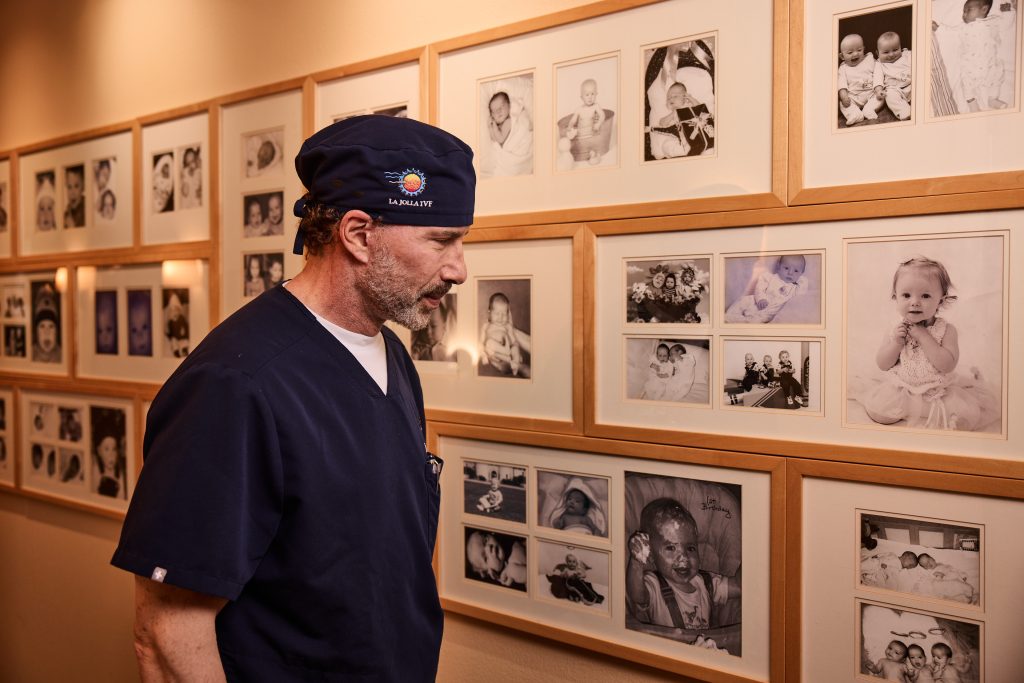
Dr. Smotrich traces his passion back to medical school in Tel Aviv in 1988, where he met a woman pregnant with IVF twins after seven years of infertility.
“She was so excited to share that with me,” he remembers. “I fell in love with that area of medicine because in my mind there’s no greater thing than to have a family blessed with children.”
When he entered the field, IVF success rates hovered between 10 and 14 percent. Today, some patients at La Jolla IVF achieve pregnancy rates approaching 65 percent with a single embryo transfer, thanks to advances in embryology, genetics, and laboratory science.
Despite those remarkable advances, Dr. Smotrich resists measuring success solely through statistics.
“I don’t count like that,” he says when asked about the thousands of children born through his practice.
For him, every patient represents an individual story rather than another number.
That philosophy distinguishes La Jolla IVF in a field increasingly driven by published success rates. While some clinics decline patients with complex medical histories in an effort to protect their statistics, Dr. Smotrich has built a reputation for welcoming the difficult cases others often turn away.
Older patients. LGBTQIA+ couples. Military families. International patients. Individuals who have experienced years of unsuccessful treatment elsewhere.
“We don’t refuse patients based on age or past history,” he says.
His commitment to inclusion extends beyond patient care. In the early years of his practice, he intentionally built a team that shared his belief that every family deserves respect.
“Back in the old days, it was not commonplace,” he says. “I needed to make sure they had no issues with my desire to help the community have children.”
His dedication to military families is equally personal. With nearly a third of his patients connected to military service, supporting veterans has become an important part of the practice. His grandfather served as a VA physician, while his wife, who was born in Morocco and raised in Israel, served as a drill sergeant in the Israeli army.
“We’ve been fortunate to take care of a lot of patients who have been through a lot protecting our country,” he says. “The freedoms we enjoy are clearly not free.”
Whether caring for heterosexual couples, same-sex couples, veterans, or international patients, Dr. Smotrich approaches every family with the same philosophy.
“They’re treated the same as our VIP patients,” he says before quickly correcting himself. “I’m not saying some patients are more VIP than others.”

That instinct—to remove hierarchy and emphasize humanity—may explain why, after decades of international recognition, word-of-mouth remains the practice’s greatest source of referrals.
People come because someone they trust tells them this place feels different.
Recently, at a charity event, Dr. Smotrich reunited with the now-grown sons of one of the first female couples he helped through reciprocal IVF, using one partner’s eggs and the other’s uterus.
“I’m only 5’10,” he laughs, “and these kids were like six-foot-five.”
He still speaks with wonder—not about the science, the legal milestones, or the recognition, but about the children themselves.
They are living proof of what becomes possible when medicine chooses compassion over fear.
At La Jolla IVF, science creates possibilities. Compassion helps turn them into families.
Written By Sari Cohen
Author

Written by
Recent Posts
How to Measure Whether a Hair Loss Treatment Is Working
Is Online Psychiatry Covered by Insurance? What to Know Before Booking
Four Habits of Quietly Successful Entrepreneurs

The Most Common Preventable Health Concerns Doctors See Today
What Affects a Rideshare Injury Settlement?
Categories
- Art
- Articles
- Business of Luxury
- Celebrities
- Culture
- Entertainment
- Events
- Faces of Summer 2026
- Fashion
- Fashion & Style
- Featured
- Finance
- Food, Spirits, Wine
- Hamptons
- Hamptons Celebrities
- Health
- Health & Beauty
- Lifestyle
- Luxury Lifestyle
- Press
- Profiles
- Real Estate
- Technology
- The Chronicles
- Travel
- Uncategorized
- Weddings