
For a while, the dining room was the room nobody used. It sat between the kitchen and the living room, reserved for holidays and the occasional dinner party, while everyone actually ate standing at the counter or slouched in front of a screen. That’s shifting back. More people are eating at an actual table again, and once a room gets used daily instead of twice a year, the details on the walls stop being decorative afterthoughts and start setting the tone for the whole space. That’s usually where dining room wall decor comes in – not as a finishing touch, but as the thing that decides whether the room feels like a place you actually want to sit in.
Why the Room Fell Out of Use in the First Place
Open-plan kitchens made the dining room feel redundant for a while. If you can eat standing at the island, why bother setting a separate table? But islands are built for quick meals, not for lingering, and lingering is exactly what people started missing once everything moved to the couch or the counter. A proper table, even a small one, forces a different pace – plates get passed, conversations run longer, phones tend to end up somewhere else entirely. The room itself started to matter again once people quietly noticed the difference in how meals felt.
The Walls Do More Work Than the Table Does
Here’s the part people usually underestimate: a table and four decent chairs can be perfectly nice and the room can still feel oddly flat. Bare walls make even good furniture look unfinished, like the room is still waiting for someone to properly move in. A single large piece – a mirror to bounce light around a small space, a row of framed prints hung at eye level, or a simple wooden shelf for a few plants and a candle – gives the eye somewhere to land besides the table itself. It’s the difference between a room that photographs like a showroom nobody lives in and one that photographs like a room people actually gather in.
Small Changes That Make a Real Difference
None of this requires a full redesign or a big budget. Start with the wall directly across from where most people sit, since that’s the one everyone actually looks at during a meal, whether they notice it consciously or not. Add one anchor piece there before worrying about anything else in the room. Keep the rest simple – a runner instead of a full tablecloth, a couple of low candles instead of a centerpiece that blocks conversation across the table. The goal isn’t a magazine spread. It’s a room people choose to sit in without being asked twice, night after night.
Author

Written by
Recent Posts

Jetsetter Style: Castello del Sole

The First Decision After a Collision Can Be the Most Important One
Two Weeks in Rome and Beyond: Turkish Airlines Itineraries from Boston, Chicago and Onward to India

Top 10 Hair Transplant Clinics in Turkey 2026
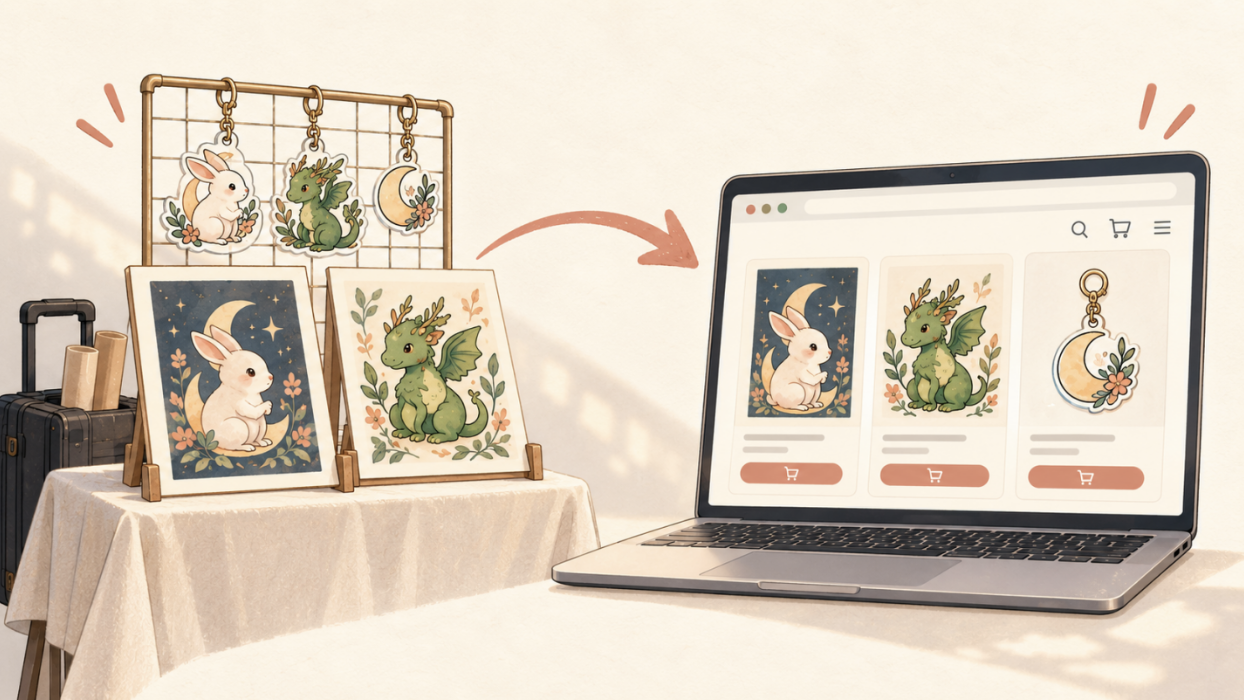
Artist Alley to Online Store: How Convention Artists Can Keep Selling After the Event
Categories
- Art
- Articles
- Business of Luxury
- Celebrities
- Culture
- Entertainment
- Events
- Faces of Summer 2026
- Fashion
- Fashion & Style
- Featured
- Finance
- Food, Spirits, Wine
- Hamptons
- Hamptons Celebrities
- Health
- Health & Beauty
- Lifestyle
- Luxury Lifestyle
- Press
- Profiles
- Real Estate
- Technology
- The Chronicles
- Travel
- Uncategorized
- Weddings