

Students do their best work when they have both structure and room to think. Discipline helps them manage time, meet deadlines, listen carefully, and keep going when a task feels boring or difficult. Freedom gives them a chance to ask questions, test ideas, make choices, and connect learning to their own lives. One without the other creates problems. Too much discipline can make education feel stiff and fearful. Too much freedom can leave students lost, distracted, or unsure about what matters. A strong learning environment needs balance, because young people are not machines and they are not finished adults either. The goal is not to choose one side, but to help students grow with both support and voice.
Discipline Builds Trust in the Process
Discipline is often misunderstood as punishment, but in education it should mean steady habits and clear expectations. A student who knows how to plan a week, review notes, start assignments early, and finish what they begin has a real advantage. These habits reduce stress because the student is not always reacting at the last minute. Discipline also teaches patience. Some skills grow slowly, and students need to learn that progress does not always feel exciting. Reading a hard chapter, rewriting an essay, or practicing a formula again can feel uncomfortable, but repeated effort builds confidence. Discipline gives students proof that they can rely on themselves. It turns big goals into daily actions, which is how most lasting achievement begins.
Freedom Teaches Ownership
Freedom matters because students need to feel that learning belongs to them. When they can choose a topic, shape an argument, or decide how to present an idea, they become more invested in the result. This does not mean leaving them alone with no support. It means giving them space inside a clear frame. When writing pressure becomes too heavy, EduBirdie can offer practical support with planning, drafting, and improving written assignments, so a student can return to the task with a clearer mind instead of panic. Used responsibly, that kind of help can strengthen independence, because the student still has to understand the topic, make choices, and own the final work.
Too Much Control Weakens Curiosity
A classroom ruled only by strict control may look calm, but it can silence curiosity. Students may learn to wait for instructions instead of thinking ahead. They may focus on avoiding mistakes rather than exploring the subject. Over time, this can make learning feel small. A student who is never allowed to question a method, challenge an idea, or try a new approach may become obedient, but not engaged. Real understanding often begins with uncertainty. Students need permission to wonder, disagree respectfully, and take intellectual risks. Freedom gives them that permission. It tells them their thoughts matter, not only their scores. They need to see that mistakes can become evidence, not proof of failure.
Too Much Freedom Creates Confusion
Freedom also needs limits. A student who has total choice but no direction may waste time or choose the easiest path. Clear rules, deadlines, grading standards, and classroom routines protect learning from becoming chaotic. They also make freedom fair. When everyone understands the expectations, students can focus on the work rather than guessing what the teacher wants. Discipline is especially important for students who struggle with motivation or attention. A predictable structure can help them begin, continue, and finish. Freedom without discipline can sound generous, but it may leave students without the tools they need to succeed. Good teachers guide without controlling every step. Limits also protect group learning, because one student’s choices can affect everyone in the room.
Balance Prepares Students for Real Life
Adult life requires both discipline and freedom every day. People must arrive on time, keep promises, handle money, complete tasks, and respect others. They also need to make decisions, solve problems, adapt, and speak for themselves. School should prepare students for that mix. A disciplined student can manage responsibilities. A free student can think creatively. A balanced student can do both. This balance also supports emotional growth. Students learn that rules are not always enemies and choices are not always easy. They begin to see responsibility as something that can protect their goals, not limit them.
Conclusion
Students need discipline because it gives learning strength, direction, and consistency. They need freedom because it gives learning meaning, energy, and personal value. The best education does not force students into silence, and it does not leave them without guidance. It gives them clear expectations while respecting their ability to think. When discipline and freedom work together, students become more than good test takers. They become capable, thoughtful people who can manage pressure, make decisions, and keep learning long after school ends. That balance is demanding, but it is also deeply human.
Author

Written by
Recent Posts

Jetsetter Style: Castello del Sole

The First Decision After a Collision Can Be the Most Important One
Two Weeks in Rome and Beyond: Turkish Airlines Itineraries from Boston, Chicago and Onward to India

Top 10 Hair Transplant Clinics in Turkey 2026
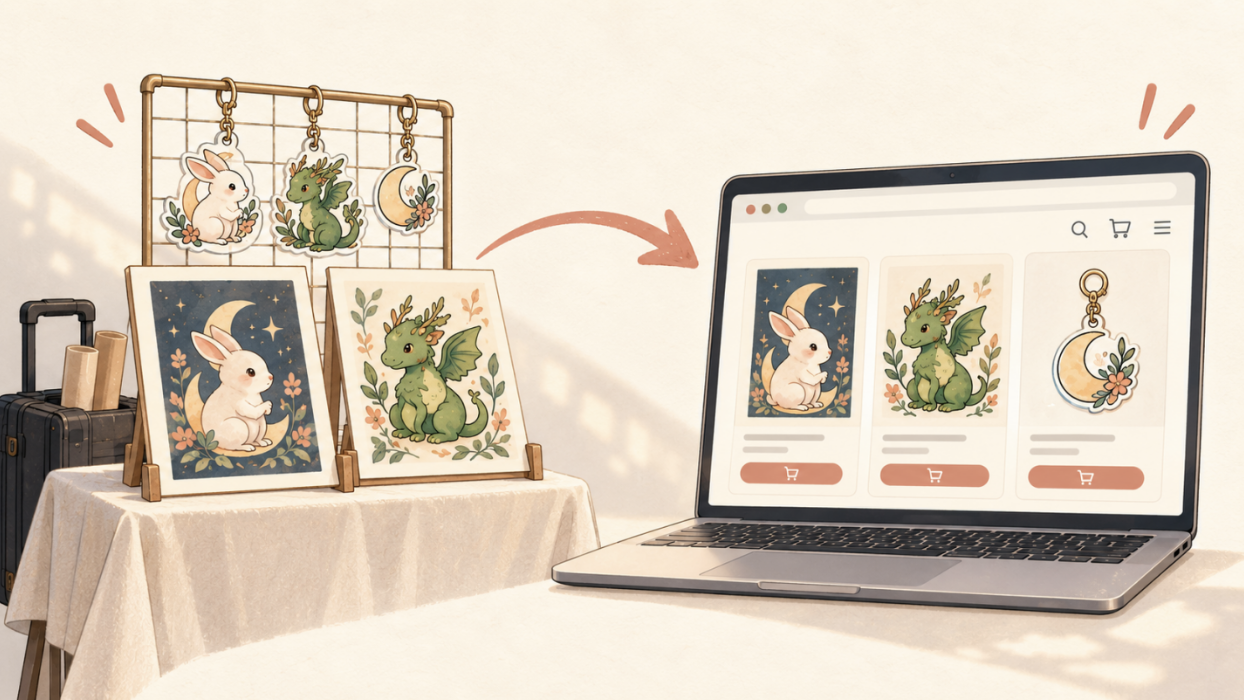
Artist Alley to Online Store: How Convention Artists Can Keep Selling After the Event
Categories
- Art
- Articles
- Business of Luxury
- Celebrities
- Culture
- Entertainment
- Events
- Faces of Summer 2026
- Fashion
- Fashion & Style
- Featured
- Finance
- Food, Spirits, Wine
- Hamptons
- Hamptons Celebrities
- Health
- Health & Beauty
- Lifestyle
- Luxury Lifestyle
- Press
- Profiles
- Real Estate
- Technology
- The Chronicles
- Travel
- Uncategorized
- Weddings