
Each year, around 6 million road accidents are reported, and such events can instantly shatter the peace of a carefully planned vacation. Dealing with insurance policies, local authorities, and medical facilities becomes significantly more complicated when you are far from home. Managing a crash in an unfamiliar destination requires immediate, strategic action to protect your health and your legal rights.
The steps you take in the minutes and hours following a collision dictate how smoothly your travel insurance or personal injury claims will progress. Whether you are navigating a bustling metropolitan highway or a winding coastal road, a structured approach ensures you do not miss critical details during a high-stress moment.
Prioritize Immediate Scene Safety and Medical Care
Your absolute first priority after any road impact is to check for injuries and, if possible, move to a safe location.
Flashers should be turned on immediately to alert oncoming traffic, especially on poorly lit rural roads or fast-moving freeways. If anyone requires urgent medical attention, dial the local emergency services right away rather than waiting to assess the vehicle damage.
Seeking a formal medical evaluation is necessary even if you feel completely fine at the scene of the crash. Adrenaline frequently masks serious internal injuries, soft tissue damage, and concussions that may only become apparent days later. Having a doctor document your physical condition immediately after the incident creates an official timeline that links your injuries directly to the accident.
Understand Your Vehicle Type Framework
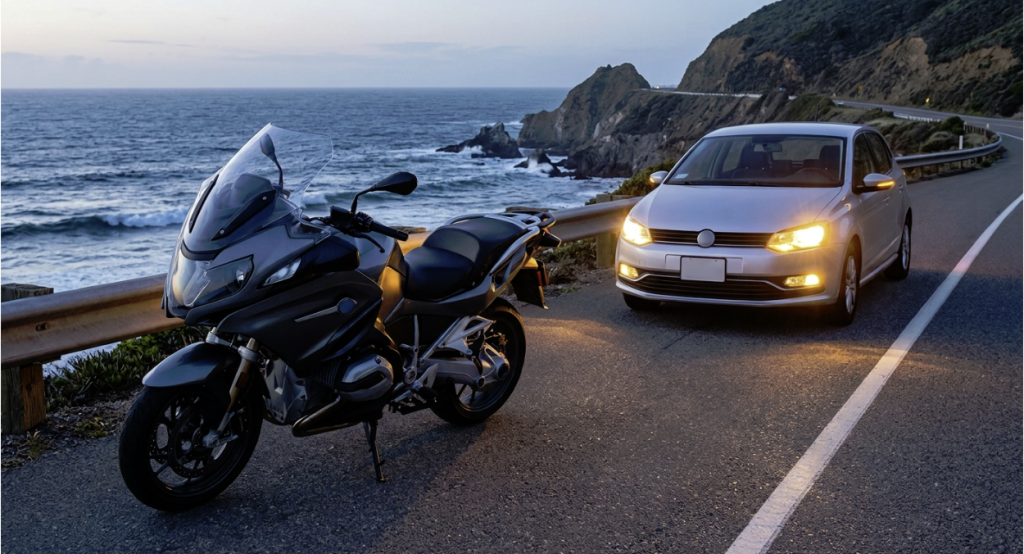
The specific type of transportation you use affects your immediate administrative responsibilities at the scene. Rental cars require you to contact the rental agency quickly to report the damage and understand their specific towing protocols. For those exploring scenic routes on two wheels, recovering from a crash requires a distinct set of priorities due to the inherent vulnerability of the rider.
Documenting the scene thoroughly is paramount because insurance companies frequently scrutinize two-wheeled accidents with greater skepticism. You need to gather physical evidence, photograph road conditions, and secure eyewitness contact details to establish a clear narrative of fault.
The nature of the accident also matters. If you suffer severe harm due to another driver’s negligence while riding rather than driving, understanding the legal steps after motorcycle crash injuries will help you protect your rights and seek proper financial recovery. Specialist support and advice should also be sought.
Gather Concrete Evidence and Document Everything
Never rely on verbal agreements or handshakes with the other driver when you are away from home. You need to collect specific pieces of data before leaving the scene to ensure your insurance provider has everything required to process the claim.
The following items are critical pieces of documentation you must gather at the scene:
- Full names, phone numbers, and driver’s license numbers of all operators involved
- Insurance policy numbers and the specific names of the insurance companies
- Exact geographic coordinates or notable landmarks identifying the crash site
Take extensive photographs of all vehicle damage, license plates, relevant road signs, and any visible skid marks on the pavement. If there are business security cameras or dashcams nearby, note their locations so your legal representative can request the footage later.
Handle Insurance Adjusters and Local Authorities
A formal police report is a foundational element for any travel-related accident claim. Even if local laws do not strictly require law enforcement to attend minor fender benders, you should still request an officer to file an official report. Obtain the officer’s name, badge number, and the incident report number before they leave the scene.
When communicating with your insurance provider or the rental company, stick strictly to the facts of what happened. Avoid using speculative language or apologizing for the incident, as representatives may misinterpret such statements as admissions of fault. Report the incident to your carefully chosen auto insurance provider and your travel insurance company within twenty-four hours to avoid missing strict notification deadlines.
Track All Expenses and Travel Disruptions
Vacation accidents introduce unique financial complications that go far beyond standard vehicle repair bills. You may face unexpected costs for canceled flights, non-refundable hotel bookings, alternative transportation, and emergency medical treatments. Keep all receipts, invoices, and booking confirmations organized in a dedicated digital folder, and use an expense-tracking app if possible.
Write a daily log of how the accident has affected your trip, including any missed excursions or physical limitations that disrupted your planned itinerary. These detailed records serve as vital proof if you need to seek compensation for economic losses and travel interruptions. Having a paper trail makes it much harder for insurance adjusters to dispute the financial reality of your situation.
Protecting Your Long-Term Recovery After a Vacation Crash
Navigating the aftermath of a road accident is challenging, but taking methodical steps protects both your health and your financial well-being. For more detailed insights on handling unexpected travel disruptions, insurance disputes, and protecting your rights while on the road, explore our other posts on these topics.
Author

Written by
Recent Posts

Jetsetter Style: Castello del Sole
The First Decision After a Collision Can Be the Most Important One
Two Weeks in Rome and Beyond: Turkish Airlines Itineraries from Boston, Chicago and Onward to India

Top 10 Hair Transplant Clinics in Turkey 2026

Artist Alley to Online Store: How Convention Artists Can Keep Selling After the Event
Categories
- Art
- Articles
- Business of Luxury
- Celebrities
- Culture
- Entertainment
- Events
- Faces of Summer 2026
- Fashion
- Fashion & Style
- Featured
- Finance
- Food, Spirits, Wine
- Hamptons
- Hamptons Celebrities
- Health
- Health & Beauty
- Lifestyle
- Luxury Lifestyle
- Press
- Profiles
- Real Estate
- Technology
- The Chronicles
- Travel
- Uncategorized
- Weddings