
The fragrance industry has matured from one that was purely focused on mass marketing and celebrity appeal to one that is all about personal fragrance expression and responsible consumption. The perfume industry has become enriched with higher fragrance variants as one approaches the year 2026. Through the lens of fragrance media, we set out to define the main luxury perfume brands whose creations help build perfume culture and drive perfumery innovation.
Defining the Leading Fragrance Houses of 2026
In this study, naming a front scent house for 2026 goes far beyond sales figures. We pursue the right mix of creativity, ethics, and timelessness across our client work. In the industry, leaders rely on four pillars: innovation, ingredients, brand story, and sustainability, or in other words, their true power.
Creativity and Scent Innovation
Top brands keep pushing creative limits. The perfumers are making much more than ordinary floral bouquets, including complex gourmand, molecular, and note mixtures. These elegant fragrances can spark a conversation. Perfume becomes a personal statement rather than an accessory with this artistry.
Sustainability and Ethical Practices
Today’s luxury brand has a responsibility to the planet and its people. We favor brands making eco-conscious decisions, whether that’s refillable packaging or natural ingredients sourced sustainably. We want them to demonstrate transparency in their supply chains and how they will reduce their footprint.
Consumer Connection and Brand Legacy
A truly top brand builds a following on consistent quality and engaging storytelling. It’s about how a brand manages to strike the right balance between achieving modern-day relevance while still retaining its heritage and soul of the past. This makes sure that something will remain classy while being trendy as well.
The Rise of Niche and Avant-Garde Fragrances
Vanguard Niche Brands Dominating the Conversation
Niche brands are the indie movies of the perfume world. They are more artistic than commercial and always first to start a trend. They concentrate on unique-looking fragrances and artisan craftsmanship rather than the mass market. This results in a personal and exclusive experience for the wearer.
The Evolution of ‘Skin Scents’
One of the biggest fragrance trends of 2026 is ‘skin scents,’ scented formulas designed to enhance your skin rather than cover it. Brands such as Phlur have aced this trick, using notes like ambrette, which smells like musk and offers a clean-skin feeling, and Iso E Super, a synthetic molecule that gives off a warm, woody, and slightly peppery nuance, and so on. These fragrances are personal ones that can only be noticed by those close to you.
Avant-Garde Gourmands: A Brand Spotlight
Disregard plain vanilla. The avant-garde gourmands of 2026 may be sophisticated and unexpected, but they’re pushing food notes into luxe territory. Envision alluring mixtures of spicy saffron, nutty pistachio, and rich matcha, mixed with powdered botanicals or woods. These fragrances smell delicious without being too fragrant or sweet. They are unique fragrances.
Why Choosing a Niche Perfume is the New Luxury
The charm of niche perfumery lies in its story and exclusivity. Finding a niche perfume is like discovering hidden treasure, while buying a widely available fragrance is a different experience. These brands tend to incorporate more unusual elements into their fragrances, like coffee and musks, while also adhering to a specific artistic vision. The result is a mood that gives consumers a strong sense of identity with their chosen scent.
Timeless Designs from Well-Known Fashion Labels
Even as niche players innovate, designer brands continue to hold power. These timeless icons exhibit leadership by adapting classic concepts and creating new pillars consistent with contemporary needs.
Chanel Sets the Standard for Timeless Style
Chanel continues to be a benchmark of classic elegance, presented in high-quality products. Over the years, it has done selective releases that have proved impactful. Chanel’s modern fragrances, like Les Exclusifs de Chanel, show the complex and high-quality compositions that consumers today have come to expect. They satisfy our desire for originality while still relying on the past.
Dior: The Meeting of Couture and Fragrance
Dior brings together couture and fragrance seamlessly. The perfumes are an extension of the fashion brand. The evolution of lines such as Miss Dior and J’adore reveals how the brand regularly freshens its crowd-pleasing scents. Through the introduction of new yet familiar faces, they can do just that.
Revamping of Azzaro Perfumes: A Case Study
Azzaro perfumes have been a brand with distinctive aromatic and woody scents for a long time, mainly for men. To strengthen the brand’s image and widen its appeal, Azzaro is changing for 2026. In new releases, the classic affordable fragrances have been adapted to introduce lighter and more versatile accords. For example, expect a fresh aquatic take on Chrome, and a modern chypre for women that is thankfully less sweet. This strategic evolution helps Azzaro connect with a new generation while also retaining its classic sophistication.
Perfume Brands Going Green: Adopting Sustainable Practices
Sustainability is not as niche as it once was. Consumers care about sustainability, and so do the top perfume brands. Leadership in 2026 will require action and transparency, not just green marketing.
Beyond ‘Chemical Free’: Ingredient Transparency
A perfumery ingredient that is labeled as “clean” shows ingredient transparency and a non-toxic promise. Brands like Henry Rose and By Rosie Jane have taken the lead to publicize their use of each ingredient and steer clear of parabens, phthalates, and other known carcinogens. This allows you to select what to put on your skin carefully.
Beauty Waste: Upcycled Ingredients in Fragrance
The most sustainable perfumes include upcycled ingredients. This approach makes use of by-products or waste from other industries. Examples are juice peelings, wood shavings, and even coffee grounds. Through this practice, brands take items that would otherwise have been thrown out and incorporate these into fragrances, making for an eco-friendly and highly resourceful industry.
How to Choose a Perfume That Matches Your Personality
Picking a signature scent is more than luck. It is a conscious choice that helps you find a scent that you connect with. This is how to handle it professionally.
Step 1: Learn About Scent Families
Get to know the different scent families first. Fragrances are categorized broadly:
- Floral notes of lily, rose, jasmine, etc.
- Oriental fragrances appear to be spicy or amber, which provide warm scents like vanilla, cinnamon, and patchouli.
- Woody fragrances are manifestations of earthy, rich smells like sandalwood, cedarwood, vetiver, etc.
- Bright, clean notes like citrus, aquatic accords, and green notes.
Determining your ideal family is the first step in narrowing down your options.
Step 2: Master the Notes’ Language
Scent develops with time, similar to a musical composition. You will meet:
- The light notes that you will smell first (lemon, bergamot).
- The ‘Heart Notes’ are the body of the fragrance, coming after the top notes fade (rose, jasmine, pepper, etc.).
- Base notes are the deepest and longest-lasting notes of the fragrance – vanilla, musk, cedar.
Allowing for an evolution of a fragrance is called the “dry down.” Give a fragrance at least 30 minutes on your skin to see where the story is headed.
Step 3: The Art of Sampling
Try not to ever judge a fragrance on a paper strip. Your unique skin chemistry will totally change the scent. Use a little bit on your wrist and let it evolve throughout the day. Many brands offer discovery sets, which are a great way to try many scents without breaking the bank on a full-size bottle.
Step 4: Think About Sillage and Longevity
- The duration of fragrance on the skin is longevity.
- Sillage refers to how far the scent projects from your body.
These factors are often concentration-related. Eau de Toilette (EDT) is lighter and wears off quickly, while Eau de Parfum (EDP) has longer longevity and projection. Determine the type of performance you want for different occasions.
The Skill of Buying Perfume: In-Store and Online Tips
Once you know what scent you like, it’s time to purchase it. If you’re looking for yourself or a loved one, you have several options, each with unique benefits.
The Department Store Experience
You can test many popular scents at department stores that carry a range of designer brands. What’s the downside? They can get too much. To successfully navigate your visit, go during non-peak hours, concentrate your attention on one or two brands at any point in time, and never test more than three scents on your skin on the same visit. It’s time to take a coffee break to neutralize the nose before you can take more samples.
The Benefit of Going to a Special Perfume Shop
Specialized perfume and cologne shops are indispensable for a more curated experience. Boutiques typically comprise knowledgeable staff that guide you through unique selections and recommend choices based on experience. While many are known for their masculine offerings, these shops cater to all genders looking for unique, high-quality fragrances that are not mainstream. The employees can tell you the origin and the composition of a scent.
How to Identify and Stay Away from Counterfeits
Counterfeits are one sad aspect of the online market. Stay Alert. If a deal appears too good to be true, it probably is. Real perfumes have good quality packaging with perfect cellophane wrapping. The batch codes on the box and bottle should match. To ensure authenticity, always buy from authorized retailers, brand websites, or reputable cologne shops. Fake colognes can contain dangerous ingredients and will not smell right.
The Future of Perfume: AI, Personalization, and More
The future of the fragrance industry lies in top-notch technology and revolutionary ideas. This futuristic view highlights key fragrance professionals for the year 2026.
Scent Creation With AI
AI is already analyzing massive data around fragrance preferences, ingredient combinations, and consumer reviews. It helps AI recognize upcoming scents and predict the future. Several scent houses are teaming with tech firms to develop AI-generated streams, the results of which are creating unusual scent profiles like a perfume called “403 Forbidden” by Fragrant Light.
Perfume Personalized Just for You
Picture a scent specifically formulated for your DNA, lifestyle, and mood. The manifestation of a signature fragrance is hyper-personalization. Brands are using sophisticated quizzes, biometric information and even responses to personalize individual scents for a person. This tailored approach guarantees a scent adventure like no other, and one that is all yours.
Author

Written by
Recent Posts
The First Decision After a Collision Can Be the Most Important One
Two Weeks in Rome and Beyond: Turkish Airlines Itineraries from Boston, Chicago and Onward to India

Top 10 Hair Transplant Clinics in Turkey 2026
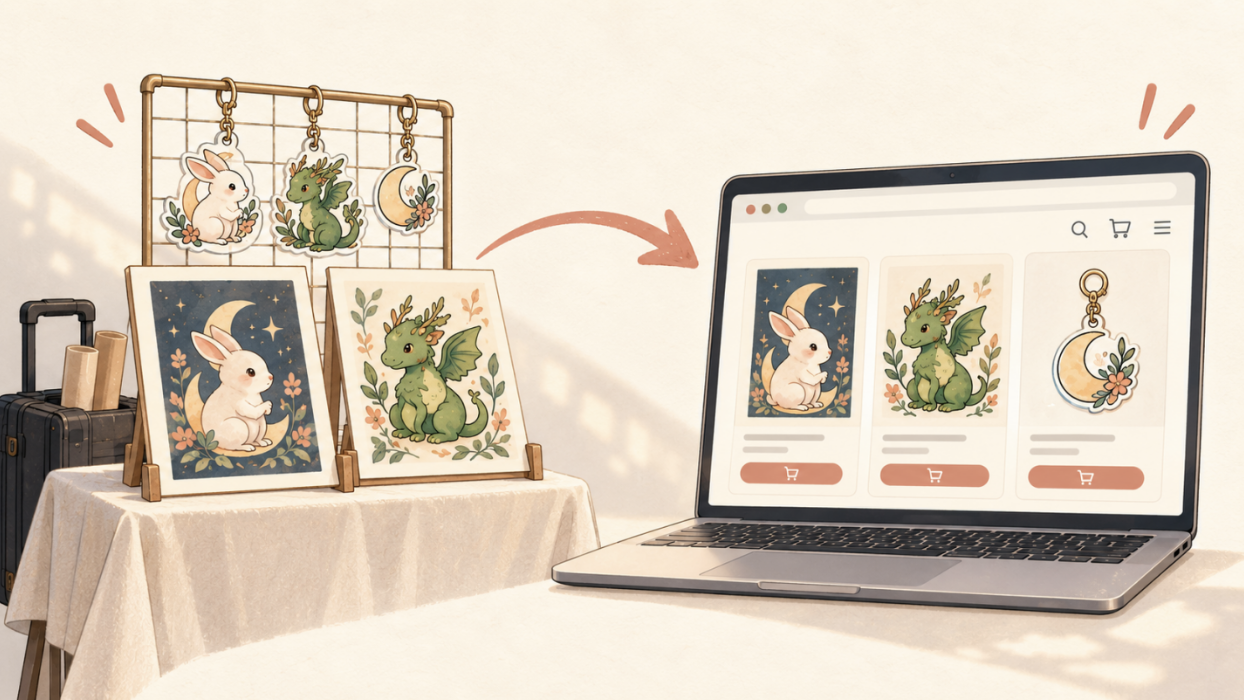
Artist Alley to Online Store: How Convention Artists Can Keep Selling After the Event
When an 18-Wheeler Crash Leaves Lasting Consequences
Categories
- Art
- Articles
- Business of Luxury
- Celebrities
- Culture
- Entertainment
- Events
- Faces of Summer 2026
- Fashion
- Fashion & Style
- Featured
- Finance
- Food, Spirits, Wine
- Hamptons
- Hamptons Celebrities
- Health
- Health & Beauty
- Lifestyle
- Luxury Lifestyle
- Press
- Profiles
- Real Estate
- Technology
- The Chronicles
- Travel
- Uncategorized
- Weddings