
Luxury sports travel used to follow a familiar formula: secure a coveted ticket, book the best available hotel and arrange a car to the venue. The event was the centre of the experience, while almost everything around it was treated as logistics.
That formula is changing.
Today’s sports traveller increasingly wants the entire getaway to carry the energy of the occasion. The accommodation, social spaces, dining, fitness and post-game downtime should feel connected to the reason for travelling.
Sports Illustrated Resorts is building its identity around that shift. Rather than treating sport as a decorative theme, the brand is creating a travel and vacation-club proposition designed for fans who want game day to become part of a broader lifestyle.
The stadium is only the beginning
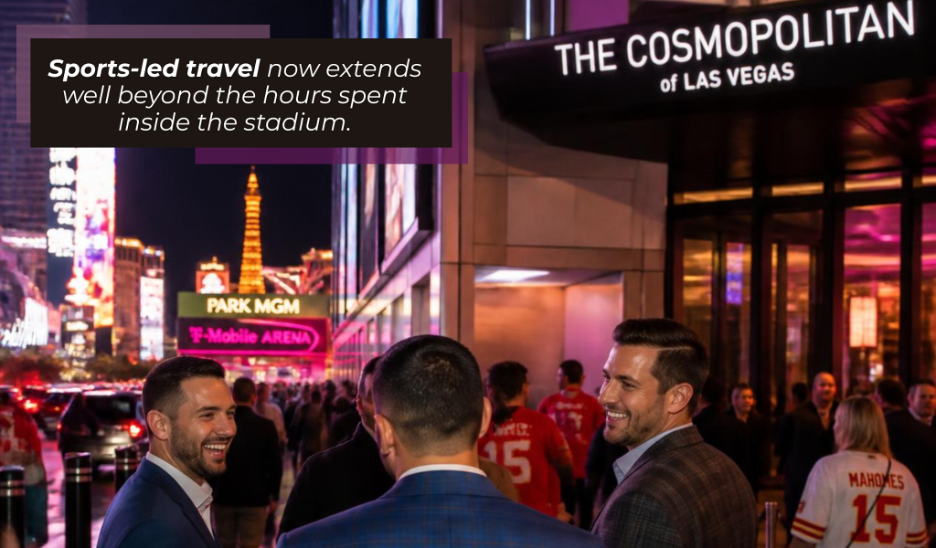
Major sporting events have always created their own social worlds. The Kentucky Derby is as much about hospitality and tradition as the race itself. Polo weekends bring together competition, fashion and conversation. Championship games turn entire neighbourhoods into gathering places.
Our coverage of Polo Hamptons reflects this relationship between sport and society. The attraction is not limited to what happens on the field. It includes who attends, where they gather and how the occasion continues between matches.
Sports Illustrated Resorts applies a similar idea to travel. Its properties are intended to give fans a place to celebrate, connect and recharge, with sports culture informing the environment rather than appearing as an afterthought.
The brand’s current destination platform highlights Chicago and Nashville, two cities where sport sits alongside dining, entertainment and distinctive local culture. Its development pipeline also identifies Baton Rouge and Tuscaloosa as future destinations, positioning the portfolio around cities with strong sporting traditions.
This makes the stay more than a convenient bed near a venue. It becomes part of the story of the weekend.
Stays designed around the rhythm of sport
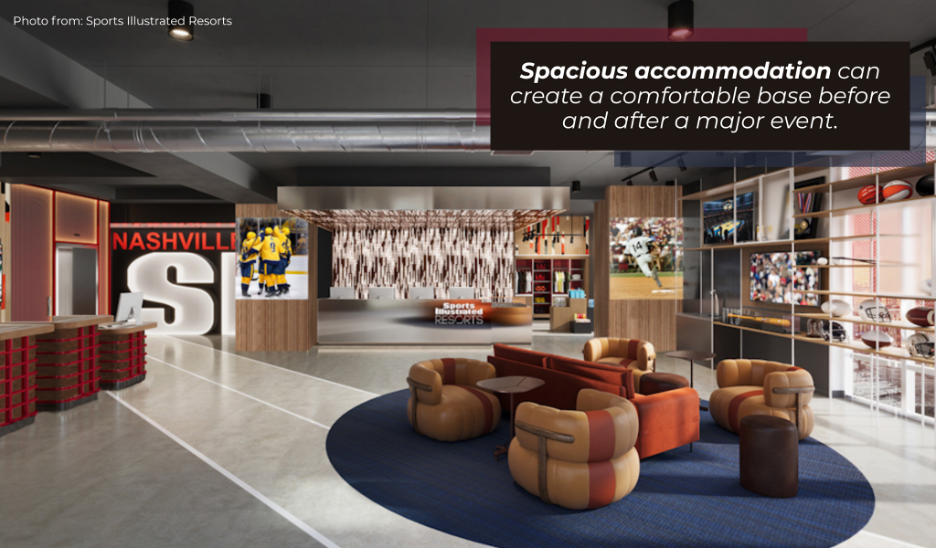
A sports getaway has its own rhythm. There may be an early start, several hours of anticipation, a crowded journey to the venue and a late return after the final whistle. Travellers need a base that works before, during and after the action.
Sports Illustrated Resorts Chicago is positioned in the city’s Loop, giving guests access to downtown attractions as well as transport connections to venues including Wrigley Field, Soldier Field and the United Center. The listed facilities include a fitness centre, café, Wi-Fi and family-friendly accommodation.
The Nashville concept places guests near Music Row, Vanderbilt University, live entertainment and the city’s professional and college sports calendar. The brand describes a choice of studios and one-bedroom and two-bedroom suites, alongside sports-focused social spaces such as the Trophy Lounge and The Outfield Pool.
That combination matters when several generations or groups of friends travel together. A couple attending a game may want a compact urban base. A family following a college team may value separate sleeping areas, shared living space and somewhere to regroup before heading out again.
The sports connection also extends into the resort environment. Sports Illustrated Resorts highlights signature spaces including the Hall of Champions and SI Fit, as well as game-day gatherings and selected branded events.
The goal is not to compete with the spectacle inside the stadium. It is to keep the sense of occasion alive without sacrificing comfort.
Membership creates a wider travel playbook
Social Life Magazine recently examined why luxury memberships are becoming less traditional. Modern members increasingly expect useful access, flexibility and experiences that fit their actual lives, rather than a prestigious card with limited practical value.
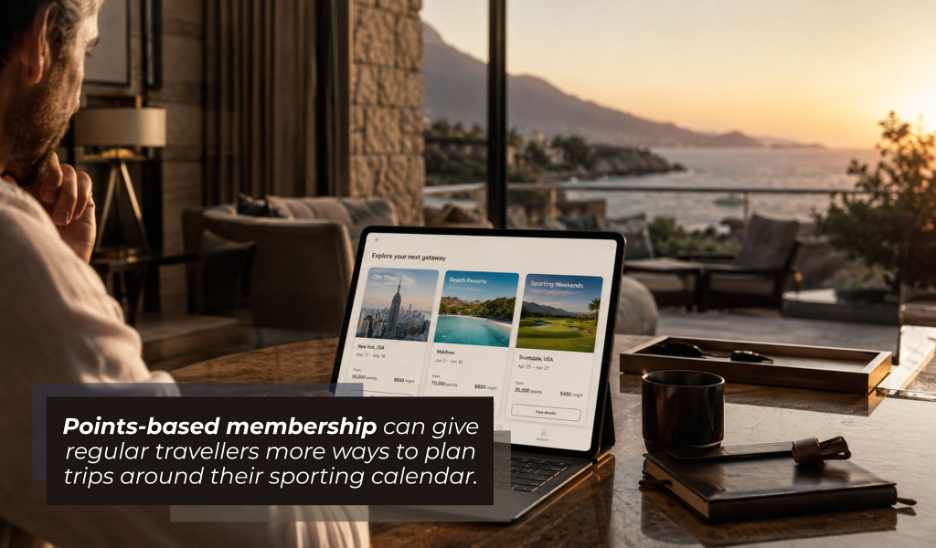
That is the context for Sports Illustrated Resorts club membership. It is structured as a points-based vacation ownership programme, with members referred to as MVPs. Points are used to reserve stays according to factors such as resort, season and accommodation size. They are connected to an ownership interest and do not have a separate intrinsic cash value.
The programme reaches beyond the core Sports Illustrated Resorts portfolio. Varsity Pass currently promotes access to more than 45 Club Wyndham resorts, including urban and coastal destinations. RCI Exchange provides another route to thousands of participating resorts internationally, subject to the relevant exchange rules, fees and availability.
For sports travellers, that broader network can be useful. One trip might be built around a rivalry weekend in a city. Another could combine a golf event with several days at the coast. A family might follow an important tournament with a quieter resort stay.
Membership also includes access to a travel-agency service for arranging flights, cars and activities. The listed benefits currently include a VIP ticket concierge intended to help members source premium seats for games and events, along with partner offers and travel-related discounts.
These services do not remove the need to plan ahead. Premium tickets and desirable accommodation remain subject to availability, while points, booking windows and transaction rules vary. The benefit lies in bringing more parts of the sports getaway into one travel ecosystem.
The new luxury is a well-orchestrated weekend
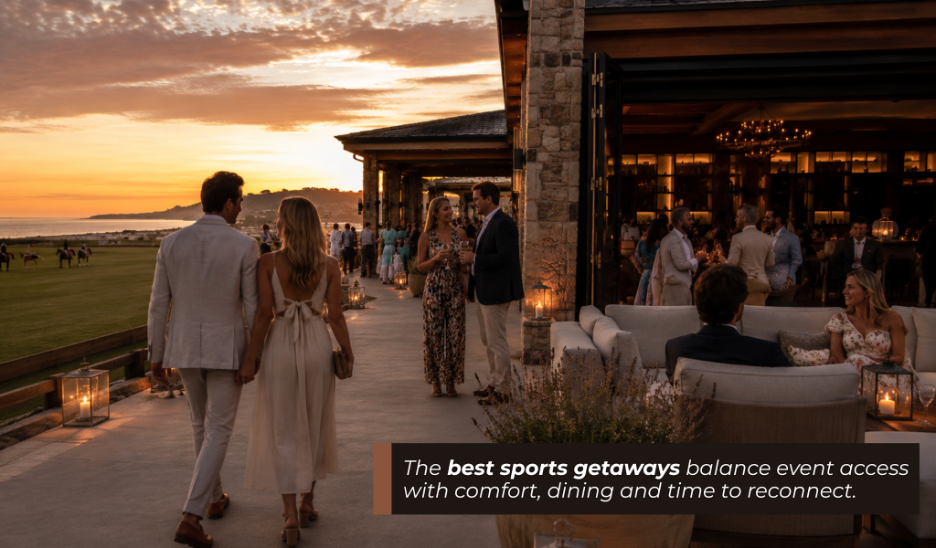
The modern luxury traveller is not necessarily looking for more formality. Increasingly, the priority is a trip that feels effortless without feeling impersonal.
This is especially important around sport, where timing can be unpredictable and emotions run high. A well-planned stay allows guests to meet before the game, travel together, celebrate afterwards and still have space to slow down the following morning.
It also makes the getaway more inclusive. Not every member of a family or group will want to attend every event. A central resort, flexible accommodation and access to local activities allow non-ticket holders to enjoy the destination on their own terms.
Wellness tourism is becoming a priority for affluent travellers. For a sports-led weekend, that may mean a morning workout, time by the pool or simply an unhurried day after a late-night game.
The result is a more complete experience. The ticket may still provide the defining moment, but it no longer has to carry the entire value of the trip.
Who is the Sports Illustrated Resorts model for?
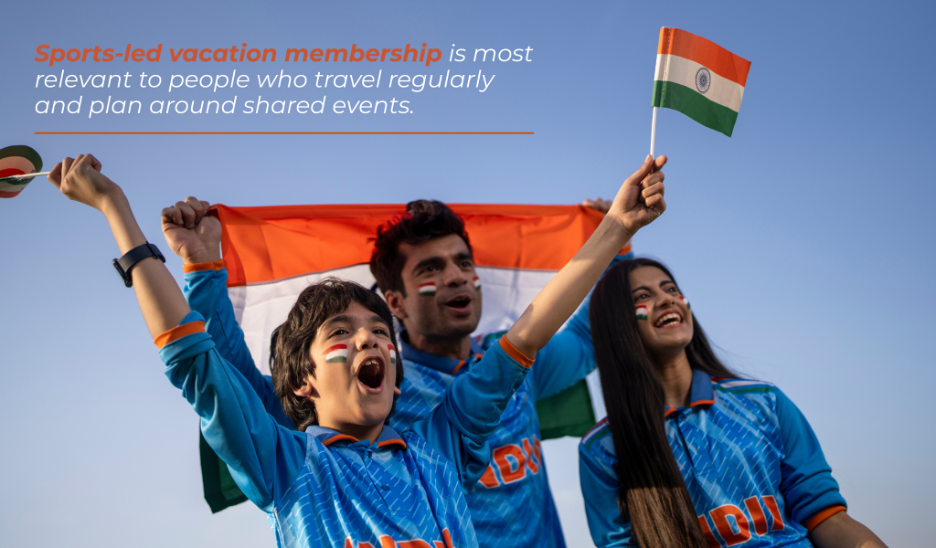
The concept is likely to resonate most with regular travellers who already use sports as a reason to gather.
That could mean parents returning to a college town each season, friends organising an annual championship weekend or families using a major game as the centrepiece of a longer vacation. The points model may also appeal to members who want to alternate between event-led city stays and more traditional resort trips.
As with any vacation ownership product, prospective members should examine the purchase price, ongoing fees, booking windows, point expiry rules and available destinations before joining.
The value will depend on how closely the programme matches the way they already travel.
Sports Illustrated Resorts is ultimately making a clear proposition: sports culture should not end at the stadium gate. It can shape where travellers stay, how they spend time together and the traditions they build around the games they love.
For fans who see travel and sport as part of the same lifestyle, that may be the most compelling benefit of all.
Author

Written by
Recent Posts

The First Decision After a Collision Can Be the Most Important One
Two Weeks in Rome and Beyond: Turkish Airlines Itineraries from Boston, Chicago and Onward to India

Top 10 Hair Transplant Clinics in Turkey 2026
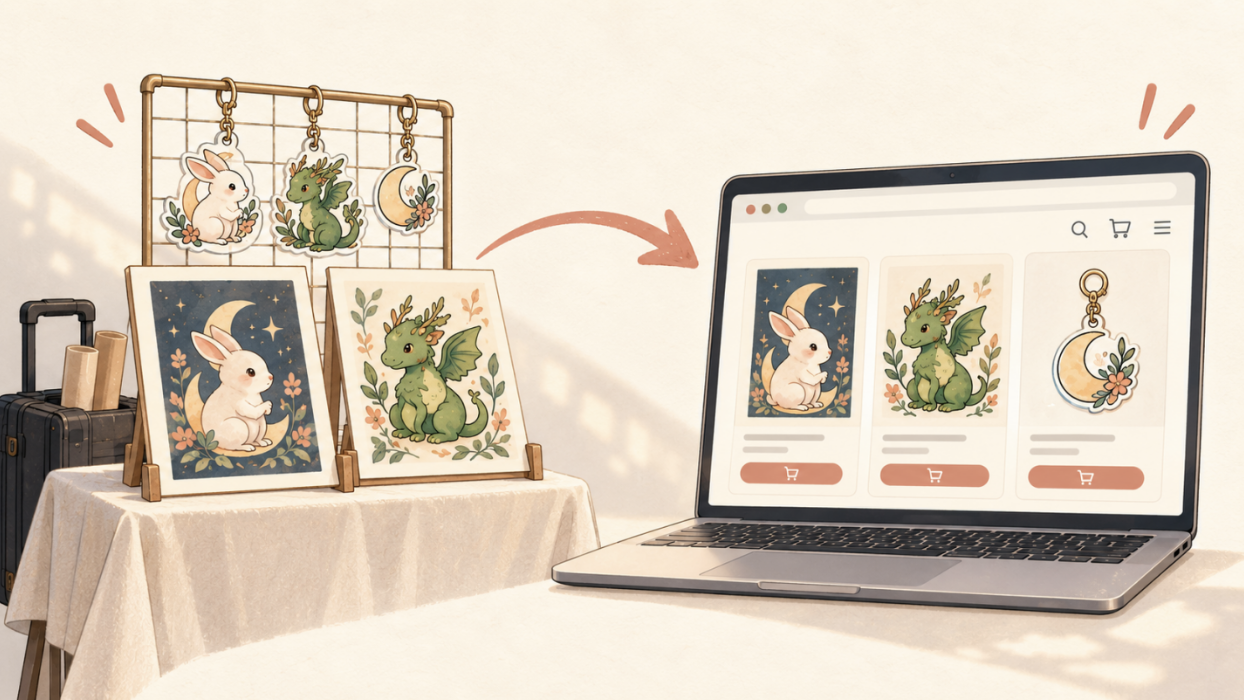
Artist Alley to Online Store: How Convention Artists Can Keep Selling After the Event
When an 18-Wheeler Crash Leaves Lasting Consequences
Categories
- Art
- Articles
- Business of Luxury
- Celebrities
- Culture
- Entertainment
- Events
- Faces of Summer 2026
- Fashion
- Fashion & Style
- Featured
- Finance
- Food, Spirits, Wine
- Hamptons
- Hamptons Celebrities
- Health
- Health & Beauty
- Lifestyle
- Luxury Lifestyle
- Press
- Profiles
- Real Estate
- Technology
- The Chronicles
- Travel
- Uncategorized
- Weddings