
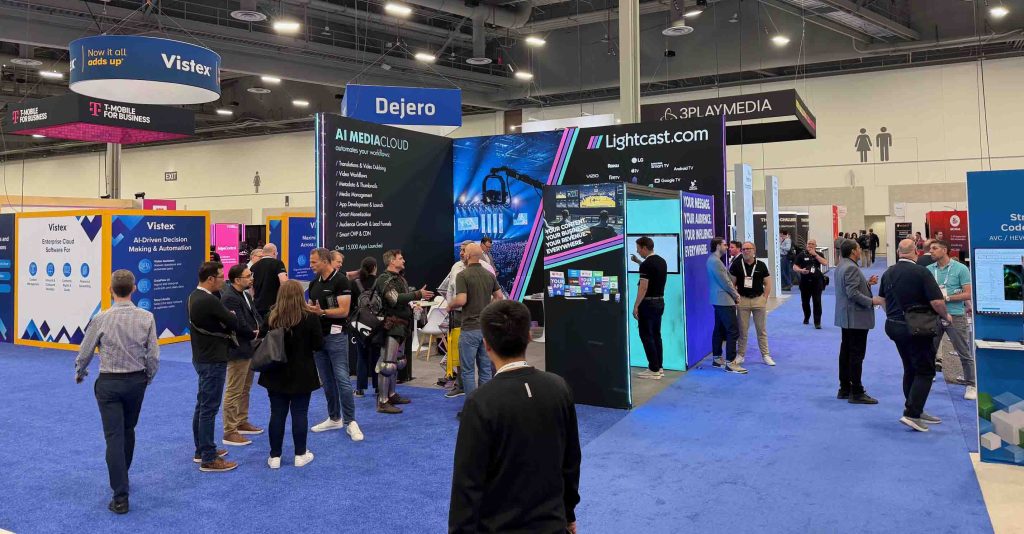
Exhibitions and trade shows have evolved far beyond traditional product displays. Today, brands are using physical spaces to communicate their identity, connect with audiences, and create memorable experiences.
As digital channels become increasingly competitive, face-to-face experiences remain an important way for companies to build relationships with customers and partners.
Modern exhibition design combines creativity, technology, and strategic planning to transform temporary spaces into meaningful brand environments.
Industry Snapshot: Key Trends Shaping Exhibition Design
| Industry Trend | How It Is Influencing Modern Exhibitions |
| Experience-driven design | Brands are moving beyond product displays and creating spaces that encourage interaction and engagement. |
| Visual storytelling | Exhibition environments increasingly use layout, graphics, and lighting to communicate brand identity. |
| Flexible solutions | Companies are seeking adaptable display systems that can support different events and locations. |
| Sustainable practices | Businesses are paying more attention to reusable and efficient exhibition solutions. |
According to industry research from organizations such as CEIR and UFI, exhibitions continue to play an important role in business marketing strategies, particularly for companies seeking direct engagement with customers and industry partners.
From Booths to Brand Experiences
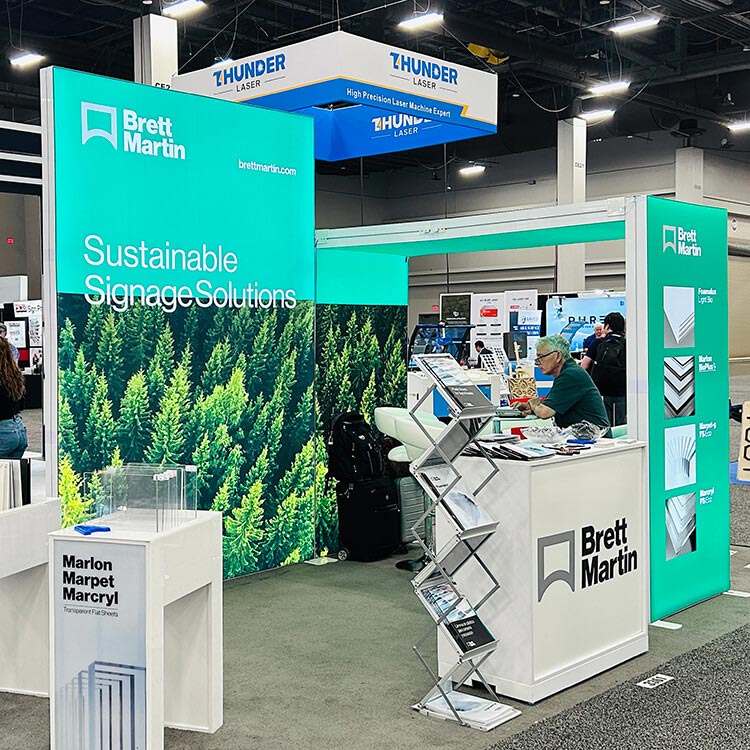
Traditional exhibition spaces were mainly designed for product presentation. Today, brands view their exhibition environments as extensions of their identity.
A successful space needs to attract attention, communicate a clear message, and encourage meaningful interaction.
Modern trade show booths are designed with these goals in mind, combining visual creativity with practical functionality.
The Power of Lighting in Modern Exhibition Design

Lighting has become one of the most important elements in creating effective exhibition environments.
In crowded venues, brands need solutions that help them stand out while maintaining a professional appearance. Lighting can improve visibility, highlight key areas, and create a stronger emotional connection with visitors.
This is why backlit displays have become increasingly popular among companies looking to create clean and visually impactful spaces.
Beyond trade shows, similar lighting concepts are also influencing retail environments, corporate spaces, and experiential marketing.
Flexible Design for Changing Business Needs
Companies today participate in multiple events across different markets, making flexibility an important consideration.
Modern exhibition solutions need to support:
• different booth sizes;
• multiple event formats;
• consistent brand presentation;
• efficient setup and transportation.
Rather than creating a completely new design for every event, brands are increasingly looking for systems that provide long-term value and adaptability.
Building Long-Term Brand Value Through Design
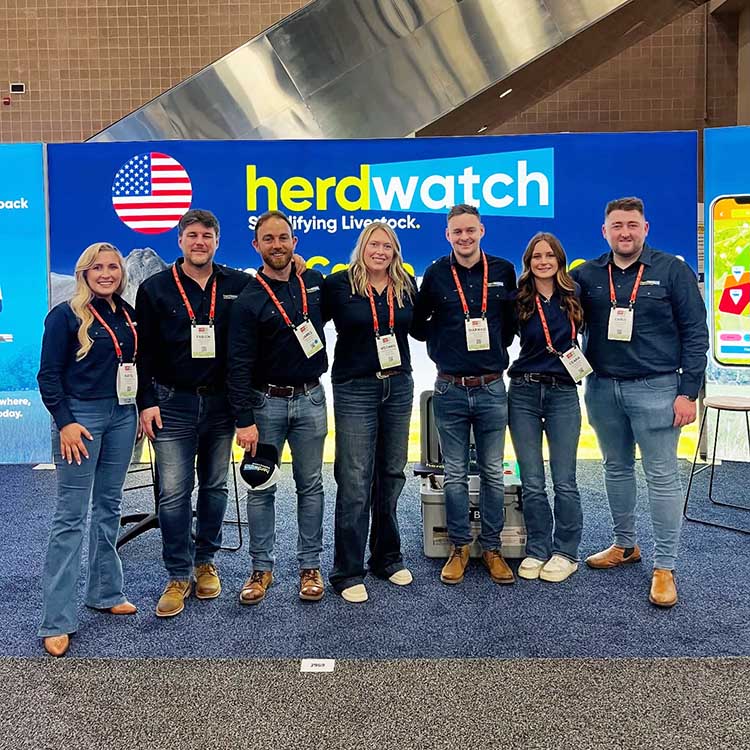
Exhibition design is no longer only about creating an attractive space. It is about creating an environment where customers can understand and connect with a brand.
Successful exhibition strategies combine:
• strong visual identity;
• thoughtful visitor experience;
• practical functionality;
• consistent brand communication.
Companies such as Frame Plus are helping businesses create flexible exhibition environments designed for modern events and brand experiences.
Conclusion
The future of exhibition design will continue moving toward more immersive and experience-driven environments.
As brands compete for attention in increasingly crowded markets, physical spaces remain a powerful way to create meaningful connections and lasting impressions.
Author

Written by
Recent Posts
What Goes Into Planning a Professional Furnace Installation?
Why Sports Card Collecting Is More Than Just a Hobby
From Signature Scents to Scent Wardrobes: The Evolution of Personal Fragrance
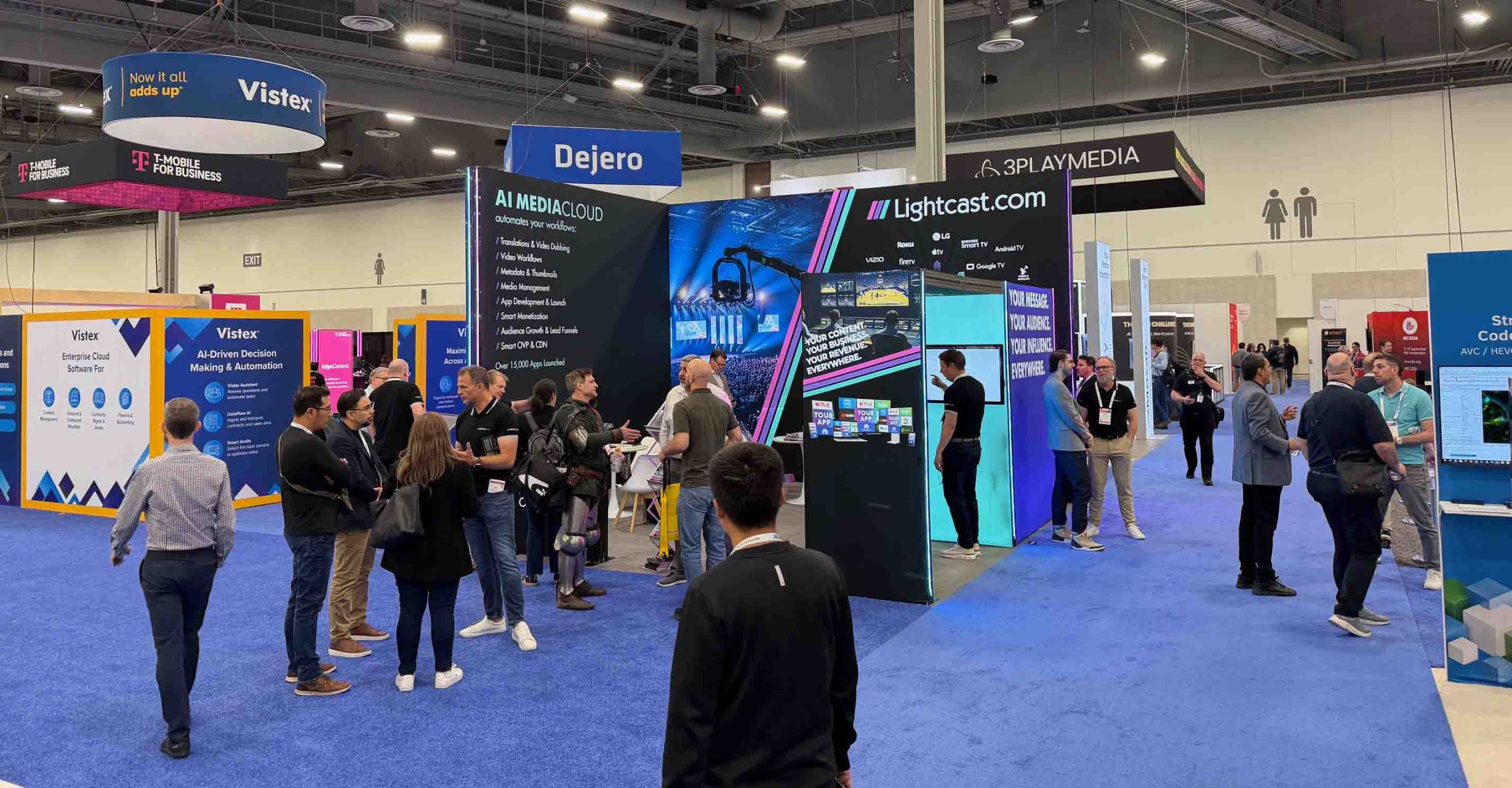
Beyond the Booth: How Exhibition Design Is Creating New Brand Experiences
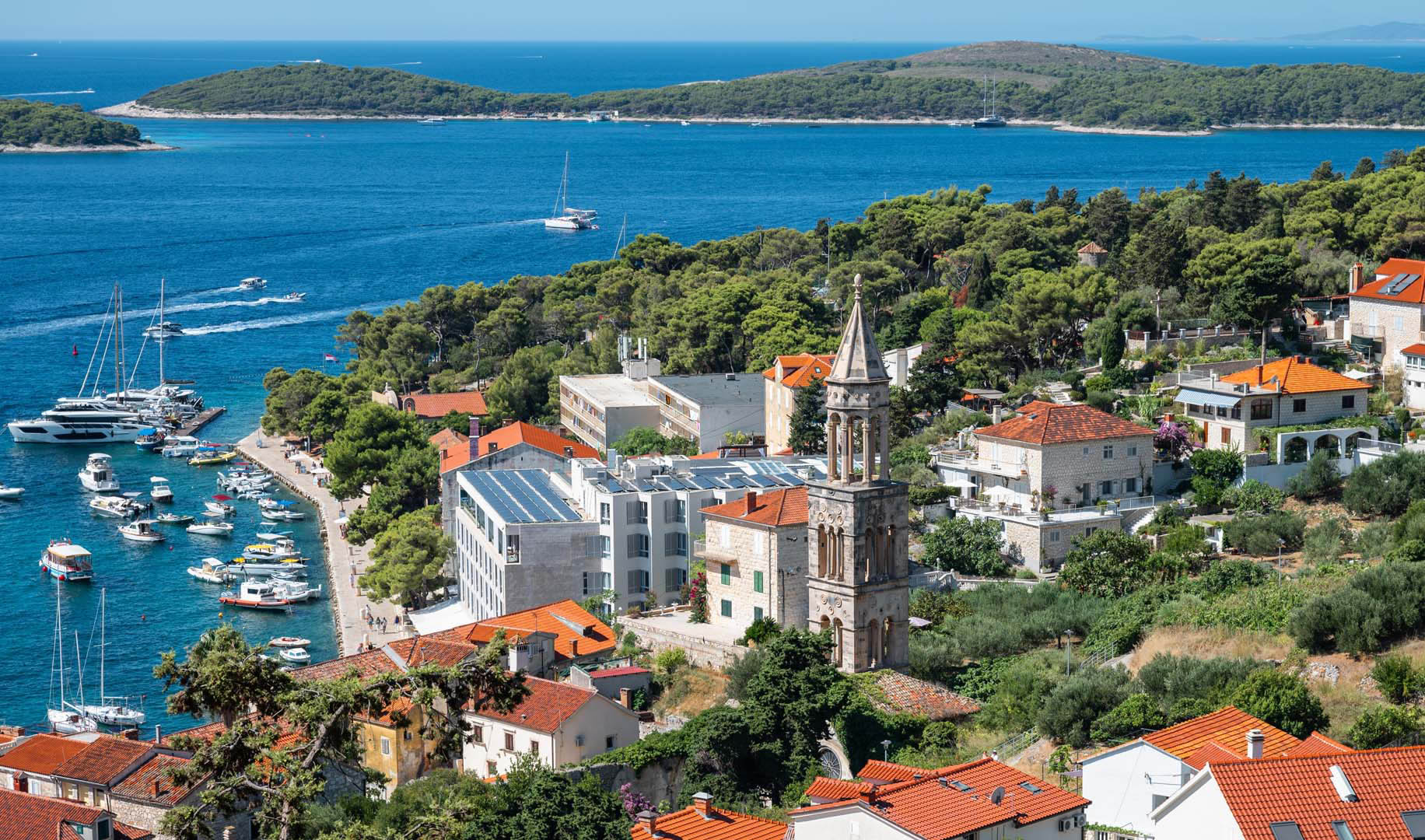
Trading the Hamptons for Hvar: A Summer on Croatia’s Most Glamorous Island
Categories
- Art
- Articles
- Business of Luxury
- Celebrities
- Culture
- Entertainment
- Events
- Faces of Summer 2026
- Fashion
- Fashion & Style
- Featured
- Finance
- Food, Spirits, Wine
- Hamptons
- Hamptons Celebrities
- Health
- Health & Beauty
- Lifestyle
- Luxury Lifestyle
- Press
- Profiles
- Real Estate
- Technology
- The Chronicles
- Travel
- Uncategorized
- Weddings