
Juggling the logistics of an ordinary week (confirming the beach house for August, sorting out the RSVP for your friend’s engagement dinner) leaves most people running on autopilot, handing their real phone number to a dozen strangers without a second thought. It is an insignificant, automatic action that does not raise any alarm bells until spam calls begin three weeks later from that rental company. A growing number of people have quietly solved this by keeping their personal line for personal people, and using something like temp numbers at GetTempNumber for everything else that simply requires a way to be reached, not a way to be known.
Why Your Phone Number Deserves the Same Protection as Your Address
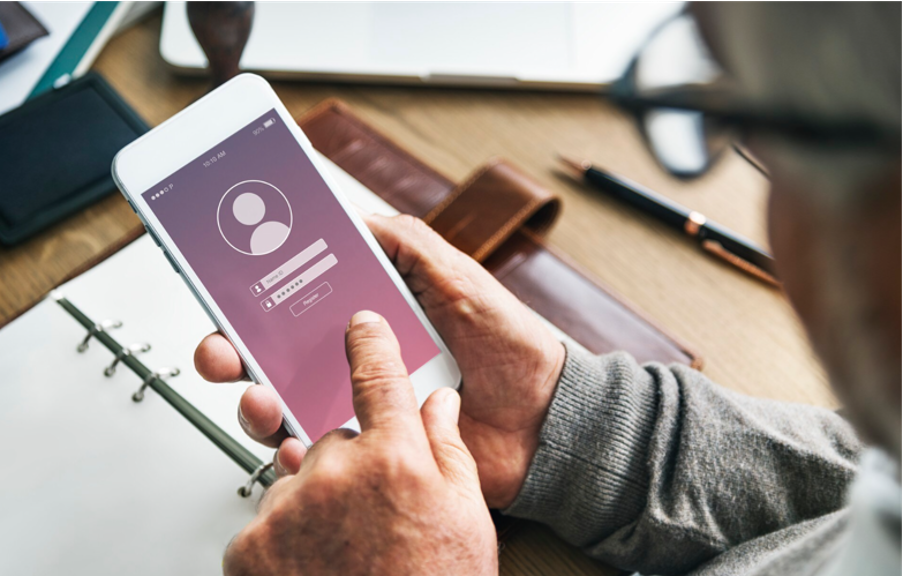
No one would put their personal address on a public signup form, but a phone number is seen as just another item of disposable information that gets typed away into booking sheets and guest lists. The truth is, a phone number is a direct line to you. It can be searched, bought, and cross-referenced with other data. In the wrong hands, that combination can reveal far more about you than you’d ever choose to share yourself.
Where Your Number Actually Ends Up
Before deciding what to protect, start by looking at where the number actually goes:
- Vacation rental websites, where both hosts and sometimes co-hosts or managers have access to the phone numbers of previous guests even after the check-out date.
- Event RSVPs, especially those with large groups where the guest list is circulated among the caterers or planners.
- On-demand apps for various services, including private chefs and cleaners, who keep phone numbers long after one reservation.
- Delivery and courier services, where phone numbers are associated with an address for many months and even years.
None of these are inherently careless services – it’s simply how the current booking ecosystem is built.
The Case for a Temporary or Virtual Number
Temporary numbers serve a specific but valuable purpose: they let bookings, forms, and one-off vendors reach you without permanently tying that contact to your main phone number. When the transaction is completed, the number is then retired, and any databases containing the information become a dead end for the person. There are different lengths of time and efforts needed by each service, making it an option based on circumstance:
| Option | Best For | Privacy Level | Typical Effort |
| Personal number | Close contacts, emergencies | Low (fully exposed) | None |
| Temporary/virtual number app | One-off bookings, forms, rentals | High | Minimal setup |
| Secondary phone line | Ongoing business or freelance use | Medium-High | Moderate setup |
| Prepaid burner phone | Rare, high-caution situations | Very high | Higher effort/cost |
For most weekend bookings and event RSVPs, a temporary number covers the need without the commitment of a whole second device.
Practical Habits Beyond the Number Itself
A temporary number solves one part of the picture, but a few other habits round out the approach nicely:
- Use an additional e-mail address for one-time bookings, distinct from the e-mail linked to bank accounts or personal communication.
- Disable the auto-fill function for phone and address inputs when using a communal/public computer; do not allow anything to be filled out without thought.
- Read through the privacy policy of a new rental or event-hosting website before listing your number, especially the part dealing with third-party information sharing.
- Contact the organizers of an event directly to inquire about guest contact information usage and retention period.
None of these requires much extra time, and together they shrink the footprint left behind by a single busy season of bookings.
When You Might Still Need to Share Your Real Number
None of this is an argument for hiding a real number in every circumstance – some situations genuinely call for it. Your real phone number might be needed for:
- People who need your contact in case of an emergency about, for instance, your children or elderly relatives.
- Professionals who have verified their businesses – a clinic, a bank, or a lawyer’s firm – where verification of your identity is important, and a temporary number might make the process slower.
The idea has never been to become totally invisible. It has simply been about being more selective about who gets access to your phone number. Making a reservation, sending a text from the caterer, or accepting an RSVP will rarely require it. Being as careful with your cell number as you once were with your home address is a simple habit, and it buys you a surprisingly long stretch of peace and quiet.
Author

Written by
Recent Posts

hiTechMODA Season 16
How to Keep Your Personal Number Private When Booking Events, Rentals and Services
Understanding Compensatory Damages in a Personal Injury Case

When Online Family Therapy Makes Sense for Modern Families

Carrier Oils, Essential Oils, and Oil Blends: What Beauty Brands Need to Know
Categories
- Art
- Articles
- Business of Luxury
- Celebrities
- Culture
- Entertainment
- Events
- Faces of Summer 2026
- Fashion
- Fashion & Style
- Featured
- Finance
- Food, Spirits, Wine
- Hamptons
- Hamptons Celebrities
- Health
- Health & Beauty
- Lifestyle
- Luxury Lifestyle
- Press
- Profiles
- Real Estate
- Technology
- The Chronicles
- Travel
- Uncategorized
- Weddings