
A bedroom can look beautiful and still work against sleep. Floor-to-ceiling windows may let in streetlight at night, layers of heavy bedding can trap heat, and a perfectly styled room can still carry the visual noise of work, screens, and unfinished tasks.
Designing for better sleep is less about adding more “sleep products” and more about controlling what reaches you at night. Light needs to become softer. The room and bedding need to let heat escape. Noise should be reduced before it reaches the bed. The space should also make it easier to move from the pace of the day into a quieter evening.
That is a useful way to think about luxury sleep. A better bedroom gives you more control over the environment without making bedtime more complicated.
Design the Lighting Around Day and Nigh
A bedroom should not have the same lighting at 8 a.m. and 10 p.m. Natural daylight is useful during the day, while the final part of the evening usually needs much less light.
Layered lighting makes that transition easier. Bright overhead fixtures can still be useful for dressing or cleaning, but bedside lamps, wall sconces, and lower-level lighting are better suited to reading or winding down. You do not need to sit in darkness. You simply need enough control to stop using the brightest light in the room when you no longer need it.
Window treatments matter for the opposite reason. Streetlights, security lights, illuminated buildings, and early morning sun can make a bedroom brighter than expected. Blackout curtains or well-fitted shades give you better control at night, while still allowing you to open the room fully to daylight in the morning.
Small electronic lights are easy to overlook. Charging docks, television standby lights, alarm clocks, and air-purifier displays can leave several bright points in direct view of the bed. One tiny LED is unlikely to decide whether you sleep well, but there is little reason to keep unnecessary light where it can be seen all night.
A good lighting plan therefore does not make the bedroom permanently dark. It lets the same room feel bright during the day and noticeably quieter after sunset.
Temperature and Bedding Need to Work Together
Sleep is closely tied to body temperature. As bedtime approaches, core temperature normally begins to fall. A room that stays too warm, or a bed that traps too much heat, can make that process harder.
The thermostat is only part of the solution. Mattress materials, toppers, bedding, sleepwear, humidity, and airflow all affect the small climate that forms around the body during the night. A bedroom can feel cool when you first walk in and still become uncomfortable once you have been under the covers for an hour.
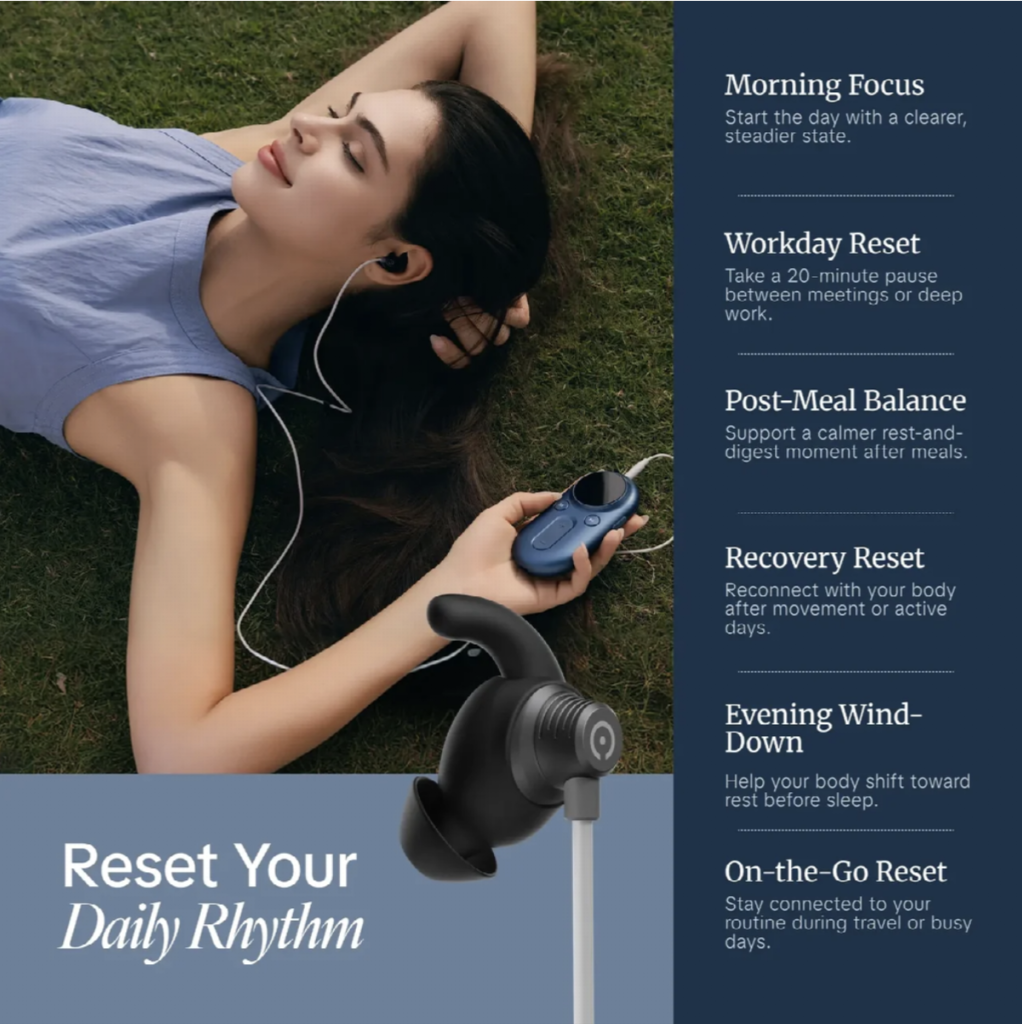
For people building a broader sleep setup, some smart sleep device options are designed to support a specific relaxation or recovery routine. That type of technology makes more sense once the basic environment is already working. A device should add a useful function, not compensate for a room that is still too hot, bright, or uncomfortable.
Bedding is often the easiest part to adjust. A heavy duvet may feel luxurious in winter and become a problem in warmer weather. Dense foam can retain heat, while some mattress protectors and synthetic fabrics can make moisture feel more noticeable. Layering lighter blankets gives you more flexibility than relying on one heavy cover throughout the year.
| If this keeps happening | Check this part of the bedroom |
| You wake up and push the covers away | Bedding weight and room temperature |
| The mattress feels warm even when the room does not | Mattress, topper, and protector materials |
| The room feels sticky rather than simply warm | Humidity and airflow |
| The bedroom stays hot after sunset | Afternoon sun exposure, shading, and pre-bed cooling |
There is no single perfect bedroom temperature for everyone. Clothing, bedding, humidity, age, and personal preference all change thermal comfort. A simpler test is whether you can stay under the covers without waking because you feel too warm or repeatedly searching for a cooler part of the bed.
A Good Bedroom Makes Winding Down Easier

The bedroom also influences what happens before sleep. A dark and comfortable room can still feel mentally busy if it contains an open laptop, unfinished work, several bright screens, and visual reminders of everything that needs to happen tomorrow.
A better layout gives the evening somewhere to slow down. That might be a chair for reading, a low lamp beside the bed, a small area for stretching, or simply enough separation between the bed and a workspace. For people exploring vagus nerve stimulation for sleep, the same principle applies: a session-based device should fit into an existing wind-down period rather than turn bedtime into another technology routine.
If a desk has to remain in the bedroom, it helps when work can visually disappear at the end of the day. Close the laptop, put papers away, and avoid arranging the room so the desk becomes the first thing you see from bed. Storage is useful here because it lets the room change character without requiring a completely separate home office.
Phone placement is another design choice worth making deliberately. Keeping the phone on the pillow or bedside table makes it very easy to check one more message, read one more headline, or reopen work. Charging it across the room, or giving it a fixed place away from the bed, adds a small amount of friction without requiring an elaborate digital-detox routine.
The same standard should apply to any sleep technology. A tracker can be useful when it reveals a pattern. A relaxation device may support a defined part of the evening. Neither should create more checking, more settings, or more attention around whether you are “sleeping correctly.”
Luxury in this part of the bedroom is not about adding more objects. It is about making the transition from activity to rest feel easier and more automatic.
Reduce Noise Before You Try to Mask It
A bedroom does not need complete silence. Sudden and unpredictable noise is usually more disruptive than a steady background sound.
Traffic, aircraft, voices in another room, elevators, plumbing, and early morning landscaping can interrupt sleep even when you do not remember fully waking. If outside noise is a regular problem, the first question is how much of it can be blocked before it reaches the room.
Windows are often the weak point in bedrooms exposed to road or aircraft noise. Better seals, heavier glazing, and properly fitted frames can make a larger difference than adding another decorative layer inside the room. Gaps around doors can also carry voices, televisions, and household activity more easily than expected.
Soft materials help with the sound that remains inside the room. Rugs, curtains, upholstered furniture, and fabric wall treatments reduce hard reflections, making footsteps and voices feel less sharp. They will not soundproof a poorly insulated wall, but they can make an already quiet space feel calmer.
Sound machines can be useful when there is a specific intermittent noise to mask. A steady sound may make passing traffic or hallway activity less noticeable. Research on white noise as a general sleep aid is mixed, however, so there is little reason to add it to a bedroom that is already quiet.
The better approach is to identify the actual source of disturbance and solve that problem as directly as possible.
Better Sleep Design Is Mostly About Better Control
A sleep-friendly bedroom does not have to look clinical or minimalist. It can still have bold art, rich fabrics, statement furniture, and a strong point of view.
The difference is that those choices should still allow the room to change at night.
Lighting should be easy to soften. Shades should block unwanted light without sacrificing morning daylight. Bedding should adapt to temperature and humidity. Acoustic design should reduce disruptive sound before relying on masking. Work and screens should have a clear place to stop, leaving the room ready for the quieter part of the evening.
Technology becomes easier to evaluate after those fundamentals are in place. A useful device should solve one specific problem without creating another source of stimulation, clutter, or nightly decision-making.
That is a more practical definition of luxury sleep than simply filling the bedroom with premium products. A well-designed room gives you better control over light, temperature, sound, and the transition from activity to rest.
When those elements work together, the bedroom does less to interfere with sleep and asks less of you at the end of the day.
References
- Blume C, Garbazza C, Spitschan M. Effects of light on human circadian rhythms, sleep and mood. Somnologie.
- Chevance G, Minor K, Vielma C, et al. A systematic review of ambient heat and sleep in a warming climate. Sleep Medicine Reviews. 2024.
- Smith MG, Cordoza M, Basner M. Environmental Noise and Effects on Sleep: An Update to the WHO Systematic Review and Meta-Analysis. Environmental Health Perspectives. 2022.
- Riedy SM, Smith MG, Rocha S, Basner M. Noise as a sleep aid: A systematic review. Sleep Medicine Reviews. 2021.
Author

Written by
Recent Posts
What an Auto Accident Lawyer Can Recover After a Serious Wreck
What Ginger and Turmeric Shots Do for Your Body When Taken Daily
What Should You Know About Getting a Cold Sore Prescription Online?
Porch Enclosures That Let Outdoor Living Last Longer
What Your E1 Visa Lawyer Verifies in Substantial Trade Records
Categories
- Art
- Articles
- Business of Luxury
- Celebrities
- Culture
- Entertainment
- Events
- Faces of Summer 2026
- Fashion
- Fashion & Style
- Featured
- Finance
- Food, Spirits, Wine
- Hamptons
- Hamptons Celebrities
- Health
- Health & Beauty
- Lifestyle
- Luxury Lifestyle
- Press
- Profiles
- Real Estate
- Technology
- The Chronicles
- Travel
- Uncategorized
- Weddings