
A week in Mykonos used to mean sunbeds, seafood, and maybe a massage on the last afternoon. Now the same traveler might book a laser facial in Athens before the flight home. Luxury itineraries increasingly treat spa retreats and aesthetic care as part of the trip itself, not an afterthought. For frequent travelers from New York, Miami, or London, a vacation has become a chance to reset both body and skin. That shift brings real appeal, from glowing skin on holiday to recovery time away from the office. It also raises new questions about timing, safety, and which treatments belong on a vacation.
Why Are Luxury Travelers Booking More Than Massages?
Luxury travelers now want results they can see after they get home, not just a few relaxed hours. A massage fades by Monday, while a well-planned skin treatment can last for months. Hotels have noticed, and many now pair classic spa menus with medical-grade facials, IV drips, and longevity programs. Many guests arrive with a treatment list as detailed as their dinner reservations.
For many travelers, the trend starts close to home. In the Hamptons, $10K spa days have turned treatment rooms into private clinics with ocean views. Travelers who grow used to that level of care at home expect something similar in Capri, Dubai, or Tulum. That expectation has pushed resorts worldwide to raise their standards.
How Should You Time Aesthetic Treatments Around a Trip?
Timing is the biggest decision, and the safest approach is usually to schedule treatments well before you travel or after you return. Injectables, peels, and lasers can leave swelling, redness, or bruising for several days. A long-haul flight, strong sun, and saltwater can all slow that recovery. Heat also increases blood flow, which can make bruising more noticeable.
Downtime is the period after a treatment when the skin or tissue needs to recover before it looks and feels normal. Lucia Clinic recommends booking injectables at least two weeks before a big trip, so any swelling settles before the first beach photo. Gentler options, such as hydrating facials or LED therapy, fit more easily into the days you are actually away. Pack a gentle cleanser and avoid saunas for a day or two after any treatment.
Where Do Spa Retreats and Aesthetic Care Come Together Best?
They come together best in destinations that combine resort-style comfort with clinical standards. Switzerland, Thailand, and Dubai each offer this mix in different ways. Swiss clinics around Lake Geneva lean toward medical precision, while Thai resorts in Phuket and Koh Samui focus on holistic recovery. Dubai has built a strong reputation too, with clinics in Jumeirah and Downtown serving international visitors year-round.
Closer to New York, Hamptons wellness clinics blend spa rituals with longevity testing, IV therapy, and physician-led care. That model suits travelers who want results without a transatlantic flight. A long weekend on the East End can deliver both rest and treatment, with time to recover before returning to the city. Many visitors pair a treatment with yoga, ocean swims, and slow dinners in Sag Harbor.
Which Treatments Fit Easily Into a Vacation?
Low-downtime treatments fit best, because they let you enjoy the trip right away. A good rule is to choose options that leave you ready for dinner the same evening. Most take under an hour. Popular choices include:
- Hydrating or oxygen facials
- LED light therapy sessions
- Lymphatic drainage massages
- Scalp and hair treatments
- Gentle chemical peels with no visible flaking
Treatments with longer recovery, such as fractional lasers or fillers in sensitive areas, belong at home or at the end of the itinerary. Planning them last gives your skin time to heal away from strong sun and long days of sightseeing. Bring a high-SPF sunscreen for any treatment that leaves skin more sensitive to light.
How Much Are Travelers Spending on Wellness Trips?
Travelers are spending more on wellness trips than ever before. According to the Global Wellness Institute’s 2025 Global Wellness Economy Monitor, wellness tourism reached $893.9 billion in 2024. The same report places the sector at 136% of its 2019 size, with 6.4% annual growth since then.
Wellness tourism is travel planned around maintaining or improving personal health and well-being. That spending now shapes how luxury brands design their properties. Resorts add treatment suites, hire medical directors, and build programs that run across several days rather than single appointments. For guests, that means more choice, but also more need to compare programs carefully.
What Should You Ask Before Booking a Treatment Abroad?
Ask who performs the treatment, what products they use, and what happens if something goes wrong after you fly home. Licensing rules for injectables and lasers vary widely between countries. A beautiful spa does not guarantee a qualified medical team behind it. Check reviews from other international clients, not just local ones. Confirm the clinic can share treatment records with your doctor at home.
The best providers treat a booking like a consultation, not a sale. They review your medical history, skin type, and travel plans before recommending anything. That same standard shapes personalized aesthetic care at reputable medical spas in the United States, and it is worth expecting abroad too. Ask for aftercare instructions in writing and a contact number you can reach from home.
Plan the Glow as Carefully as the Trip
The modern luxury itinerary treats spa retreats and aesthetic care as part of the journey, not a side trip. The best plans match each treatment to the right moment, the right destination, and the right provider. Book gentle treatments for the days away and save higher-downtime procedures for home. A little planning keeps the glow intact long after the tan fades. Before your next trip, list the treatments you want, check their recovery times, and build your itinerary around them.
Author

Written by
Recent Posts
Sectional Sofa vs. Regular Sofa: Which One is Best for You?

Sober and Injured: How to Manage Pain Treatment After a Massachusetts Slip and Fall
Flexible Liquidity Options Are Reshaping How Modern Professionals Handle Unexpected Expenses
5 Best At-Home Teeth Whitening Kits for a Brighter Smile in 2026
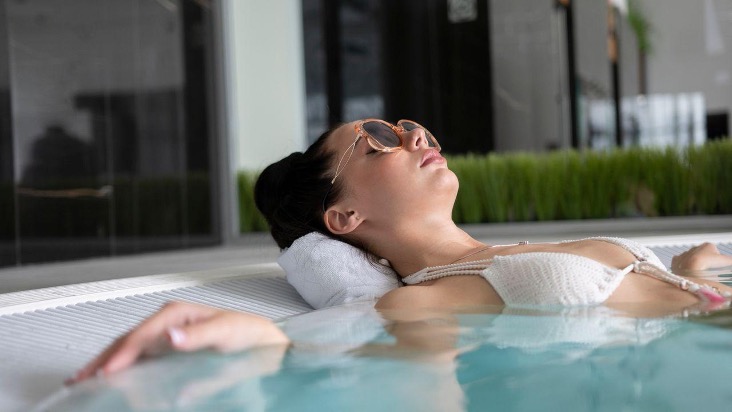
From Spa Retreats to Aesthetic Care, the Luxury Travel Itinerary Is Changing
Categories
- Art
- Articles
- Business of Luxury
- Celebrities
- Culture
- Entertainment
- Events
- Faces of Summer 2026
- Fashion
- Fashion & Style
- Featured
- Finance
- Food, Spirits, Wine
- Hamptons
- Hamptons Celebrities
- Health
- Health & Beauty
- Lifestyle
- Luxury Lifestyle
- Press
- Profiles
- Real Estate
- Technology
- The Chronicles
- Travel
- Uncategorized
- Weddings