
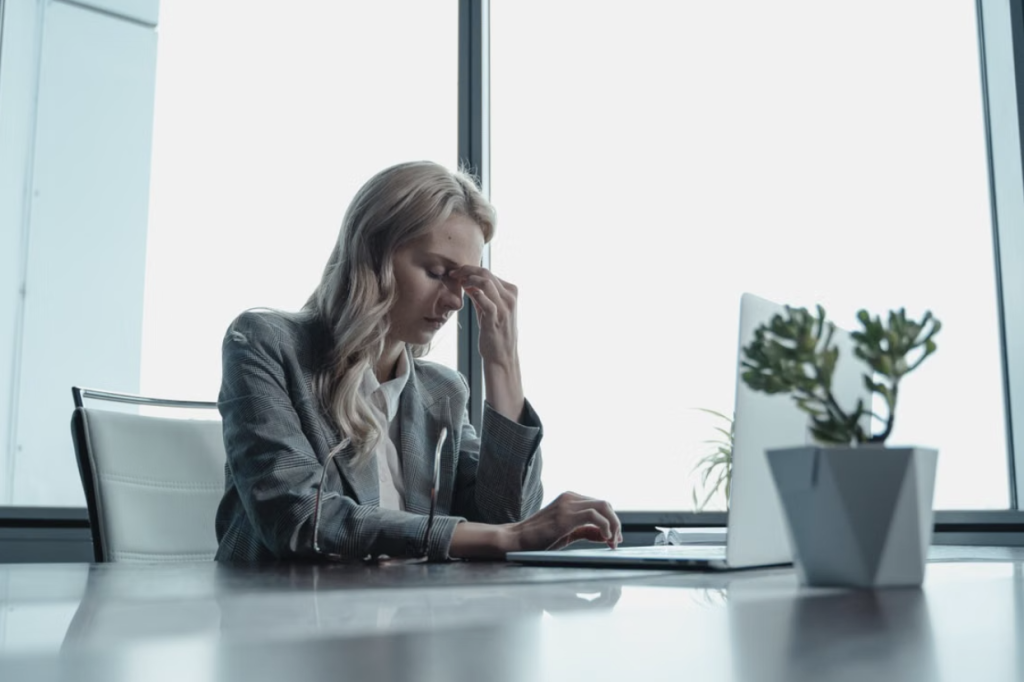
Multiple surveys and reports have looked at stress and tried to estimate how many people suffer from it every day. One American Psychological Association report found that 77% of adults feel the physical effects of stress every day. This includes muscular tension in the shoulders and neck, a sense of constant tiredness or exhaustion, and tension headaches that never seem to go away.
Stress is more than just your body trying to feel something; it’s a genuine health condition that can have an everlasting effect on your mind and body. People who deal with daily stress are more likely to experience mental health problems like anxiety or depression – as well as chronic medical conditions like high blood pressure. It is therefore vital to understand how to combat stress, and the good news is that there are several daily or weekly lifestyle habits and ideas that can help.
Move Your Body Regularly
Moving your body can be one of the best tools to effectively reduce your stress levels. Exercise causes our bodies to release endorphins, which work to boost our mood and make us feel good. Any exercise is good exercise; you don’t need to join a gym or complete an intense HIIT routine to get that mood boost.
For some, gentle, mild movement will work well enough to help with releasing any tension, improve circulation and act as a very effective distraction from any unwanted thoughts or feelings. You may also find that taking part in exercise regularly can help improve sleep. Stress often reduces quality of sleep, but exercising can help to promote deeper, higher quality sleep that makes you feel much more refreshed.
Any kind of movement is good movement. You could choose whatever suits you best. Some popular options include:
- Aerobic Exercise: Running, swimming or even a short brisk walk to get the heart pumping endorphins around your body.
- Strength Training: Weight lifting or even body weight exercises involve precise, deliberate movements that take your focus away from everyday stresses. It also provides individuals with goals of improving strength and progressing through heavier weights.
- Mindful Practices: Yoga, Pilates, or tai chi involve purposeful movements with breath control, which work to calm and soothe the nervous system.
End Each Day With A Massage
It’s completely up to you how you do this, but a massage of any sort is designed to help melt away muscular tension and leave you feeling relaxed. Ending every day with a little massage can set you up for a better night’s sleep – and studies show that sleeping well improves your ability to handle stress.
While most people are unable to afford a personal masseuse to rub them every evening, there are a couple of at-home alternatives you can try. Foam rollers, vibrating massage devices, and other fitness-related products can be great for giving yourself an at-home massage whenever you want. For an even more hands-off approach, you could invest in the best massage chair to keep in your living room and relax in before going to bed.
Massages help you deal with the physical effects of stress, which can then make it easier to handle the mental side of things. Going to bed relaxed and at ease can set you up for a less stressful morning.
Schedule Breaks From Technology & Social Media
Social media and technology use as a whole consume so much of our time as well as our thoughts. They’re often a source of stress and negative thoughts. The constant messaging, notifications and doomscrolling aren’t good for anyone and can make it nearly impossible to switch off. Even if you’re supposedly “relaxing” on the sofa, phone in hand, you may still be very much mentally engaged with whatever you’re looking at, whether it’s work or what everyone else is up to on their socials.
Instead, give yourself dedicated time to switch off from work, friends and social media. Try to introduce short periods of time away from the screens each evening. That could be not using your phone 30 minutes before bed, not checking emails after work or refusing calls at certain hours. Creating that boundary can help reduce stress in your own personal time when you don’t need to be worrying about work and the rest of the world.
Create A Calm Environment At Home
What your home looks like around you can really impact how relaxed you feel. If it’s cluttered, noisy or even dirty, it makes the space more uncomfortable to live and function in – making it equally hard to switch off when you finally want to. A few simple changes could create a much more comfortable, relaxing atmosphere:
- Tidy up: Clean up your living space so that it is more organized and comfortable to live in. Mounds of washing up or a huge pile of laundry are only going to continue to stress you out, and you won’t be able to fully relax knowing it needs doing.
- Switch up the lighting: Instead of using harsh bright light, opt for softer, warmer-toned bulbs or even candles. They can make your home feel a lot warmer and more comforting.
- Utilize your sense of smell: Introduce calm, relaxing scents like lavender and sandalwood through candles, diffusers or even plug-ins. It will lead to you associating these smells with your home and make it feel like a less stressful place.
- Treat your bedroom like your sanctuary: Your bedroom needs to be the most stress-free place in your home so that it can be somewhere you truly unwind and get good sleep. Get comforters and bedding that you find especially soft and cozy, block out any light from the windows and reduce as much noise pollution as you possibly can.
There’s no need to totally restructure your home and spend a fortune on new decor and furnishings. Just create one small space, a corner even, where you’re comfortable reading or doing whatever else reduces stress can make a big difference. Just changing a few small things in your home can give you the space needed to feel comfortable and fully relax.
Stress can really take its toll on our mental and physical well-being, so it’s important to get on top of it and reduce it where possible before it starts to be overwhelming. Combating it, however, doesn’t have to be expensive or involve a massive lifestyle shift. Sometimes it’s the simplest habits, like exercising more, getting a massage here or there, or even adding some relaxing visuals or smells, that can make all the difference and help you to unwind. Prioritizing your mental health by making these small, yet powerful changes can help to combat stress and help you to lead a healthier lifestyle.
Author

Written by
Recent Posts
eFoil Prices Explained: What Affects the Cost of an Electric Hydrofoil Board?
Stress Is A Disease: Here’s How To Combat It

How to Help My Child Who Is Struggling in School – The Quiet Support Today’s Families Swear By
Dressing a Hamptons Home: How to Choose Custom Window Treatments That Complete the Interior
Creative Garden Party Ideas for Birthdays and Special Occasions
Categories
- Art
- Articles
- Business of Luxury
- Celebrities
- Culture
- Entertainment
- Events
- Faces of Summer 2026
- Fashion
- Fashion & Style
- Featured
- Finance
- Food, Spirits, Wine
- Hamptons
- Hamptons Celebrities
- Health
- Health & Beauty
- Lifestyle
- Luxury Lifestyle
- Press
- Profiles
- Real Estate
- Technology
- The Chronicles
- Travel
- Uncategorized
- Weddings