
Most young men own at least one gift they’ve never touched. Usually it’s something the giver would have loved: the fly-fishing starter kit from an uncle who fishes every summer, the hardcover his dad couldn’t put down, the smartwatch from a friend who tracks every run. It’s an easy mistake to make, because shopping from your own interests feels personal.
The gifts that get used start at the other end, with what he actually needs. For most guys in their twenties, that’s a better version of something he uses every day, like the razor he grabbed on sale or the sneakers he’s still wearing through the slush.
Ask First, Even If It Feels Like Cheating
The most reliable way to find out what he needs is to ask, even though it can feel like admitting you don’t know him. A 2011 paper in the Journal of Experimental Social Psychology suggests the person on the receiving end doesn’t see it that way. Across five studies covering wedding registries, birthday wish lists and a lab experiment where people received real gifts chosen from Amazon lists they’d built themselves, recipients appreciated what they’d asked for more than the surprises. They also rated the requested gifts as more thoughtful and more personal, which is the opposite of what the givers predicted.
Two details from that research are worth stealing. Givers were more willing to buy the requested gift when the recipient named one specific item instead of handing over a list, so if he gives you a vague answer, push him for a single thing. The final study turned up something nobody likes to hear: recipients said they’d appreciate cash even more than items from their own wish list, while givers assumed money would go over worst. Stanford’s write-up of the research walks through all five studies if you want the detail.
Plenty of guys won’t name anything, of course. If he shrugs and says he’s good, look at the things he uses every day and notice which ones are cheap, worn out or wrong for the weather. That’s where the useful gift is.
A Better Razor for Something He Already Does
Start with something he does most mornings. Plenty of young men use whatever cartridge razor was on sale and keep buying refill packs without giving it much thought. A double-edge safety razor changes the tool but not the routine: he still shaves at the same sink at the same time, just with something heavier in his hand. Standard double-edge blades cost cents apiece, and there’s no subscription.
Henson shows what the extra money in a better razor actually buys. The company machines its razors from aluminum in an Ontario aerospace facility that also makes parts for satellites, and it works to tolerances measured in ten-thousandths of an inch. All that precision goes into holding the blade at a fixed angle with almost no flex, and Henson says the result is less tugging, razor burn and ingrown hair. With no moving parts to wear out, it’s the kind of thing he could still be using in twenty years.
MASC, a Canadian men’s grooming shop, stocks Henson’s AL13 razor in five finishes, from plain aircraft aluminum to copper, tan, steel blue and jet black, along with a matching aluminum stand. Seeing them together in MASC’s Henson shaving collection makes choosing a color the hardest part of the decision. One practical tip: his first few shaves will be slower while he learns the angle, so give it to him before a quiet weekend, not the night before a job interview.
Boots That Can Handle a Real Winter
Ask a young guy what he wears in January and there’s a good chance it’s the same sneakers he wore in July. They’re fine until the first slushy sidewalk soaks through the mesh and road salt leaves a white line across the toes. A solid pair of boots fixes a problem he’ll notice on the very first bad-weather day, and if you choose the right style, he won’t have to change how he dresses.
Three things matter more than the rest. Check whether the boot is water-resistant or fully waterproof, because they aren’t the same: water-resistant leather copes with slush and a short walk, while waterproof construction is what he needs if he spends twenty minutes at a bus stop. Look for a rubber outsole with deep lugs, which is what grips on wet pavement. Then think about what he’ll wear them with, since a boot that only suits work pants won’t leave the closet on weekends.
Lugz has been making boots since 1993 and splits its range between casual styles and dedicated work boots with protective toes and slip-resistant soles. Many of its styles use rubber outsoles with deep lug patterns, and the lineup includes both waterproof and water-resistant options, such as the Empire Hi, a 6-inch water-resistant boot. The Lugz boot collection mixes leather, suede and synthetic uppers, so it helps to settle on the look first and narrow down from there.
Size is the part people worry about, and it’s easier than it looks. Check the tag inside a pair he wears often, ideally boots or something similar, since sneaker sizes don’t always carry over. Read the retailer’s exchange terms before you order and tuck a gift receipt in the box. A swap a week after his birthday doesn’t make it a bad gift.
The Short Version
If he’ll tell you what he wants, buy exactly that, because it’ll seem more thoughtful to him than it does to you. If he won’t, buy for what he needs, which usually means a better version of something he already uses. A precision-made safety razor and a pair of boots built for slush both fit, because they start from his routine, not your interests.
Frequently Asked Questions
What makes a gift more likely to actually get used?
It’s chosen for what he needs, not for what the giver enjoys. A gift that slots into an existing routine, like shaving or getting dressed for bad weather, gets used from day one. Gifts that depend on a new hobby have to compete with everything else on his schedule, and that’s how most of them end up in a closet.
Is it rude to ask someone what they want for a gift?
No. In a 2011 series of five studies, people appreciated gifts they’d requested more than ones picked for them, and they rated requested gifts as more thoughtful. Givers expected the opposite. When you ask, try to get one specific item, because a single clear request is easier to act on than a long list.
What do you get a young man who says he wants nothing?
Look at what he uses every day in a cheap or worn-out version: his razor, his winter footwear, his wallet. “Nothing” usually means he hasn’t thought about it, and everyday items are where the gap between what he has and what he could have is easiest to spot.
How much should you spend on a gift for a young man?
Less than you might think. In a 2009 set of studies from Stanford, gift givers assumed pricier presents would be appreciated more, but recipients reported no link between what a gift cost and how grateful they felt. One study pitted an iPod against a CD as a graduation present, and recipients rated them the same. Set a budget you’re comfortable with and spend it on something he’ll use.
Are experience gifts better than physical gifts?
For the relationship, often yes. A 2017 study in the Journal of Consumer Research found that experiences, like concert tickets or a class, made recipients feel closer to the giver than objects did, even when the giver wasn’t there to share them. The difference came down to emotion. Even a physical gift gets some of that benefit if you frame it around what he’ll do with it.
Author

Written by
Recent Posts
How the Hamptons Set the Pace for Charlotte’s Beauty Calendar
Best Gifts for Young Men in 2026: Things He’ll Actually Use
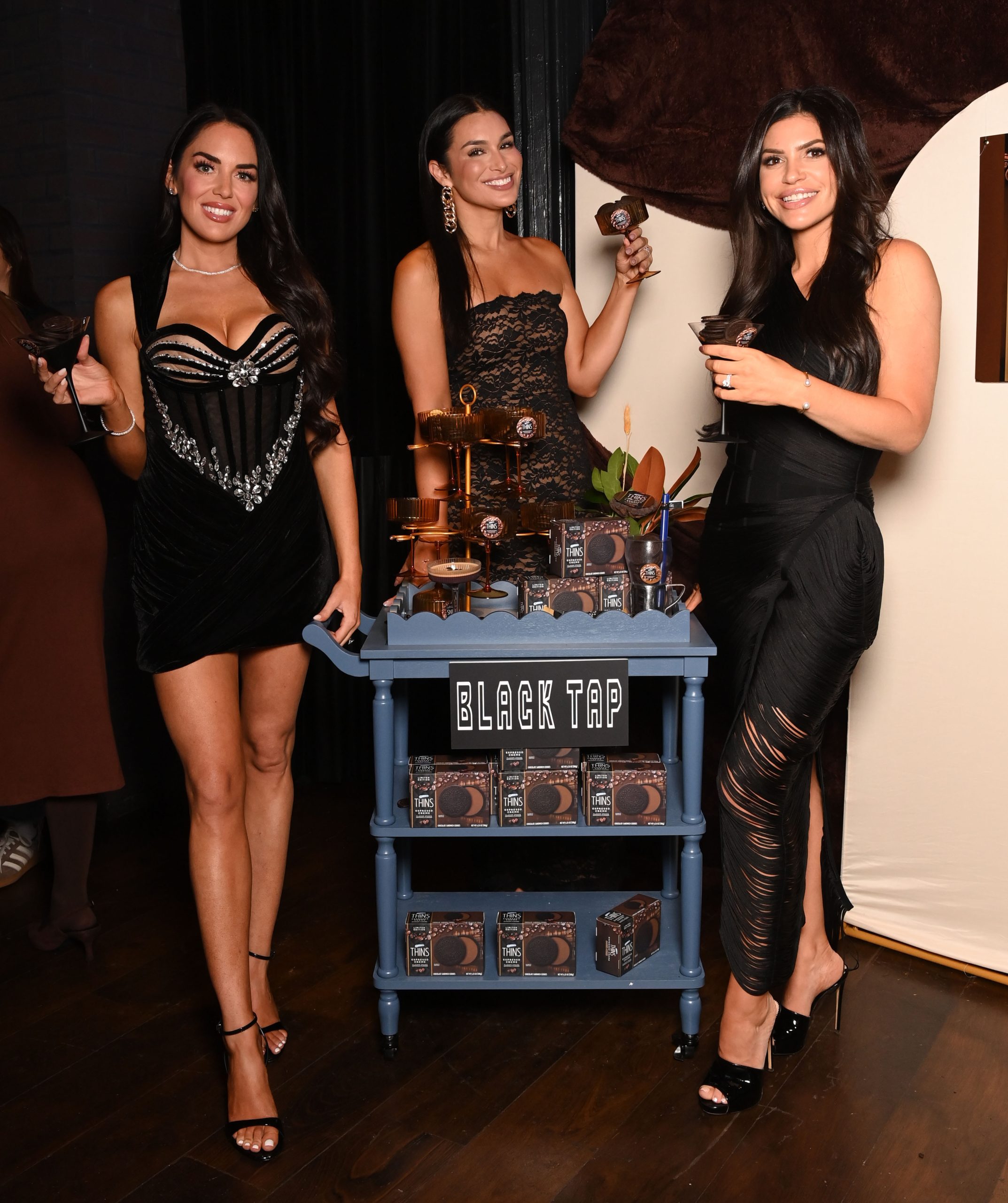
Real Housewives of Rhode Island Stars Celebrate OREO THINS After Dark at NYC’s Black Tap
The Lawyer Behind the Legacy: Arthur Aidala

From Spark Of An Idea To A Confident Startup Business Plan
Categories
- Art
- Articles
- Business of Luxury
- Celebrities
- Culture
- Entertainment
- Events
- Faces of Summer 2026
- Fashion
- Fashion & Style
- Featured
- Finance
- Food, Spirits, Wine
- Hamptons
- Hamptons Celebrities
- Health
- Health & Beauty
- Lifestyle
- Luxury Lifestyle
- Press
- Profiles
- Real Estate
- Technology
- The Chronicles
- Travel
- Uncategorized
- Weddings