
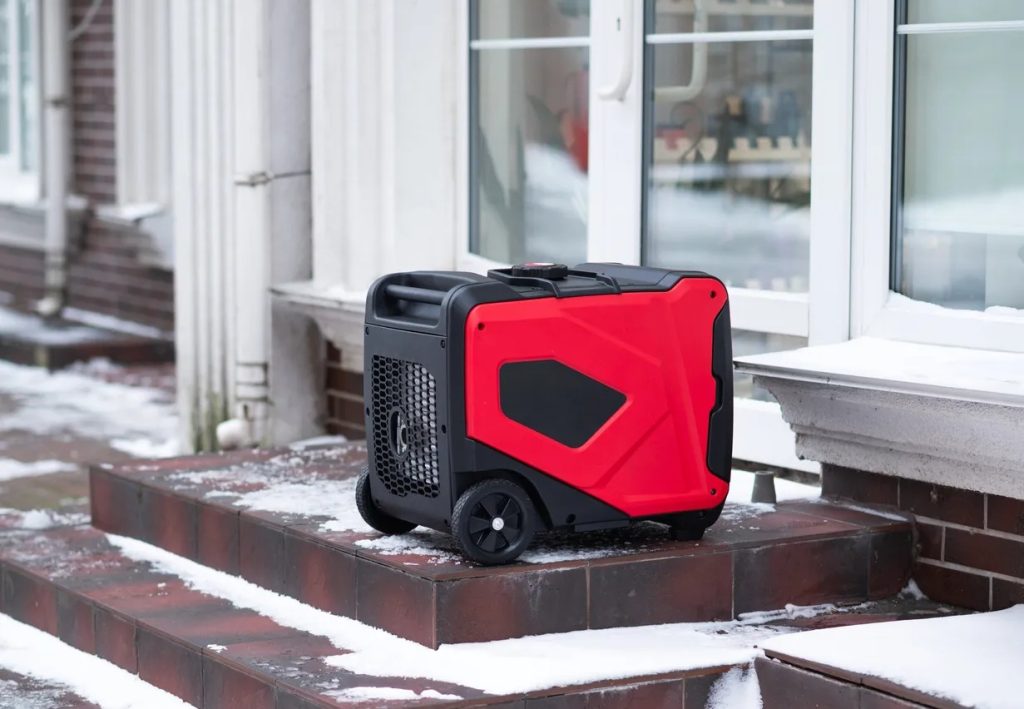
Have you ever thought about how your house would operate in case of an unforeseen power outage? A trustworthy backup power source not only maintains essential appliances but also preserves the flow of daily life.
An inverter generator is the perfect solution for such situations. It provides a continuous power supply with low noise and a stable output. The choice of the right unit is not only dependent on power needs but also on operating forms and durability.
This blog explains everything in detail, so you can feel confident in your decision and invest in a generator that meets your home’s needs.
Key Factors to Consider When Choosing
Assess Your Home Power Needs
Firstly, define the appliances that you would like to work on during the outages. The most common are refrigerators, common lights, fans, internet, and cooking systems.
Every appliance has its wattage needs, which need to be calculated. The total of these can be used to calculate the appropriate generator capacity you need for your home to operate efficiently.
Explore Different Types
There are different sizes and output capacities of generators with inverter technology. The smallest units are capable only of powering basic electronics and maintaining a few functions in the house.
In contrast, the larger one can accommodate refrigerators or other appliances with sudden high-power demands. Knowing the distinctions between the devices ensures the one you choose fits the consumer’s power expectations.
Consider Noise Levels for Home Use
Noise control is a major factor in choosing a generator for home use. They are built to be quieter than traditional ones. Reduced sound levels enhance comfort over long periods of use, particularly at night. Reading decibel ratings can help with compatibility and proximity requirements for both indoor and outdoor placements.
Check Fuel Type, Runtime, and Overall Efficiency
The type of fuel has a direct impact on the convenience and operational flexibility. A dual-fuel inverter generator allows switching between two fuel sources as required. This feature enhances reliability when there is variation in fuel supply.
A longer runtime means fewer interruptions and, therefore, more consistent power delivery throughout the outage period. Choosing a dual-fuel inverter generator also allows better fuel planning during extended power needs.
Safety Features
The latest ones come equipped with various safety features for home use. These safety measures not only protect the people living in the house but also the plugged-in devices.
- First and foremost, the overload protection feature stops potential damage caused by an increase in electrical demand.
- Secondly, the low-oil shutdown function safeguards the engine against internal wear.
- Thirdly, the carbon monoxide detection capability ensures that indoor air safety is not compromised.
- Next, the automatic voltage regulation ensures that sensitive electronic devices receive stable power.
- Finally, the ground fault protection feature enhances electrical safety during operation.
Ease of Use
You must choose a generator that is easy to operate, as it comes in handy during sudden power outages. Ensure you assess and choose options that have clear control panels, making startup and monitoring easier.
You can also explore light designs that increase the portability and flexibility of placement. The intuitive indicators help monitor power output and fuel levels. All these aspects not only make it comfortable to use but also enable quick use during power cuts.
Required Maintenance
- Periodic maintenance guarantees high performance and reliability in the long term.
- Regular oil tests help ensure the smooth running of the engine.
- Cleaning air filters ensures smooth air circulation and proper fuel combustion.
- Regular inspections can help you spot problems before they become serious and prevent more costly repairs.
Adopting basic maintenance practices not only prolongs the equipment’s service life but also enhances its reliability.
Reliability and Warranty
Reliability implies long-term performance and stability. Stronger construction is one factor that can support operation under different conditions. The length of the warranty period is a good measure of how much the manufacturer trusts their product, and it certainly brings the customer peace of mind as well.
The straightforward terms attached to the service make it easier to get the unit repaired or replaced in the future. The investment in reliable equipment means fewer worries in the long run.
Conclusion
The process of picking the best inverter generator for home use involves careful consideration of power requirements and operating features. Long-term satisfaction is achieved only when your choice offers fuel flexibility, comes with safety mechanisms, and is convenient to use.
Moreover, knowing the basics of maintenance also ensures proper performance for years to come. A thoughtfully selected generator not only provides dependable backup power but also guarantees daily household comfort.
Author

Written by
Recent Posts
The Social Season Guide to Wearing Linen Dresses

From Cap to Confidence: The Power of a Human Hair System for Men
How to Select the Best Inverter Generator for Home
Gala Season Beauty: How to Look Rested for Every Benefit on the Calendar
“I’m Right Here” is Bringing Back Childhood Wonder
Categories
- Art
- Articles
- Business of Luxury
- Celebrities
- Culture
- Entertainment
- Events
- Faces of Summer 2026
- Fashion
- Fashion & Style
- Featured
- Finance
- Food, Spirits, Wine
- Hamptons
- Hamptons Celebrities
- Health
- Health & Beauty
- Lifestyle
- Luxury Lifestyle
- Press
- Profiles
- Real Estate
- Technology
- The Chronicles
- Travel
- Uncategorized
- Weddings