
Metalwork is an art that combines technical knowledge, creativity, and precision. From custom architectural features and decorative metal installations to bespoke furniture and intricate sculptures, skilled metalworkers transform raw materials into functional and visually striking pieces. Behind every successful project is a combination of experience, quality tools, and attention to detail.
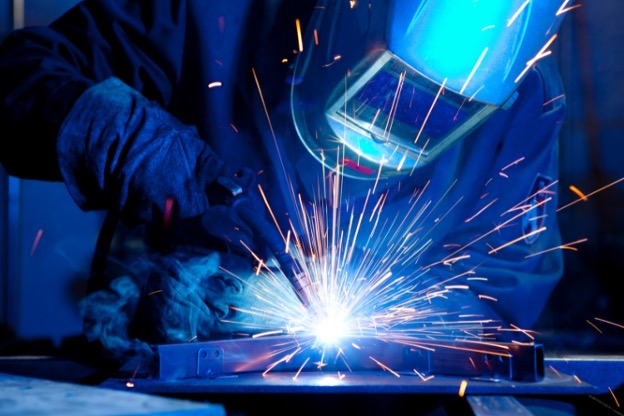
While much of the appreciation for metalwork focuses on the finished product, the equipment used to create it deserves equal consideration. Welding lenses, in particular, play an important role in helping craftspeople maintain visibility, accuracy, and eye protection throughout the welding process.
The Relationship Between Precision and Visibility
Precision metalwork demands a clear understanding of how materials behave under heat. Welders must carefully control the arc, monitor the weld pool, and maintain consistent movement to produce strong, clean joints. Even minor inconsistencies can affect a finished piece’s appearance and structural integrity.
Visibility is therefore essential. A quality welding lens helps workers see the weld area more clearly, making it easier to monitor the molten metal and maintain control throughout the process. When working on detailed projects, improved visual clarity can make a meaningful difference in the ability to produce neat, consistent results.
This becomes particularly important when creating decorative metalwork, custom railings, furniture frames, and architectural components. These projects often involve visible welds, where the quality of the finishing work contributes directly to the overall aesthetic. A dependable lens helps welders focus on the details instead of struggling with unnecessary visual distractions.
Why Welding Eye Protection Matters
Welding produces intense visible light, ultraviolet (UV) radiation, and infrared (IR) radiation. Exposure to these hazards can cause serious eye injuries, including photokeratitis, commonly known as arc eye. Proper welding eye protection is therefore essential in any responsible workshop.
A suitable welding lens filters harmful radiation while providing the appropriate level of darkness for the welding process. Select the shade based on the welding process and operating conditions, rather than choosing the darkest option available. Following established safety recommendations and equipment manufacturer guidelines helps ensure adequate protection.
Quality also matters because welding equipment must perform consistently under demanding conditions. A damaged, scratched, or unsuitable lens can interfere with visibility and compromise the effectiveness of protective equipment. Regular inspection and replacement when necessary should be part of every welder’s routine.
Understanding the Different Types of Welding Lenses
Welding lenses are available in different configurations, each offering particular advantages depending on the application. Traditional fixed-shade lenses provide a consistent level of darkness, making them a straightforward option for welders who regularly work with the same process and settings. They are valued for their simplicity and reliability.
Auto-darkening lenses offer another approach. These lenses automatically transition from a lighter state to a darker shade when an arc is detected, allowing welders to position their work and inspect their surroundings without repeatedly lifting their helmets. This can be especially useful for projects involving multiple welds, frequent repositioning, or intricate components.
Some auto-darkening models also feature adjustable shade settings, sensitivity controls, and delay adjustments. These features allow users to adapt their equipment to different working conditions and preferences. Choosing between fixed-shade and auto-darkening options ultimately depends on the welding process, project requirements, and individual working style.
Choosing the Right Shade for the Job
Selecting the appropriate lens shade is one of the most important decisions when preparing for a welding project. Different welding processes and current levels produce varying brightness, so the required shade can differ considerably. MIG, TIG, and stick welding, for example, each have specific operating considerations.
A shade that is too light may provide insufficient protection, while one that is unnecessarily dark can make it difficult to see the work area. Welders should consult recognized safety guidelines and manufacturer recommendations when determining the appropriate shade for their equipment and application.
For precision work, visual clarity is particularly valuable. Distinguishing the weld pool, joint edges, and surrounding material helps welders maintain control and spot potential imperfections before they become bigger problems. The right lens should balance visibility with the protection the task requires.
The Importance of Color Clarity and Lens Quality
Traditional welding lenses can produce a pronounced green tint, which may make it harder to distinguish certain details in the work area. Modern lens technologies increasingly focus on improving color recognition and reducing visual distortion. These developments can help welders see their surroundings more naturally.
Better color clarity can help when following a joint line, observing molten metal movement, or working with smaller components. It can also support visual comfort during extended welding, although individual experiences vary by equipment and working environment.
Lens construction is equally important. Durable materials, scratch resistance, reliable electronics, and consistent darkening performance all contribute to a welding lens’s usefulness. Investing in suitable equipment can improve the overall working experience while reducing the inconvenience of frequent replacements.
Matching Equipment to the Craft
Different metalworking projects place different demands on the person behind the welding helmet. A fabricator producing heavy structural components may prioritize dependable protection and performance during extended welding sessions. An artisan creating decorative installations or custom furniture may place greater emphasis on visibility when working with smaller joints and intricate designs.
Ideal equipment should reflect these needs. Before buying, consider lens dimensions, helmet compatibility, shade range, viewing clarity, and power requirements. Welders should also confirm their equipment meets relevant safety standards and suits their intended applications.
Brands such as Ridge Products Welding offer a range of options for professionals and dedicated metalworking enthusiasts. All welding lenses offer different options for those looking to match their protective equipment to their welding requirements.
Maintaining Welding Lenses for Consistent Performance
Even high-quality equipment requires proper care. Welding lenses are regularly exposed to dust, sparks, heat, and workshop debris, all of which can affect their condition over time. Keeping lenses clean and inspecting them before use helps maintain clear visibility and reliable performance.
Replace scratched or cracked lenses rather than overlook them. Welders should also follow the manufacturer’s cleaning and maintenance instructions, especially when using electronic auto-darkening models. Protective outer covers should be used where specified to help prevent damage to the lens itself.
Storage is another consideration. Keeping spare lenses and protective components in a clean, dry location helps prevent unnecessary wear and ensures replacement parts are available when needed. These straightforward habits contribute to a safer, more organized workshop.
Where Craftsmanship Meets Quality Equipment
Exceptional metalwork rarely comes from one tool or technique. It comes from the combination of skilled hands, thoughtful design, suitable materials, and equipment that supports accuracy at every stage. Welding lenses may not be the most visible part of a finished installation, but they play a significant role in the creative process.
For professionals and hobbyists alike, choosing appropriate protective equipment is an investment in both safety and workmanship. Clear visibility, dependable protection, and consistent performance let welders focus on the details that separate ordinary fabrication from exceptional craftsmanship. Ultimately, the quality of the finished piece begins long before the final polish, with the care taken in every decision made along the way.
Author

Written by
Recent Posts
When a Serious Injury Changes How You Handle Everyday Activities
How to Prepare for Your First Long-Distance Motorcycle Tour
After a Crash, Many Older Drivers Fear Losing Their License More Than Their Injuries
The Art of Craftsmanship: Why Quality Welding Lenses Matter in Precision Metalwork

I’m a Divorce Attorney — These Are the Quiet Signs Your Marriage May Be Unraveling
Categories
- Art
- Articles
- Business of Luxury
- Celebrities
- Culture
- Entertainment
- Events
- Faces of Summer 2026
- Fashion
- Fashion & Style
- Featured
- Finance
- Food, Spirits, Wine
- Hamptons
- Hamptons Celebrities
- Health
- Health & Beauty
- Lifestyle
- Luxury Lifestyle
- Press
- Profiles
- Real Estate
- Technology
- The Chronicles
- Travel
- Uncategorized
- Weddings