
Modern oceanfront estates are adopting tailored solar window fixtures to balance panoramic sea views with discreet indoor climate control across warm seasons.
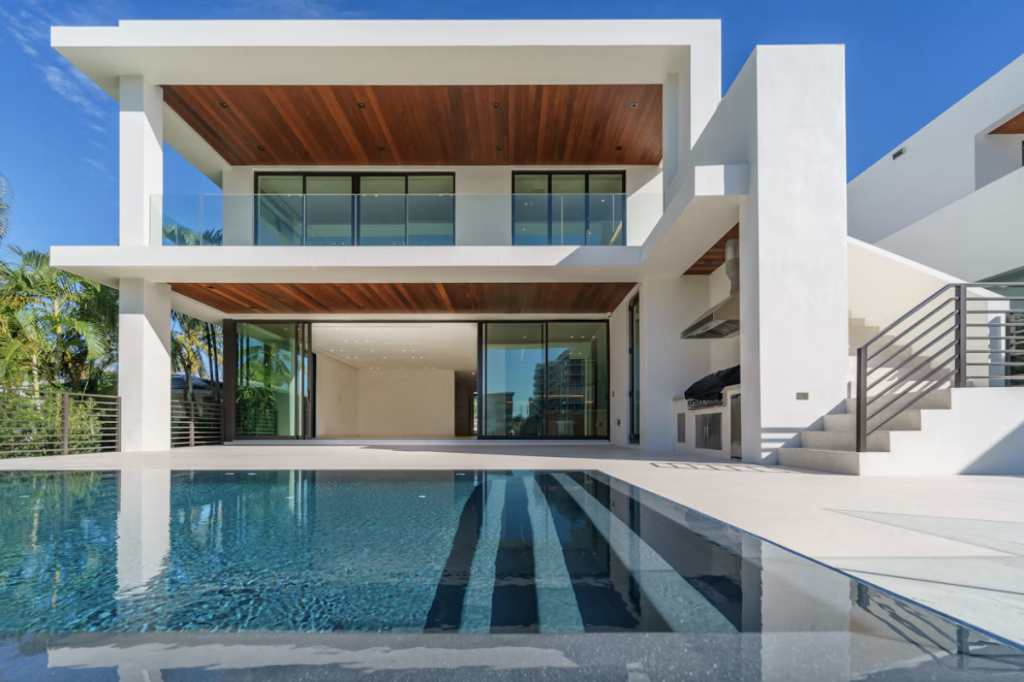
Contemporary coastal luxury architecture relies heavily on floor-to-ceiling glass expanses to showcase scenic waterfront panoramas. This design choice creates a distinct situation where solar heat gain, ultraviolet wear, and intense glare must be mitigated without compromising unobstructed ocean views. Balancing transparency with comfort requires careful consideration of building envelopes and interior finishes. Addressing these factors protects your investment while keeping your living spaces comfortable year-round.
How Do You Select the Right Window Textiles?
Choosing the proper window treatments for a coastal estate requires evaluating durability, texture, and light filtration properties. Homeowners frequently ask do cellular shades help with heat when planning energy-efficient upgrades for sun-drenched rooms. The unique honeycomb structure of these specialized window coverings traps air within individual pockets, creating a thermal barrier that blocks outdoor heat transfer.
According to guidance from Norman USA, layered cellular constructions offer superior insulation values that keep interior temperatures stable without sacrificing natural light. Choosing materials designed for high-exposure environments protects interior finishes from fading while lowering overall cooling demand. Industry research strongly supports this architectural intervention. According to the U.S. Department of Energy, “cellular shades can reduce heating energy needs by almost 25%,” demonstrating that these textiles offer substantial, measurable climate control alongside their aesthetic value.
The Architectural Dilemma of Coastal Glazing
Expansive glass exposures subject oceanfront residences to substantial solar heat penetration and ultraviolet wear on custom furnishings, art collections, and natural materials. Large windows bring the natural beauty of the shoreline directly inside your living areas. At the same time, direct sunlight acts like a magnifying glass, intensifying indoor temperatures during peak afternoon hours.
Unmanaged solar exposure damages hardwood flooring, bleaches fine textiles, and strains cooling systems. When building or updating a seaside estate, you face the challenge of preserving aesthetic openness while managing thermal loads. Designing an effective defense against the elements starts with understanding how sunlight interacts with large glass surfaces throughout different seasons.
Why Do Large Glass Facades Amplify Indoor Heat?
The physics of modern glazing means that untreated windows trap radiant thermal energy inside the home. When sunlight streams through wide panes, short-wave radiation converts into long-wave heat upon striking interior surfaces. This trapped warmth forces your cooling equipment to work harder during warm months.
Architectural data highlights that unshaded waterfront glazing accounts for a major share of residential heat gain. Without proper architectural interventions, your primary gathering spaces quickly turn into uncomfortable greenhouses. Managing this thermal buildup demands targeted interior strategies that intercept light before it transfers heat into the room.
Modern Engineering Meets Quiet Luxury
The architectural community is increasingly treating solar protection not as an afterthought, but as a core component of the building envelope itself. In coastal regions, the intense reflection of sunlight off the ocean water compounds direct solar exposure, making the management of heat gain a round-the-clock structural challenge. By anticipating this influx of thermal energy during the design phase, architects and interior designers can synchronize HVAC systems with advanced shading technologies.
As Arch Daily noted in a recent analysis of climate-responsive envelope design, “With an integrated solar-shading strategy, this heat gain can be reduced before the HVAC system has to compensate for it”. By stopping the heat at the barrier of the glass, the home’s cooling infrastructure can operate far more efficiently. This approach not only curtails exorbitant energy costs but also extends the lifespan of internal climate control equipment. The goal is no longer just cooling the air, but preventing the heat from establishing a foothold in the home to begin with.
- Concealed hardware integration: Motorized tracks and recessed brackets disappear entirely when retracted, leaving your sightlines completely clear.
- Moisture-resistant engineering: Materials treated for saline air prevent corrosion, warping, and premature wear in humid waterfront climates.
- Minimalist profile matching: Slim-profile installations complement aluminum or steel window frames without adding visual clutter to minimalist interiors.
Preserving Panoramic Sightlines with Flexible Light Control
Maintaining a connection to the horizon requires lighting control systems that adapt to changing daily conditions. Multi-directional adjustability lets you filter harsh overhead midday glare while keeping lower sightlines open to the water. High-performance honeycomb air-pocket designs diffuse bright sunlight into a soft, even glow across your living spaces.
Flexible shading configurations give you total control over privacy and outdoor visibility throughout the day. Motorized automation allows your shades to respond automatically to the position of the sun, protecting your interiors before temperatures begin to rise. This level of responsiveness ensures your home remains comfortable and visually connected to the shoreline at all times.
Dual-Opacity Systems for Shifting Coastal Light
Waterfront light conditions change dramatically throughout the day, moving from blinding morning glare off the water to intense afternoon heat and soft evening twilight. Dual-opacity shading configurations, pairing a sheer, glare-filtering fabric with an opaque or semi-opaque cellular shade on a single mechanism, provide the ultimate flexibility for these shifting environments. During high-sun hours, the sheer layer diffuses harsh reflections while keeping ocean horizons crisp and visible; at dusk, the secondary thermal layer deploys to ensure complete privacy and lock in climate control. This layered approach eliminates the compromise between daytime visual openness and evening intimacy, granting waterfront living areas effortless, round-the-clock adaptability.
Acoustic Dampening in Expansive Glazed Spaces
Expansive glass panes, double-height ceilings, and hard flooring surfaces like polished limestone or terrazzo frequently lead to harsh acoustic reverberation in contemporary open-concept floor plans. Compounding this challenge, the persistent roar of ocean surf, coastal wind, and maritime activity can disrupt the tranquil atmosphere of an interior. Engineered cellular shades act as discreet acoustic baffles, utilizing their internal honeycomb air pockets to trap sound waves and reduce interior echo. Integrating these specialized textiles softens the room’s overall soundscape, curating a quiet, serene auditory environment that complements the tranquil visual presence of the water.
Elevating Sustainability Through Passive Thermal Performance
Modern luxury architecture increasingly intersects with rigorous sustainability benchmarks and passive building principles. High-performance window treatments serve as an essential mechanical safeguard, significantly decreasing an estate’s operational carbon footprint and energy expenditure. By stabilizing ambient indoor temperatures through passive thermal resistance, these specialized fabrics reduce peak cycling loads on multi-zoned HVAC units during seasonal temperature spikes. Specifying high-R-value cellular solutions during the planning stages allows designers to fulfill green building certifications and energy-efficiency goals without sacrificing the expansive glass facades that define oceanfront architecture.
Balancing indoor comfort with panoramic coastal views comes down to choosing engineered solutions that work in harmony with your architecture. By integrating tailored shading systems, you protect your living spaces from intense solar heat and ultraviolet wear while enjoying your waterfront setting year-round. Thoughtful planning turns expansive glass into a sustainable, comfortable feature of your luxury home.
Author

Written by
Recent Posts
How to Increase Your Running Distance Safely Before a Marathon
Luxury coastal properties embrace architectural fittings that preserve ocean views
Nostalgic streetwear and fandom aesthetics claim mainstream luxury wardrobes
What Is an Animated Explainer Video and Why Does It Convert?

How Active Retirees Can Compare Medicare Supplement Options Without Derailing Their Lifestyle
Categories
- Art
- Articles
- Business of Luxury
- Celebrities
- Culture
- Entertainment
- Events
- Faces of Summer 2026
- Fashion
- Fashion & Style
- Featured
- Finance
- Food, Spirits, Wine
- Hamptons
- Hamptons Celebrities
- Health
- Health & Beauty
- Lifestyle
- Luxury Lifestyle
- Press
- Profiles
- Real Estate
- Technology
- The Chronicles
- Travel
- Uncategorized
- Weddings