
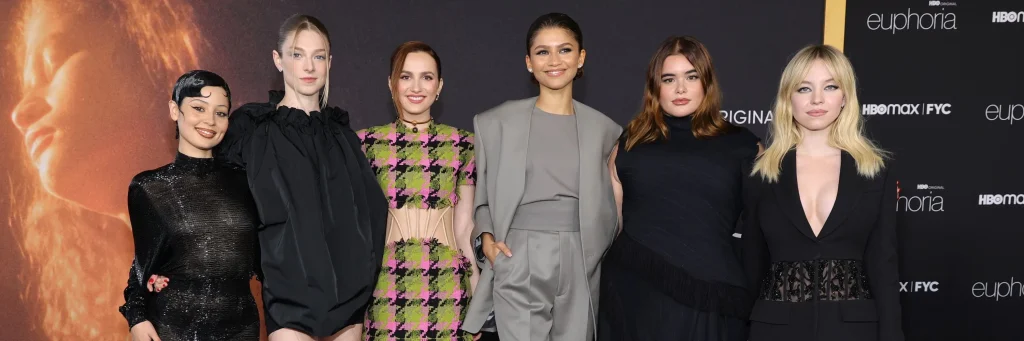
You Haven’t Watched It. You Need to Understand It Anyway.
Sometime this month, at a dinner party east of the Shinnecock Canal, somebody is going to mention Euphoria. In all likelihood, they will reference a character named Rue or a scene involving a bathtub or a play-within-a-show that detonated a friendship, and half the table will nod while the other half reaches for their wine and hopes nobody asks a follow-up question. Essentially, this article is for the second half of that table.
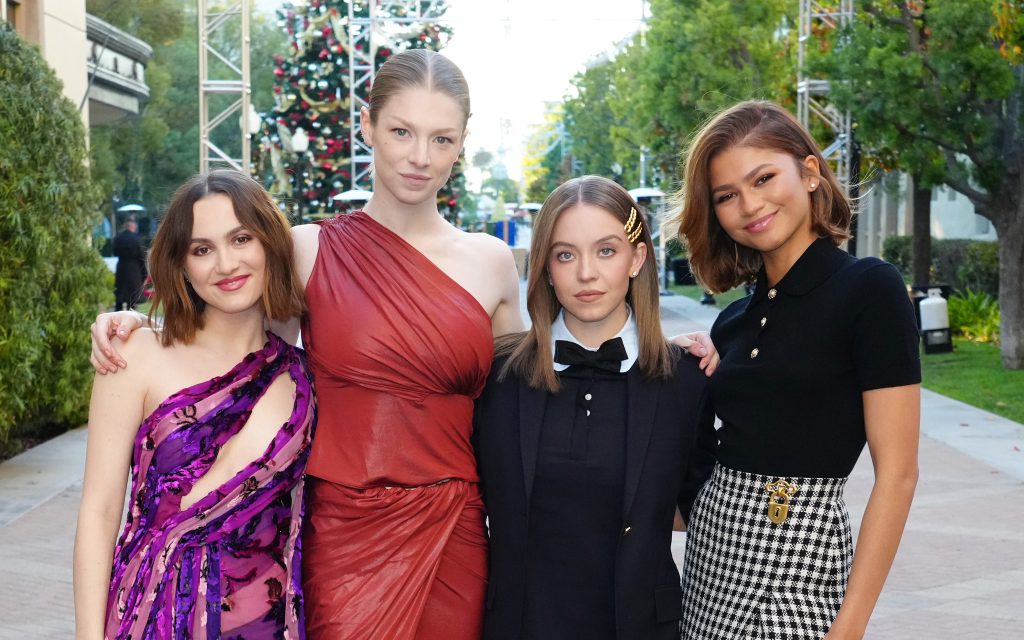
Euphoria is an HBO drama that premiered in June 2019, went dark after its second season in early 2022, and returns for its third and final season on April 12, 2026. In the four years the show was off the air, its cast members won Emmys, earned Oscar nominations, built $40 million business empires, and became the most bankable young actors in Hollywood. Two of them died. The show that launched their careers had to figure out how to come back without them.
If you have never seen an episode, you are not behind. You are exactly where this guide meets you. Here is everything you need to know about Euphoria Season 3 explained in full, written for intelligence, not fandom.
What Euphoria Actually Is
To begin with, strip away the discourse and the discourse about the discourse. Euphoria is a show about a teenage drug addict named Rue Bennett, played by Zendaya, who leaves rehab with no intention of staying clean. She lives in a fictional Los Angeles suburb called East Highland with a mother who loves her and a younger sister who watches everything. Essentially, the show follows Rue and the orbit of teenagers around her as they navigate addiction, identity, sex, social media, and the specific violence that young people inflict on each other when the adults are not paying attention.
The creator is Sam Levinson, the son of director Barry Levinson. He adapted the concept from an Israeli series of the same name and filtered it through his own history with addiction. As a result, every episode bears his voice.
Levinson writes and directs the majority of the show himself. Consequently, for better and worse, the series is the product of a single creative vision with very little interference. That control produced something genuinely original.
However, it also produced friction with cast members who wanted more say in their own characters. Both things are true simultaneously.
In the first place, HBO greenlit the pilot in 2017. It premiered two years later with a cast assembled through one of the most unconventional talent searches in recent television history. That casting process is where the real story begins.
The Casting Gamble That Built Careers
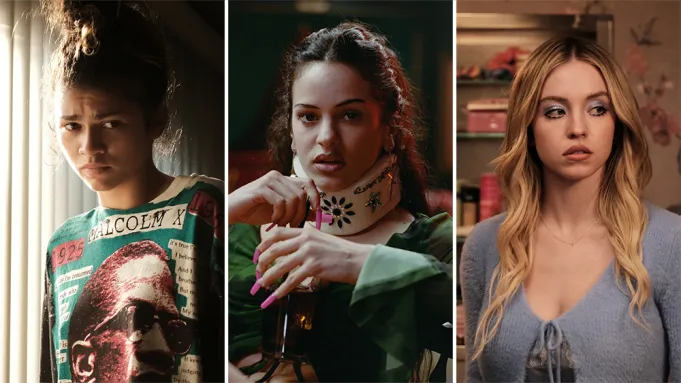
Levinson and casting directors Mary Vernieu and Jessica Kelly did not want a polished ensemble. They wanted friction. In other words, trained actors alongside people who had never been in front of a camera.
Disney Channel alumni next to models discovered on Instagram. The collision between experience and raw instinct is what gives Season 1 a texture most television never achieves.
Zendaya was the anchor, but not a guaranteed one. Her management questioned whether playing an addict was smart for a 22-year-old still associated with children’s programming. In fact, Levinson had pinned her photo to his mood board before formal casting began.
He saw vulnerability layered under toughness. Her team saw risk. She read the script and overruled them.
At the same time, a first-time actress with real-life parallels to Rue was also seriously considered for the role. She auditioned well. The casting team concluded she was not ready for the emotional weight.
By contrast, Zendaya had none of Rue’s lived experience. She had something harder to teach: the craft to access it anyway.
The Unknowns
Hunter Schafer, who plays Rue’s best friend and love interest Jules, was found through an Instagram search of LGBTQ communities. At the time, she was modeling in New York. Her agency initially passed on the audition.
Acting was entirely new to her. Nevertheless, the casting team connected her with an acting coach, and she fell in love with the character. During auditions, she read opposite the untrained actress being considered for Rue and did something the casting directors said distinguishes genuinely gifted actors: she showed up for scenes that were not hers.
Above all, she was present, generous, natural. The role was decided.
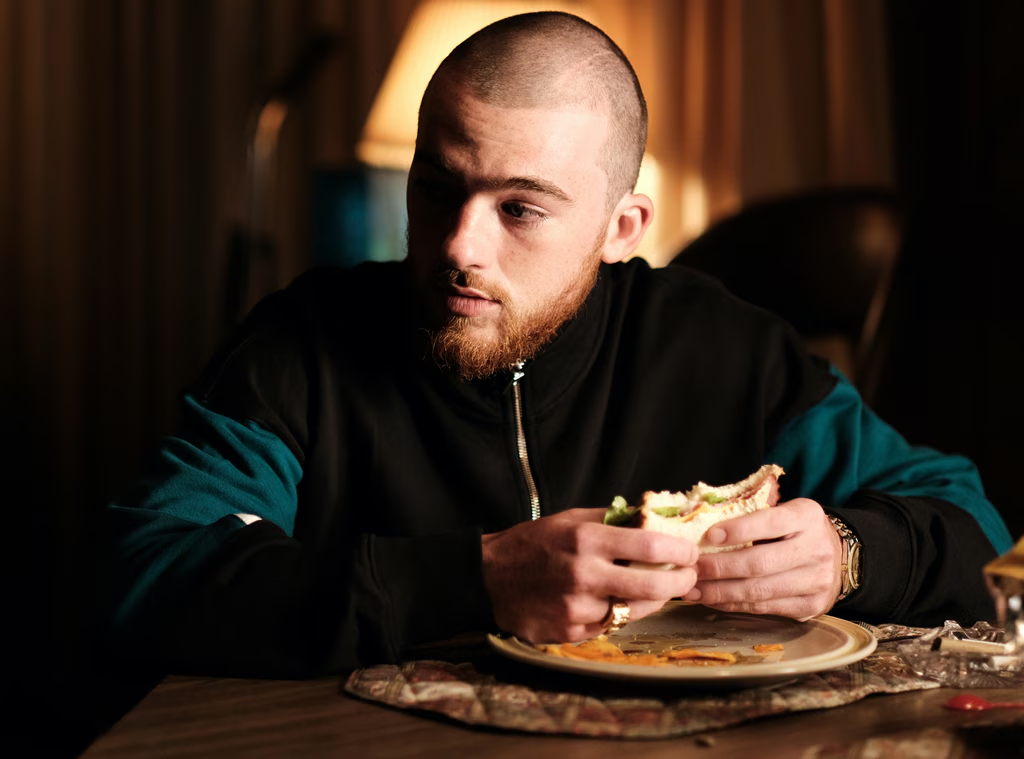
Then there was Angus Cloud. A casting director literally stopped him on a Brooklyn sidewalk. At that point, he had zero experience.
Instead of acting, Cloud worked in a restaurant. Notably, he had attended the same Oakland arts high school as Zendaya, but in production design, not acting. They barely knew each other. Nevertheless, he became Fezco, the drug dealer with a moral code and the audience’s favorite character, essentially by being himself on camera.
Why It Hit Like Nothing Else
Three forces converged at the exact right moment. First, the visual language. Levinson shot a teen drama like it was a Terrence Malick film.
Specifically, neon lighting, long tracking shots, and a score by Labrinth that felt like a panic attack set to music. Every frame was designed for the screenshot economy. Euphoria did not just get watched. It got clipped, mood-boarded, and aestheticized across TikTok and Instagram until its color palette became the default visual vocabulary for an entire generation of content creators.
Second, the performances outran the genre. Zendaya won the Lead Drama Actress Emmy at 24, the youngest winner in the category’s history. Then she won it again.
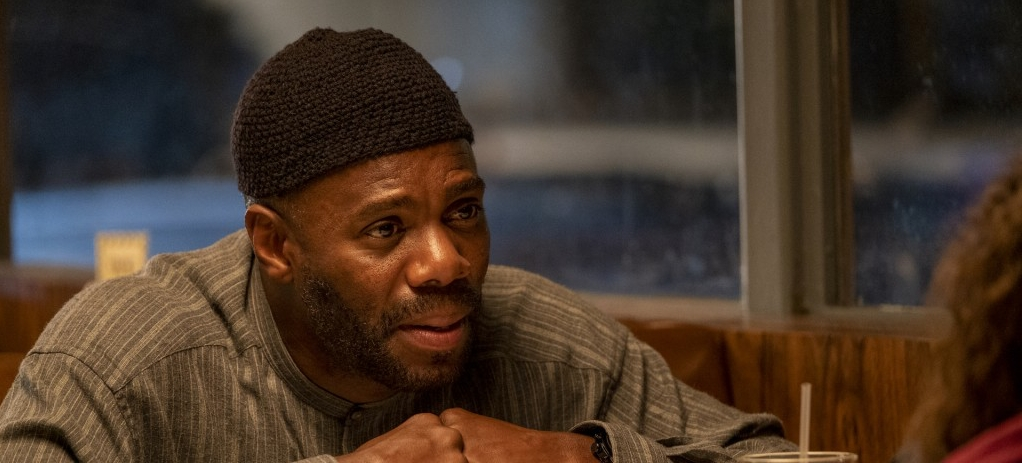
Colman Domingo won for Guest Actor after a single diner scene that played like a two-person play about addiction and faith. In short, these are not teen show accolades. They forced awards voters to take seriously a program whose subject matter would normally get filed under guilty pleasure.
Third, the timing was almost eerie. Season 1 landed right before COVID. Season 2 dropped in January 2022 when much of the country was still half-locked-down and doom-scrolling.
As a consequence, a generation that felt like the world was ending watched a show about teenagers who also felt that way. The emotional resonance was not manufactured. It was circumstantial, and it was devastating.
What Happened During the Four-Year Gap
Above all, this is the part that matters most if you are trying to understand why Season 3 is a cultural event and not just another premiere. The show went dark after February 2022. Production was delayed by the Hollywood strikes, scheduling conflicts with a cast that had become exponentially more famous, and widely reported creative disagreements about the show’s direction. As a result, for two years nobody knew if it was coming back at all.
In the meantime, the cast used the hiatus to build careers that no longer depended on the show. Sydney Sweeney went from making $44,000 per episode to commanding $7.5 million per film. She launched a production company, a lingerie brand backed by Jeff Bezos, and a real estate portfolio worth over $20 million. For the complete breakdown of how she turned Euphoria into a $40 million empire, see our Euphoria cast net worth analysis.
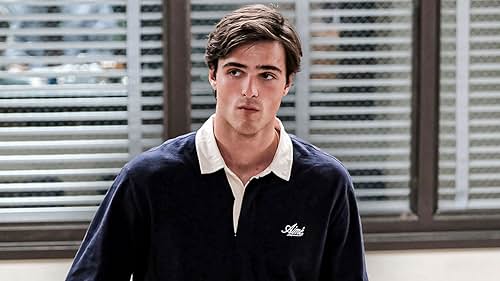
Jacob Elordi shed his Kissing Booth heartthrob identity, starred in Saltburn, and earned an Oscar nomination for Guillermo del Toro’s Frankenstein. Hunter Schafer landed the Blade Runner sequel. Colman Domingo got an Oscar nomination for Rustin.
Zendaya starred in two Dune films, Spider-Man: No Way Home, and Challengers, becoming arguably the most important young actress working in any language. As a result, the power dynamic between show and cast completely inverted. Actors who once needed Euphoria now had to decide whether Euphoria still needed them.
The Losses Nobody Can Script Around
Undoubtedly, two deaths reshape everything about how Season 3 arrives. Angus Cloud, who played Fezco, died on July 31, 2023, at the age of 25. Throughout his life, he had spoken openly about depression and the death of his father.
After all, Fezco was the character audiences loved most, the drug dealer with more heart than anyone in the room, and his absence in Season 3 is the hole the show cannot fill. You do not recast a person who was essentially playing himself. You write around the silence and hope the audience feels it as tribute rather than absence.
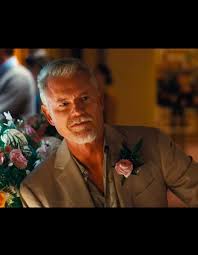
Eric Dane, who played Nate’s father Cal Jacobs, publicly announced his ALS diagnosis in April 2025. Despite the diagnosis, he returned to set. By November 2025, he had completed all of his Season 3 scenes before production wrapped.
Dane passed away on February 19, 2026. As a result, his performance in Season 3 is his final screen work. Every scene he appears in now carries a weight that Levinson could not have written and the audience cannot ignore.
Cal Jacobs was a character hiding a secret life. Eric Dane was a man who knew he was filming his last role and chose to show up anyway.
Where Season 3 Picks Up
A five-year time jump pushes every character out of high school and into the kind of adult chaos that makes adolescence look manageable. Rue is in Mexico, apparently in debt to a drug lord named Laurie who was introduced in Season 2. Cassie and Nate got married and are living in the suburbs, which sounds stable until you remember that nothing involving Nate Jacobs has ever been stable.
Meanwhile, Jules is in art school, anxious about having a career as a painter. Maddy is working at a Hollywood talent agency. Lexi is an assistant to a TV showrunner played by Sharon Stone.
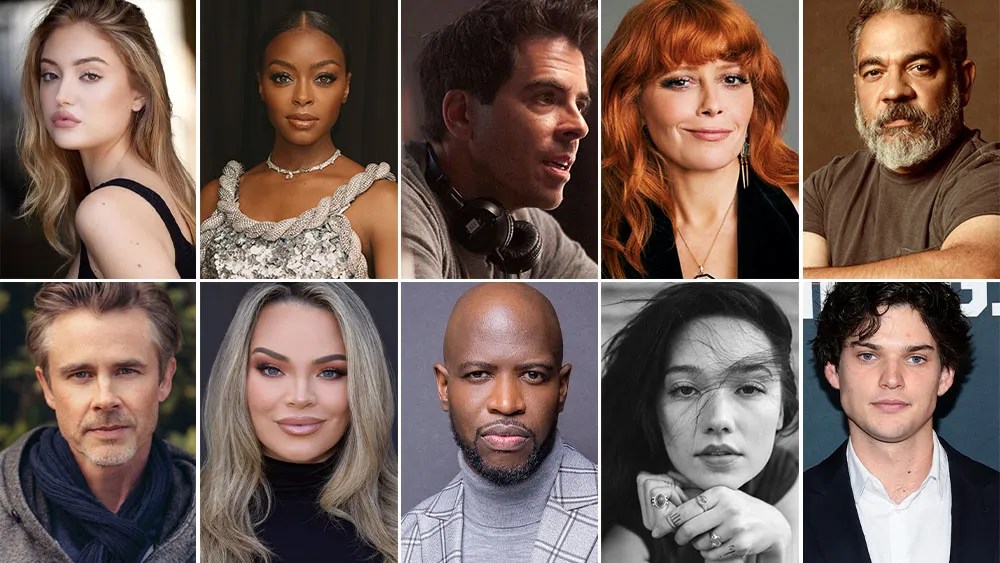
The show added 28 new cast members. Rosalia, Natasha Lyonne, Danielle Deadwyler, Marshawn Lynch, and Trisha Paytas join a roster that already includes some of the most famous young actors alive. Hans Zimmer joined Labrinth on the score. Furthermore, Levinson has signaled this will be the final season, which means the show has eight episodes to resolve four years of accumulated expectation, honor two deaths, and deliver a conclusion worthy of the careers it launched.
With Euphoria Season 3 explained through the lens of its cast, its losses, and its cultural impact, the premiere screens at Coachella on April 12 at midnight, a first for any television series. Regular episodes air Sundays at 9 PM on HBO and Max through a May 31 finale.
Why You Should Care Even If You Never Watch
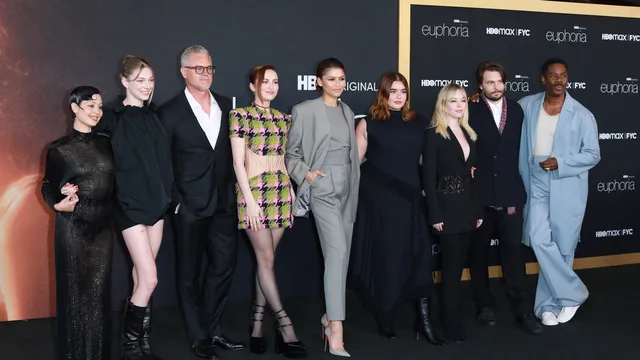
You do not need to have seen Euphoria to understand what it did. Rather, you need to understand what it did to understand the next decade of Hollywood, fashion, and the celebrity economy.
This single show produced the actress who will anchor studio tentpoles for the next twenty years (Zendaya). It produced a business empire that operates like a private equity fund disguised as an acting career (Sweeney). It produced an Oscar nominee who was dismissed as a teen heartthrob three years ago (Elordi).
Additionally, it proved that a supporting role on the right show can launch a leading man career at 54 (Domingo). And it demonstrated, through the stories of Cloud and Dane, that the distance between cultural phenomenon and personal tragedy is exactly zero.
The Euphoria cast did not just get famous. They built the template for how young actors will monetize visibility for the next generation. The full net worth breakdown reads less like an entertainment story and more like a case study in converting cultural capital into durable wealth.
The Strategies Behind the Fame
Sweeney’s five-year business plan at twelve. Elordi’s deliberate reinvention. Zendaya’s refusal to let the biggest role of her career become the only thing people remember.
In essence, these are not celebrity anecdotes. They are strategies. And the people sitting at your dinner table this summer, the ones who nod when Euphoria comes up, already know them.
Your Seven-Day Window
Season 3 premieres April 12. You have seven days. Two seasons.
Sixteen episodes. Or you have this article and the confidence to hold your own at the table. Either way, you now have Euphoria Season 3 explained in terms that hold up at any table. You are no longer the person who does not know what this show is.
Social Life Magazine has covered the intersection of culture, wealth, and the Hamptons social ecosystem for twenty-three years. If you recognize the value of being the person at the table who understands what is happening before it happens, you already understand what we do. For editorial features, brand partnerships, or advertising inquiries, contact us at sociallifemagazine.com/contact.
Luxury brands, wellness companies, and lifestyle entrepreneurs looking for placement inside the Hamptons’ most established publication can explore our tiered feature options at Submit a Paid Feature. Three tiers. Full editorial treatment. The kind of exposure that compounds.
Our email list reaches 82,000 subscribers who spend summers between Westhampton and Montauk and winters on the Upper East Side. These are the people who read first and buy second. Join them.
Polo Hamptons returns July 18 and July 25, 2026, to Bridgehampton. BMW is in its seventh year as title sponsor. 1,200 guests. Average net worth $3.62 million. If your brand belongs in the conversation, it belongs on the field. polohamptons.com.
Print subscriptions deliver five summer issues and two fall/winter editions to the addresses that matter. 25,000 copies per summer issue across boutiques from Westhampton to Montauk. 15,000 fall/winter copies to Upper East Side doorman buildings. Subscribe here.
Independent luxury journalism does not fund itself. If this article gave you something worth reading, consider a $5 contribution to support the work. Donate here.
Related Reading
- Euphoria Cast Net Worth 2026: Who Won, Who Lost, and Who Disappeared
- Zendaya Net Worth 2026: Oakland to $30M Empire
- Sydney Sweeney Net Worth: How She Built a $40M Empire by 28
- Zendaya and Tom Holland Net Worth 2026: $55M Combined
- Zendaya and Tom Holland Are Married. You Missed It.
- Maude Apatow Net Worth 2026: Full Career Breakdown
- It Girls of the Early 2000s: Where Are They Now?
Author

Written by
Recent Posts
Barbie Ferreira Net Worth 2026: The Euphoria Star Who Got Erased and Rebuilt Anyway
Jacob Elordi Net Worth 2026: The House Painter’s Son Who Turned Down Superman
Angus Cloud: The Euphoria Star Found on a Brooklyn Street and Lost at 25
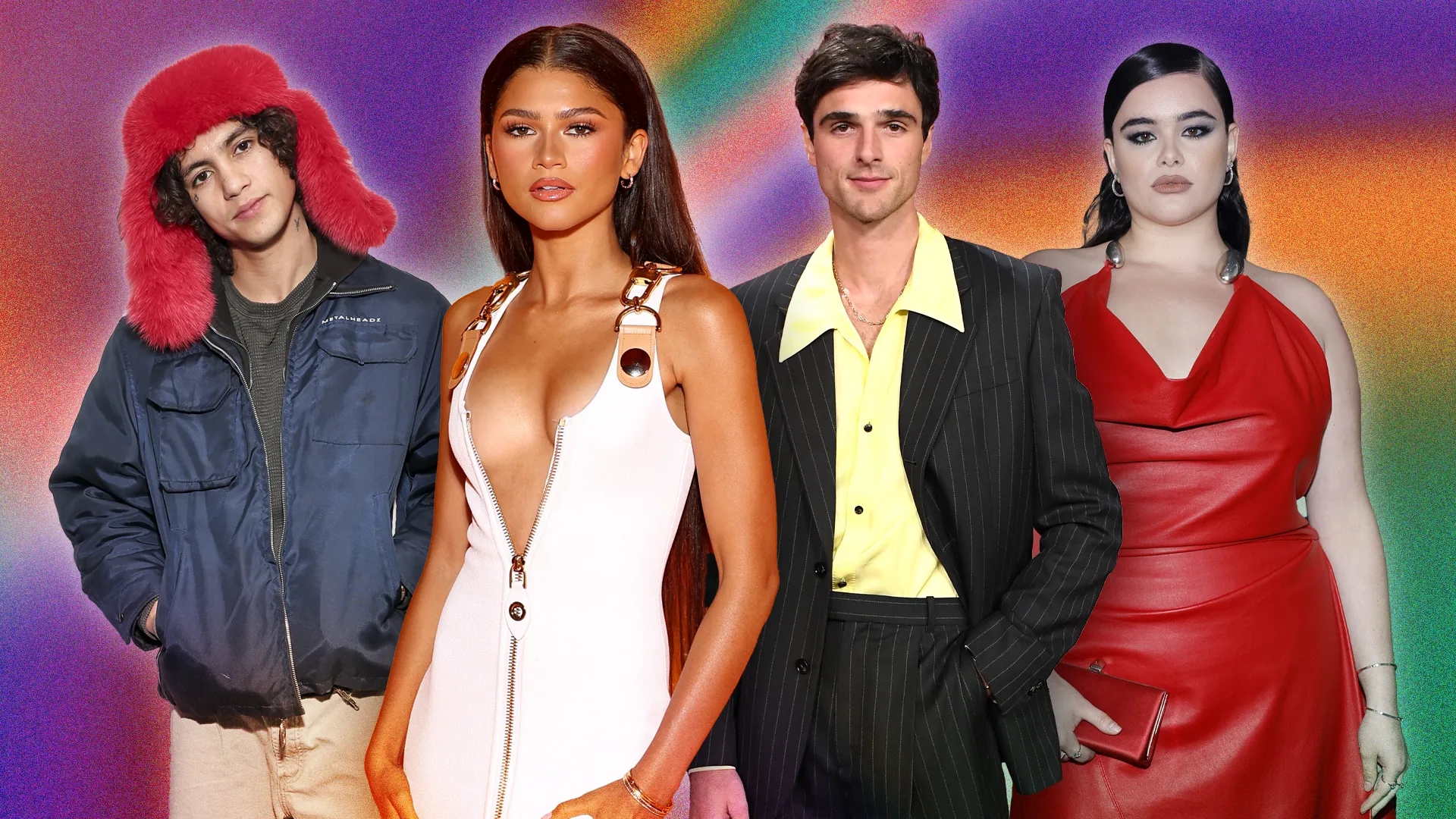
Euphoria Cast Net Worth 2026: Who Won, Who Lost, and Who Disappeared
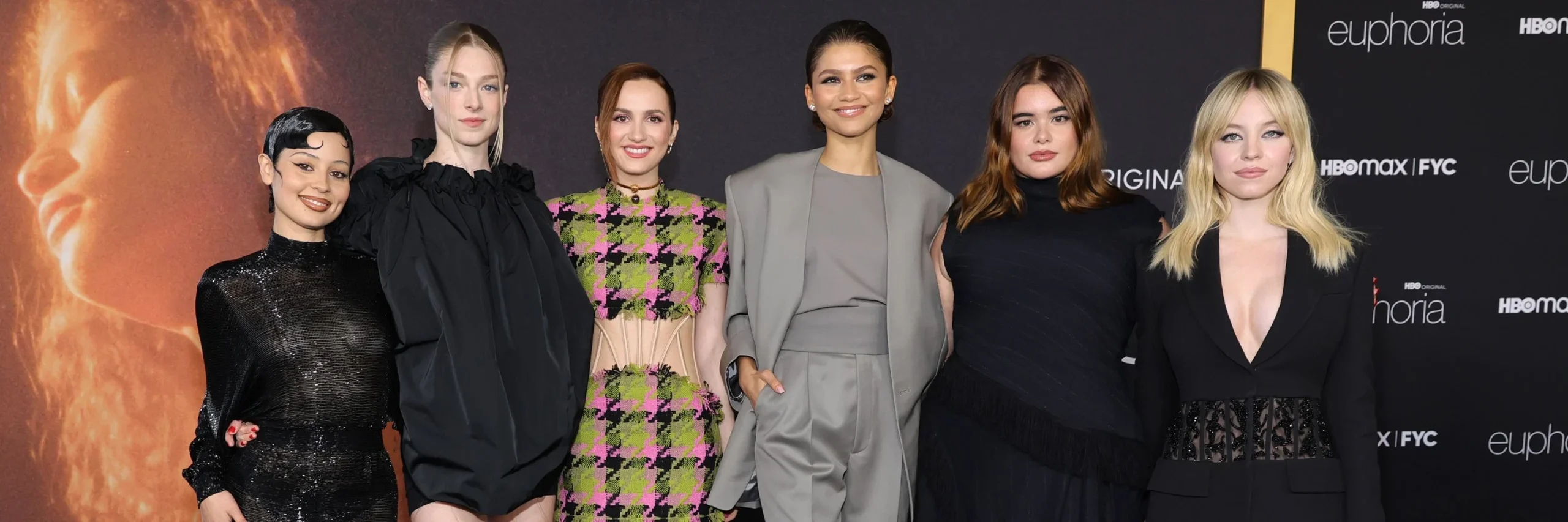
Euphoria Season 3 Explained: The Origin Story You Need Before April 12
Categories
- Art
- Articles
- Beauty & Skincare
- Celebrities
- Celebrities|The Chronicles
- Chronicles
- Entertainment|Culture
- Event Photos
- Events
- Fashion
- Fashion & Style
- Featured
- Food & Beverage
- Food, Spirits, Wine
- Hamptons
- Hamptons Celebrities
- Hamptons Celebrities|Celebrities|The Chronicles
- Health
- Health & Beauty
- Lifestyle
- Luxury Lifestyle
- Movies|Hamptons Lifestyle
- Press
- Profiles
- Real Estate
- Technology
- The Chronicles
- Travel
- Uncategorized
- Weddings