

He hasn’t given a major interview in years. His Wyoming ranch spans 800 acres. His aviation hobby includes a $18 million private jet. Harrison Ford’s $300 million fortune grew precisely because he stopped caring about maintaining his fame. Meanwhile, actors with half his talent and twice his Instagram following struggle to pay mortgages.
The misconception that visible celebrities are the wealthiest celebrities persists because visibility is measurable while wealth often isn’t. We see magazine covers, red carpet appearances, and social media posts. We don’t see real estate portfolios, production company stakes, or backend deal structures. This visibility bias causes us to dramatically underestimate the fortunes of celebrities who chose strategic invisibility.
The Misconception: Fame Equals Fortune
Popular culture conflates celebrity with wealth. The logic seems obvious: more famous people appear on more magazine covers, book more campaigns, command more attention. Attention converts to income. Therefore, the most famous must be the richest.
This assumption fails spectacularly when examined against actual net worth data. Many A-list celebrities maintain high visibility while struggling financially. Tabloid fixtures often require constant work to fund lifestyles their fame implies they can afford. Meanwhile, actors who disappeared from public view decades ago have quietly accumulated fortunes that dwarf their more visible peers.
The Economics of Visibility
Visibility costs money. Publicists charge $5,000-50,000 monthly. Stylists require fees for every appearance. Social media teams demand salaries. Security becomes necessary once fame reaches certain thresholds. The machinery of maintaining celebrity presence creates overhead that consumes significant income.
Furthermore, visibility often indicates financial desperation rather than success. Celebrities who constantly appear in tabloids, accept every interview request, and maintain relentless social media presence often do so because they need the work. They cannot afford to disappear. Their visibility is a symptom of their financial situation, not a cause of their wealth.
The Mechanism: How Invisibility Compounds Wealth
Wealthy celebrities who seem less famous than their net worth suggests have usually made deliberate choices to trade visibility for compounding. Understanding these mechanisms reveals why the quiet ones often end up richest.
Tax Efficiency Requires Privacy
Sophisticated wealth management involves structures that don’t benefit from public attention. Family trusts, offshore arrangements, strategic residency choices, and complex entity structures all work better when they’re not being discussed in tabloids. Wealthy celebrities learn that every public statement about money creates audit risk and negotiating disadvantage.
Julia Roberts famously maintains minimal public presence despite being worth $250 million. This privacy extends to her business affairs. Without constant visibility, she can structure deals, manage investments, and plan estates without public scrutiny that might complicate optimization strategies.
Real Estate Appreciation Is Silent
The wealthiest celebrities typically hold significant real estate portfolios that appreciate without any public announcement. A $10 million property purchased in 2005 might be worth $40 million today. This $30 million gain required no public appearances, no interviews, no social media posts. The wealth accumulated invisibly.
Harrison Ford’s Wyoming ranch, Julia Roberts’s Malibu compound, Meryl Streep’s Connecticut estate—these properties compound in value year after year while generating no headlines. The celebrities who accumulated these portfolios decades ago now sit on unrealized gains that dwarf their career earnings.
Backend Deals Don’t Make Headlines
The most lucrative deals in entertainment involve backend participation—percentage stakes in profits rather than upfront fees. Tom Hanks famously took backend points on Forrest Gump instead of his standard $7 million fee. The result was approximately $70 million from a single film. This kind of wealth creation happens in contract negotiations, not press releases.
Celebrities who accumulated backend positions across multiple successful projects built fortunes invisible to the public. We see the movie poster. We don’t see the participation agreement that pays them millions in perpetuity.
Case Study: Julia Roberts’s $250 Million Scarcity Strategy

Julia Roberts was the first actress paid $20 million for a single role. Two decades later, she’s worth $250 million despite working less frequently than almost any A-lister of comparable stature. Her wealth accumulated through strategic absence rather than relentless presence.
The Disappearing Act
After Pretty Woman established her as America’s Sweetheart, Roberts had every opportunity to maximize her visibility. Instead, she systematically reduced her public presence. She gave fewer interviews. She attended fewer events. She took longer breaks between projects. Each absence increased the perceived value of her next appearance.
This scarcity strategy extended to film selection. Rather than accepting every offer, Roberts became selective to the point of seeming retired for stretches. When she did appear—in Erin Brockovich, in August: Osage County, in Homecoming—the appearance became an event precisely because it was rare.
The Lancôme Mathematics
Roberts’s Lancôme ambassadorship demonstrates how scarcity converts to financial terms. The contract reportedly pays $50 million over multiple years. This single endorsement exceeds what many visible celebrities earn from dozens of deals. Lancôme pays the premium specifically because Roberts’s rare public appearances make each one more valuable.
Compare this to celebrities who accept every endorsement offer. Their ubiquity diminishes per-appearance value. Brands pay less because the celebrity’s face is everywhere. Roberts’s strategic invisibility created the premium that Lancôme pays.
The Malibu Compound
Roberts’s real estate strategy mirrors her career strategy. Her Point Dume compound in Malibu, assembled from multiple purchases over years, is now worth over $20 million. Unlike celebrities who buy and sell properties for headlines, Roberts accumulated and held. The compound appreciated while requiring no public attention.
Beyond Malibu, Roberts has owned properties in New York, San Francisco, and Taos. Each acquisition happened quietly. Each appreciated substantially. The portfolio now represents a significant portion of her net worth—wealth that grew through patience rather than publicity.
Case Study: Harrison Ford’s $300 Million Reluctance
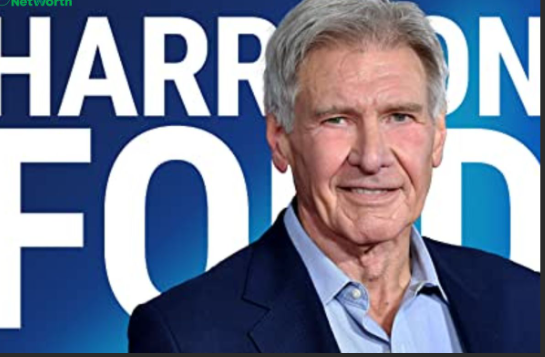
Harrison Ford never wanted to be a movie star. He wanted to be a carpenter. This fundamental reluctance shaped his career choices in ways that inadvertently maximized his wealth. By not caring about fame, he made decisions that fame-seekers would never consider.
The Carpenter’s Mentality
Before Star Wars, Ford was literally building cabinets for Hollywood directors. His acting career had stalled. When George Lucas offered him the Han Solo role, Ford approached it as a job rather than a calling. This detachment gave him negotiating leverage that more desperate actors lacked.
Throughout his career, Ford maintained this craftsman orientation. He showed up, did the work, went home. He gave minimal interviews. He refused to perform the celebrity rituals that other actors accepted as requirements. This refusal to need fame meant studios had to pay more to get him.
Wyoming Over Hollywood
Ford’s primary residence is an 800-acre ranch near Jackson, Wyoming, purchased in the 1980s when Jackson was a small ski town rather than a billionaire enclave. The property has appreciated exponentially while Ford lived his preferred lifestyle—flying his own planes, volunteering for search and rescue, and avoiding the Hollywood machinery entirely.
He donated half the ranch as a nature preserve, reducing his property taxes while creating philanthropic legacy. This kind of strategic planning happens far from paparazzi cameras. Ford’s wealth optimized because he prioritized privacy over visibility.
The Aviation Portfolio
Ford owns as many as ten aircraft, including an $18 million Cessna Citation Sovereign. This collection represents both a genuine passion and a portfolio of appreciating assets. Vintage aircraft, properly maintained, appreciate over time. Ford’s hobby doubles as an investment strategy invisible to fans who only know him from movies.
Case Study: The Character Actor Elite’s Quiet Compounding
Character actors like Willem Dafoe, Jeff Goldblum, Stanley Tucci, and Mark Ruffalo collectively control approximately $145 million despite never achieving A-list tabloid status. Their combined wealth rivals many more famous actors because they understood something about sustainable careers: consistency beats peaks.
Willem Dafoe’s $40 Million Anti-Hollywood Strategy
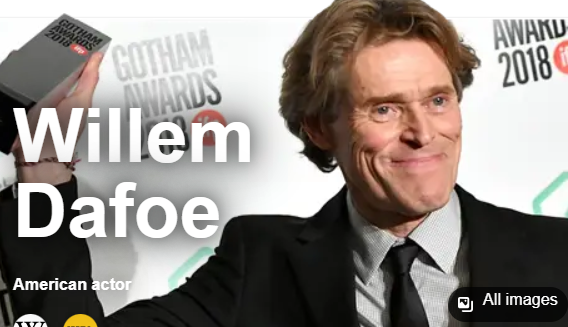
Dafoe lives in a modest Rome apartment despite appearing in over 100 films across four decades. He walked away from blockbuster opportunities repeatedly, choosing experimental theater and independent films over franchise paychecks. This strategy seemed financially foolish at the time.
In retrospect, Dafoe built sustainable wealth through volume and longevity rather than peak earnings. He releases 3-4 films annually even at age 69. Consistent employment across decades compounds more reliably than sporadic blockbuster paychecks. His low-overhead lifestyle means more of each check converts to net worth.
Jeff Goldblum’s $45 Million Eccentric Brand
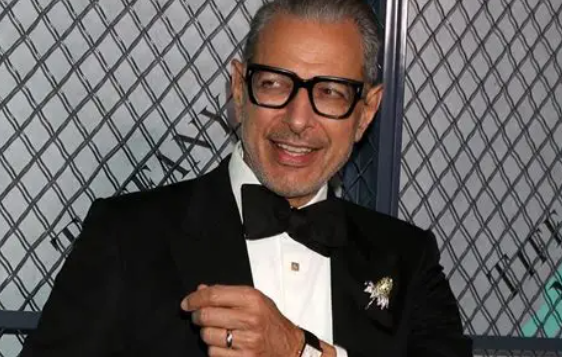
Goldblum turned characteristics that should have limited his career—nervousness, eccentricity, unconventional speech patterns—into a differentiated brand. He became undeniably Jeff Goldblum in every role, creating a recognizable persona that studios pay premium to access.
His wealth grew through consistent work across five decades, supplemented by jazz albums, product endorsements that fit his eccentric brand, and strategic real estate holdings. None of this required tabloid visibility. Goldblum’s fame remains tied to his work rather than his personal life.
Stanley Tucci’s $25 Million Reinvention

Tucci transformed from character actor to lifestyle brand through cookbooks, travel shows, and food-adjacent content. His CNN series “Stanley Tucci: Searching for Italy” created income streams entirely independent of acting. This diversification happened without dramatic publicity—just quiet expansion into adjacent categories.
His Katonah, New York home reflects his positioning: sophisticated but not flashy, comfortable but not ostentatious. Tucci’s wealth accumulated through multiple small streams rather than headline-grabbing deals.
Case Study: Claudia Schiffer’s $75 Million Disappearing Act
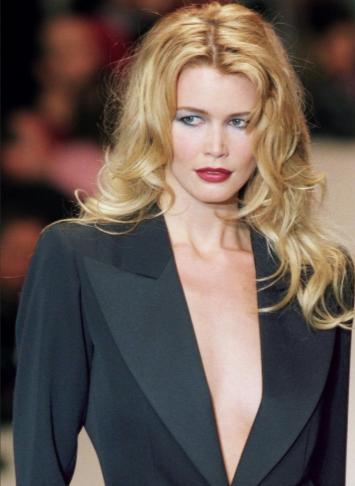
Claudia Schiffer dominated ’90s supermodel culture alongside Cindy Crawford, Naomi Campbell, and Linda Evangelista. Then she essentially vanished from public view. Her net worth continued growing precisely because she stopped appearing.
The Strategic Withdrawal
After marrying film director Matthew Vaughn, Schiffer retreated to their English country estate. She stopped accepting most interviews, reduced runway appearances to near zero, and raised her children away from media attention. This withdrawal seemed like retirement.
In reality, Schiffer’s existing licensing deals and investments continued generating returns. Her Chanel relationship, established during peak fame, maintained value through scarcity. Fewer Claudia Schiffer sightings meant each sighting commanded more attention—and higher compensation.
Country Estate Compounding
The Schiffer-Vaughn estate in Suffolk represents the kind of wealth that doesn’t make headlines. English country property, properly maintained, appreciates steadily across generations. The family’s privacy allows for lifestyle optimization impossible under constant media scrutiny.
Schiffer’s occasional fashion appearances now command premium rates precisely because they’re rare. Her absence became her brand, and that brand generates returns without requiring her presence.
The Patterns: Why Privacy Protects Wealth
Examining these case studies reveals consistent patterns explaining why quiet celebrities often end up richer than visible ones.
Tabloid Presence Often Indicates Financial Desperation
Celebrities who appear constantly in tabloids, who accept every interview, who maintain aggressive social media presence often do so because they cannot afford not to. They need the exposure to book work. They need the work to fund lifestyles. Their visibility is a symptom of their financial precariousness.
Conversely, celebrities who can afford to disappear usually have. They don’t need the work. They don’t need the visibility. Their absence reflects financial security rather than career failure.
Real Estate Is the Quiet Wealth Builder
Every wealthy celebrity in this analysis owns significant real estate acquired decades ago. Julia Roberts’s Malibu compound, Harrison Ford’s Wyoming ranch, the character actors’ various properties—all appreciated substantially while requiring no publicity. Real estate compounds silently.
Celebrities who invested in property rather than lifestyle during peak earning years now sit on portfolios worth multiples of their original investments. This wealth is invisible to fans who only see film credits.
Production Ownership Beats Acting Fees
The wealthiest actors transitioned from talent to owners. Ford’s backend deals. Dafoe’s consistent volume. Tucci’s production and lifestyle ventures. Ownership compounds while fees expire. The actors who understood this distinction early accumulated more wealth than those who maximized per-project fees.
Low Overhead Enables Compounding
Celebrities with modest lifestyles relative to their income accumulate wealth faster. Dafoe’s Rome apartment costs a fraction of a Beverly Hills mansion. Tucci’s Westchester lifestyle requires less income than Manhattan penthouses. Lower overhead means more income converts to net worth rather than consumption.
The Playbook: What This Reveals About Wealth Building
These patterns offer lessons applicable beyond celebrity finance.
Visibility and Wealth Often Move Inversely
People who constantly display their success often have less success to display. Genuine wealth typically seeks privacy for tax efficiency, social comfort, and security reasons. The quiet ones at the party may be the richest ones there.
Consistency Beats Peaks
Character actors working steadily for 40 years often end up wealthier than stars who peaked dramatically but briefly. Consistent income across decades compounds more reliably than sporadic windfalls followed by dry spells.
Accumulate Assets, Not Attention
Real estate, business equity, and backend participation all grow without public attention. Attention-dependent income stops when attention fades. The celebrities who prioritized asset accumulation over attention maintenance built more durable fortunes.
Strategic Scarcity Creates Premium
Julia Roberts’s Lancôme deal pays premium rates because her appearances are rare. This scarcity principle applies broadly: making yourself less available often increases the value of your availability. Ubiquity commoditizes; scarcity premiumizes.
The Bottom Line: Don’t Trust Visibility
The misconception that famous equals wealthy persists because visibility is observable while wealth is private. We see celebrities on magazine covers and assume those covers generate proportional wealth. In reality, the cover often generates more value for the magazine than for the celebrity.
The quietest celebrities—the ones we assume have faded away—often accumulated the largest fortunes. Harrison Ford’s Wyoming isolation. Julia Roberts’s Malibu retreat. Claudia Schiffer’s English countryside. Willem Dafoe’s Roman apartment. Each choice prioritized compounding over visibility.
Their wealth grew because they stopped caring about appearing wealthy. They optimized for asset accumulation rather than attention accumulation. They understood that real wealth whispers while fake wealth screams.
The next time you wonder about a celebrity who seems to have disappeared, consider that their disappearance might be the most financially sophisticated choice they ever made.
Related Articles
- Julia Roberts Net Worth 2025: America’s Rarest Sweetheart and Her $250 Million Disappearing Act
- Harrison Ford Net Worth 2025: The Carpenter Who Built Hollywood’s Greatest Franchises
- Character Actor Elite Net Worth 2025: The $145 Million Club That Refused to Play the Game
- Willem Dafoe Net Worth 2025: The $40 Million Anti-Hollywood Strategy
For features, advertising partnerships, and editorial inquiries, visit sociallifemagazine.com/contact. Experience the Hamptons’ premier polo events at polohamptons.com. Subscribe to our print edition for exclusive Hamptons coverage delivered to your door. Support independent luxury journalism with a $5 contribution to Social Life Magazine.
Author

Written by
Recent Posts

Midsommar A24 Cast Net Worth — The Daylight Horror That Turned Grief Into a Career Launchpad
ZOI NOMAD & TEN11 LOUNGE MARK ONE YEAR

Room A24 Cast Net Worth — The $6 Million Captivity Drama That Set Brie Larson Free

The Witch A24 Cast Net Worth — A $3.5 Million Puritan Nightmare That Created a Queen and a King
A24 Genre Stars Net Worth — The Terrifying Fortunes Behind Horror, Sci-Fi, and Oscar Gold
Categories
- Art
- Articles
- Beauty & Skincare
- Celebrities
- Celebrities|Movies
- Celebrities|The Chronicles
- Chronicles
- Entertainment|Culture
- Event Photos
- Events
- Fashion
- Fashion & Style
- Featured
- Food & Beverage
- Food, Spirits, Wine
- Hamptons
- Hamptons Celebrities
- Hamptons Celebrities|Celebrities|The Chronicles
- Health
- Health & Beauty
- Lifestyle
- Luxury Lifestyle
- Movies
- Movies|Culture
- Movies|Hamptons Lifestyle
- Press
- Profiles
- Real Estate
- Technology
- The Chronicles
- Travel
- Uncategorized
- Weddings