
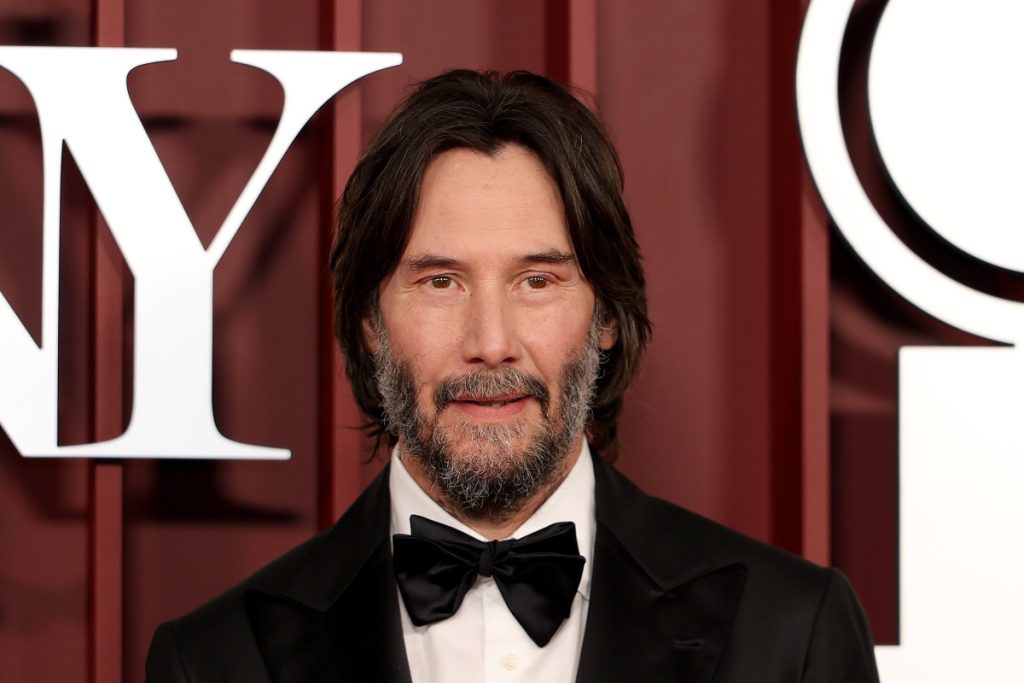
The most counterintuitive fact about the Keanu Reeves net worth — currently estimated at $380 million — is how little the money explains. Plenty of actors earn fortunes. Very few earn the specific kind of devotion that Reeves commands, where strangers on the internet genuinely worry about whether he’s happy. The money came from two of cinema’s most lucrative franchises, a motorcycle company, and a negotiating instinct that rivals any dealmaker on Wall Street. The devotion came from somewhere else entirely. It came from loss.

Reeves’ role as Julian Mercer in Something’s Gotta Give occupies a small space in his filmography but a large one in his biography. He played a young doctor who falls in love with a woman decades older without a trace of irony or condescension. The casting seemed unlikely. The performance was flawless. And the reason it worked — the reason Keanu Reeves could sell genuine, uncomplicated adoration for another human being so convincingly — is that genuine, uncomplicated adoration is the only gear he’s ever had.
The Before: Born in Beirut, Abandoned by Three
Keanu Charles Reeves was born on September 2, 1964, in Beirut, Lebanon. His name means “cool breeze over the mountains” in Hawaiian. Patricia Bond, his mother, was an English costume designer. His father, Samuel Nowlin Reeves Jr., was a geologist of Hawaiian, Chinese, and English descent who earned his GED while serving time in a Hawaiian prison for selling heroin at Hilo International Airport. Samuel abandoned the family when Keanu was three years old. They saw each other sporadically until Keanu was thirteen. Then not at all.
What followed was a childhood defined by impermanence. Patricia moved the family from Beirut to Sydney to New York to Toronto, marrying and divorcing along the way. Keanu attended four different high schools. He excelled at hockey — teammates called him “The Wall” for his abilities as a goaltender — and struggled academically due to dyslexia. He dropped out before graduating. A struggle with reading didn’t stop him from wanting to perform. At fifteen, he played Mercutio in a stage production of Romeo and Juliet. By eighteen, he was paying his own way through the world.
The wound here isn’t dramatic in the way Hollywood prefers. There was no single catastrophic event. There was instead a sustained absence — of a father, of a stable home, of the baseline certainty that the ground beneath you will still be there tomorrow. That absence taught Reeves two things. First, that attachment is fragile. Second, that the fragility makes it more valuable, not less. Both lessons show up in every performance he’s ever given.
The Pivot: From $3,000 to Neo in a Decade
Reeves’ first film paycheck was approximately $3,000 for playing a hockey goaltender in 1986’s Youngblood alongside Rob Lowe and Patrick Swayze. Within three years, Bill and Ted’s Excellent Adventure made him a household name. Within ten, Speed made him an action star. Then the Wachowskis called.

Reportedly, Reeves initially resisted the physical demands of The Matrix. He told the directors he was tired and wanted to do Chekhov. They told him he could do Chekhov when he was older. The 1999 film earned him $15 million upfront plus a percentage of gross receipts. Across three Matrix films, Reeves earned an estimated $250 million — a figure that represents the bulk of the Keanu Reeves net worth. However, what he did with that money matters more than the amount itself.
According to multiple accounts, Reeves bought the twelve-person stunt team custom Harley-Davidson motorcycles after production wrapped on The Matrix Reloaded. For The Devil’s Advocate, he deferred $2 million of his own salary so the production could afford Al Pacino. He repeated the move on The Replacements to secure Gene Hackman. These weren’t publicity stunts. Most of these gestures weren’t reported until years later. Generosity, for Reeves, operates as a private practice rather than a public performance.
The Losses: What the Net Worth Can’t Measure
In 1999, Reeves and his girlfriend Jennifer Syme learned their daughter Ava Archer Syme-Reeves was stillborn at eight months. The couple separated shortly afterward, unable to navigate the grief together. On April 2, 2001, Jennifer Syme was killed in a car accident. She was 28 years old. Keanu Reeves lost a child and then lost the woman he’d made that child with, separated by less than two years.
He has never discussed these losses publicly in any sustained way. Not once has he turned them into a narrative or used them as material for interviews or memoir. What he did instead was continue working, continue being kind to strangers, continue showing up on set with the same fundamental decency that colleagues describe with something approaching disbelief. His John Wick co-star Halle Berry once noted that Reeves treated every single crew member with the same respect he showed the director. That observation gets repeated so often across so many productions that it stops being anecdote and becomes data.
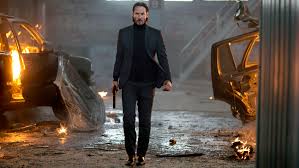
Understanding these losses reframes the Keanu Reeves net worth from a success story into something more complex. The money is $380 million. The cost of arriving at that number includes abandonment, rootlessness, a dead child, and a dead partner. Most people would build walls after that inventory of grief. Reeves appears to have done the opposite. He became more open. That choice — repeated daily for twenty-five years — is either supernatural discipline or genuine character. The evidence overwhelmingly suggests the latter.
The Hamptons Chapter: Julian Mercer Was the Argument Nobody Expected
When Nancy Meyers cast Reeves as Dr. Julian Mercer in Something’s Gotta Give, the reaction was puzzlement. Keanu Reeves — the Matrix guy, the Speed guy, the actor primarily associated with action and stoner comedies — playing a sophisticated young doctor who sincerely falls in love with Diane Keaton at 57? The casting seemed like a miscalculation. It turned out to be the film’s secret weapon.
Julian Mercer serves a structural purpose that most viewers feel without analyzing. He proves that Erica Barry’s desirability is not Harry Sanborn’s gift to bestow. Before Harry arrives, a brilliant, handsome, younger man already sees what Harry is too afraid to recognize. Julian doesn’t find Erica attractive despite her age. He finds her attractive — full stop. The qualifier never enters his vocabulary. Reeves played this without a single wink, without a moment of self-consciousness, without any suggestion that his character’s feelings required explanation or defense.
That performance resonates differently once you understand Reeves’ biography. A man who lost the love of his life at 28 would understand, at a cellular level, that beauty and connection are not allocated by age bracket. Julian Mercer’s earnestness wasn’t acting. It was autobiography. For every woman on the East End who’s been made to feel that her romantic relevance expired at some demographic checkpoint, Julian Mercer exists as evidence to the contrary. The Hamptons audience needed that argument. Reeves was the only actor who could make it without irony.
What He Built: Motorcycles, Books, and Alexandra Grant
Beyond the $380 million and the franchise paychecks, Reeves has constructed a life that looks nothing like a typical Hollywood fortune. He co-founded Arch Motorcycle Company, which produces handcrafted performance motorcycles that start around $85,000 — beautiful machines built with the same obsessive attention to detail that characterizes his stunt work. He co-founded X Artists’ Books, a small publishing house, with his partner Alexandra Grant. The company’s mission statement reads like something a thoughtful person actually wrote rather than a branding exercise.
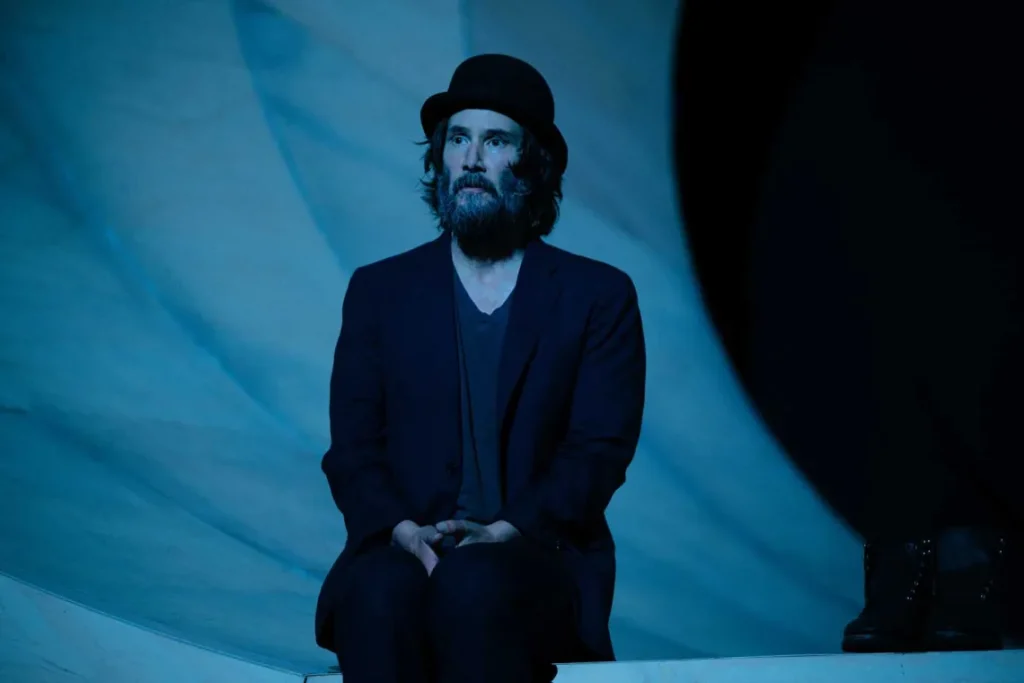
Grant herself represents the most compelling chapter of the Keanu Reeves story. A 52-year-old visual artist, she met Reeves in 2009 at a dinner party. They collaborated on two books before their friendship became romantic around 2019. They went public at the LACMA Art + Film Gala that November, holding hands. The internet responded with genuine joy — not the performative enthusiasm usually reserved for celebrity couples, but actual happiness that this particular person had found someone. In January 2026, Grant shared photos from a date where they went ice skating at Rockefeller Center after his Broadway debut in Waiting for Godot. They looked like two people who couldn’t believe their luck.
Grant has silver hair. She doesn’t hide it, dye it, or apologize for it. That detail matters in the context of Something’s Gotta Give and the Hamptons social scene it represents. Twenty years after playing a man who loved a woman without qualifying that love by age, Reeves is living with a woman who refuses to perform youth as a precondition for being loved. Julian Mercer wasn’t a character. He was a preview.
The Soft Landing: A Man the Internet Decided to Protect

Keanu Reeves turned 61 in September 2025. He recently completed his Broadway debut in Waiting for Godot and is attached to an upcoming film called Outcome alongside Jonah Hill and Cameron Diaz. Still rides the subway. Still gives up his seat to strangers. When asked about money, he told the Chicago Tribune that it’s the last thing he thinks about and that he could live on what he’s already made for the next few centuries.
The cultural position Reeves occupies — the internet’s most beloved human, the one celebrity whose reputation appears genuinely unassailable — didn’t happen by accident and it didn’t happen through curation. It happened because grief either makes people smaller or larger, and Reeves chose larger. Every generous gesture, every moment of kindness captured on camera or reported secondhand, carries the implicit context of what he’s survived. The generosity isn’t notable because he’s rich. It’s notable because he has every reason in the world to be guarded, and he isn’t.
For the Hamptons crowd, Reeves represents a specific challenge. The East End social economy runs on performed confidence, strategic generosity, and the careful management of public image. Reeves doesn’t perform confidence. He exudes calm. His generosity isn’t strategic. It’s reflexive. His public image isn’t managed. It just is. The Keanu Reeves net worth is $380 million. But the Keanu Reeves example — that loss doesn’t have to harden you, that kindness compounds, that the right person will find you if you stop performing long enough to be found — is the kind of return no portfolio manager can replicate. Smart money says be more like Keanu. Smarter money already knew that.
Related Reading
- Why Every Woman East of Shinnecock Still Lives Inside Something’s Gotta Give
- Diane Keaton Net Worth: The $100 Million Fortune Built on Talent, Turtlenecks, and the Homes She Left Behind
There’s a moment in every great movie where a character finally sees what was always in front of them. That’s what Social Life Magazine does for the Hamptons — it holds up a mirror to a world most people only glimpse from the outside, and it lets you see yourself in the frame.
Want to be featured in Social Life Magazine? Whether you’re a brand, a tastemaker, or a story waiting to be told, our editorial team crafts narratives that position you exactly where you belong. Reach out to our editorial team today.
Ready for guaranteed placement? Our Paid Feature program puts your story in front of 25,000 affluent readers per issue — with full creative control and premium positioning. Submit a Paid Feature today.
Join 82,000+ readers who get the Hamptons delivered. Our email list is the inside track for events, features, and access you won’t find anywhere else. Subscribe to our email list.
Experience the event of the summer. Polo Hamptons brings together the East End’s most influential crowd for world-class polo, luxury brand activations, and the kind of networking that actually moves the needle. Get your tickets and sponsorship info at PoloHamptons.com.
Want Social Life in your hands? Our print issues are collector’s items — 25,000 copies distributed from Westhampton to Montauk every summer, plus fall and winter editions to Upper East Side doorman buildings. Subscribe to the print edition.
Love what we do? Keep it going. Social Life Magazine has been the Hamptons’ cultural record for 23 years. Your support helps us keep telling the stories that matter. Donate $5 to support Social Life Magazine.
Author

Written by
Recent Posts

Amanda Peet Net Worth: The Brilliant Dinner Guest Hollywood Forgot to Invite Back
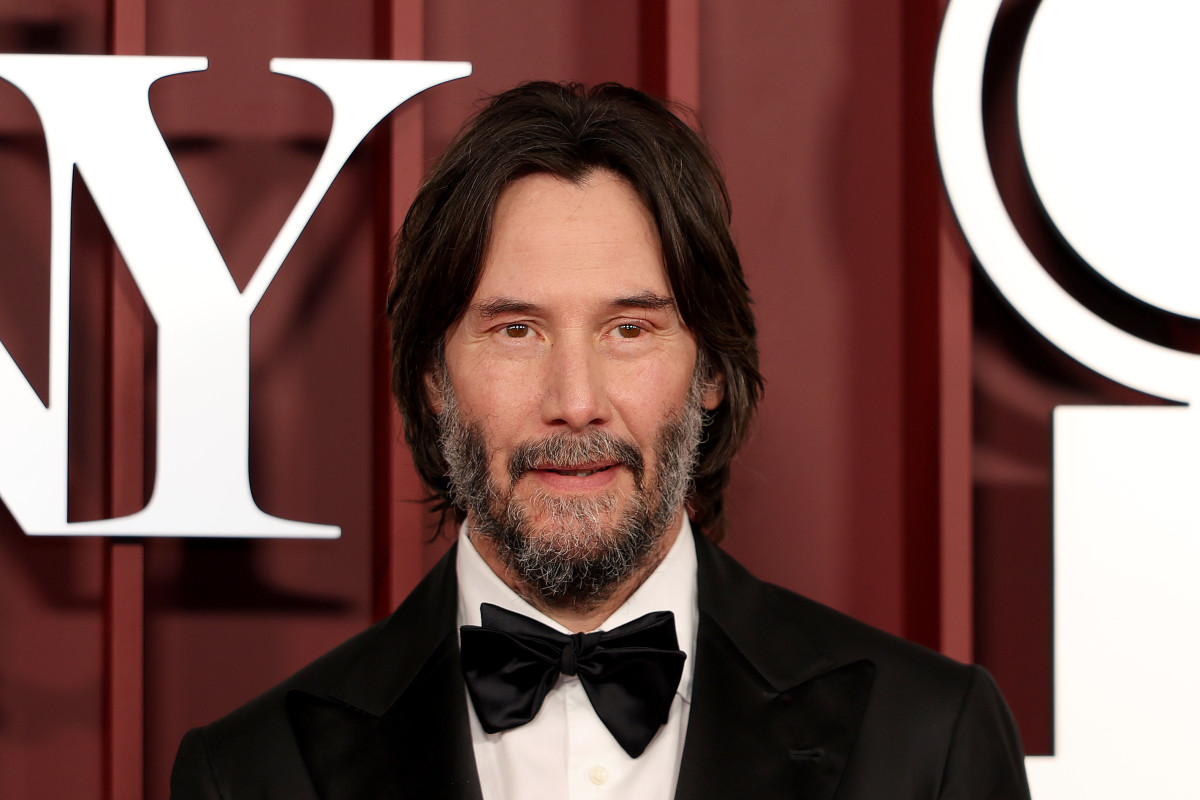
Keanu Reeves Net Worth: Infinite Losses, and the Role That Proved Kindness Compounds
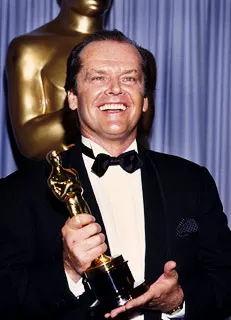
Jack Nicholson Net Worth: Three Oscars, and the Role He Couldn’t Stop Playing

Diane Keaton Net Worth: The Fortune Built on Talent, Turtlenecks, and the Homes She Left Behind
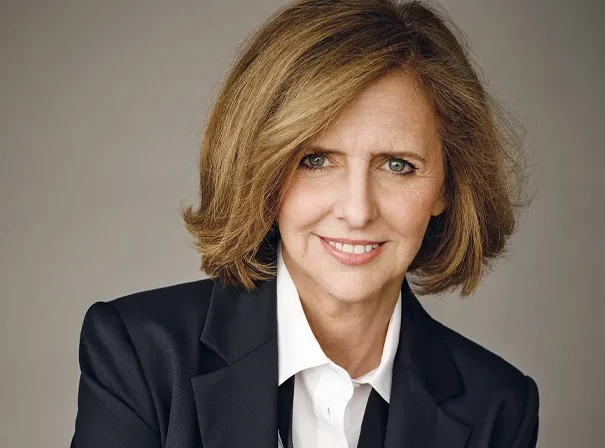
Nancy Meyers Net Worth: A Filmography, an Inheritance, and the Kitchen That Sold the Hamptons
Categories
- Art
- Articles
- Beauty & Skincare
- Celebrities
- Celebrities|The Chronicles
- Chronicles
- Entertainment|Culture
- Event Photos
- Events
- Fashion
- Fashion & Style
- Featured
- Food & Beverage
- Food, Spirits, Wine
- Hamptons
- Hamptons Celebrities
- Hamptons Celebrities|Celebrities|The Chronicles
- Health
- Health & Beauty
- Lifestyle
- Luxury Lifestyle
- Movies|Hamptons Lifestyle
- Press
- Profiles
- Real Estate
- Technology
- The Chronicles
- Travel
- Uncategorized
- Weddings