

Mariah Carey net worth sits at approximately $350 million. That number is the product of two divorces, one broken engagement, and a public breakdown that should have ended everything. Specifically, it also includes a holiday song recorded in 1994 that now generates millions every December without her lifting a finger. However, the accounting does not begin with the music. It begins with the marriage — and with what Carey understood about leverage that most people only learn after they have already lost it.

This is not a story about a diva. Instead, it is a case study in serial renegotiation. Every exit made her stronger. The question worth asking is how, and whether the pattern was deliberate or simply the outcome of a woman too commercially durable to stay down.
The Before: Struggling Songwriter, the Record Deal, and the Man Who Controlled Everything
Mariah Carey was born on March 27, 1969, in Huntington, New York. Her upbringing was marked by financial instability and a mixed-race identity that created social friction in multiple directions. Alfred Roy Carey, her father, was of Afro-Venezuelan and Black American descent. Patricia, her mother, was an Irish-American opera singer who gave Mariah her first vocal training. The household was not wealthy. The talent, however, was extraordinary from the beginning.
Consequently, she moved to New York City at 18 with minimal money and a demo tape. She worked as a hat checker, a waitress, and a hostess while pursuing the music industry through every available channel. Specifically, a chance encounter at a CBS Records party in 1988 put her demo into the hands of Tommy Mottola, then president of CBS Records. Notably, he signed her within days.
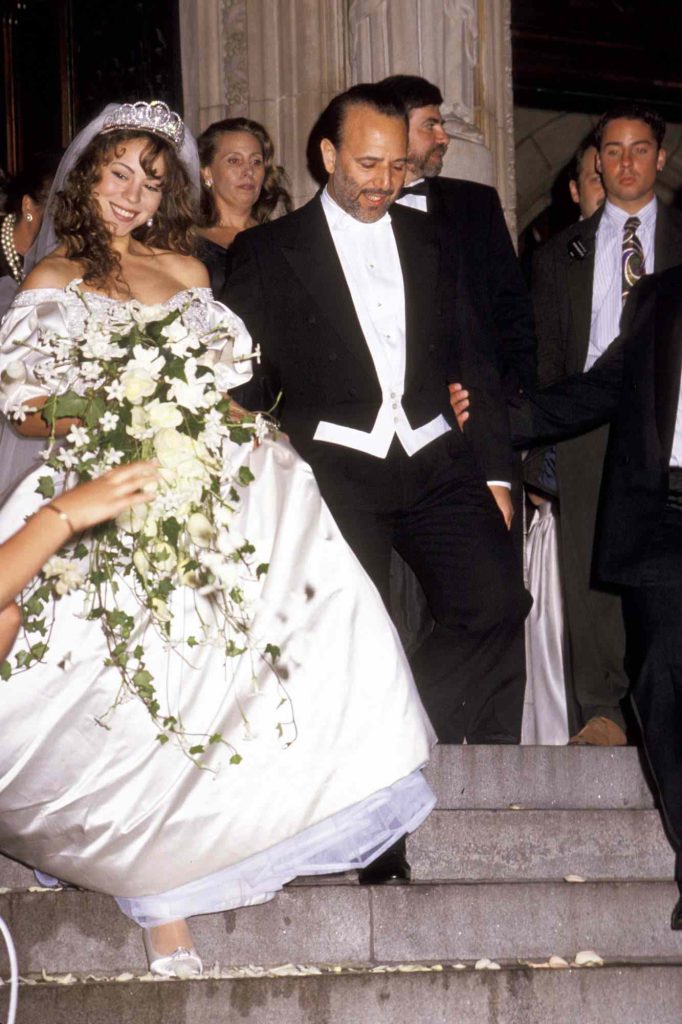
What the Mottola Deal Actually Meant
The recording contract was career-making. Indeed, her debut album in 1990 produced four number-one singles, a Grammy for Best New Artist, and a cultural arrival that few debut artists have matched before or since. However, the professional relationship with Mottola contained an architecture that would take years to fully understand. He shaped her image, controlled her output, limited her public access, and built the infrastructure of her career in ways that made the personal and professional boundary difficult to locate.
They married in 1993, though the arrangement that followed was anything but conventional. Mottola was simultaneously her husband, her label president, and the person who controlled every significant professional decision she made. That structure would prove important when it ended.
The Pivot Moment: The Mottola Divorce and What It Actually Cost Her
Carey filed for separation from Mottola in 1997 and finalized the divorce in 1998. The settlement terms were never fully disclosed. What was disclosed, through her subsequent interviews and memoir, was the scope of what the marriage had been. Notably, it included surveillance, isolation, and control over her wardrobe, friendships, and public image. Instead, the divorce was structural liberation from a professional arrangement that had limited her autonomy for nearly a decade.
The financial cost of that liberation was significant. Subsequently, her first post-Mottola album, Butterfly, marked the beginning of a creative pivot toward R&B that her fanbase responded to unevenly. A difficult period at EMI followed. It culminated in a public breakdown in 2001, a hospitalization, and a contract buyout that cost EMI a reported $28 million. Carey received a portion of that payment. Nevertheless, the period produced no commercially significant music and considerable personal damage.
The Recovery Architecture Nobody Credited
What followed the breakdown is the part of the Mariah Carey net worth story that the tabloid framing consistently underweights. Rather than retreating, Carey rebuilt methodically. She signed with Island Def Jam. She released The Emancipation of Mimi in 2005 — the best-selling album of that year globally, with over 10 million copies sold. Ultimately, that album was not simply a comeback. It was proof of concept: the asset had not degraded. The infrastructure around it had. Once she rebuilt the infrastructure on her own terms, the asset performed again.
The Climb: Building Recurring Revenue While the World Was Counting Her Out
The Mariah Carey net worth story is fundamentally a story about recurring revenue. Specifically, her holiday catalog represents one of the most durable passive income streams in modern music. According to Bloomberg Wealth, “All I Want for Christmas Is You” generates an estimated $2.5 to $3 million annually in streaming and licensing royalties, with cumulative earnings from the song now exceeding $60 million. That figure compounds every year without new creative output.
Her Las Vegas residency, The Elusive Chanteuse Show, ran from 2015 to 2017 and grossed over $50 million. A subsequent residency, The Butterfly Returns, extended the model. Both residencies maximized per-performance revenue while minimizing touring overhead. That format suited her production preferences and protected her vocal instrument.
The Nick Cannon Chapter and the Clean Exit
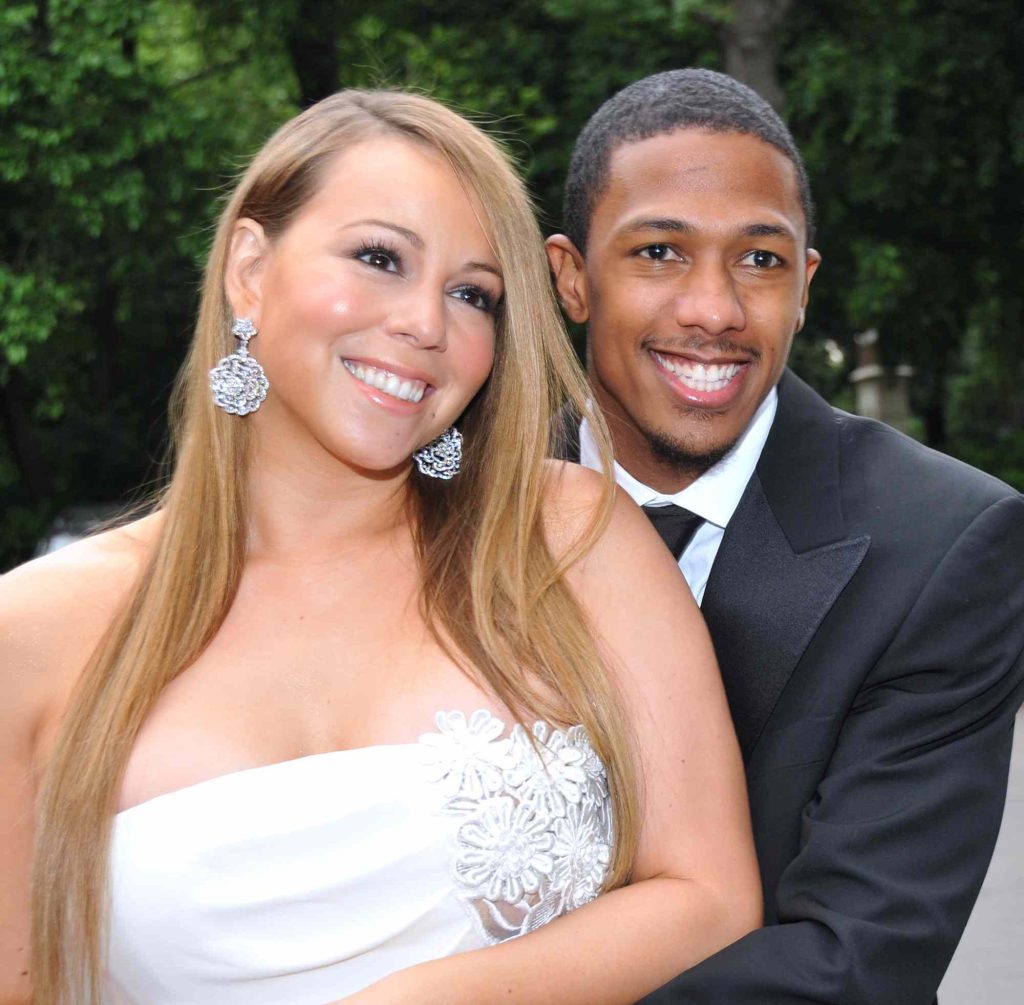
Furthermore, her marriage to Nick Cannon in 2008 added a chapter that resolved cleanly, financially. Cannon entered the marriage as a successful television personality and comedian. However, he was not operating at Carey’s financial scale at any point during the marriage. They divorced in 2016 after eight years and twin children, Monroe and Moroccan.
Notably, her financial architecture had sufficient entity separation built in. Consequently, the marriage’s conclusion required no restructuring and no protracted legal process. Cannon received an education in what it means to be the lower-earning spouse. Specifically, one party controlled a catalog worth hundreds of millions of dollars.
The Hamptons Chapter: What $350M Sounds Like in the East End
Mariah Carey’s relationship with the Hamptons is performative in the way her brand requires and functional in ways that are less visible. She has vacationed in the East End and appeared at events that generated the correct kind of coverage. Specifically, she inhabits the Hamptons social register in the manner of someone who understands that geography is as much a branding instrument as a destination.
However, the more relevant Hamptons parallel is architectural. The Social Life Magazine readership that understands Carey’s trajectory structures its own wealth around recurring revenue and catalog ownership. Single-event income is not the model. Indeed, the Hamptons family office does not think in annual salary terms. It thinks in terms of what compounds when nobody is working. Carey’s Christmas catalog is the musical equivalent of a dividend-paying portfolio — it performs every fourth quarter regardless of what she is doing with the other three.

The Packer Exit and the Pattern Made Explicit
Additionally, the James Packer chapter made Carey’s renegotiation pattern explicit in a way previous relationships had not. Packer was an Australian billionaire worth approximately $4 billion when they became engaged in 2016. The engagement ended later that year. Subsequently, Carey reportedly received a $5 million payment before any formal legal process concluded. It was variously described as a heartbreak fee or compensation for the disruption to her professional schedule.
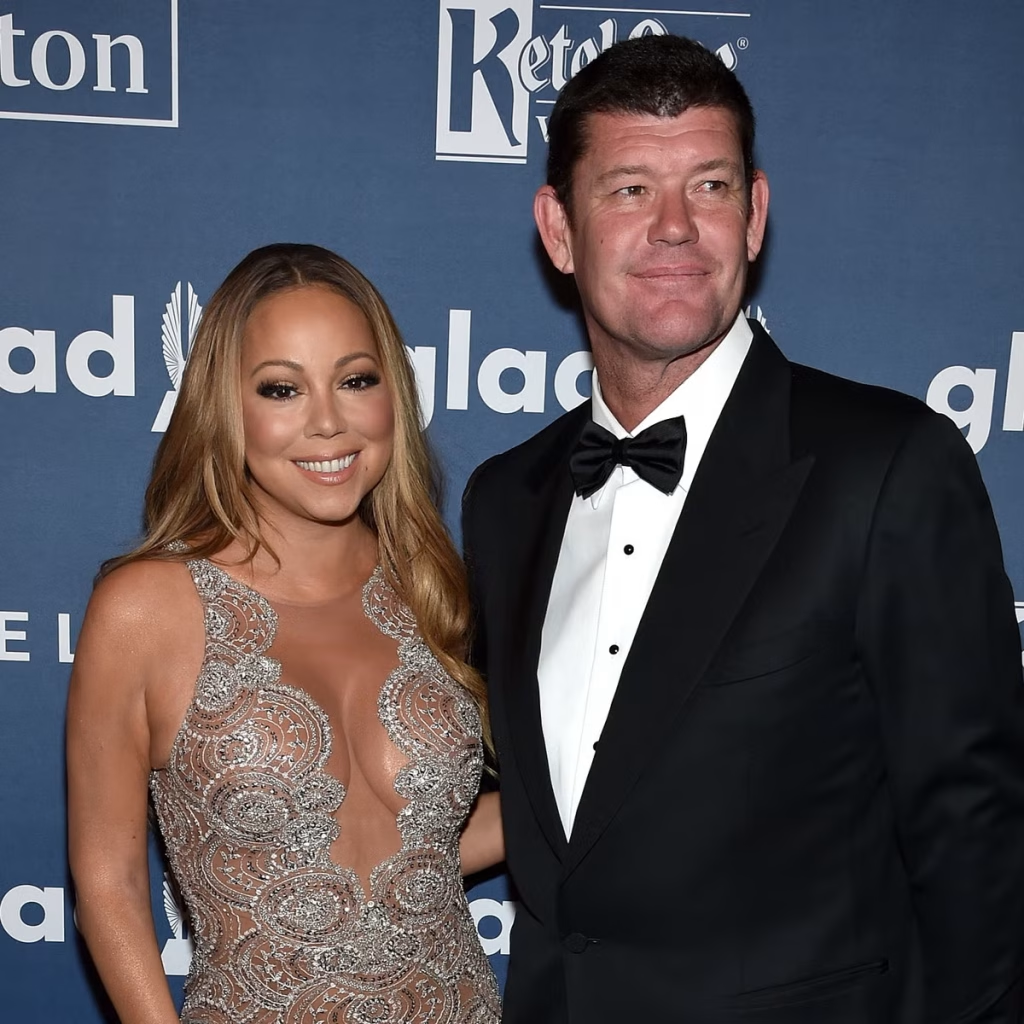
The Hamptons set understood what happened there immediately. Specifically, Carey had converted a failed romantic engagement into a direct financial outcome through a negotiation that most people do not know is possible. The $5 million figure was not a legal settlement. It was market pricing on her time and her brand’s commercial exposure.
What She Built: The Mariah Carey Net Worth Breakdown
The current Mariah Carey net worth figure of approximately $350 million breaks down across several distinct categories. Her recording catalog, spanning eighteen studio albums and decades of international licensing, generates ongoing royalty income from streaming, broadcast, and sync licensing. Specifically, “All I Want for Christmas Is You” alone accounts for an estimated $2.5 to $3 million per year.
Her fragrance line, launched in 2007, has generated over $500 million in cumulative retail sales according to industry estimates. Las Vegas residencies added direct performance income on top of that base. Published in 2020, The Meaning of Mariah Carey became a New York Times bestseller and generated additional licensing conversations. Furthermore, her production company, Butterfly MC Productions, holds rights to content that continues to generate revenue independent of her performance schedule.
The Divorce Variable in the Net Worth Equation
Nevertheless, what makes the Mariah Carey net worth story structurally interesting is not the total. It is the fact that none of her divorces made the total smaller. Indeed, each exit either preserved her financial position or improved it. The Mottola divorce gave her creative autonomy. A clean Cannon settlement followed by design. Packer’s exit generated direct payment. Ultimately, Carey’s romantic history is the most financially efficient in the celebrity case study literature. The relationships were not transactional. Instead, she had built the architecture that made each exit survivable before she needed to survive it.
The Soft Landing: What the Mariah Carey Blueprint Actually Means
The most transferable thing about studying the Mariah Carey net worth story is the catalog principle. Specifically, the asset that generates revenue while you sleep is worth more than the asset that requires you to show up. Carey understood this early, or was forced to through the Mottola experience. Nevertheless, she built her financial life around recurring income streams rather than performance fees.
The Hamptons family office demographic recognizes this immediately. The Carey model is not celebrity. It is asset management. The Christmas song is not a novelty. It is a perpetual license. The fragrance line is not a vanity project. It is a royalty-generating IP portfolio. The Las Vegas residency is not a concert tour. Instead, it is a high-margin recurring revenue event with fixed overhead and predictable attendance.
The Renegotiation Principle
Indeed, what distinguishes Carey from most of her contemporaries is not the talent, though the talent is extraordinary. Instead, it is the willingness to renegotiate at every exit point. She never accepted the terms that simply arrived with the ending. Consequently, each divorce became a clarification rather than a loss — a reset of the financial architecture around terms that better reflected her actual market value.
That principle travels. It works at every income level, in every negotiation, in every room where someone is deciding what they are worth and whether to accept what is being offered. The people who come out ahead — in the Hamptons and everywhere else — arrive at the negotiation knowing their number. They know it before the other side has finished speaking.
The answer, as always, is in the catalog.
For the full hub on celebrity divorce net worth settlements, read the celebrity divorce net worth settlement hub. For more profiles, explore the celebrity net worth hub and the Hamptons dining guide at Social Life Magazine.
Here is the thing nobody mentions: the people who read this far are, almost without exception, the people who were always going to read this far. That is the water. The fact that you are already in the room — already the kind of person whose attention lands here rather than somewhere else — goes unexamined because it is so thoroughly present it becomes invisible. The way the fish cannot see the water. The way the hedge fund principal cannot see that the party he is at is not a party but a meeting that nobody has called a meeting because calling it a meeting would make it less effective as one.
Social Life Magazine has been operating inside that room for twenty-three years — five summer issues from Westhampton to Montauk, fall delivery to Upper East Side doorman buildings, 25,000 readers who are the demographic every luxury brand is trying to reach by doing things significantly less effective than simply being in the magazine. The brands here are not buying exposure. They are being introduced to people who have already decided to trust the publication that introduced them. If your brand belongs in that introduction: sociallifemagazine.com/contact.
The email list is the year-round version of the same room — 82,000 readers, same zip codes, the winter conversation. Free. Eleven seconds. Join it here.
Polo Hamptons is the event version of the same insight. There are gatherings people attend and gatherings where something actually happens — where the introduction that required six months of mutual adjacency becomes, on a July afternoon, simply a handshake between two people who were always going to meet. Category-exclusive sponsorships from $14,000. Private cabanas from $6,500. One sponsor per category. Most are already claimed. polohamptons.com.
The print subscription is the physical object on the coffee table in the house on Further Lane, handed by the family office principal to the person he is trying to introduce to the concept of your brand before the introduction has technically happened yet. Five summer issues. sociallifemagazine.com/subscription.
And then this, which is the most honest sentence here and therefore the one most likely to be skimmed: independent luxury media with no advertiser leverage and no engagement algorithm is genuinely rare, which is why the judgment, when present, is worth something. You have already formed an opinion about whether it was present here. If yes: paypal.com/donate. The amount is whatever you think that judgment is worth, which is the only honest way to price it.
Author

Written by
Recent Posts
Behind the Scenes of Weddings Involving Long-Distance Relationships
Why Karaoke Is the Ultimate Entertainment Choice for a Hen Party
Easy Recipes That Feed A Crowd Without The Stress
The Influence Of Social Media On Interior Style Trends
Where Can You Find the Best Made-to-Measure Bespoke Suits in NYC
Categories
- Art
- Articles
- Beauty & Skincare
- Celebrities
- Celebrities|Movies
- Celebrities|The Chronicles
- Chronicles
- Entertainment|Culture
- Event Photos
- Events
- Fashion
- Fashion & Style
- Featured
- Food & Beverage
- Food, Spirits, Wine
- Hamptons
- Hamptons Celebrities
- Hamptons Celebrities|Celebrities|The Chronicles
- Health
- Health & Beauty
- Lifestyle
- Luxury Lifestyle
- Movies|Culture
- Movies|Hamptons Lifestyle
- Press
- Profiles
- Real Estate
- Technology
- The Chronicles
- Travel
- Uncategorized
- Weddings