
The Before
Steve Buscemi’s net worth began in Brooklyn, 1957. Valley Stream, Long Island for the childhood. The father was a sanitation worker. Before acting, Buscemi worked as a New York City firefighter, serving with Engine Company 55 in Little Italy from 1980 to 1984. That biographical detail would become the most famous thing about him. Nothing to do with acting. After September 11, 2001, he returned to his old firehouse. Worked twelve-hour shifts digging through rubble at Ground Zero. He did not publicize this. Other people did, years later. That restraint tells you everything about his character.
The Pivot Moment
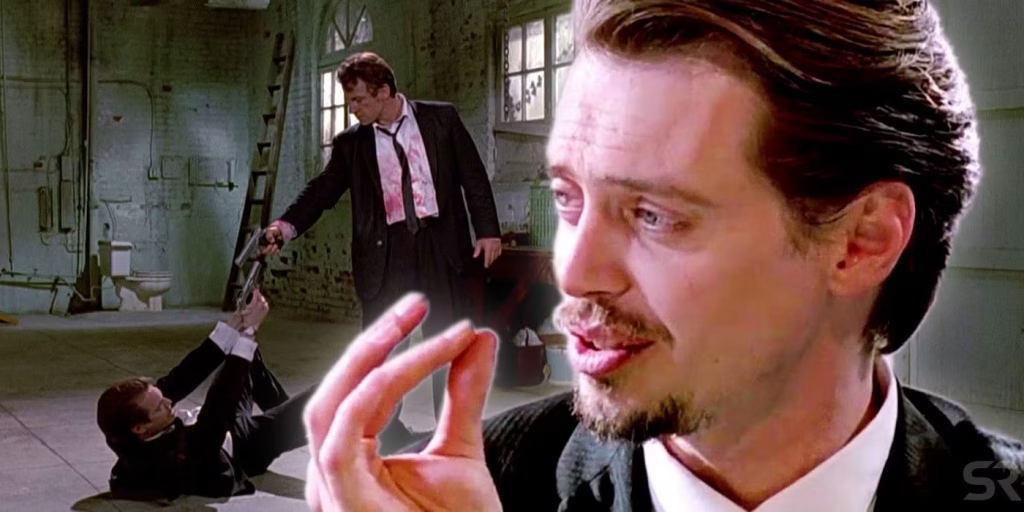
Parting Glances in 1986 was his first significant film role. Then, Trees Lounge, which he also wrote and directed. But Reservoir Dogs in 1992 was the detonation. Tarantino cast him as Mr. Pink. The performance, fast-talking, paranoid, philosophically opposed to tipping, established Buscemi as the indie film movement’s most valuable character actor.
The Coen Brothers Partnership

Fargo, The Big Lebowski, Barton Fink, Miller’s Crossing. The Coen brothers used Buscemi the way a jazz musician uses a favorite instrument: they knew his range, his limitations. The specific frequencies he could reach that no other actor could. Each collaboration added to a body of work that made him one of the most recognizable faces in American cinema. Not handsome. Not conventional. Unmistakable.
The Climb
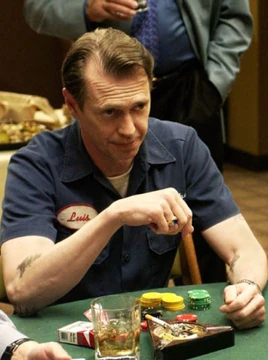
The Sopranos hired him for season five as Tony Blundetto, Tony Soprano’s cousin. More significantly, Buscemi directed four episodes, including “Pine Barrens,” which fans consistently rank among the greatest episodes in the show’s history. His directing fee, combined with his acting salary, generated substantial income from a relatively brief on-screen presence.
Boardwalk Empire on HBO gave Buscemi his first series lead. He played Nucky Thompson, an Atlantic City political boss during Prohibition, across five seasons. His per-episode salary reportedly reached $75,000 to $100,000 initially and escalated through the run. Moreover, the show gave him leading-man status that his film career, built on character roles, had never quite provided.
What He Built
Steve Buscemi net worth at $35 million reflects a career architecture unlike any other in Hollywood. No franchise. No blockbuster leads. Just four decades of showing up. Being extraordinary. Letting the work accumulate into a fortune that proves you do not need to be the star to build serious wealth. You need to be indispensable. Indispensable pays differently from famous. It pays steadily.
The Soft Landing
Buscemi is sixty-eight. He continues working at a pace that suggests retirement is not a concept he recognizes. He returns to his firehouse on every 9/11 anniversary. Gandolfini has been assaulted randomly on the streets of Manhattan, an incident in 2024 that generated international headlines. His face is one of the most parodied and memed in internet culture. Through all of it, his fundamental quality has not changed. Brooklyn kid. Former firefighter. Discovered he could act. Spent forty years proving that the most interesting faces in cinema are the ones that do not look like anyone else’s.
The Deeper Layer
Read more about the full cast in our Sopranos Cast Net Worth hub, or explore the Prestige TV Antihero Cast Net Worth pillar.
The 9/11 dimension of Buscemi’s biography is not typically included in net worth analyses, but it informs his public image in ways that have tangible career value. His voluntary return to Engine Company 55 after the attacks generated a wave of public goodwill that no publicist could have manufactured. The story went viral years after the event. It created a permanent association between Buscemi and selfless service. That association counterweights the morally ambiguous characters he typically plays. That counterweight makes him more castable, more likable to audiences, and more attractive to brands and productions that value positive associations.
The Deeper Layer
His directing career deserves separate financial analysis. Beyond the four Sopranos episodes, Buscemi has directed films including Trees Lounge, Animal Factory, and Lonesome Jim. Directing fees for television and film operate on different economics than acting fees. A television directing assignment typically pays $50,000 to $100,000 plus residuals. Consequently, the directing income, accumulated over dozens of assignments across his career, adds a meaningful secondary revenue stream.
Additionally, his voice acting work in the Monsters, Inc. franchise for Pixar generates the kind of passive royalty income that compounds indefinitely. Randall Boggs has appeared in two films and various shorts, each of which generates residual payments through theatrical, home video, streaming, and licensing channels. At sixty-eight, Buscemi has built the rare career where income arrives from work he did at thirty, forty, fifty, and sixty, each decade’s contributions still generating returns simultaneously.
The Positioning

The Boardwalk Empire economics deserve closer analysis because they represent the largest sustained income stream of Buscemi’s career outside of film. Five seasons as the lead of an HBO period drama generated per-episode fees that likely escalated from $75,000 initially to $150,000 or more by the final season. Total Boardwalk income probably reached $5 million to $8 million. More importantly, the show proved Buscemi could anchor a series. That repositioned him as a lead rather than a supporting player. His asking price increased for all subsequent projects.
The Financial Architecture
His film career’s financial architecture is unusual because it is built almost entirely on supporting roles and ensemble pieces. Reservoir Dogs, Fargo, The Big Lebowski, Con Air, Armageddon, Ghost World, The Death of Stalin. None paid Buscemi a leading-man salary. All of them generated residual income that continues arriving decades later. Aggregate residual income from forty years of film work represents a passive revenue stream. Dozens of titles. Most leading actors cannot match it. Leading actors appear in fewer films per decade than character actors do.
The Infrastructure
Additionally, his cultural status as one of the most memed faces on the internet generates a form of visibility that has tangible career value. The “How do you do, fellow kids” meme from 30 Rock. The “Steve Buscemi Eyes” photo edits. Such a constant circulation of the 9/11 firefighter story. Each meme and viral moment keeps Buscemi in the cultural conversation without requiring any effort or expenditure on his part. Notably, it is free marketing that translates to continued audience recognition, which translates to continued castability, which translates to continued income.
The 2024 assault on the streets of Manhattan, in which Buscemi was punched by a stranger in broad daylight, generated international media coverage that paradoxically reinforced his cultural relevance. The incident was widely condemned. Fans expressed outrage. The coverage reminded millions of people that Buscemi exists, is working, and remains a beloved figure. Even a random act of violence became involuntary publicity. The peculiar economics of celebrity attention transformed an assault into a continued cultural presence.
His personal real estate in Manhattan and Brooklyn reflects the financial prudence of someone who remembers what it was like to work for civil service wages. Buscemi has not built the kind of ostentatious property portfolio that many actors of his net worth maintain. Instead, his holdings are concentrated in New York. He has lived there since his firefighting days. The approach prioritizes location and long-term appreciation over square footage and status signaling. The former firefighter invests like a firefighter. Conservatively. Practically. With the understanding that the most important asset keeps you safe when everything else goes wrong.
You Are Reading This Because You Already Understand
It’s something most people scroll right past. The intersection of culture, money, and taste is not a Venn diagram. It is a mirror. Social Life Magazine has spent 23 years holding that mirror up to the people who shape the Hamptons, Manhattan, and the corridors between them. If you see yourself in these pages, we should talk. Reach out at sociallifemagazine.com/contact.
If your brand, your launch, or your personal story belongs in front of 82,000 affluent readers and a digital audience that keeps growing, our editorial features are built for exactly that moment. Learn more at Submit a Paid Feature.
Our email list reaches 82,000 subscribers who actually open, read, and act. If your audience is high-net-worth, culturally engaged, and based between Park Avenue and Montauk, you are already in the right place. Join the list.
Polo Hamptons returns to Bridgehampton this July with 1,200 guests, Getty Images coverage, and seven years of BMW title sponsorship behind it. If your brand belongs in that conversation, visit polohamptons.com.
A print subscription to Social Life Magazine puts 25,000 copies per issue into the boutiques, lobbies, and living rooms where decisions get made, from Westhampton to Montauk every summer and Upper East Side doorman buildings for Fall and Winter. Subscribe at sociallifemagazine.com/subscription.
If this publication has added value to your world and you want to support independent luxury journalism, you can contribute directly at our donation page.
Author

Written by
Recent Posts
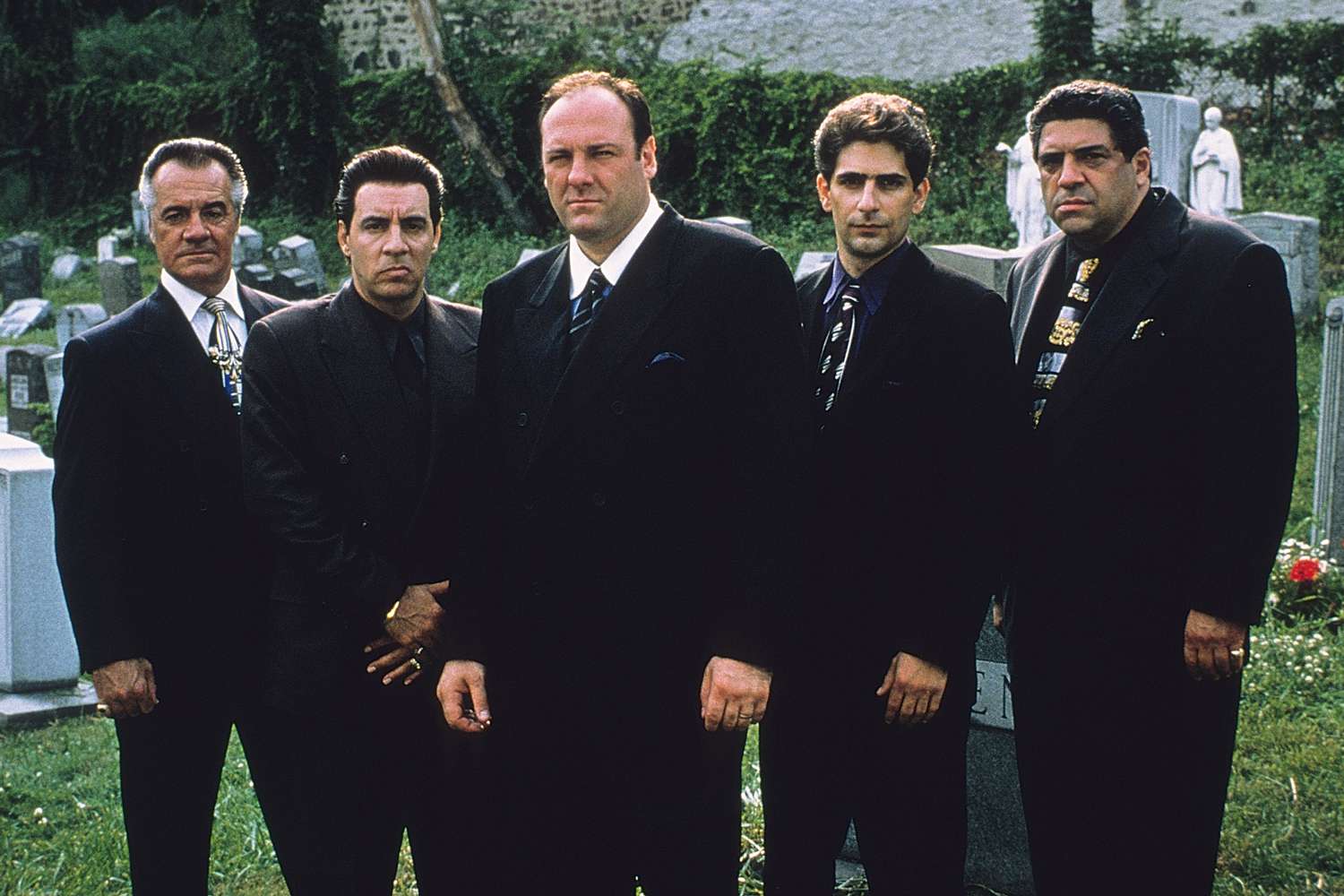
Prestige TV Antihero Cast Net Worth — How Television Taught America Villain Worship

Michael Gandolfini Net Worth — He Found His Father on an HBO Set. That Discovery Is Worth $15 Million.
Steve Buscemi Net Worth. A Firefighter on 9/11. Worth $35 Million. That Explains Everything.

Edie Falco Net Worth — The Mob Wife. The Addicted Nurse. Both Made Her $40 Million.

Michael Imperioli Net Worth. He Got Fired. Then He Made $20 Million.
Categories
- Art
- Articles
- Beauty & Skincare
- Celebrities
- Celebrities|Movies
- Celebrities|The Chronicles
- Chronicles
- Entertainment|Culture
- Event Photos
- Events
- Fashion
- Fashion & Style
- Featured
- Food & Beverage
- Food, Spirits, Wine
- Hamptons
- Hamptons Celebrities
- Hamptons Celebrities|Celebrities|The Chronicles
- Health
- Health & Beauty
- Lifestyle
- Luxury Lifestyle
- Movies
- Movies|Culture
- Movies|Hamptons Lifestyle
- Press
- Profiles
- Real Estate
- Technology
- The Chronicles
- Travel
- TV
- Uncategorized
- Weddings