

Before “pivot” became something people put in their LinkedIn bios between job titles, Telma Hopkins had already done it — fully, cleanly, without a single think piece to mark the occasion. Telma Hopkins net worth sits at an estimated $4 million today, built across two distinct careers that most performers never manage to sustain even one of. She arrived as part of one of the best-selling pop acts of the early 1970s. Then she left. Then she built something else entirely. The second thing lasted longer than the first.
This is the story the nostalgia economy has not yet figured out how to tell about her. Not a comeback narrative. Not a rediscovery. A forty-year demonstration. Of what it looks like when someone understands, clearly and early, that the vehicle that got you here is not the one that takes you where you want to go next.
The Before: Detroit, Harmonics, and the Making of a Voice
What Growing Up in Detroit Actually Trains You For
Telma Louise Hopkins was born on October 28, 1948, in Louisville, Kentucky, and raised in Detroit, Michigan. Detroit in the 1950s and 1960s was the most musically productive city in America by almost any quantifiable measure. Motown Records was operating three blocks from where families like Hopkins’s were raising children. Those children could hear everything being made around them. The harmonics, the arrangements, the specific discipline of commercial pop production that Smokey Robinson and Berry Gordy were industrializing in real time.
Hopkins began singing professionally as a teenager. She had the voice and, more importantly, the ear. The ability to lock into a harmonic and hold it with precision across takes — that is the skill separating working session singers from the rest of the field. By her early twenties, she was doing exactly that: session work, background vocals, the invisible infrastructure of the Detroit and later Chicago music scenes.
Notably, this apprenticeship shaped everything that followed. Session singers learn to serve the song rather than perform it. They develop technical precision over personal expression. They understand the difference between what the music requires and what their ego wants to give it. These are, it turns out, precisely the skills that transfer from studio work to television acting — and precisely the skills that most front performers never have to develop.
The Pivot Moment: Dawn, Six Million Records, and the Exit
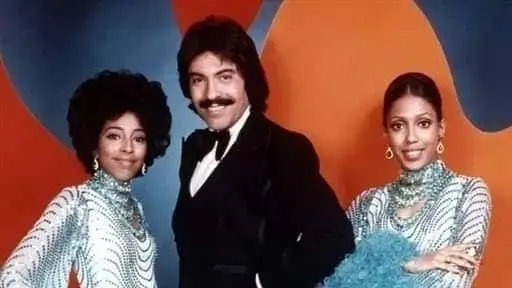
In 1970, Hopkins joined Tony Orlando as part of Dawn — the trio that would become one of the most commercially dominant pop acts of the early decade. “Knock Three Times” sold over six million copies. “Tie a Yellow Ribbon Round the Ole Oak Tree” sold more. The group had a variety television show, Tony Orlando and Dawn, that ran on CBS from 1974 to 1976. At their peak, Dawn was ubiquitous in the way only mid-1970s pop could achieve. On the radio, on television, in every shopping mall and dentist’s office in America simultaneously.
Why She Left While It Was Still Working
The group dissolved in 1977. Tony Orlando, by his own account, was struggling personally. The decision to stop was mutual and, from Hopkins’s perspective, also strategic. What most performers in that position would have done is chase the next single, find a new configuration, try to sustain the commercial moment another eighteen months. The music industry actively encourages exactly that. Hopkins did not do it.
Additionally, leaving a hit act at its natural endpoint rather than its commercial exhaustion is one of the rarest decisions in the entertainment industry. Most performers stay until the audience leaves. Hopkins read the room differently. The pop landscape of the late 1970s was shifting toward disco, then new wave, then the fragmented formats of early MTV. Dawn was a harmony trio built for AM radio dominance. That format was ending. Consequently, she began preparing for what came next before what came next was visible to anyone else.
Read the full Legacy TV and Film Deep Cuts hub — and where Hopkins fits in the larger story →
The Climb: Building a Second Craft from Scratch
By the early 1980s, Hopkins was transitioning into acting. Not through the vanity route — the pop star who takes a guest role to stay visible, collects a check, moves on. Through the working route: auditions, callbacks, the grinding accumulation of credits that builds a career from the bottom rather than trading on a name.
The Résumé That Required Real Work
In 1981, she was cast as Addy Wilson in Gimme a Break!, the NBC sitcom starring Nell Carter. The show ran six seasons across 137 episodes. Hopkins held a recurring role throughout. Six seasons is not a cameo. Not a guest arc. Six seasons of a network sitcom requires the same discipline as the session work she had spent a decade mastering. Showing up, serving the material, making the ensemble better without demanding the spotlight.
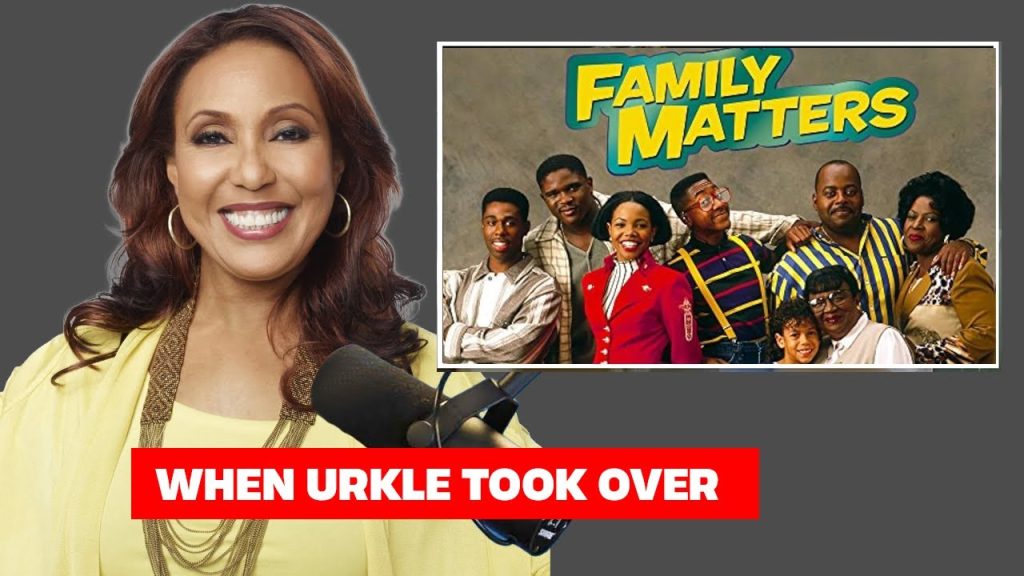
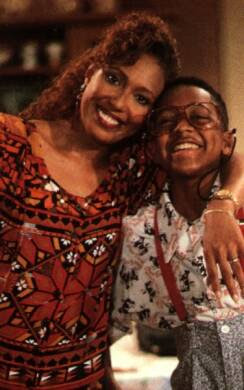
Furthermore, Family Matters arrived in 1989 — the ABC sitcom that ran nine seasons and became one of the defining family comedies of its era. Hopkins played Rachel Crawford, the sister of the Winslow family matriarch. Nine seasons. The show ran from 1989 to 1998. Across those years, Hopkins built a character with enough texture to carry storylines, hold her own opposite Jaleel White’s Urkel, and age the role naturally across a decade of production. That is the same technical achievement that makes the session singer indispensable in a studio: the ability to contribute without overreaching, to make everything around you work better.
Then came Half & Half on UPN, which ran four seasons from 2002 to 2006. Three separate network television shows across twenty-five years. Not guest appearances. Not cameos. Series regular and recurring roles that required contractual commitment, sustained availability, and the kind of professional reliability that casting directors remember across decades.
The Hamptons Chapter: What Two Careers Teaches
The East End Reads This Story Differently
The Social Life Magazine reader understands Telma Hopkins net worth through a particular lens. The Hamptons has always run on people who made a significant bet, cashed it correctly, and then rotated into something entirely different before anyone else saw the opportunity. That is Hopkins’s career structure — translated from entertainment into portfolio management language.
She did not attempt to extend the Dawn moment beyond its natural life. She did not spend the 1980s releasing solo records nobody wanted. Instead, Hopkins identified an adjacent skill set and committed to it with the same discipline that built the first career. She executed a transition producing thirty years of continuous professional relevance. The pivot was real. Her preparation was serious. Results are in the credits.
Explore Hamptons luxury real estate and the celebrity estates of the East End →
What She Built: The Accounting Across Both Careers
Telma Hopkins net worth is estimated at $4 million. That figure reflects more than five decades of work — the Dawn years, royalty income from songs still licensing, and the long accumulation of television credits that built the second career. The number is not spectacular by Hollywood standards. By the standards of someone who voluntarily exited a successful pop act and rebuilt from scratch in a different medium, it is a statement about patience and craft.
The Royalty Stream Nobody Talks About
Billboard’s historical charts confirm what the nostalgia economy already knows: “Tie a Yellow Ribbon Round the Ole Oak Tree” spent four weeks at number one in 1973. The song has been covered, sampled, and licensed consistently since. Royalty income from that catalog does not appear in net worth estimates with any precision, but it does not disappear either. Hopkins’s share of Dawn’s publishing catalog represents a passive income stream that most television actors — who receive residuals rather than ownership — do not have. The two careers compound differently than they would alone.
Additionally, Hopkins’s longevity in television reflects something the industry rarely rewards publicly: professional reliability. She worked continuously from the early 1980s through the mid-2000s without a significant gap. No dramatic exits. No tabloid crises requiring career rehabilitation. No public reinvention narratives requiring a magazine profile to explain. She simply kept working, which is the most understated achievement available to any performer.
Explore all celebrity net worth profiles and origin stories at Social Life Magazine →
Where Are They Now: The Quiet After the Credits
Telma Hopkins is seventy-six years old. Her public profile is considerably lower than it was during either the Dawn years or the Family Matters era — and she appears entirely comfortable with that. She has given interviews reflecting on both careers with clarity and without grievance. That is unusual in an industry producing performers with elaborate explanations for why things went differently than expected.
The Nora Ephron Lesson She Lived Before It Was Stated
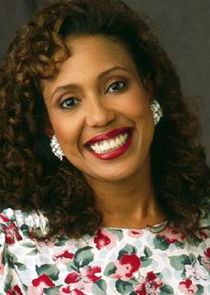
Nora Ephron wrote that above all, be the heroine of your life, not the victim. Hopkins’s career reads like someone who absorbed this before it was a quotation. She was not the front person in Dawn — Tony Orlando was. She was not the lead in Gimme a Break! — Nell Carter was. She was not the central character in Family Matters — the Winslow family was. In every configuration, Hopkins played a supporting role with enough craft and consistency that the configurations kept changing while she remained.
That is a specific kind of intelligence about how careers work. The front person takes the credit and absorbs the risk. The person who serves the ensemble, with discipline and without resentment, works continuously across every reconfiguration. Telma Hopkins net worth is the financial expression of that intelligence — built slowly, across five decades, by someone who understood which position in the room produces the longest career.
For the Social Life Magazine reader who grew up watching Rachel Crawford on Family Matters without ever thinking to ask who played her: now you know. The career behind the character was one of the more elegantly constructed in American entertainment. It just never required anyone’s permission to exist.
The Hamptons dining guide: where the East End’s most discerning visitors eat →
Related Reading:
Legacy TV and Film Stars: The Deep Cuts That Actually Mattered
Jean Smart Net Worth: The $12M Career Nobody Saw Coming
Where This Story Lives Now
There is a version of the cultural conversation that only covers the front person. You already know it. Then there is the version that understands the person who served every ensemble, across five decades, without once requiring a comeback narrative — as the more interesting study. Social Life Magazine has been running that version for twenty-three years. If your brand belongs in that conversation, let’s talk about a feature.
Every week, 82,000 readers open our newsletter because they trust us to find the angle the algorithm missed. Hamptons house. Family office. Discretionary budget. Attention span for something that actually goes somewhere. If you want to be in their inbox, join the list — or get your brand inside it.
The real meetings at Polo Hamptons happen between the chukkers. The right two people end up at the same tent — no agenda, suddenly one. That’s not an accident. That’s what we build. Sponsorships for 2026 are being confirmed now. The people you want access to are already on the field.
Twenty-three summers. Five issues per season. Twenty-five thousand copies from Westhampton to Montauk, through the boutiques, restaurants, and hotel lobbies where the Hamptons actually happens. If you want your name printed in something people keep, the print edition is Further Lane — and it goes places digital doesn’t reach.
This magazine runs on people who believe cultural memory is worth funding. If you’ve read this far, you’re probably one of them. A $5 contribution keeps independent luxury publishing alive in a media landscape that keeps trying to replace it with content.
Author

Written by
Recent Posts

Cailee Spaeny Net Worth — From Springfield, Missouri to A24 and Alien in Three Years Flat

Wagner Moura Net Worth — He Learned Spanish to Play Escobar. Then He Learned English to Take Hollywood.

Robert Eggers Net Worth — He Made a $3.5 Million Film in Puritan English and Hollywood Listened

Brie Larson Net Worth — A $6 Million Indie Film Won Her an Oscar. Marvel Paid Her the Rest.

Jacob Tremblay Net Worth — He Was Nine Years Old and Already Better Than Most Adults in the Room
Categories
- Art
- Articles
- Beauty & Skincare
- Celebrities
- Celebrities|Movies
- Celebrities|The Chronicles
- Chronicles
- Entertainment|Culture
- Event Photos
- Events
- Fashion
- Fashion & Style
- Featured
- Food & Beverage
- Food, Spirits, Wine
- Hamptons
- Hamptons Celebrities
- Hamptons Celebrities|Celebrities|The Chronicles
- Health
- Health & Beauty
- Lifestyle
- Luxury Lifestyle
- Movies|Culture
- Movies|Hamptons Lifestyle
- Press
- Profiles
- Real Estate
- Technology
- The Chronicles
- Travel
- Uncategorized
- Weddings