
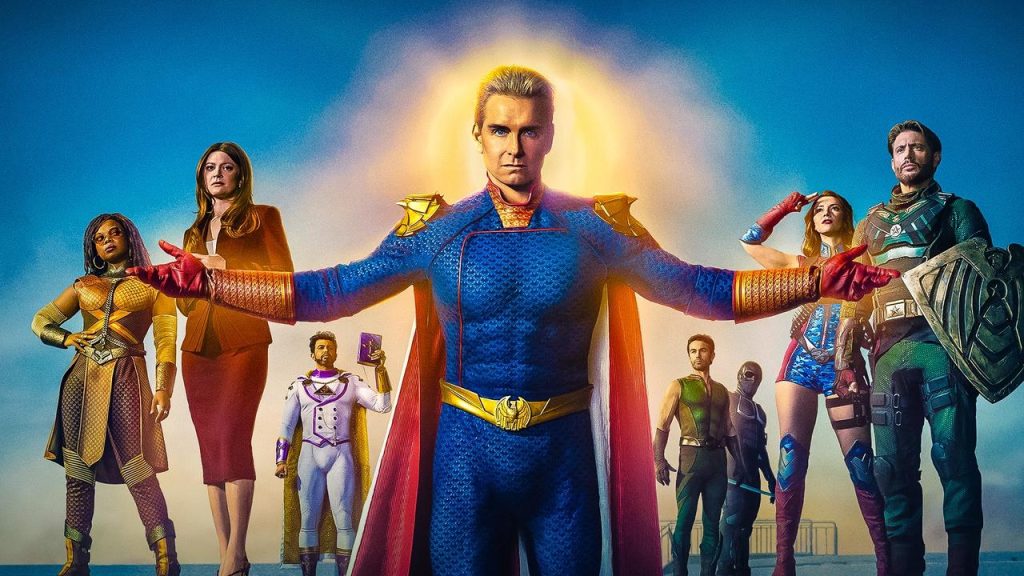
Satan’s Writers Room
Eric Kripke didn’t want to predict anything. He just wanted to make a television show about corrupt superheroes. Then reality kept catching up — and The Boys predicted American politics with eerie accuracy. “I didn’t predict it,” the showrunner told Yahoo Entertainment in 2024. “I just happen to be running the show that is the most about the current moment.” When the parallels between his fictional universe and actual American politics became increasingly eerie, Kripke offered a more unsettling assessment. He told TheWrap he was “really troubled” by the similarities. “I’m not happy being Satan’s writers room.”
In retrospect, that phrase — Satan’s writers room — is the most honest description of how The Boys predicted American politics across five seasons. The show didn’t see the future. It described the present with enough precision that when the present got worse, the show looked prophetic. Furthermore, Season 5 premieres April 8 on Prime Video with a storyline about underground resistance against authoritarian rule. If history holds, the finale on May 20 will feel less like fiction and more like a documentary that arrived six months early.
For Social Life readers who watch cultural shifts before they become headlines — because they attend the dinners where those shifts get discussed — this is a season-by-season breakdown of how a superhero show became the most politically relevant piece of American storytelling since The Wire.
Season 1: Corporate Virtue as Product Strategy
To trace the pattern, the first season of The Boys, released in July 2019, introduced Vought International as a corporation that manufactures, markets, and monetizes superheroes. The satire wasn’t about superheroes being bad. It was about corporations commodifying morality. Vought slaps the right messaging on its heroes — diversity campaigns, charity partnerships, inspirational speeches — while privately enabling sexual assault, substance abuse, and negligent homicides.
At the time, that commentary felt sharp but manageable. Companies were still in the early phase of what marketers would later call purpose-driven branding. However, the show understood something most critics hadn’t articulated yet: corporate virtue signaling wasn’t a bug in the system. It was the system. Rainbow logos in June. Union-busting in July. Environmental pledges in the annual report. Pipeline approvals in the quarterly filing. Vought wasn’t a parody of one company. It was a parody of how institutional power maintains legitimacy by performing the values it actively undermines.
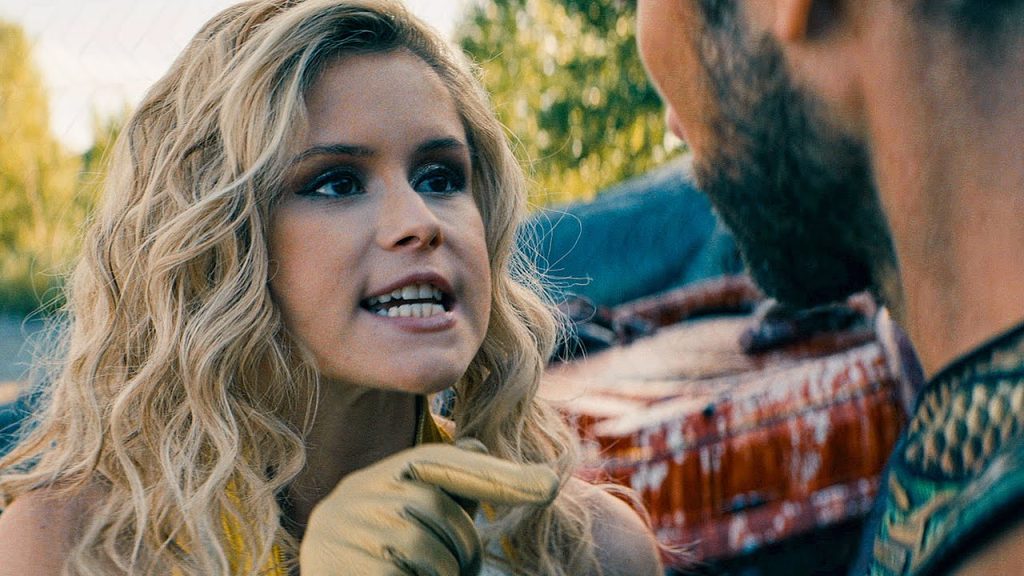
Additionally, the first season staged Starlight’s sexual assault by The Deep as a direct corporate complicity storyline — the institution knew, protected the abuser, and pressured the victim to perform normalcy. That plotline arrived two years after the Harvey Weinstein revelations and during the height of #MeToo’s institutional reckoning. The Boys didn’t predict #MeToo. It dramatized what happens when the reckoning ends and the institutions survive anyway.
How The Boys Predicted American Politics Through Stormfront and the Algorithm
Subsequently, the second season premiered in September 2020 — four months after George Floyd’s murder, during a summer of nationwide protests, and two months before a presidential election that would end with a mob storming the Capitol. Into that atmosphere, The Boys introduced Stormfront: a Nazi superhero who repackages white supremacist ideology as populist anti-establishment rhetoric and distributes it through memes, social media manipulation, and manufactured outrage.
Crucially, Stormfront didn’t rally crowds with swastikas. She rallied them with grievance. She told ordinary people that the system had betrayed them, that the elites were lying, and that the only path forward was righteous anger directed at carefully chosen targets. The mechanism was digital. The radicalization was algorithmic. Notably, the show depicted this process with a specificity that academic researchers studying online radicalization would later validate in peer-reviewed papers.
At the same time, the show staged A-Train’s racial identity crisis — a Black superhero forced to choose between corporate loyalty and solidarity with a community being targeted by institutional violence. A fellow hero is murdered by police. A-Train has to decide whether to stay silent or risk his career. The parallels to how corporations handled the 2020 racial justice movement — statements of solidarity paired with zero structural change — were immediate and unflinching. The Boys predicted American politics in this season not by anticipating specific events, but by mapping the mechanics of how institutions absorb dissent without changing.
Season 3: The Crowd Cheers the Murder
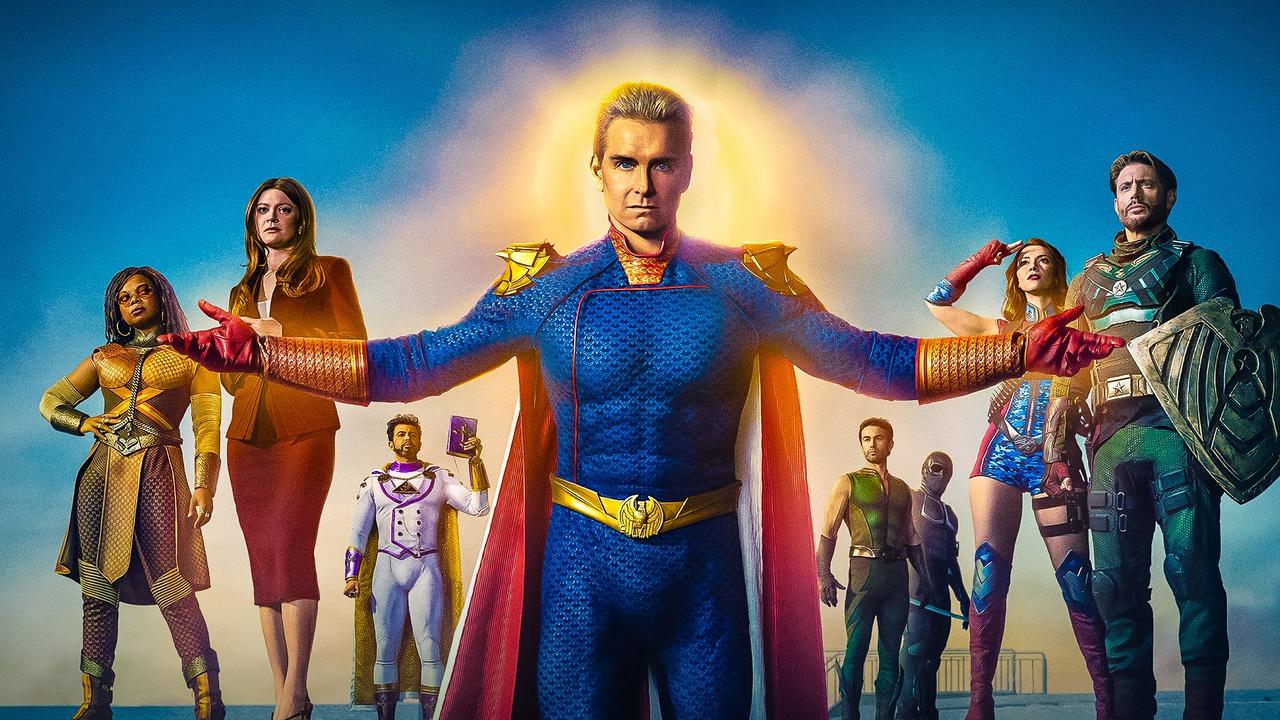
By contrast, the third season, released in June 2022, contained the single most culturally significant scene in the show’s history. Homelander kills a man at a public rally. He expects horror. Instead, the crowd cheers. He realizes, in real time, that he can do anything — literally anything — and his supporters will celebrate it.
Predictably, the scene went viral as a GIF. Antony Starr told Yahoo Entertainment he was “frustrated that day because I didn’t get as many takes as I wanted.” The internet didn’t care about the takes. It cared about the recognition. The GIF became shorthand for a specific political phenomenon: the moment when a leader discovers that accountability has been replaced by worship. Consequently, commentators across the political spectrum used it to describe real-world events with an efficiency that no editorial or think piece could match.
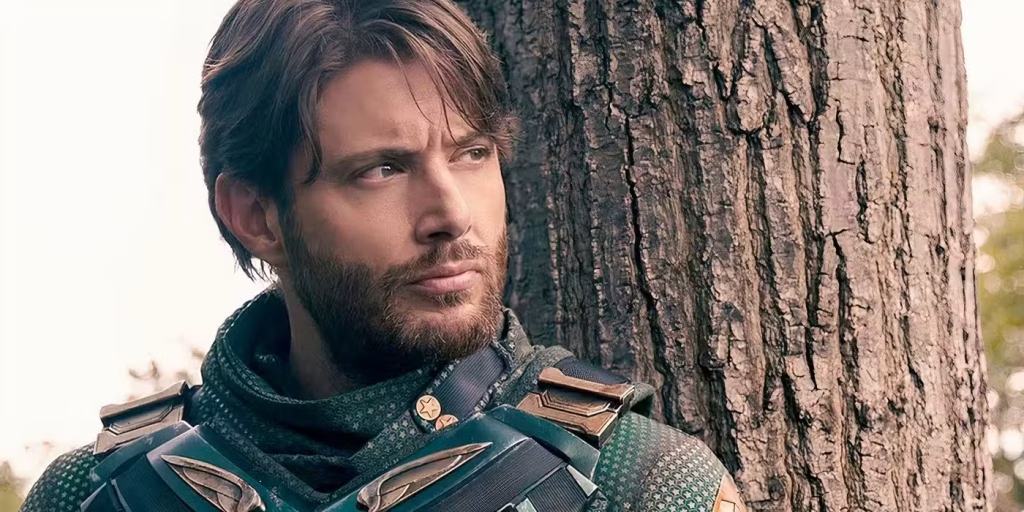
Season 3 also introduced Jensen Ackles’ Soldier Boy — a World War II-era hero frozen for decades and thawed into a modern world he doesn’t understand. The character functioned as the show’s critique of nostalgia politics: the belief that America was better in some previous era, when the “previous era” was actually defined by the same violence, bigotry, and institutional corruption that the present inherits. Soldier Boy wasn’t a hero who fell from grace. He was never graceful. The mythology around him was always a lie.
Season 4: The Institutions Have Been Captured
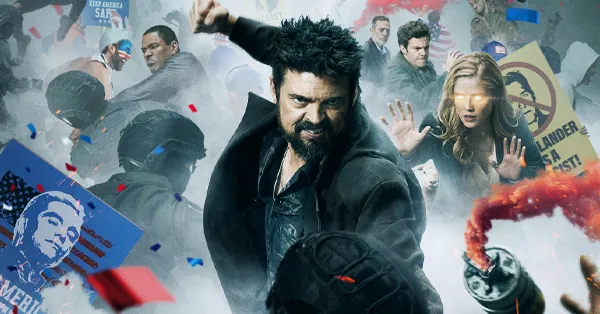
Then came the fourth season, released in June 2024, pushed the satire to its most explicit register. Homelander’s supporters wore red hats. The slogan “Make America Super Again” appeared on screen. A conspiracy-peddling media personality modeled on real-world figures spread Pizzagate-style misinformation. Billionaires gathered at a private estate to discuss stacking the Supreme Court. A presidential election hinged on whether the results would be certified.
Inevitably, some critics argued the show had become too on-the-nose. Slate called the satire “didactic” and “toothless,” arguing that the show’s relentless Trump-era parallels had turned from provocation into exhaustion. Kripke’s response was characteristically direct. He told The Hollywood Reporter the show had always been about “a celebrity that wants to be an authoritarian dictator, and that just happens to be the world we’re living in.” To viewers who only just realized the political commentary, his message was simple: “Go watch something else.”
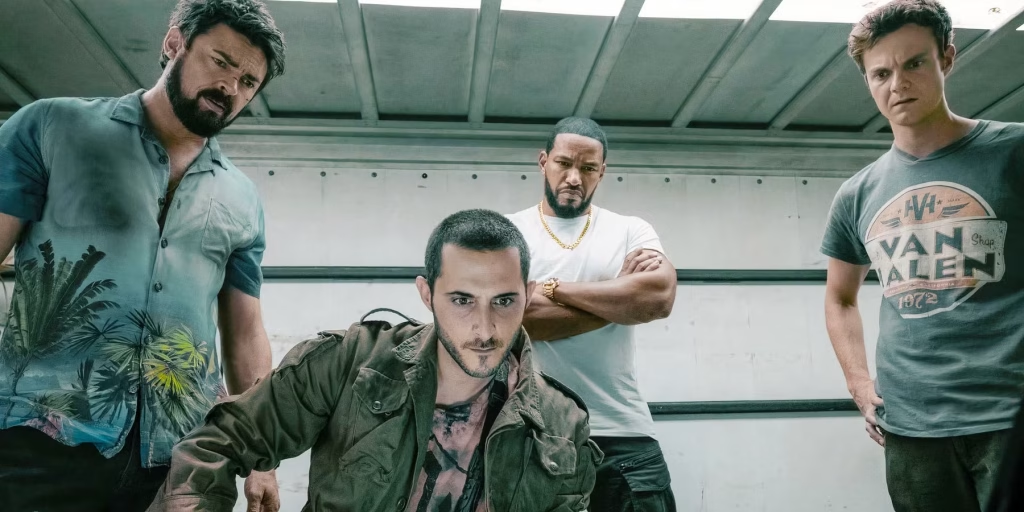
However, the more interesting critique of Season 4 wasn’t about subtlety. It was about whether satire can still function when reality has outpaced fiction. The show’s subreddit — which had previously banned political discussion — descended into chaos because discussing the show without discussing politics became impossible. That collapse of the boundary between entertainment and political discourse is itself the most significant thing The Boys predicted about American culture. We don’t watch shows and then discuss politics separately anymore. The shows are the politics. The politics are the content.
Season 5: Resistance After the Institutions Are Gone
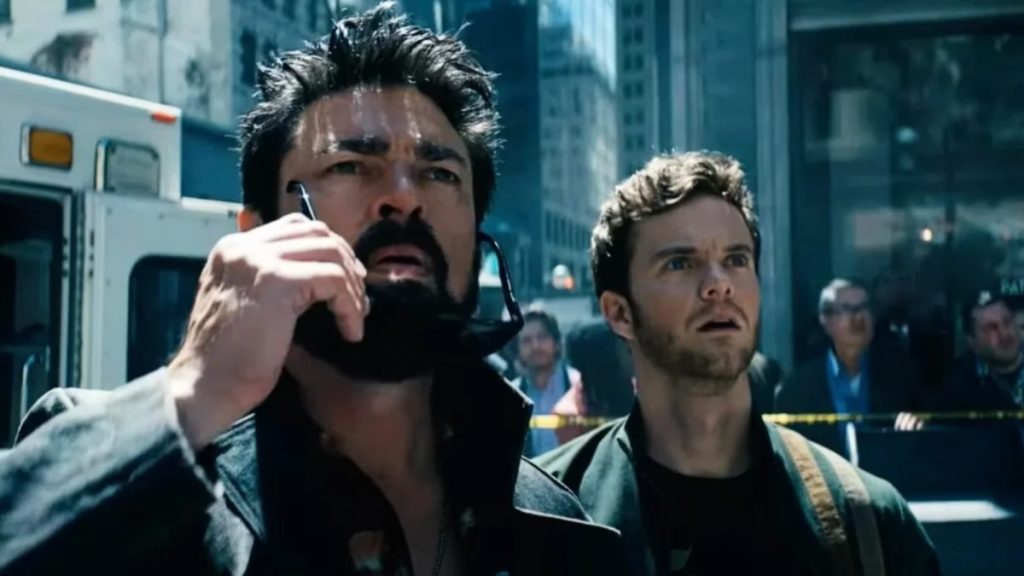
Now, the final season premieres April 8 with a premise that abandons satire for something closer to survival narrative. Homelander rules. The resistance is scattered and captured. Erin Moriarty’s Starlight leads an underground movement. Karl Urban’s Butcher plans a scorched-earth endgame. Jack Quaid’s Hughie is trying to survive. The question the season asks isn’t whether the good guys win. It’s whether the concept of “good guys” still means anything once the institutions that defined goodness have been co-opted.
Specifically, Kripke has described the final season as a story about fighting fascism from the margins. That framing shifts the show’s mode from mirror to manual. The previous four seasons showed how institutional capture happens. Season 5 asks what comes after. Furthermore, the show arrives at this question during a period when real-world audiences are asking identical versions of it — about elections, about media, about corporations, about the courts. The timing isn’t coincidental. It’s the same timing it’s always been. The show doesn’t predict. It just keeps pace.
As a result, the weekly release schedule — two episodes on April 8, then one per week through the May 20 finale — means the show will unspool alongside whatever the real world produces during that seven-week window. If history is any guide, at least two scenes will feel like they were written in response to headlines that haven’t happened yet. They weren’t. The show was just paying attention to the same patterns everyone else was trying not to see.
Why This Matters for Hamptons Readers Specifically
Finally, here’s the part that no other publication will write, because no other publication has your audience. The Boys is not a show about people who lack power. It’s a show about people who have it — and what they do when nobody’s checking. Vought International isn’t a Wall Street firm. It’s worse. It’s a Wall Street firm that also controls the media, owns the politicians, and manufactures the heroes that the public uses to feel virtuous about participating in the system.
Your readers already know this architecture. They’ve attended the galas where the philanthropy obscures the lobbying. Over the years, they’ve watched boards get captured by aligned interests. And they’ve seen cultural capital deployed as a weapon. Notably, The Boys doesn’t judge this architecture from the outside. It dramatizes it from the inside — with the specific granularity of someone who has studied how institutional power actually operates rather than how it appears on cable news.
The show’s final verdict, whatever it turns out to be, will matter because it’s the only piece of mainstream entertainment willing to ask the question directly: once the people with the most power face the least accountability, what exactly do the rest of us do? The Boys became a mirror for the Hamptons elite not because it attacked wealth but because it understood — with uncomfortable precision — that the most dangerous thing about wealth isn’t the money. It’s the insulation. The Boys predicted American politics not by seeing the future but by describing the present with precision nobody else attempted. The show ends on May 20. The question it leaves behind doesn’t.
Experience the World That Social Life Magazine Covers
There’s a version of your life where you’re swimming in the culture and a version where you’re reading about it secondhand. Social Life Magazine exists for the first version. The stories we tell — from the Hamptons power players reshaping industries to the cultural moments that define how the elite actually live — aren’t available anywhere else. Because we don’t cover the surface. We cover the room behind the room.
If your brand, your business, or your personal story belongs in front of the audience that matters, reach out to our editorial team about being featured in Social Life Magazine. We place the people and brands that define luxury on the East End.
Want guaranteed placement on your terms? Submit a Paid Feature and secure your story in the publication that 82,000 readers trust for the definitive word on Hamptons culture.
Speaking of those 82,000 — our email list delivers exclusive content, event invitations, and insider access directly to the inboxes of the most influential people on the East End. Join the list and stop missing what matters.
Polo Hamptons returns this summer with the most exclusive luxury sporting event on the East End. Sponsorships, VIP cabanas, and brand activations that put you in front of a verified high-net-worth audience. Explore partnership opportunities at polohamptons.com.
Our print edition reaches 25,000 readers per issue across the Hamptons’ most exclusive boutiques, estates, and social venues from Memorial Day through Labor Day — plus 15,000 copies delivered to Upper East Side doorman buildings in fall and winter. Subscribe to the print edition and hold the magazine that holds the culture.
If this publication adds value to your life, consider a small contribution to support independent luxury journalism. Donate $5 and help us keep doing what nobody else will.
Related Reading
- The Boys and the Death of the American Superhero: How TV’s Most Dangerous Show Became a Mirror for the Hamptons Elite
- Erin Moriarty Net Worth, Hamptons Roots & Why Starlight Is the Role She Was Born to Play
- Antony Starr and the Art of Playing the Villain Everyone Loves to Hate
- Karl Urban’s Butcher: The Anti-Hero for the Anti-Everything Era
- Jack Quaid: Hollywood Royalty Playing the Everyman
- Jensen Ackles, Soldier Boy & the Supernatural-to-Supes Pipeline
Author

Written by
Recent Posts
How The Boys Predicted American Politics and Culture Wars
Jensen Ackles Net Worth: Soldier Boy and the Supes Pipeline

Jack Quaid Net Worth: Hollywood Royalty Playing Normal
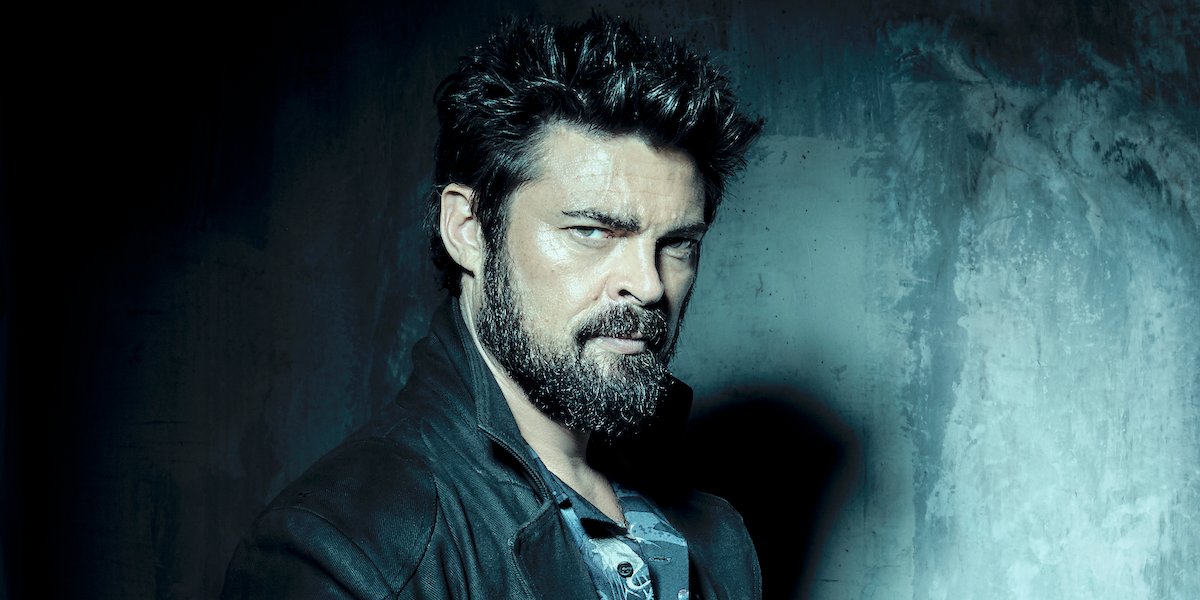
Karl Urban Net Worth: The Anti-Hero Who Burns It All Down
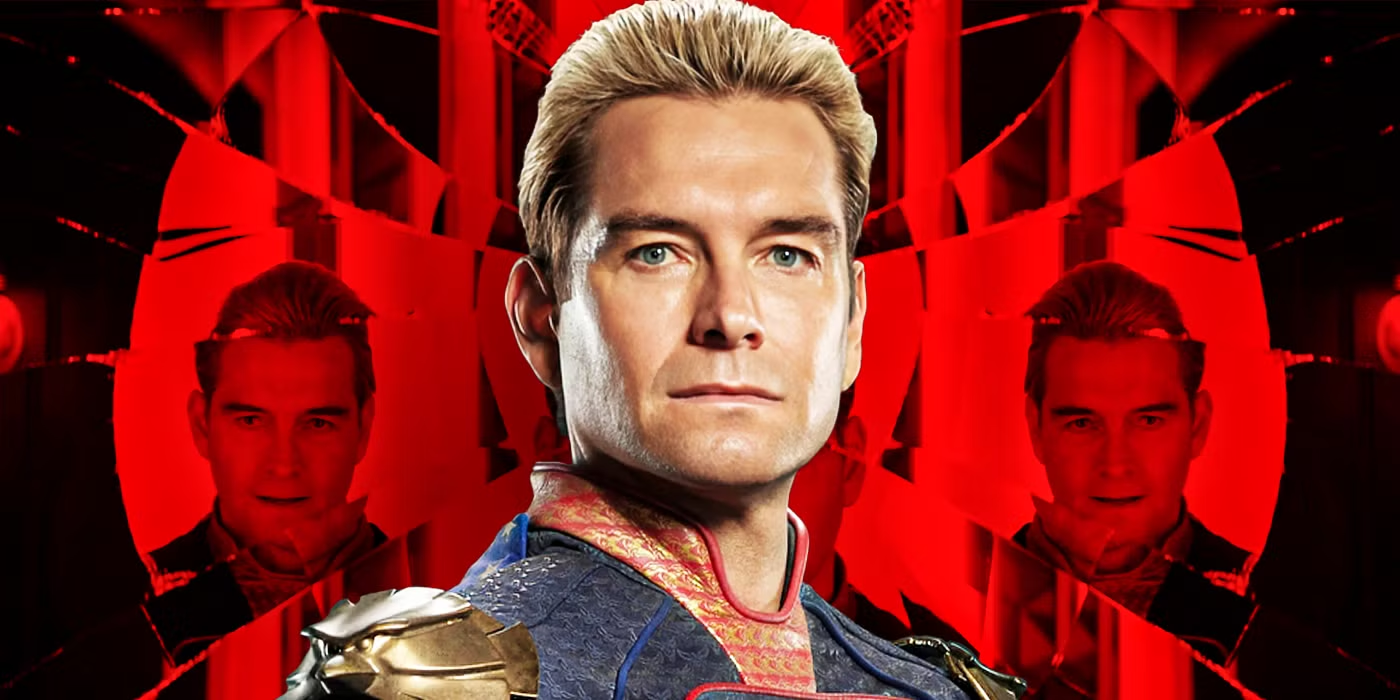
Antony Starr Net Worth: The Villain Everyone Loves to Hate
Categories
- Art
- Articles
- Beauty & Skincare
- Celebrities
- Celebrities|The Chronicles
- Chronicles
- Entertainment|Culture
- Event Photos
- Events
- Fashion
- Fashion & Style
- Featured
- Food & Beverage
- Food, Spirits, Wine
- Hamptons
- Hamptons Celebrities
- Hamptons Celebrities|Celebrities|The Chronicles
- Health
- Health & Beauty
- Lifestyle
- Luxury Lifestyle
- Press
- Profiles
- Real Estate
- Technology
- The Chronicles
- Travel
- Uncategorized
- Weddings