
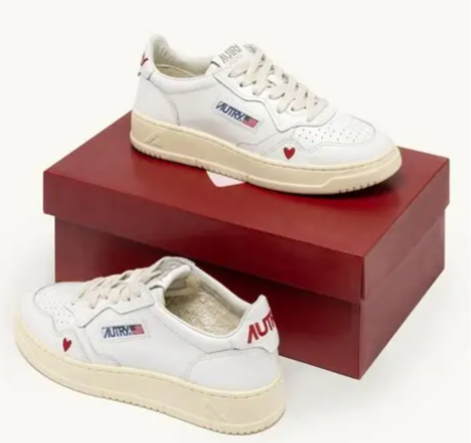
In a Milan archive room in 2018, four Italian entrepreneurs spread photographs across a table. The images showed tennis players from the early 1980s wearing sneakers that no longer existed. Clean lines. Premium leather. An American flag logo that somehow read as heritage rather than nationalism. The brand was Autry, founded in 1961 by Texas shoe specialist Jim Autry, praised by Sports Illustrated, featured in Esquire, and then quietly vanished when the founder fell ill in the 1990s.
The Italians couldn’t stop thinking about those sneakers. Not because they were valuable antiques, but because nothing on the current market captured the same combination of athletic credibility and effortless style. Everything available was either too technical, too fashion-forward, or too obviously trying. What Jim Autry had created was something rarer: a sneaker that disappeared into an outfit while elevating it.
By 2019, they had relaunched the brand. Today, Autry sneakers retail at Saks Fifth Avenue, Nordstrom, and Mr. Porter. The question worth asking is why a 40-year-old tennis shoe design resonates more now than ever.
The Gap That Launched Autry’s Revival
The sneaker market in 2018 suffered from a paradox of choice. Hundreds of brands offered thousands of options, yet finding the right casual shoe for someone who dressed well remained surprisingly difficult. Athletic brands prioritized performance technology that looked out of place with tailored clothing. Fashion brands created sneakers that screamed for attention. Heritage brands charged premium prices for designs that hadn’t evolved in decades.
Meanwhile, the audience that cared about such things had developed specific needs. They wanted shoes that worked with linen trousers at a summer gallery opening. Footwear that transitioned from morning farmers market to evening dinner reservation. Something their fathers might have worn, updated just enough to feel current.
The Original Autry Advantage
Jim Autry understood this customer in 1982. His original designs incorporated innovations like the patented ActionSorb insole and counter-lock-cord ankle support system. However, these technical features never dominated the aesthetic. According to the brand’s heritage documentation, Autry sneakers were “tennis-inspired” rather than tennis-specific. They borrowed the clean proportions of court shoes without the aggressive performance signaling.
When the Italian entrepreneurs studied those archive photographs, they recognized that the gap Autry filled in 1982 had actually widened. The casualization of dress codes meant more people needed shoes that straddled categories. Yet the market had polarized further, making the middle ground harder to find.
From Archive to Obsession: The Relaunch Story
The team behind Autry’s revival had experience resurrecting dormant brands. Their previous projects included Holubar, Blauer, and RefrigiWear. Each followed a similar philosophy: preserve what made the original special while applying contemporary manufacturing standards. With Autry, they faced a specific challenge. The original was American in spirit but needed Italian execution to reach modern quality expectations.
Their solution became the brand’s tagline: “Dreamed in LA. Powered in Italy.” The designs would honor Jim Autry’s tennis heritage and American flag iconography. Production would happen in Italian factories using premium European leathers. The result would be a sneaker that felt authentically vintage but performed like a contemporary luxury product.
The Medalist Becomes the Icon
The Medalist emerged as Autry’s flagship model. According to Hypebeast’s coverage of the US relaunch, the sneaker “reimagines ’80s tennis silhouettes with premium soft leather and contemporary proportions.” Available in smooth leather, suede, and canvas variations, the Medalist offered enough range to become a wardrobe staple rather than a single-purpose shoe.
The Super Vintage line pushed the concept further. These sneakers arrive pre-distressed, with hand-treated finishes that replicate years of wear. For buyers who wanted the aesthetic of a vintage find without the uncertainty of actual vintage condition, the Super Vintage provided a controlled solution.
The Craft: Italian Manufacturing Meets American Heritage
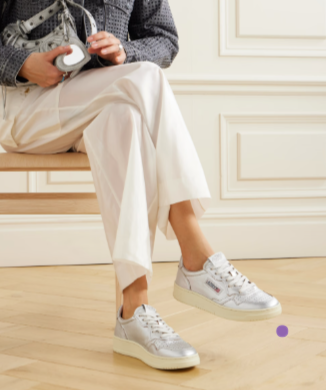
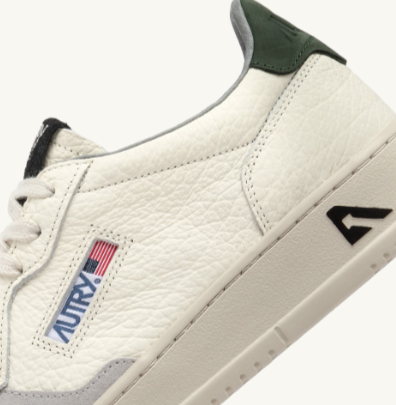
What separates Autry from countless retro-inspired competitors is the manufacturing commitment. Italian sneaker production operates at a different standard than most global footwear. Leather selection, stitching precision, and finishing details receive attention that mass-market brands cannot economically justify.
The Medalist uses soft, supple leather for its upper construction. Unlike the stiff materials common in cheaper sneakers, this leather breaks in quickly while maintaining structure. The sole construction balances flexibility with durability, providing comfort during extended wear without the chunky appearance of heavily cushioned athletic shoes.
The Price-to-Quality Equation
Autry sneakers retail between $185 and $295 depending on model and materials. This positions them above mass-market sneakers but below luxury fashion house offerings. The pricing reflects actual production costs rather than brand positioning alone. Comparable Italian-made sneakers from fashion houses often exceed $500 while offering similar or inferior construction.
For the buyer calculating long-term value, Autry presents a compelling case. The quality suggests multi-year wearability. The designs avoid trend-dependent details that date quickly. Much like heritage cashmere brands that justify investment through durability, Autry asks buyers to consider cost-per-wear rather than purchase price alone.
The Signal: Where Autry Shows Up Now
Autry’s retail expansion tells a story about who’s paying attention. The brand now sells through Saks Fifth Avenue, Nordstrom, Neiman Marcus, Bodega, and Mr. Porter. This combination of traditional department stores and curated boutiques suggests broad appeal among discerning buyers rather than niche streetwear credibility.
Search interest in Autry has grown consistently since the 2019 relaunch. The brand generates 301,000 monthly searches globally, indicating mainstream awareness that hasn’t yet tipped into oversaturation. For early adopters, the window of exclusivity remains open.
The 2025 Collection Expansion
According to Hypebeast’s Spring 2025 coverage, Autry introduced the Windspin silhouette this year. Inspired by California sunsets, the collection arrives in 27 gradient colorways that expand the brand’s range beyond classic white leather. The Reelwind offers a running-inspired alternative with lightweight construction and retro athletic styling.
Additionally, collaborations like the BSTN “La Famiglia” pack demonstrate Autry’s credibility among sneaker culture tastemakers. These limited releases generate collector interest while the mainline products serve everyday buyers.
The Hamptons Fit: Why This Sneaker Works Here
The Hamptons dress code operates on unstated rules. Obvious effort reads as insecurity. Excessive casualness reads as disrespect. The narrow path between requires pieces that signal awareness without demanding attention. Autry sneakers navigate this territory effectively.
Consider the typical summer weekend scenario. Friday afternoon arrival requires shoes that survived the drive from Manhattan while remaining appropriate for dinner in town. Saturday demands footwear that works at the farmers market, the gallery opening, and the casual evening gathering. Sunday needs something clean enough for brunch but comfortable enough for the drive home.
Pairing Strategies for Coastal Weekends
The white leather Medalist pairs naturally with linen trousers, chinos, and even tailored shorts. Unlike athletic sneakers that clash with refined fabrics, Autry’s proportions complement rather than compete. The suede variations offer autumn versatility when temperatures cool and textures shift.
For events at Polo Hamptons or similar gatherings, Autry provides the rare option of a sneaker that doesn’t require explanation or apology. The Italian construction justifies the choice. The vintage aesthetic communicates intentionality. Much like practical jewelry brands that solve real problems for coastal living, Autry addresses an actual wardrobe gap rather than manufacturing desire for unnecessary products.
The Discovery Window
Every brand moves through a lifecycle from insider secret to mainstream recognition. Autry currently occupies the transitional space where awareness has spread beyond early adopters but saturation hasn’t diminished the discovery feeling. Wearing Autry today still generates “where did you find those?” conversations. In two years, that might change.
The broader trend Autry represents matters more than any single product. Consumers with options increasingly reject both generic mass-market offerings and overpriced fashion positioning. They want quality that justifies cost, heritage that withstands scrutiny, and designs that serve their actual lives rather than runway fantasies.
Jim Autry understood this in 1982. The Italian entrepreneurs who revived his brand understand it now. The question for buyers is whether they’ll recognize the opportunity while it still feels like a discovery.
Related Articles
- The 2026 Hamptons Discovery Guide: 7 Brands Redefining Coastal Luxury
- Gobi Cashmere: The Ethical Mongolian Brand Redefining Luxury Knitwear
- 10 Luxury Fashion Trends Defining The Hamptons Style in 2025
Connect With Us
For brand partnerships and feature inquiries: sociallifemagazine.com/contact
Polo Hamptons tickets and sponsorships: polohamptons.com
Subscribe to our newsletter for weekly insider reports on the brands, events, and people shaping Hamptons culture.
Support independent luxury journalism: $5 contribution helps keep this reporting possible.
Author

Written by
Recent Posts

Civil War A24 Cast Net Worth — A24 Bet $50 Million on the End of America and Won

Midsommar A24 Cast Net Worth — The Daylight Horror That Turned Grief Into a Career Launchpad
ZOI NOMAD & TEN11 LOUNGE MARK ONE YEAR

Room A24 Cast Net Worth — The $6 Million Captivity Drama That Set Brie Larson Free

The Witch A24 Cast Net Worth — A $3.5 Million Puritan Nightmare That Created a Queen and a King
Categories
- Art
- Articles
- Beauty & Skincare
- Celebrities
- Celebrities|Movies
- Celebrities|The Chronicles
- Chronicles
- Entertainment|Culture
- Event Photos
- Events
- Fashion
- Fashion & Style
- Featured
- Food & Beverage
- Food, Spirits, Wine
- Hamptons
- Hamptons Celebrities
- Hamptons Celebrities|Celebrities|The Chronicles
- Health
- Health & Beauty
- Lifestyle
- Luxury Lifestyle
- Movies
- Movies|Culture
- Movies|Hamptons Lifestyle
- Press
- Profiles
- Real Estate
- Technology
- The Chronicles
- Travel
- Uncategorized
- Weddings