
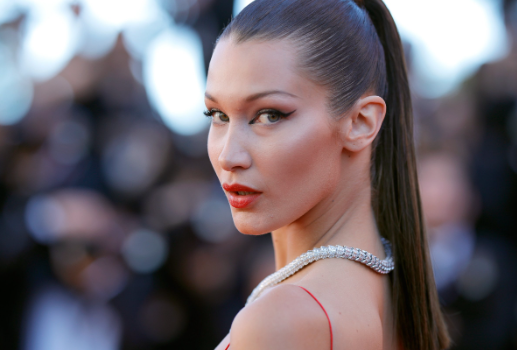
She posted the photo herself. Tears streaming down her face. No makeup, styling, or pretense. Bella Hadid was telling the world what she’d hidden for years: modeling’s most in-demand face was struggling to get through each day.
The 2022 Instagram post shocked an industry accustomed to her flawless appearances. Here was a woman who’d walked for Dior, Chanel, and Versace admitting she was barely functioning. Lyme disease, chronic fatigue, and mental health challenges had brought her to a breaking point.
She stepped away. The fashion world wondered if she’d return. When she did, she came back different—more authentic, more business-focused, and more determined to build something beyond the runway.
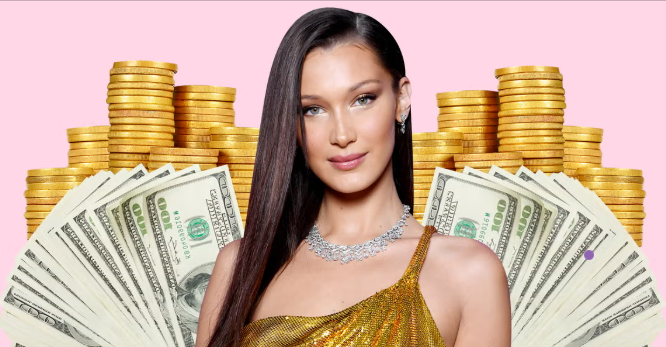
Today, Bella Hadid net worth stands at $25 million. That figure reflects not just modeling income but the fragrance line, skincare brand, and business ventures she launched after her return. The breakdown became a breakthrough. The vulnerability became her brand.
The Before: Growing Up Hadid
Isabella Khair Hadid was born October 9, 1996, in Washington, D.C. Her father, Mohamed Hadid, had built a fortune in real estate development. Her mother, Yolanda Hadid, was a former model who would later gain fame on The Real Housewives of Beverly Hills.
The Shadow of Older Sister
Gigi Hadid entered modeling first. By the time Bella considered following her sister’s path, Gigi had already established herself as one of fashion’s rising stars. The comparison was inevitable and, for Bella, sometimes crushing.
Where Gigi was sunny and accessible, Bella was darker and more mysterious. Where Gigi fit the all-American aesthetic, Bella’s features—inherited from her Palestinian father—suggested something more exotic. The sisters would eventually both succeed, but their paths required different strategies.
Bella has spoken about feeling overshadowed during her teenage years. The dynamic fueled both insecurity and determination. She didn’t want to be “Gigi’s sister.” She wanted her own identity, her own career, her own recognition.
The Illness Nobody Saw
In 2012, Bella was diagnosed with Lyme disease. She was sixteen. Her mother Yolanda received the same diagnosis around the same time. The illness would shape Bella’s life in ways the public wouldn’t understand for years.
Lyme disease is controversial and misunderstood. Symptoms can be invisible—fatigue, brain fog, joint pain, depression. Bella modeled through flare-ups that left her exhausted. She walked runways while fighting symptoms she couldn’t explain to people who couldn’t see them.
The illness created a double consciousness. Publicly, she was one of the most desired models in fashion. Privately, she wondered if she could continue. This gap between appearance and reality would eventually become unsustainable.
The Gatekeepers: Fashion’s Dark Horse
Bella signed with IMG Models in 2014. Her sister was already represented there, and comparisons began immediately. Some questioned whether she was riding Gigi’s coattails. Others saw something distinct—an edge that differentiated her from her more approachable sister.
The Desigual Debut
Her first major runway was Desigual’s 2014 New York Fashion Week show. The booking was modest compared to what would follow, but it established that Bella could walk independently of her sister’s shadow.
Within a year, she’d booked campaigns for Dior and walked for major houses across fashion weeks. According to Vogue, her appeal was her intensity—a quality that photographed as mysterious rather than merely beautiful.
The Victoria’s Secret Controversy
Bella’s 2016 Victoria’s Secret appearance generated headlines beyond the fashion world. She walked the runway while her then-boyfriend The Weeknd performed. The emotional moment—captured in photographs—created the kind of attention that transcends industry publications.
The booking itself validated her commercial appeal. Victoria’s Secret Angels represented the industry’s most marketable faces. Bella’s inclusion signaled that brands saw value beyond editorial credibility.
The Transformation: From Crisis to Clarity
By 2022, Bella had been modeling at the highest level for eight years while managing chronic illness. The accumulated strain became visible in the emotional Instagram posts she began sharing—images of herself crying, captions about mental health struggles, admissions that she wasn’t okay.
The Public Breakdown
The crying photos were calculated in their rawness. Bella chose to share her vulnerability rather than hide it. The decision was risky. Fashion traditionally rewards invulnerability. Showing weakness could have ended her appeal to luxury brands.
Instead, the honesty resonated. Her posts generated millions of supportive comments. A generation that valued mental health transparency saw her as brave rather than broken. The vulnerability became part of her brand identity.
In 2023, she stepped away from modeling to focus on her health. The pause lasted months. When she returned, she announced she was sober, more focused, and ready to build something beyond runway appearances.
The Comeback Season
Bella’s return to fashion was triumphant. She walked for the houses that had always supported her—Dior, Balenciaga, Mugler—but she came back with different energy. The fragility was gone. In its place was a woman who’d survived something and wanted the world to know.
According to Business of Fashion, Bella’s comeback demonstrated a new model for celebrity resilience. Rather than hiding struggles, she’d made them central to her narrative.
The Empire Pivot: Building Beauty
Modeling income would always be limited by time and physical presence. Bella watched her sister Gigi launch Guest in Residence and recognized the pattern. Real wealth required building businesses, not just walking runways.
Orebella: The Fragrance Line
In 2024, Bella launched Orebella, a fragrance line that reflected her personal aesthetic. The products sold out within hours of release. The speed of sellout demonstrated what marketers already knew: her audience would buy what she created.
Unlike typical celebrity fragrances—licensed deals where stars provide names but little input—Bella was involved in product development. She chose the scent profiles, designed the bottles, and directed the marketing. The brand was hers, not just her name on someone else’s product.
Skincare and Beyond
Following the fragrance success, Bella expanded into skincare. Her chronic health struggles had made her intensely aware of what she put on and in her body. The skincare line reflected that consciousness—clean ingredients, sustainable packaging, transparent sourcing.
These businesses represent the foundation of long-term wealth. Campaign fees pay annually. Brand equity compounds indefinitely. If her businesses succeed at scale, Bella’s net worth could eventually rival the empire builders who came before her.
Bella Hadid Net Worth 2025: The Current Picture
At $25 million, Bella Hadid net worth reflects the combination of high-fashion modeling income and emerging business equity. The figure will likely grow substantially as her fragrance and skincare ventures mature.
Modeling Revenue
Bella remains one of the highest-paid models in fashion. Campaign fees from Dior, her longest-standing relationship, reportedly reach seven figures. Additional campaigns, runway appearances, and editorial work generate several million dollars annually.
Her return from hiatus actually increased her value. The absence created scarcity. The comeback narrative added emotional resonance. Brands recognized that booking Bella now meant something different than booking her before.
Business Equity
The fragrance and skincare lines represent appreciating assets. Early sales figures suggest strong product-market fit. If the brands continue growing, her equity stakes will eventually exceed her modeling income in value.
The business trajectory mirrors what successful model-entrepreneurs have demonstrated repeatedly. Modeling provides capital and credibility. Businesses provide compounding wealth. The transition from one to the other defines who builds lasting fortunes.
Social Media Value
With over 60 million Instagram followers, Bella’s social media presence generates significant additional revenue. Sponsored posts, even used sparingly, command substantial fees. More importantly, the platform provides direct marketing for her own brands—bypassing traditional advertising costs.
The Tell: Vulnerability as Strategy
What distinguishes Bella’s approach is her willingness to be publicly imperfect. The crying photos, the health disclosures, the sobriety journey—each admission could have damaged her career. Instead, they strengthened her connection to audiences.
The Authenticity Premium
Modern consumers, particularly younger ones, reward authenticity over perfection. Bella’s struggles make her relatable in ways that flawless models cannot match. When she promotes a skincare product, audiences believe she actually uses it. That credibility translates to sales.
The vulnerability strategy required courage. Fashion’s traditional culture punishes weakness. By sharing her struggles anyway, Bella bet that the industry was changing—and that bet paid off.
The Sisterhood Dynamic
Bella and Gigi have navigated their dual careers without public conflict. They’ve walked runways together, supported each other’s businesses, and avoided the sibling rivalry narratives that tabloids crave.
This collaboration serves both sisters commercially. Their combined following exceeds 100 million. Joint appearances generate outsized attention. The family brand amplifies individual endeavors.
The Hamptons Connection: Hadid Heritage
The Hadid family has deep connections to East Coast wealth through Mohamed’s real estate career. While primarily known for Los Angeles properties, his development portfolio and social networks extend to New York’s elite circles.
Fashion Week Presence
Bella’s career requires constant New York presence. Fashion Week, campaign shoots, and industry events keep her connected to the city’s social infrastructure. She’s been photographed at East End events and maintains relationships within the Hamptons summer circuit.
The Recovery Narrative
For Social Life Magazine readers, Bella represents something specific: the successful recovery from public difficulty. Her comeback demonstrates that setbacks—even highly visible ones—don’t have to define careers. That message resonates with anyone who’s faced challenges and wondered if recovery was possible.
Bella Hadid Net Worth 2025: The Rebuilt Foundation
The woman who posted crying selfies to Instagram has become a $25 million businesswoman. The journey required admitting weakness publicly, stepping away from peak earning years, and returning with a completely different approach.
Bella’s story defies the traditional celebrity arc. She didn’t hide her struggles and hope no one noticed. She made them central to her identity. The vulnerability that could have ended her career became the foundation for something larger.
Her fragrance sells because people believe in her. The skincare succeeds because her health journey makes her a credible advocate. Modeling rates increased because her comeback added narrative depth. Everything connects back to the decision to be publicly imperfect.
At 28, Bella Hadid net worth will likely continue growing. The businesses are young. The brand equity is building. The audience connection remains strong. What started as a breakdown became the foundation for an empire.
She showed the world her tears. They responded by buying what she built.
Related Articles
- Gigi Hadid Net Worth 2025: The Nice Girl Who Played the Long Game
- Kendall Jenner Net Worth 2025: From Reality TV to Tequila Empire
- Hailey Bieber Net Worth 2025: Rhode Skin and the Reinvention of a Name
For features, advertising, and partnership inquiries, contact Social Life Magazine. Join us at Polo Hamptons where wellness meets luxury living.
Subscribe to our print edition for delivery to your home. Support our journalism with a $5 contribution.
Author

Written by
Recent Posts
Where Can You Find the Best Made-to-Measure Bespoke Suits in NYC
The Financial Habits Every Successful Entrepreneur Swears By
What Happens If You Delay Hemorrhoid Treatment in New York City

James Franco Net Worth — A $30 Million Career Interrupted
Selena Gomez Net Worth — How a Disney Kid Built a $1.3 Billion Empire
Categories
- Art
- Articles
- Beauty & Skincare
- Celebrities
- Celebrities|Movies
- Celebrities|The Chronicles
- Chronicles
- Culture|Television
- Entertainment|Culture
- Event Photos
- Events
- Fashion
- Fashion & Style
- Featured
- Food & Beverage
- Food, Spirits, Wine
- Hamptons
- Hamptons Celebrities
- Hamptons Celebrities|Celebrities|The Chronicles
- Health
- Health & Beauty
- Lifestyle
- Luxury Lifestyle
- Movies
- Movies|Culture
- Movies|Hamptons Lifestyle
- Press
- Profiles
- Real Estate
- Technology
- The Chronicles
- Travel
- Uncategorized
- Weddings