
The Pivot Moments That Created Billionaires
Every entertainment billionaire has a defining moment when they transitioned from creator to owner. These pivots share common characteristics that reveal a repeatable playbook.
| Creator | The Pivot | Before | After |
|---|---|---|---|
| Oprah Winfrey | Negotiated Harpo ownership (1988) | $1M/year host salary | $2B+ library value |
| George Lucas | Kept merchandising rights (1977) | $150K directing fee | $5B+ empire |
| Steven Spielberg | Co-founded DreamWorks (1994) | $10M/film fees | $7B+ portfolio |
| Tyler Perry | Built own studio (2006) | $100K/project | $1.4B ownership |
| Reese Witherspoon | Sold Hello Sunshine (2021) | $20M/film | $900M exit |
Notice the consistent pattern. Each creator had established credibility through successful work. They recognized they were creating value that exceeded their compensation. Ownership got negotiated when they had sufficient leverage but before they had maximum leverage. That ownership then compounded into permanent wealth.
The Ownership Ladder: Six Levels of Media Wealth
The transition from creator to owner doesn’t happen in a single step. It progresses through distinct levels, each requiring different skills and negotiations.
Level 1: Fee-for-Service
At this foundational level, creators exchange time for money. Actors get paid per film, writers per script, directors per project. Income is linear. Work stops, income stops. Maximum wealth accumulation: $50-100 million for the most successful over a full career.
Level 2: Backend Points
The first step toward ownership involves negotiating profit participation. The critical distinction: gross points versus net points. Net points rarely pay due to studio accounting. Gross points generate actual cash. Maximum wealth accumulation: $200-400 million with consistent hits.
Level 3: Production Company
Forming a production company shifts the creator from talent to business owner. Overhead deals fund operations. First-look agreements guarantee project consideration. Retained participation builds a portfolio of revenue-generating rights. Maximum wealth accumulation: $500 million to $1 billion.
Level 4: Library Ownership
Owning content catalogs, not just participation rights, creates truly perpetual revenue streams. The Harpo library generates licensing revenue indefinitely. Lucas’s merchandising rights produced billions before the Disney sale. Maximum wealth accumulation: $2-5 billion.
Level 5: Platform/Studio Equity
The highest level involves ownership in distribution infrastructure itself. Tyler Perry’s BET+ stake, Spielberg’s DreamWorks equity, and similar positions create wealth that compounds with industry growth. Maximum wealth accumulation: $5 billion plus.
Level 6: Investment Portfolio
After building substantial media wealth, diversification into other asset classes provides security and continued compounding. Real estate, venture investments, and public equities extend the wealth beyond entertainment’s inherent volatility.
When to Make the Pivot
Timing the content creator to content owner transition requires balancing competing considerations. Move too early, and you lack the leverage to negotiate meaningful ownership. Move too late, and you’ve left significant value on the table.
The optimal moment shares several characteristics:
You’re valuable but not irreplaceable yet. Oprah negotiated for Harpo ownership when she was successful but not yet dominant. ABC agreed because they were focused on immediate costs and didn’t fully appreciate her future trajectory. If she’d waited until she was the undisputed queen of daytime television, ABC might have recognized the stakes and fought harder.
The counterparty undervalues the future. Fox gave Lucas merchandising rights because they couldn’t imagine toys generating meaningful revenue. Studios consistently undervalue long-term optionality because executives are measured on quarterly results, not decade-long asset appreciation.
You’re willing to accept short-term reduction for long-term upside. Every ownership negotiation involves trading immediate compensation for future participation. Lucas accepted less upfront to keep the merchandising. Oprah could have negotiated higher hosting fees instead of ownership. The creators who build wealth take the future over the present.
You believe in your own work. Ownership negotiations are bets on yourself. If you’re wrong about your project’s potential, you’ve accepted below-market compensation for nothing. If you’re right, you capture upside that would otherwise go to studios and distributors. Only take ownership positions in work you genuinely believe will outperform.
The Leverage Equation
Negotiating ownership requires leverage, but not necessarily maximum leverage. The key is identifying situations where the counterparty needs you more than you need them, even temporarily.
Sources of creator leverage:
Unique ability: Can anyone else do what you do? If you’re fungible, you have no leverage. If you’re irreplaceable for a specific project, you have significant leverage for that project.
Time pressure: Does the counterparty face deadlines that require your participation? Studios with release dates, networks with programming gaps, and platforms with subscriber targets all face time pressure that creates negotiating leverage.
Alternative options: Can you walk away? Creators with multiple interested parties have more leverage than creators with single buyers. Building relationships across studios and platforms creates competitive dynamics that favor the creator.
Information asymmetry: Do you know something the counterparty doesn’t? Lucas understood the potential value of merchandise before studios did. Oprah understood the long-term value of syndication libraries. Knowledge creates leverage when counterparties undervalue what you’re negotiating for.
The New Creator Economy Application
The ownership principles that made entertainment moguls apply directly to today’s creator economy. YouTubers, podcasters, newsletter writers, and social media creators face the same fundamental choice: remain talent or become owners.
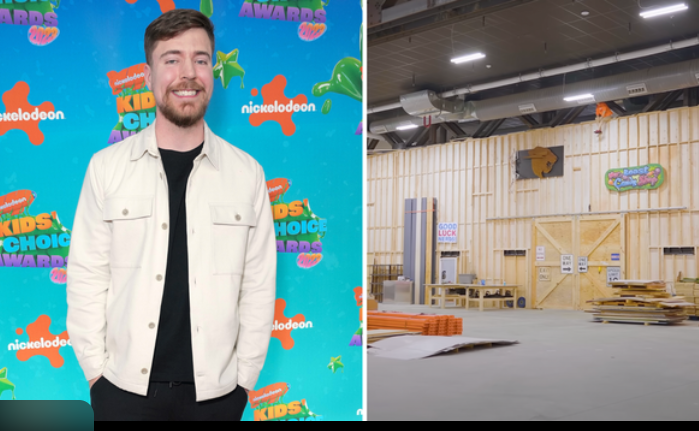
YouTube to Ownership: MrBeast exemplifies the modern creator-to-owner transition. Rather than maximizing AdSense revenue, he’s built ownership in Feastables chocolate, the Beast Burger brand, and production infrastructure. The channel creates attention. The owned businesses monetize it permanently.
Podcasts to Platforms: Joe Rogan’s Spotify deal included both licensing fees and equity-like components. Rather than simply selling episodes, he negotiated for participation in platform success. The distinction mirrors the gross-points-versus-fee debate in traditional entertainment.
Newsletters to Media Companies: Substack writers who’ve built substantial audiences face a choice: maximize subscription revenue as individuals or build media companies that can be sold to institutional buyers. Morning Brew’s acquisition by Insider for approximately $75 million demonstrated the exit value of owned media properties.
Influencer to Brand Owner: Kylie Jenner’s Kylie Cosmetics, Rihanna’s Fenty Beauty, and similar ventures represent influencers transitioning from endorsement fees to ownership stakes. The influencer attention creates brand value. The equity position captures that value permanently.
What Ownership Actually Requires
The content creator to content owner transition isn’t just about negotiation. It requires building different capabilities.
Business Infrastructure: Owning content requires managing content. Production companies need accounting, legal, and operational capabilities that individual creators don’t require. Building or acquiring this infrastructure is a prerequisite for ownership at scale.
Capital Relationships: Ownership often requires investment. Production companies need development capital. Libraries require acquisition funding. Building relationships with investors, whether individuals, institutions, or strategic partners, enables ownership that pure talent cannot achieve alone.
Long-term Thinking: Ownership compounds over decades. Creators accustomed to project-based thinking must shift to portfolio-based thinking. What will this asset be worth in 30 years? How does this deal fit with other holdings? These questions don’t arise in fee-for-service work.
Exit Planning: Ownership is only valuable if it can be converted to liquid wealth. Understanding who buys content assets, what they value, and how to position for acquisition is essential knowledge that most creators never develop.
The Tax Implications of Creator vs. Owner
The transition from creator to owner has significant tax implications that affect net wealth accumulation.
Income vs. Capital Gains: Creator fees are taxed as ordinary income at rates up to 37% federal plus state taxes. Ownership gains, held for more than a year, are taxed as long-term capital gains at rates up to 20% federal. This difference alone can mean retaining 15-20% more of every dollar earned through ownership versus fees.
Qualified Small Business Stock: Under certain conditions, gains from qualified small business stock can be partially or fully excluded from taxation. Media companies structured properly can qualify, creating significant tax advantages for founder-owners.
Installment Sales: Selling ownership interests can be structured as installment sales, spreading tax recognition across multiple years and potentially reducing effective rates.
Charitable Strategies: Donating appreciated ownership interests to charitable vehicles provides deductions at fair market value while avoiding capital gains entirely. Many media moguls use these strategies to both reduce taxes and advance philanthropic goals.
The Risks of the Ownership Path
The creator-to-owner transition isn’t without risks that must be acknowledged.
Opportunity Cost: Taking ownership instead of fees means accepting less immediate compensation. If the project underperforms, you’ve effectively worked at below-market rates. This risk is real and has cost many creators money over the years.
Illiquidity: Ownership interests can’t be easily converted to cash. Library stakes, production company equity, and similar assets may take years to monetize. Creators accustomed to regular income must manage cash flow differently.
Management Burden: Owning assets requires managing them. Production companies need staffing decisions, strategic direction, and operational oversight. Some creators thrive in this environment. Others find it distracts from the creative work they actually enjoy.
Concentration Risk: Ownership positions in single projects or companies create concentrated risk. Diversification across multiple assets reduces this risk but requires more capital and management attention.
The Playbook Summary
The content creator to content owner transition follows a clear sequence:
First, build credibility through excellent creative work. You need leverage before you can negotiate for ownership, and credibility is the foundation of leverage.
Second, identify the moment when counterparties undervalue future optionality. Studios, platforms, and brands consistently discount long-term potential because they’re measured on short-term results.
Third, negotiate for ownership in specific, valuable assets rather than vague participation. Merchandising rights to a specific franchise. Library ownership of specific episodes. Equity in a specific company. Specificity creates enforceable value.
Fourth, structure deals for perpetuity and gross participation. Net points and time-limited rights erode value. Gross participation and perpetual ownership compound it.
Fifth, build the infrastructure to manage owned assets. This might mean production company operations, investment management, or simply sophisticated legal and accounting support.
Sixth, plan for exit or perpetual hold based on your goals. Some creators want liquidity events. Others want generational wealth transfer. The strategy differs significantly.
The Bottom Line on the Billionaire Pivot
Content creators get views. Content owners get billions. The difference isn’t talent or work ethic or luck. It’s structural positioning that compounds over decades.
Every creator who’s built a billion-dollar fortune made the same fundamental pivot: they stopped being talent and became infrastructure. They stopped trading time for money and started owning assets that generate money without their time. They stopped thinking about the next project and started thinking about the permanent portfolio.
The meeting where they offered him more money, he asked for ownership instead. That sentence describes every entertainment billionaire’s defining negotiation. What’s your ownership ask?
Related Reading
- The $10B Club: How Hollywood’s Biggest Fortunes Brunch in Bridgehampton
- How Media Moguls Build Billion-Dollar Empires (Not Million-Dollar Careers)
- Oprah Winfrey Net Worth 2025: How $3.2B Was Built on Ownership
- George Lucas Net Worth 2025: The $5.3B Skywalker Stack
Connect With Social Life
For features, partnerships, and advertising inquiries: sociallifemagazine.com/contact
Join us at Polo Hamptons for the season’s most anticipated events: polohamptons.com
Subscribe to our newsletter for insider access to Hamptons culture, real estate, and social intelligence.
Author

Written by
Recent Posts
Behind the Scenes of Weddings Involving Long-Distance Relationships
Why Karaoke Is the Ultimate Entertainment Choice for a Hen Party
Easy Recipes That Feed A Crowd Without The Stress
The Influence Of Social Media On Interior Style Trends
Where Can You Find the Best Made-to-Measure Bespoke Suits in NYC
Categories
- Art
- Articles
- Beauty & Skincare
- Celebrities
- Celebrities|Movies
- Celebrities|The Chronicles
- Chronicles
- Entertainment|Culture
- Event Photos
- Events
- Fashion
- Fashion & Style
- Featured
- Food & Beverage
- Food, Spirits, Wine
- Hamptons
- Hamptons Celebrities
- Hamptons Celebrities|Celebrities|The Chronicles
- Health
- Health & Beauty
- Lifestyle
- Luxury Lifestyle
- Movies|Culture
- Movies|Hamptons Lifestyle
- Press
- Profiles
- Real Estate
- Technology
- The Chronicles
- Travel
- Uncategorized
- Weddings