
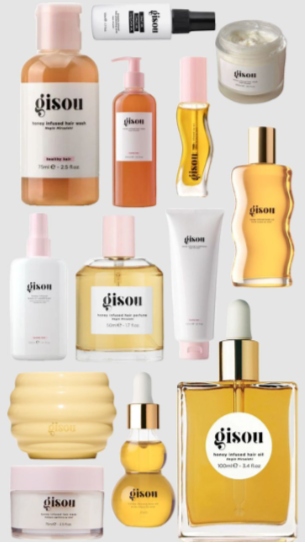
Today, Gisou products appear in beach house bathrooms from Southampton to Sagaponack with the same frequency as La Mer and Aesop. The amber bottles have become a quiet status marker, signaling something more nuanced than mere wealth. They communicate values, heritage, and a particular kind of discernment that younger money has made fashionable.
Six Generations of Beekeepers: The Mirsalehi Legacy
The Gisou story begins not in a corporate lab or an influencer’s apartment, but in Iran, where Negin’s father practiced beekeeping as a boy, just like the generations before him. When the family moved to the Netherlands in the 1980s, establishing a bee garden was his first priority. He chose Almere specifically for its wildflower meadows, the diverse flora that would give his honey its distinctive character.
The Apiary That Built an Empire
The Mirsalehi Bee Garden now supplies every drop of honey used in Gisou products. Thistle, white clover, wild blackberry, and fireweed create what the family calls their “terroir,” a term borrowed from winemaking that captures how geography shapes flavor. This specificity matters because it cannot be replicated. No competitor can source Mirsalehi honey. The composition of those wildflowers, the particular ecosystem of that Dutch garden, produces something chemically unique.
Meanwhile, the family’s bee-centered approach means they only harvest surplus honey, never depleting what the hive needs to survive winter. This philosophy predates any marketing strategy. It simply reflects how beekeepers who love their craft have always operated.
Lessons from the Hive
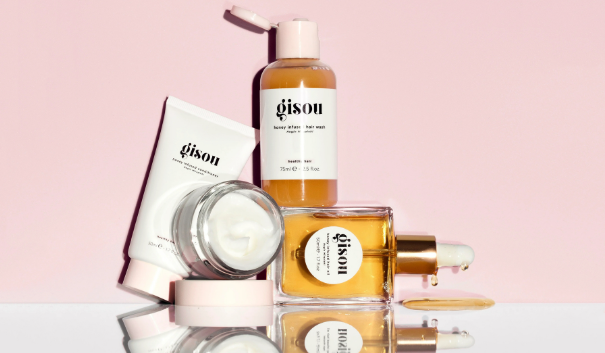
Negin’s mother, a hairdresser, noticed something during those early years in the Netherlands. The commercial haircare products available didn’t meet her standards. She began experimenting with her husband’s honey, developing a DIY hair oil that kept her daughters’ hair lustrous and strong. Both sisters grew up with hair that drew constant compliments. People would stop Negin on the street to ask about her routine.
Years later, when Negin started blogging about fashion and beauty while completing her marketing degree, followers kept asking about her hair. Then she shared a post about her family’s bee garden, and engagement exploded. People wanted to know more about the beekeeping heritage, the honey treatments, the Sunday morning rituals. The questions pointed toward an opportunity.
From Instagram to Industry: Building Without Selling Out
In 2015, Negin launched Gisou with her partner Maurits Stibbe, a former PricewaterhouseCoopers consultant. They invested $1 million of their own money and started with a single product: the Honey Infused Hair Oil, based on her mother’s original recipe. The launch was direct-to-consumer, no retail partners, no outside investors.
The Influencer Who Became the Brand
Negin had built a following of over seven million across social platforms, making her one of the first major Instagram influencers. But she didn’t want to simply endorse products for other companies. According to Women’s Wear Daily, she saw how the influencer economy worked and decided to capture the value herself rather than renting out her credibility.
Her social media presence gave Gisou an unfair advantage from day one. Every post about the bee garden, every video of her father tending hives, every tutorial demonstrating the hair oil doubled as organic marketing. The content felt authentic because it was. She wasn’t pretending to care about bees for commercial purposes. The commercial purposes emerged from a genuine obsession.
Saying No to the Conglomerates
As Gisou grew, acquisition offers arrived from major beauty conglomerates. The playbook is familiar: influencer launches brand, brand gains traction, conglomerate writes check, founder cashes out and moves on. Negin and Maurits declined. They took strategic investment instead, first from London-based Vaultier7 in early 2020, then from French private equity firm Eurazeo in 2022. Crucially, they remained majority owners.
This decision reflected something more than financial calculation. The brand carried her family’s name, her father’s life’s work, generations of beekeeping knowledge. Selling to L’Oréal or Estée Lauder would mean surrendering control over how that heritage gets deployed. The math might have made sense on a spreadsheet, but the emotional math didn’t compute.
The Science of Honey Hair: Why Gisou Actually Works
Luxury beauty often trades on mystique rather than efficacy. Gisou managed to deliver both. The science behind honey as a haircare ingredient is legitimate, backed by research published in dermatology journals and cosmetic science publications.
What’s Actually in the Bottle
Honey functions as a natural humectant, meaning it attracts and retains moisture from the surrounding environment. According to research in the Journal of Cosmetic Dermatology, this property allows honey to penetrate the hair shaft and maintain hydration from within rather than simply coating the surface. Studies suggest honey can improve hair’s water retention capacity by up to 35% compared to water alone.
Beyond moisture, honey contains over 180 natural compounds including amino acids, vitamins, enzymes, and minerals. These nutrients support hair structure at a molecular level, reducing breakage and improving elasticity. The antibacterial and anti-inflammatory properties also benefit scalp health, addressing conditions like dandruff and seborrheic dermatitis.
The $46 Oil That Replaced $200 Treatments
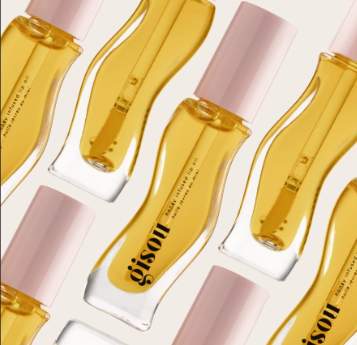
The proprietary Mirsalehi Honey blend combines these benefits with botanical oils selected to complement the honey’s properties. The result is a product that delivers measurable results without the premium pricing typical of luxury haircare. At $46 for the hair oil, Gisou positioned itself as accessible premium rather than exclusive luxury.
This pricing strategy proved strategic. The product costs enough to signal quality but not so much that it becomes aspirational only. A woman can discover Gisou, buy it, love it, and integrate it into her routine without agonizing over the expense. The repeat purchase rate tells the story: customers come back.
The New Wealth Marker: Sustainability as Status
Something shifted in how affluent consumers signal status over the past decade. Conspicuous consumption still exists, but it’s been joined by what researchers call “inconspicuous consumption,” the display of values through purchasing choices that require insider knowledge to decode.
When Your Shampoo Becomes a Statement
A guest opening your bathroom cabinet in Southampton encounters information. The presence of Gisou communicates several things simultaneously: you know about the brand (cultural capital), you care about sustainability (values alignment), you prioritize efficacy over marketing (discernment), and you have the means to curate your consumption (economic capital). The amber bottle does a lot of work just sitting there.
This positioning places Gisou in the same ecosystem as Aesop, Drunk Elephant, and Le Labo, brands that attract consumers who want to make statements through their choices but find traditional luxury logos gauche. The sustainability credentials authenticate the purchase. You’re not just buying hair oil; you’re supporting bee conservation, family businesses, and regenerative agriculture.
Why Every Beach House Bathroom Has That Amber Bottle
Walk through a high-end Hamptons rental property, and you’ll find Gisou in the primary bathroom more often than not. Property managers and staging professionals have figured out that the brand serves as a shorthand for a certain lifestyle proposition.
The aesthetic appeal is undeniable. Those painted aluminum bottles photograph beautifully against white marble. They look intentional without trying too hard. For properties competing on Instagram and luxury rental platforms, every visual detail matters. Gisou bottles suggest that someone with taste lives here, or at least that someone with taste selected the amenities.
Furthermore, the fragrance functions as a signature. Guests notice. The scent profile, warm honey notes without cloying sweetness, lingers on hair and in memory. When renters return home and search for that product they used on vacation, they’re discovering a brand with a conversion path already built.
The Paradox of Success
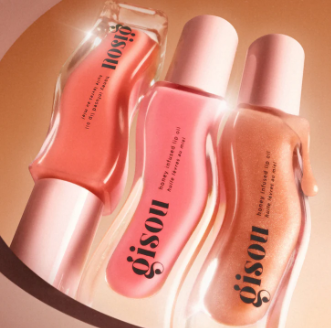
Ten years after launch, Gisou has grown into exactly what Negin imagined during those Sunday mornings in the bee garden, and something she never could have predicted. The brand reached the €100 million revenue target, expanded into face and lip products, and secured retail placement in Sephora, Selfridges, and Mecca globally. Her sister Negar now serves as Chief Beekeeper, ensuring the family legacy continues into what could be the eighth generation.
Yet success at scale creates its own tensions. The same authenticity that built the brand becomes harder to maintain as production increases and corporate partnerships multiply. Negin insists the bee-centered approach remains unchanged, that they still only harvest surplus honey, that her father still tends the hives.
Perhaps that’s the point. The mansion is beautiful, and it’s also a bandage. Every brand seeking to scale authenticity faces the paradox of growth. The beekeepers’ daughter solved that problem the only way she knew how: by keeping her family close, her bees closer, and her values non-negotiable.
The amber bottle on your bathroom shelf contains more than honey. It holds Sunday mornings, backgammon games, picnic lunches, and a father teaching his daughter to read the hives. That story can’t be replicated. And that’s exactly why it works.
Related Articles
- Sustainable Luxury: The Brands Redefining What Wealth Looks Like
- Beach House Staging Secrets: The Products That Close Deals
- The Hamptons Beauty Cabinet: What $50K in Skincare Actually Looks Like
Interested in featuring your luxury brand in Social Life Magazine? Contact our partnerships team to learn about editorial opportunities. For exclusive events and lifestyle updates, explore Polo Hamptons or subscribe to our print edition.
Author

Written by
Recent Posts

Civil War A24 Cast Net Worth — A24 Bet $50 Million on the End of America and Won

Midsommar A24 Cast Net Worth — The Daylight Horror That Turned Grief Into a Career Launchpad

ZOI NOMAD & TEN11 LOUNGE MARK ONE YEAR

Room A24 Cast Net Worth — The $6 Million Captivity Drama That Set Brie Larson Free

The Witch A24 Cast Net Worth — A $3.5 Million Puritan Nightmare That Created a Queen and a King
Categories
- Art
- Articles
- Beauty & Skincare
- Celebrities
- Celebrities|Movies
- Celebrities|The Chronicles
- Chronicles
- Entertainment|Culture
- Event Photos
- Events
- Fashion
- Fashion & Style
- Featured
- Food & Beverage
- Food, Spirits, Wine
- Hamptons
- Hamptons Celebrities
- Hamptons Celebrities|Celebrities|The Chronicles
- Health
- Health & Beauty
- Lifestyle
- Luxury Lifestyle
- Movies
- Movies|Culture
- Movies|Hamptons Lifestyle
- Press
- Profiles
- Real Estate
- Technology
- The Chronicles
- Travel
- Uncategorized
- Weddings