
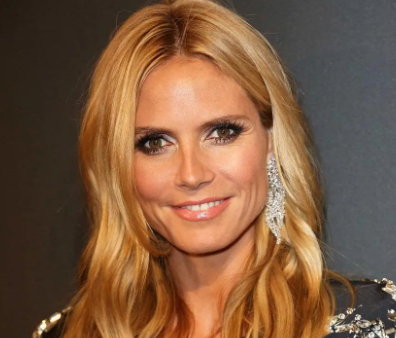
In 1992, a 19-year-old from Bergisch Gladbach entered a German modeling contest with 25,000 other girls. She wasn’t the tallest. She wasn’t the thinnest. Her curves violated the era’s waif aesthetic entirely. Yet she won, walking away with a $300,000 contract that her father, a cosmetics company executive, helped her invest rather than spend. That discipline would define everything that followed.
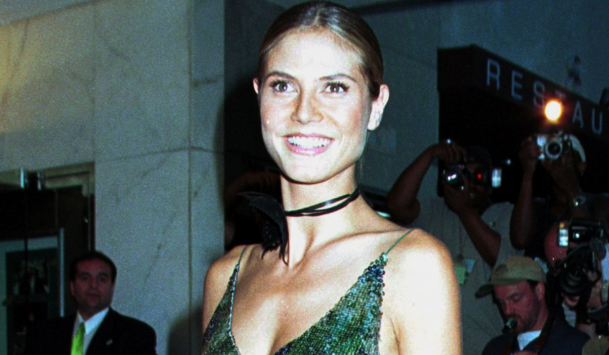
Today, Heidi Klum’s net worth sits at approximately $160 million. The runway long ago stopped being the source. Instead, she built a television empire, collecting producer credits and backend percentages while other models collected appearance fees. The German girl who didn’t fit the mold remade the mold entirely.
The Before: Bergisch Gladbach Dreams
Bergisch Gladbach is a small city near Cologne, the kind of place where modeling careers don’t typically begin. Heidi’s father worked for a cosmetics company. Her mother was a hairdresser. The family was comfortable but unremarkable, thoroughly middle-class in a country that prizes middle-class stability.
The Model Search Gamble
When a friend suggested entering the “Model 92” contest sponsored by German television, Klum almost declined. She was studying at a fashion design school, imagining a career behind the scenes. However, the prize money changed her calculation. Three hundred thousand dollars could fund years of design school or launch a business. She entered with pragmatism, not fantasy.
Among 25,000 entrants, judges noticed something unusual. Klum photographed differently than she appeared in person. On camera, her features resolved into something more striking, her energy more compelling. This quality, being more beautiful in photographs than in life, is the opposite of most attractive people. It’s also the defining trait of successful models.
The Gatekeepers: American Reinvention
Winning the German contest attracted attention, but European success didn’t automatically translate to American opportunity. When Klum arrived in New York in 1993, agencies weren’t sure how to position her. At 5’9″ with athletic curves, she defied the heroin-chic aesthetic then dominating fashion.
The Victoria’s Secret Bet
Rather than force herself into high fashion, Klum found her market. Victoria’s Secret was expanding aggressively, seeking models who represented aspirational sexiness rather than editorial edginess. Her curves, which eliminated her from avant-garde consideration, made her perfect for lingerie. In 1997, she became a Victoria’s Secret Angel.

The timing proved fortunate. Victoria’s Secret was about to become a cultural phenomenon, its annual fashion show evolving from catalog promotion to television spectacle. Klum would walk in the show thirteen times, understanding before most that television exposure outvalued runway exclusivity.
The Transformation: Beyond the Runway
Through the late 1990s and early 2000s, Klum accumulated standard supermodel achievements: Sports Illustrated covers, Gianni Versace campaigns, a reported $3 million annual Victoria’s Secret contract. Yet she was already looking beyond modeling income.
The Television Instinct
Unlike models who treated interviews as obligations, Klum treated them as opportunities. She cultivated on-camera personality, the quick wit and self-deprecating humor that distinguished her from more reserved contemporaries. Producers noticed. When casting directors imagined models who could host, Klum’s name surfaced repeatedly.
She also observed the economics of entertainment more carefully than most. Models who appeared on television collected appearance fees. Producers who created television collected royalties forever. The distinction would shape her strategic pivot entirely.
The Empire Pivot: Project Runway and Beyond
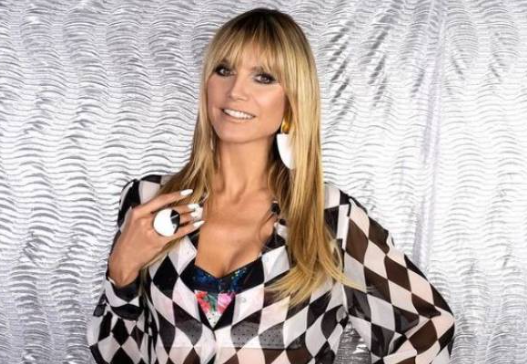
In 2004, Bravo launched Project Runway with Klum as host and executive producer. The emphasis on that second title matters enormously. As executive producer, she didn’t merely read cue cards. She shared in the show’s backend, collecting percentages of syndication, international licensing, and streaming deals that would accumulate for decades.
The Royalty Math
Project Runway has aired over twenty seasons across Bravo and Lifetime, generating hundreds of millions in advertising revenue. Klum’s producer percentage, reportedly in the low double digits, has yielded estimated earnings exceeding $40 million from this single property. Meanwhile, her hosting fee provides additional income per season.
The model extended to other shows. America’s Got Talent, Germany’s Next Topmodel, and various hosting gigs followed the same template: negotiate producer credit alongside hosting fees. Each project created dual income streams, payment for work performed plus ongoing participation in success.
The Business Extensions
Klum’s business ventures beyond television include perfume lines, fashion collaborations with New Balance and Lidl, and skincare products. Unlike models who simply license their names, she has typically maintained creative involvement and equity participation. Her perfume collection alone has generated over $200 million in retail sales.
The approach mirrors what Iman pioneered: converting fame into ownership rather than rental. When Klum partners with a brand, she doesn’t just appear in advertisements. She structures deals that align her compensation with the product’s success.
The Hamptons Connection
Klum has been photographed at numerous East End events over the years, though she maintains primary residences in Los Angeles and New York City. Her presence in Hamptons social circles reflects the broader migration of entertainment industry figures to the East End during summer months.
The Model-Producer Archetype
For Social Life readers, Klum represents a specific kind of success story. She didn’t inherit wealth or marry into it. She built it through strategic positioning, understanding that television exposure could be converted into television ownership. The German girl who won a modeling contest became the woman who owns pieces of television franchises.
Her path offers a template for the newly-wealthy seeking to extend their relevance beyond initial success. The first act creates recognition. The second act converts recognition into equity. Klum executed both acts with unusual precision.
Heidi Klum Net Worth 2025: The Compounding Portfolio
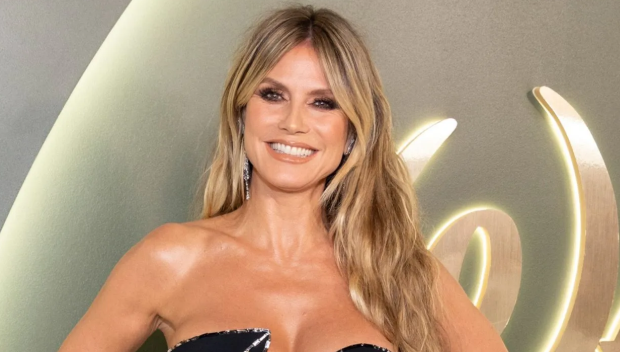
At 51, Klum continues generating active income from television hosting, brand partnerships, and product lines. However, her wealth increasingly derives from passive sources: Project Runway royalties, Germany’s Next Topmodel percentages, and investment returns from decades of disciplined saving.
Her estimated $160 million net worth positions her among the wealthiest models of her generation. Unlike contemporaries whose wealth peaked with their modeling careers, Klum’s fortune continues growing. The producer credits she negotiated in her thirties now generate income in her fifties. The pattern should continue indefinitely.
That 19-year-old in Bergisch Gladbach couldn’t have predicted any of this. However, she made one decision that shaped everything: she invested her contest winnings rather than spending them. Her father’s advice, treat money as capital rather than lifestyle, became the founding principle of an empire. From German teenager to television mogul, Klum proved that curves could be assets if you positioned them correctly.
Related Articles
- Tyra Banks Net Worth 2025: From Model to Media Mogul
- Christie Brinkley Net Worth 2025: The Ageless Income Stream
- Elle Macpherson Net Worth 2025: Building an Empire From a Nickname
For features, advertising, and partnership inquiries, visit sociallifemagazine.com/contact. Experience exclusive Hamptons events at polohamptons.com. Join our newsletter for insider access to celebrity net worth stories and luxury lifestyle coverage.
Author

Written by
Recent Posts
The Financial Habits Every Successful Entrepreneur Swears By
What Happens If You Delay Hemorrhoid Treatment in New York City

James Franco Net Worth — A $30 Million Career Interrupted
Selena Gomez Net Worth — How a Disney Kid Built a $1.3 Billion Empire
Spring Breakers A24 Cast Net Worth — Disney Kids Gone Dangerous
Categories
- Art
- Articles
- Beauty & Skincare
- Celebrities
- Celebrities|Movies
- Celebrities|The Chronicles
- Chronicles
- Culture|Television
- Entertainment|Culture
- Event Photos
- Events
- Fashion
- Fashion & Style
- Featured
- Food & Beverage
- Food, Spirits, Wine
- Hamptons
- Hamptons Celebrities
- Hamptons Celebrities|Celebrities|The Chronicles
- Health
- Health & Beauty
- Lifestyle
- Luxury Lifestyle
- Movies
- Movies|Culture
- Movies|Hamptons Lifestyle
- Press
- Profiles
- Real Estate
- Technology
- The Chronicles
- Travel
- Uncategorized
- Weddings