
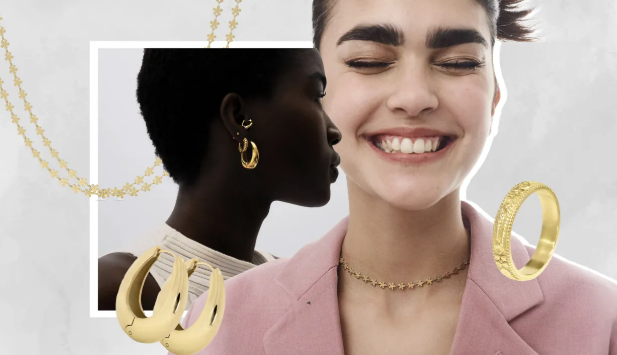
The vacation started well enough. Catarina Oliveira had packed carefully for a week on the Portuguese coast: sundresses, sandals, and the gold-toned jewelry she’d accumulated over years of careful shopping. By day three, every piece had turned green. The necklaces left marks on her skin. The bracelets looked corroded. The earrings went unworn because she couldn’t trust them near salt water.
This wasn’t a new problem. Every summer brought the same frustration. Jewelry manufacturers seemed to assume their customers lived in climate-controlled environments, never sweating, never swimming, never applying the sunscreen that accelerated tarnishing. For anyone who actually lived a coastal life, the options were either cheap pieces that failed immediately or expensive gold that felt too precious to risk.
In 2018, Oliveira started making jewelry in her Lisbon apartment. Not as a business plan, but as a personal solution. Within six years, Hey Harper would sell to over 100 countries, open a flagship store in Manhattan, and dress Elizabeth Debicki as Princess Diana on Netflix. The company’s founding premise remains unchanged: jewelry should survive the way you actually live.
The Market Gap: Why Traditional Jewelry Fails Active Lives
The jewelry industry operates on assumptions that haven’t evolved with modern lifestyles. Traditional plating processes create beautiful finishes that degrade quickly when exposed to moisture, chemicals, or skin chemistry. Gold-plated jewelry, the accessible luxury that fills most jewelry boxes, typically begins tarnishing within weeks of regular wear.
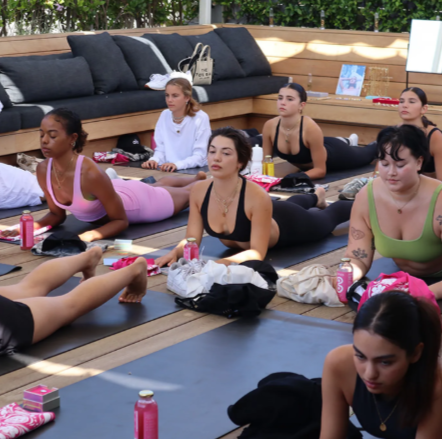
For women who swim before breakfast, work out at midday, and attend evening events without time for costume changes, this creates impossible choices. Either remove jewelry constantly and risk losing pieces, or accept that purchases have abbreviated lifespans. Neither option satisfies buyers who want reliability alongside aesthetics.
The Coastal Living Problem
Beach house owners face amplified versions of these challenges. Salt air accelerates oxidation. Pool chemicals attack metal finishes. Sunscreen contains compounds that strip plating. The humidity that makes coastal summers pleasant also creates hostile conditions for traditional jewelry.
According to Oliveira’s interview with Yotpo, customer frustration provided the founding insight: “Jewelry doesn’t need to be gold or expensive to be long-lasting. It needs quality, and that’s not a luxury but a standard.” This reframing positions durability as a baseline expectation rather than a premium feature.
The Hey Harper Obsession: Building Jewelry That Lasts
Oliveira’s early experiments focused on coating technology. Traditional electroplating deposits thin metallic layers that wear through quickly. She needed something more durable. The solution emerged from an unexpected industry: medical device manufacturing.
Physical Vapor Deposition, commonly called PVD coating, bonds materials at the molecular level rather than simply layering them. The process is used for surgical instruments, aerospace components, and high-end watch cases. According to Good Housekeeping’s testing, PVD coating is ten times stronger than traditional gold plating.
From Apartment to Global Brand
Hey Harper’s growth followed the direct-to-consumer playbook. Oliveira photographed early pieces herself, built a basic Shopify store, and ran social media advertising with her boyfriend’s help. The approach was scrappy but effective. Customer reviews provided social proof that the waterproof claims held up. Swimmers shared testimonials about wearing Hey Harper jewelry during training. The brand built credibility through documented performance rather than marketing assertions.
By 2023, Hey Harper opened a physical flagship at 268 Elizabeth Street in Manhattan. The NYC store ran a promotion inviting customers to swap tarnished jewelry from other brands for free Hey Harper pieces. The campaign captured the brand’s positioning perfectly: they weren’t just selling jewelry, they were solving a problem the industry had ignored.
The Craft: How PVD Technology Changes Everything
Understanding Hey Harper requires understanding PVD coating. The process occurs in vacuum chambers where metal atoms are vaporized and deposited onto surfaces. Unlike plating, which sits atop base materials, PVD creates bonds at the atomic level. The resulting finish becomes part of the piece rather than a layer that can separate.
Hey Harper pieces use stainless steel bases coated with 14K gold-color PVD. This construction provides the aesthetic of gold jewelry with durability that solid gold cannot match. Stainless steel resists corrosion inherently. The PVD layer adds color while maintaining that resistance.
The Lifetime Color Warranty
Hey Harper backs every piece with a lifetime color warranty. If jewelry tarnishes, the company replaces it. According to their internal data, 99.6% of customers never need to use this warranty. The confidence to offer such a guarantee reflects actual performance rather than marketing optimism.
The warranty distinguishes Hey Harper from competitors who have adopted similar technology. Many brands now claim “waterproof” or “tarnish-resistant” properties without comparable backing. For buyers evaluating options, the warranty provides a reliability signal that marketing language cannot replicate. Much like ethical fashion brands that stake reputation on verifiable claims, Hey Harper’s warranty creates accountability.
The Signal: Who’s Wearing Hey Harper Now
Hey Harper’s visibility accelerated when Elizabeth Debicki wore the brand while portraying Princess Diana in season six of The Crown. Diana’s chunky gold jewelry defined her ’80s aesthetic, and Hey Harper’s designs aligned perfectly with pieces that could survive the demands of production filming. The exposure introduced the brand to audiences who might never encounter it through traditional fashion channels.
Beyond celebrity placements, Hey Harper has built presence through press coverage. According to Cosmopolitan’s editorial review, fashion editors have adopted the brand for its combination of on-trend designs and practical durability. The publication noted that pieces “feel as good a quality as they look,” with substantial weight that signals value without dragging down earlobes.
Search Growth and Market Position
Hey Harper generates approximately 60,500 monthly searches globally. This positions the brand in the awareness tier between niche discovery and mainstream saturation. For buyers who want jewelry that sparks conversation rather than recognition, the current moment offers optimal timing.
The brand’s price positioning reinforces accessibility. Most pieces fall between $57 and $120, placing Hey Harper below traditional fine jewelry but above disposable fashion accessories. This range attracts buyers who want quality without the anxiety of wearing expensive pieces during active pursuits.
The Hamptons Fit: Pool to Cocktails Without Compromise
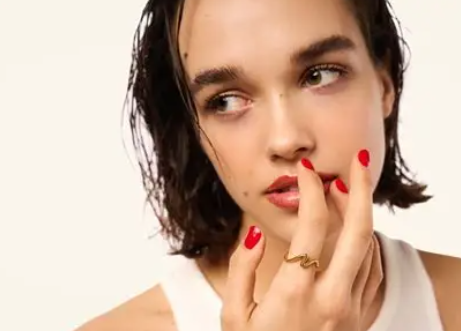
The Hamptons summer demands jewelry that performs across contexts. A morning swim shouldn’t require removing earrings. An afternoon tennis match shouldn’t force a choice between function and style. Evening cocktails shouldn’t mean rushing home to change accessories.
Hey Harper pieces survive this daily cycle. Owners report swimming in the ocean, showering afterward, applying sunscreen, and attending evening events without removing jewelry at any point. The practical implications extend beyond convenience. Pieces worn constantly become part of personal style rather than costume elements selected for specific occasions.
Specific Recommendations for Coastal Living
For beach house staples, the chunky chain necklaces that echo Diana’s aesthetic work across casual and dressed contexts. Hoop earrings in varying sizes provide versatility without requiring multiple pairs for different events. The waterproof feature proves especially valuable for jewelry worn near water, where traditional pieces would demand constant removal.
The brand also offers pieces specifically designed for active wear. Thin chains that don’t catch during movement. Flat-backed earrings comfortable for sleeping. Bracelets sized to stay secure during swimming. For hosts managing Polo Hamptons events or similar gatherings, this reliability eliminates one category of wardrobe stress. Similar to heritage sneaker brands that solve specific lifestyle problems, Hey Harper addresses genuine friction rather than manufactured desire.
The Practical Luxury Proposition
Hey Harper represents a category shift in how we think about accessible jewelry. Traditional hierarchies placed durability and aesthetics in opposition: beautiful pieces were fragile, durable pieces were industrial. PVD technology collapses this dichotomy, allowing jewelry that performs like equipment while presenting like luxury.
For the buyer calculating value, Hey Harper invites a different framework. Rather than asking “how long until this tarnishes,” the question becomes “how does this fit my actual life?” The answer, for anyone who swims, sweats, or lives near salt air, increasingly points toward waterproof construction.
The woman at the Bridgehampton cocktail party who hasn’t removed her bracelet since May represents the future of jewelry consumption. She’s not wearing pieces that require protection. She’s wearing pieces that protect themselves. The distinction sounds minor until you’ve lived both approaches.
Related Articles
- The 2026 Hamptons Discovery Guide: 7 Brands Redefining Coastal Luxury
- Autry Sneakers: The Italian Heritage Brand Every Hamptons Weekend Needs
- The 2026 Hamptons Gift Guide: 15 Trending Brands Worth Knowing
Connect With Us
For brand partnerships and feature inquiries: sociallifemagazine.com/contact
Polo Hamptons tickets and sponsorships: polohamptons.com
Subscribe to our newsletter for weekly insider reports on the brands, events, and people shaping Hamptons culture.
Support independent luxury journalism: $5 contribution helps keep this reporting possible.
Author

Written by
Recent Posts

Civil War A24 Cast Net Worth — A24 Bet $50 Million on the End of America and Won

Midsommar A24 Cast Net Worth — The Daylight Horror That Turned Grief Into a Career Launchpad
ZOI NOMAD & TEN11 LOUNGE MARK ONE YEAR
Room A24 Cast Net Worth — The $6 Million Captivity Drama That Set Brie Larson Free

The Witch A24 Cast Net Worth — A $3.5 Million Puritan Nightmare That Created a Queen and a King
Categories
- Art
- Articles
- Beauty & Skincare
- Celebrities
- Celebrities|Movies
- Celebrities|The Chronicles
- Chronicles
- Entertainment|Culture
- Event Photos
- Events
- Fashion
- Fashion & Style
- Featured
- Food & Beverage
- Food, Spirits, Wine
- Hamptons
- Hamptons Celebrities
- Hamptons Celebrities|Celebrities|The Chronicles
- Health
- Health & Beauty
- Lifestyle
- Luxury Lifestyle
- Movies
- Movies|Culture
- Movies|Hamptons Lifestyle
- Press
- Profiles
- Real Estate
- Technology
- The Chronicles
- Travel
- Uncategorized
- Weddings