
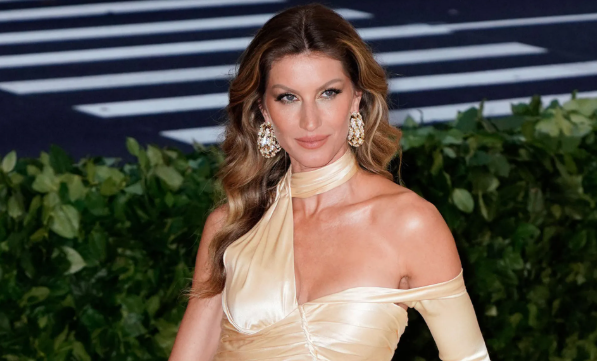
She stopped walking runways in 2015. Her net worth tripled in the decade that followed. Gisele Bündchen earned approximately $25 million annually during her peak modeling years, according to Forbes. Yet her current fortune of $400 million didn’t come from Versace campaigns or Victoria’s Secret wings. The real money arrived after she stepped off the catwalk entirely.
This pattern repeats across every supermodel who achieved genuine wealth. The runway was never the revenue source. Instead, it functioned as a credentialing mechanism, a global advertisement for a personal brand that could be monetized elsewhere. Understanding supermodel wealth building requires abandoning the obvious assumption that beautiful women get paid for being photographed. They do, initially. However, the ones worth $100 million or more figured out something far more sophisticated.
The Misconception: Modeling Contracts Create Wealth
Most people assume supermodels get rich from fashion shows, magazine covers, and campaign fees. The math seems straightforward: walk more runways, book more covers, deposit more checks. This assumption fails to explain why some models who dominated the ’90s are now worth $400 million while others from the same era struggle financially.
Campaign fees, even at the highest levels, are labor income. They require presence. When you stop showing up, the checks stop arriving. Furthermore, the modeling industry extracts maximum value from talent while paying minimum rates relative to the revenue generated. A model might earn $50,000 for a campaign that generates $50 million in sales. The economics favor everyone except the face on the billboard.
The Ceiling on Modeling Income
Consider the practical limits. Even at peak earning power, a supermodel booking every major campaign might gross $10-15 million annually before taxes and agency fees. Agents typically take 20%. Managers take another 15%. Taxes claim 40% or more. That $15 million becomes $5-6 million in actual take-home income. Impressive by most standards, but nowhere near the $400 million fortunes we’re examining.
The models who understood this limitation early made different choices. Rather than maximizing campaign bookings, they focused on converting visibility into ownership. Every magazine cover became an advertisement for future business ventures rather than an end in itself.
The Mechanism: How Supermodel Wealth Actually Compounds
Real supermodel wealth building follows a specific progression. First comes credentialing through editorial and campaign work. Subsequently, that credibility converts into business opportunities that generate income without requiring physical presence. The formula isn’t complicated, but executing it requires strategic patience that most models lack.
Licensing Over Labor
The critical distinction separates endorsements from licensing. An endorsement pays a flat fee for using your image. Licensing pays royalties on every product sold bearing your name. Endorsements are wages. Licensing is wealth.
When Gisele Bündchen partnered with Brazilian footwear company Grendene on Ipanema sandals, she didn’t accept a campaign fee. Instead, she took an equity stake with royalty participation. Those sandals have sold over 500 million pairs globally. Her per-pair royalty, while small individually, compounded into tens of millions. Meanwhile, she could be doing anything else—or nothing at all.
Equity Stakes Over Endorsement Fees
The second wealth mechanism involves ownership rather than representation. Instead of being paid to promote existing brands, wealthy supermodels built or acquired stakes in brands they helped grow. This shift from talent to shareholder changed the fundamental economics.
Cindy Crawford’s Meaningful Beauty skincare line generates approximately $100 million in annual revenue. As a founder with significant equity, Crawford participates in that revenue regardless of whether she appears in advertisements. The initial credibility from her modeling career made the brand viable. Ongoing revenue requires only her name, not her time.
Case Study: Gisele Bündchen’s $400 Million Empire
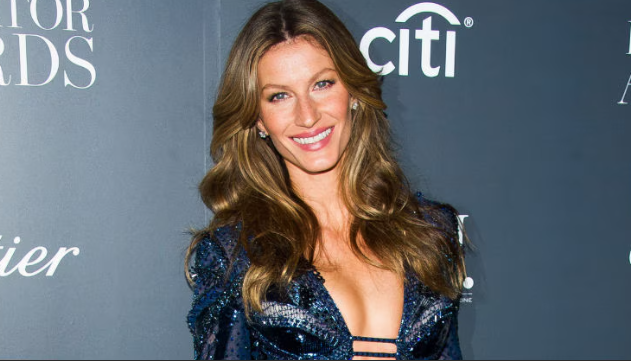
The Brazilian supermodel’s fortune illustrates every principle of strategic wealth building. Discovered at 14 in a São Paulo McDonald’s, Bündchen became the highest-paid model in the world by her early twenties. Forbes tracked her annual earnings at $25-35 million during peak years. That income alone, however impressive, couldn’t produce $400 million in net worth.
The Ipanema Deal That Changed Everything
In 2001, Bündchen partnered with Grendene rather than simply endorsing their products. The arrangement included equity participation in the Ipanema sandal line. Over two decades, those sandals became a global phenomenon. Bündchen earned royalties on every pair sold across dozens of countries. The deal taught her that her image could generate returns while she slept.
Subsequently, she applied this lesson across categories. Her lingerie line, Gisele Bündchen Intimates, launched in 2011 with ownership stakes rather than licensing fees. Real estate investments in New York, Los Angeles, and Costa Rica appreciated while her active modeling schedule lightened. By 2015, passive income from businesses and properties exceeded her modeling earnings.
The Victoria’s Secret Exit
Perhaps nothing demonstrates her strategic sophistication better than her Victoria’s Secret departure. Bündchen was an Angel from 2000 to 2006, earning reported fees of $25 million over that period. Then she walked away at the peak of the brand’s cultural influence.
Industry observers questioned the decision. The real reason became clear later: the Victoria’s Secret paycheck required constant availability for shoots, fittings, and appearances. Her licensing businesses required only her name. The opportunity cost of remaining an Angel exceeded the salary it provided. She chose compounding assets over linear income.
Case Study: Iman’s $200 Million Dignity Play
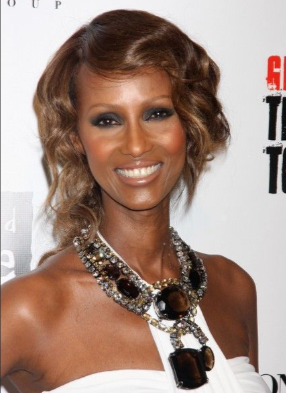
Iman’s wealth building followed a different but equally instructive path. Born Zara Mohamed Abdulmajid in Mogadishu, Somalia, she arrived in New York in 1976 as a university-educated diplomat’s daughter repackaged by photographer Peter Beard as an “exotic tribeswoman.” She played along with the myth because she understood something most 20-year-olds don’t: the narrative is the product.
Building Iman Cosmetics
In 1994, Iman launched Iman Cosmetics, targeting women of color whom the beauty industry had systematically ignored. Unlike celebrity fragrance deals or brand ambassadorships, she maintained operational control. She hired chemists, approved formulations, and made distribution decisions. The company functioned as an actual business rather than a vanity project.
When larger conglomerates offered acquisition deals, she evaluated them on terms rather than flattery. The cosmetics line generated over $25 million in annual revenue through Walgreens, CVS, and Target. That revenue belonged to her, not to an agency or management company. Two decades before Fenty Beauty made inclusivity fashionable, Iman had captured the market entirely.
The Bowie Estate Architecture
In 1990, Iman met David Bowie at a dinner party. They married two years later and remained together until his death in 2016. The relationship added complexity to her net worth—and reveals how strategic marriages contribute to supermodel wealth building without diminishing the women involved.
Bowie’s estate was valued at approximately $230 million at his death. According to his will, Iman received their SoHo penthouse plus half the remaining estate. In 2022, the estate sold Bowie’s publishing catalog for $250 million. However, attributing Iman’s fortune primarily to marriage misses the point. She had already built significant wealth independently through cosmetics and investments. The Bowie inheritance was addition, not foundation.
Case Study: Cindy Crawford’s Brand Machine
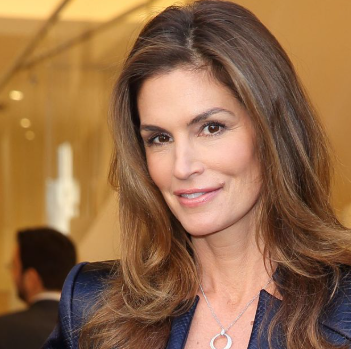
Cindy Crawford’s $400 million fortune emerged from understanding one principle early: her face was a scalable asset that could generate returns across unlimited product categories simultaneously. While other supermodels of her era focused on booking more campaigns, Crawford focused on converting campaigns into ownership.
Meaningful Beauty’s Revenue Engine
Launched in 2005 with Dr. Jean-Louis Sebagh, Meaningful Beauty became one of the most successful celebrity skincare lines in history. Crawford didn’t simply endorse the products. She co-founded the company with equity participation that grows with every sale. The infomercial-driven brand generates over $100 million annually, making it far more valuable than any modeling contract could be.
The business model reveals Crawford’s sophistication. Rather than competing for retail shelf space, Meaningful Beauty sold directly to consumers through television and online channels. This approach required no retail margin sharing, maximizing profitability. Crawford’s credibility as an ageless beauty icon made the marketing message believable. Her ownership stake made the revenue meaningful.
Furniture, Fashion, and Strategic Licensing
Beyond skincare, Crawford licensed her name and aesthetic across home furnishings, clothing, and accessories. Each deal generated royalty income without requiring her daily involvement. The compound effect of multiple licensing streams, each paying 3-8% of gross sales, created income diversification that modeling alone could never provide.
Rooms To Go carries Cindy Crawford Home furniture lines. JCPenney previously carried her fashion collection. Each arrangement contributed to net worth while requiring minimal time investment. She understood that her image had become a business asset separable from her physical presence.
Case Study: Heidi Klum’s Television Equity
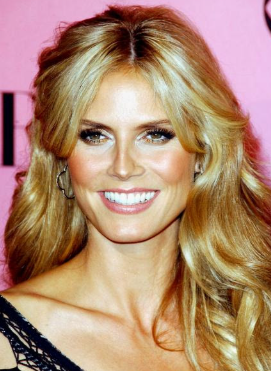
Heidi Klum’s $160 million fortune emerged from a different strategic insight: television producer credits compound while modeling contracts expire. Rather than extending her runway career indefinitely, Klum pivoted into television production where she could participate in backend revenue.
Project Runway’s Producer Points
When Project Runway launched in 2004, Klum negotiated executive producer credit rather than simply hosting fees. This arrangement meant she participated in the show’s revenues across all distribution channels: original broadcast, syndication, streaming, and international licensing. As the show became a franchise extending across multiple seasons and spin-offs, her producer position generated ongoing income.
Germany’s Next Top Model, which Klum has hosted since 2006, provides similar economics in her home market. Nearly 20 seasons of production have created a revenue stream entirely independent of her modeling career. The shows required her presence initially, but the library value continues generating returns indefinitely.
Fragrance and Fashion Licensing
Klum’s fragrance line has generated over $500 million in retail sales, according to industry estimates. Her partnership with Lidl on the Esmara clothing line demonstrates European commercial appeal converted into revenue participation. Rather than accepting flat endorsement fees, she negotiated royalty structures that grow with sales volume.
This combination of television producer equity and licensing royalties created a net worth that continued growing even as her modeling bookings declined with age. The strategic foresight required understanding that visibility has diminishing returns while ownership compounds.
Case Study: Kathy Ireland’s Billion-Dollar Blueprint
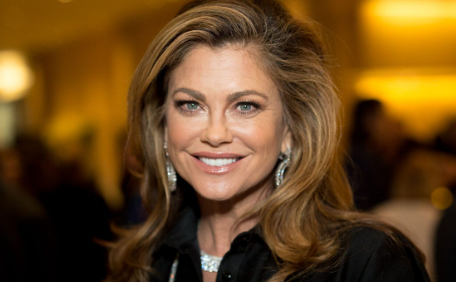
If any supermodel’s wealth building deserves study, it’s Kathy Ireland’s. The former Sports Illustrated cover model parlayed her fame into a licensing empire valued at over $2 billion in retail sales annually. Her personal net worth exceeds $500 million, making her the wealthiest model-turned-businesswoman in history.
The Warren Buffett Education
Ireland’s transformation began with education rather than endorsements. She studied business strategy, eventually receiving mentorship from Warren Buffett himself. The Oracle of Omaha’s influence shows in her approach: she built a licensing company that manufactures nothing but collects royalties on everything bearing her brand.
Kathy Ireland Worldwide licenses her name across over 15,000 products in categories including furniture, flooring, lighting, skincare, and weddings. Each licensee manufactures and distributes products while paying Ireland’s company a percentage of wholesale revenue. The model requires minimal capital investment while generating maximum returns on brand equity.
The Licensing vs. Manufacturing Insight
Ireland understood something most celebrities miss: manufacturing is expensive, risky, and requires expertise she didn’t possess. Licensing eliminates those challenges while capturing value from her name recognition. She builds no factories, manages no inventory, and employs no warehouse workers. Partners handle operations while she collects royalties.
This asset-light model explains why her net worth exceeds supermodels who seemed more famous during their peak years. Fame is temporary. Licensing contracts can span decades. The checks arrive monthly regardless of whether she appears in public.
The Patterns: What Separates Wealthy Models from Famous Ones
Examining these case studies reveals consistent principles that separate supermodels who built genuine wealth from those who merely earned good salaries.
Own, Don’t Rent
The wealthiest supermodels negotiated ownership positions rather than accepting fees for services. Gisele owns Ipanema equity. Cindy owns Meaningful Beauty equity. Heidi owns producer points. Kathy owns licensing royalties. Ownership compounds. Fees expire.
The Runway Was the Resume
None of these women maximized their modeling careers. Instead, they used modeling as a credentialing mechanism for business ventures that would generate returns long after their last runway walk. The campaigns weren’t the goal. The campaigns were advertisements for the real businesses they were building.
Visibility Has Diminishing Returns
Supermodels who chased maximum visibility often sacrificed the scarcity that makes their image valuable. Meanwhile, those who strategically reduced their presence—like Gisele walking away from Victoria’s Secret—often saw their commercial value increase. Scarcity creates urgency. Ubiquity creates fatigue.
Diversification Through Licensing
Rather than betting everything on one venture, wealthy supermodels diversified across multiple licensing categories. When one product line struggles, others compensate. This portfolio approach mirrors sophisticated investment strategy applied to personal brand monetization.
The Playbook: What This Means for Anyone Building a Personal Brand
Supermodel wealth building offers lessons applicable far beyond fashion. Anyone monetizing personal brand equity can apply these principles.
First, distinguish between earning and owning. Services generate income while you work. Ownership generates income while you sleep. The goal is converting labor income into passive revenue streams as quickly as possible.
Second, understand that visibility is a tool, not a goal. Every public appearance should serve a strategic purpose—ideally, promoting businesses you own rather than services you provide. Visibility without ownership is celebrity. Visibility with ownership is wealth.
Third, negotiate royalties over fees whenever possible. A $100,000 endorsement check deposits once. A 5% royalty on a product line generating $10 million annually deposits $500,000 every year indefinitely. The math favors patience and ownership.
Finally, recognize that the credential phase must eventually yield to the ownership phase. Supermodels who kept chasing campaigns into their forties often ended up with impressive resumes and modest bank accounts. Those who pivoted to ownership in their thirties built fortunes.
The Bottom Line on Supermodel Wealth Building
The misconception that supermodels get rich from modeling persists because the alternative explanation is less intuitive. We see beautiful women on magazine covers and assume the covers generate the wealth. In reality, the covers generate the credibility that makes wealth-building ventures possible.
Gisele Bündchen, Iman, Cindy Crawford, Heidi Klum, and Kathy Ireland understood this distinction earlier than their peers. They treated modeling as a means rather than an end. Subsequently, they converted that understanding into fortunes that will compound for generations while their contemporaries wonder what happened to their careers.
The runway was never the revenue source. It was the credentialing mechanism for everything that came after. Understanding this distinction is the first step in understanding how any personal brand—not just a supermodel’s—can build genuine wealth.
Related Articles
- Gisele Bündchen Net Worth 2025: The McDonald’s Discovery That Built a $400 Million Empire
- Iman Net Worth 2025: From Somali Refugee to $200 Million Empire
- Heidi Klum Net Worth 2025: Runway to Reality TV Royalties
- Supermodel Net Worth 2025: The Real Figures Behind Fashion’s Legendary Faces
For features, advertising partnerships, and editorial inquiries, visit sociallifemagazine.com/contact. Experience the Hamptons’ premier polo events at polohamptons.com. Subscribe to our print edition for exclusive Hamptons coverage delivered to your door. Support independent luxury journalism with a $5 contribution to Social Life Magazine.
Author

Written by
Recent Posts

Midsommar A24 Cast Net Worth — The Daylight Horror That Turned Grief Into a Career Launchpad
ZOI NOMAD & TEN11 LOUNGE MARK ONE YEAR

Room A24 Cast Net Worth — The $6 Million Captivity Drama That Set Brie Larson Free

The Witch A24 Cast Net Worth — A $3.5 Million Puritan Nightmare That Created a Queen and a King

A24 Genre Stars Net Worth — The Terrifying Fortunes Behind Horror, Sci-Fi, and Oscar Gold
Categories
- Art
- Articles
- Beauty & Skincare
- Celebrities
- Celebrities|Movies
- Celebrities|The Chronicles
- Chronicles
- Entertainment|Culture
- Event Photos
- Events
- Fashion
- Fashion & Style
- Featured
- Food & Beverage
- Food, Spirits, Wine
- Hamptons
- Hamptons Celebrities
- Hamptons Celebrities|Celebrities|The Chronicles
- Health
- Health & Beauty
- Lifestyle
- Luxury Lifestyle
- Movies
- Movies|Culture
- Movies|Hamptons Lifestyle
- Press
- Profiles
- Real Estate
- Technology
- The Chronicles
- Travel
- Uncategorized
- Weddings