
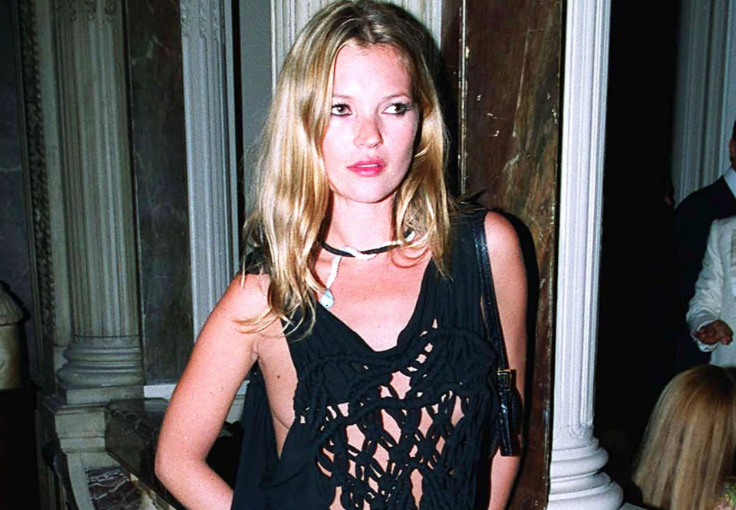
Every agency told her the same thing in 1988: you’re too short. At 5’7″, the fourteen-year-old from Croydon stood five inches below standard runway requirements. Agencies didn’t see a future supermodel. They saw a girl who would never book couture shows. Then Sarah Doukas of Storm Model Management looked at Kate Moss and saw something height couldn’t measure.
Today, Kate Moss’ net worth sits at approximately $70 million. She built it by breaking every rule the industry had established. Too short. Too thin. Too unconventional. Each limitation became a differentiator. The girl who didn’t fit the mold became the woman who shattered it entirely.
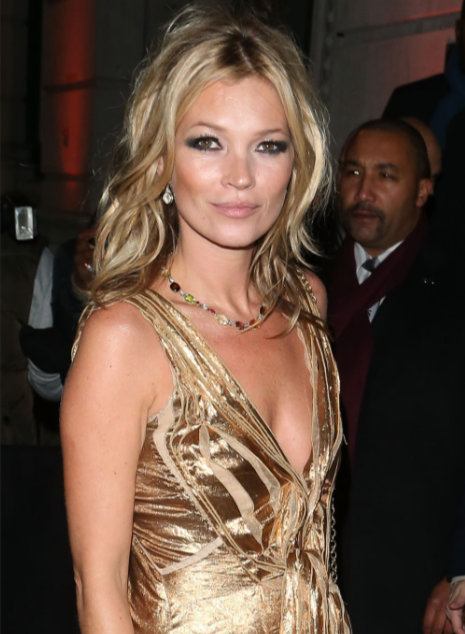
The Before: Croydon Childhood
Moss grew up in Croydon, a South London suburb with more concrete than charm. Her parents divorced when she was thirteen. Her father was a travel agent. Her mother worked as a barmaid. Nothing about her circumstances suggested fashion industry destiny.
The JFK Airport Discovery
Sarah Doukas spotted her at JFK Airport in 1988, where the fourteen-year-old was returning from a family holiday. Doukas ran Storm Model Management and had an eye for unconventional beauty. She saw in Moss something the standard agencies missed: magnetism that transcended physical measurement.
The signing was a gamble. Storm invested in developing Moss despite her height limitations. They positioned her for editorial work where height mattered less and character mattered more. The strategy would prove revolutionary.
The Gatekeepers: Corinne Day and Calvin Klein
Photographer Corinne Day gave Moss her defining early images. Their 1990 shoot for The Face magazine established the aesthetic that would dominate the decade: raw, intimate, unglamorous. Moss looked like a girl you might know, not a goddess from another planet. The ordinariness was the extraordinary thing.
The Calvin Klein Moment
In 1992, Calvin Klein cast Moss for his Obsession fragrance campaign. The black-and-white images, shot by Mario Sorrenti (then her boyfriend), presented her nude and vulnerable. The campaign generated controversy and enormous attention simultaneously. Klein had found his new face, and that face didn’t look like anyone else’s.
The CK1 campaigns that followed made Moss internationally famous. She appeared alongside Mark Wahlberg in advertisements that became cultural touchstones. The work paid millions annually and established her as the defining model of her generation, despite being half a foot shorter than “required.”
The Transformation: Heroin Chic and Cultural Impact
Moss didn’t create “heroin chic,” but she became its avatar. The waif aesthetic, with its pallor and thinness, generated intense cultural debate. Critics blamed the fashion industry for promoting eating disorders. Defenders saw a reaction against the artificial glamour of previous decades.
The Anti-Supermodel Positioning
While Naomi Campbell and Claudia Schiffer embodied supermodel glamour, Moss represented its opposite. She didn’t give interviews. She maintained mystery when peers sought publicity. The absence of access made her more intriguing, not less.
“Never complain, never explain,” she once offered as her motto. The phrase captured her approach to the press, to scandal, to career management generally. While others explained and apologized, Moss simply continued working, letting images speak for themselves.

The Empire Pivot: The Kate Moss Effect
Moss never built a business empire comparable to Iman or Elle Macpherson. Instead, she monetized mystique through selective brand partnerships that commanded premium rates precisely because she didn’t overexpose herself.
The Topshop Collection
Her 2007 collaboration with Topshop demonstrated commercial power. The capsule collection sold out within minutes, crashing the retailer’s website. Subsequent collections generated reported revenues exceeding $3 million per launch. She collected both design fees and royalties, converting cultural influence into direct revenue.
The Topshop model, repeated with other brands including Longchamp and Rimmel, established a template: rather than launching her own lines (with their attendant operational headaches), Moss partnered with established brands that paid premiums for her endorsement. The approach generated less equity but also less risk.
The Scandal Resilience
In 2005, tabloid photographs allegedly showed Moss using cocaine. The scandal cost her contracts with H&M, Burberry, and Chanel temporarily. Industry observers predicted career termination. Instead, she emerged stronger. Within eighteen months, she had signed more contracts than before the scandal, earning an estimated $9 million in 2006 alone.
The comeback demonstrated something about her market position: brands valued her mystique more than they feared controversy. She represented authentic cool that couldn’t be manufactured. Advertisers willing to associate with that authenticity accepted the risks that came with it.
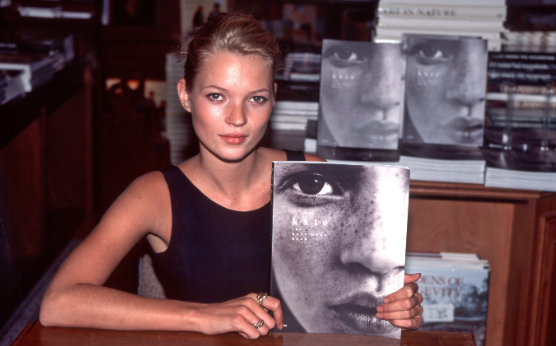
The Hamptons Connection
Moss has maintained her base in London and the English countryside, with Hamptons appearances limited to occasional events and fashion industry gatherings. Her cultural influence, however, pervades the aesthetic sensibilities of Social Life readers who came of age during her dominance.
The British Cool Import
For your audience, Moss represents a specific strain of British cool that translates across the Atlantic. The effortless style, the rock-and-roll edge, the willingness to break rules while maintaining desirability. Her approach to fame, selective engagement rather than constant availability, resonates with readers who understand that scarcity creates value.
Her longevity also offers lessons for anyone building a personal brand. In an era of overexposure, Moss demonstrated that mystery compounds interest. Less can generate more when the less is deployed strategically.

Kate Moss Net Worth 2025: The Mystique Dividend
At 51, Moss continues modeling selectively while managing various brand partnerships. She launched a wellness brand and a modeling agency that represents a new generation of unconventional faces. Her wealth derives from decades of high-earning campaigns, ongoing brand relationships, and investment returns.
Her estimated $70 million net worth positions her comfortably among wealthy models, though below peers who built operational businesses. The difference reflects strategic preference rather than capability limitation. Moss chose to remain primarily a model and muse rather than transform into a businesswoman. The choice honored her identity while generating substantial wealth.
Sarah Doukas made a bet at JFK Airport in 1988. The fourteen-year-old standing five inches too short for industry standards would become one of the most influential models in history. Height is a number. Moss proved that mystique is a multiplier. The girl who broke the rules rewrote them in her image, and the industry never recovered from the revision.
Related Articles
- Naomi Campbell Net Worth 2025: Still Booking at 54 with $80 Million
- Claudia Schiffer Net Worth 2025: The Chanel Muse Playbook
- Christie Brinkley Net Worth 2025: $100M and Still Earning at 70
For features, advertising, and partnership inquiries, visit sociallifemagazine.com/contact. Experience exclusive Hamptons events at polohamptons.com. Subscribe for insider access to supermodel wealth stories and fashion industry intelligence.
Author

Written by
Recent Posts
Where Can You Find the Best Made-to-Measure Bespoke Suits in NYC
The Financial Habits Every Successful Entrepreneur Swears By
What Happens If You Delay Hemorrhoid Treatment in New York City

James Franco Net Worth — A $30 Million Career Interrupted

Selena Gomez Net Worth — How a Disney Kid Built a $1.3 Billion Empire
Categories
- Art
- Articles
- Beauty & Skincare
- Celebrities
- Celebrities|Movies
- Celebrities|The Chronicles
- Chronicles
- Culture|Television
- Entertainment|Culture
- Event Photos
- Events
- Fashion
- Fashion & Style
- Featured
- Food & Beverage
- Food, Spirits, Wine
- Hamptons
- Hamptons Celebrities
- Hamptons Celebrities|Celebrities|The Chronicles
- Health
- Health & Beauty
- Lifestyle
- Luxury Lifestyle
- Movies
- Movies|Culture
- Movies|Hamptons Lifestyle
- Press
- Profiles
- Real Estate
- Technology
- The Chronicles
- Travel
- Uncategorized
- Weddings