
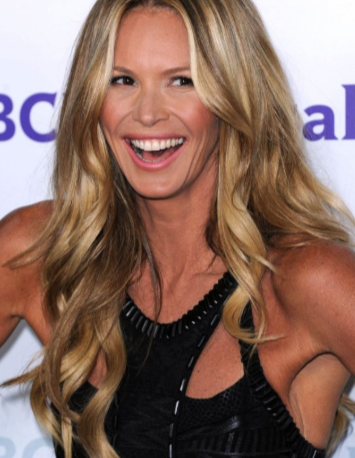
Linda Evangelista famously said she wouldn’t get out of bed for less than $10,000 a day. The quote became fashion’s most notorious soundbite, equal parts arrogance and accuracy. What Evangelista understood, what her entire generation understood, was that their moment wouldn’t last forever. The question was never whether the money would come. The question was what they would do with it before the spotlight moved on.
This series profiles ten women who answered that question definitively. Combined, their net worth exceeds $1 billion. They range from Iman’s $200 million empire to Kate Moss’ $70 million mystique portfolio. Each took a different path. All reached the same destination: wealth that outlived the careers that created it.
The Legacy Super Economics
Understanding how these women built fortunes requires understanding the economics of 1990s supermodeling. Unlike today’s influencer economy, where anyone with a ring light can build an audience, 90s supermodels operated in a constrained market. A handful of agencies controlled access. A smaller handful of models captured the lion’s share of earnings.
The Peak Earning Window
Most models earned seriously for a decade or less. The math was brutal: peak beauty at 22, declining bookings by 30, career over by 35. Those who understood this timeline treated modeling income as startup capital rather than lifestyle funding. Those who didn’t often ended up bankrupt, their peak years subsidizing decades of declining relevance.
The women in this series recognized the window. They saved aggressively during peak earning years. They invested in assets that appreciated while their faces depreciated. They built businesses or positioned themselves for television careers that didn’t require youth. The foresight separates the wealthy survivors from the cautionary tales.
The Tier 2 Cohort: $70M-$200M
We’ve profiled ten Legacy Supers whose fortunes range from $70 million to $200 million. Each represents a different approach to converting runway success into lasting wealth.
The Empire Builders
Iman ($200M) built a cosmetics company serving women of color two decades before Fenty Beauty made inclusivity fashionable. Her Somali refugee origins gave her perspective that industry insiders lacked: she saw unserved markets because she was the unserved market. The company she founded generates tens of millions annually while she collects ownership returns.
Heidi Klum ($160M) recognized that television producers earned more than television hosts. Project Runway became her vehicle, with producer credits generating residual income that will continue for decades. The German small-town girl who didn’t fit the waif aesthetic built an empire from curves and camera presence.
Tyra Banks ($90M) turned rejection into revolution. When Paris said they already had enough Black models, she built America’s Next Top Model and became the person deciding which models got opportunities. The media mogul playbook she wrote has been studied but never quite replicated.
The Longevity Players
Christie Brinkley ($100M) proves that early wealth compounds impressively. Her Hamptons real estate, purchased when the East End was merely expensive rather than astronomical, now anchors a portfolio worth multiples of her modeling earnings. At 70, she still generates income from Billy Joel’s “Uptown Girl” video without ever singing a note.
Naomi Campbell ($80M) chose continuity over diversification. While peers built businesses, she kept booking campaigns, still walking for Fendi and Versace in her fifties. The strategy generated less total wealth but preserved her identity as a working model rather than a former model turned entrepreneur.
The Body Brands
Elle Macpherson ($95M) trademarked “The Body” and built businesses on the foundation. Her lingerie line and WelleCo supplements trade on the same promise: whatever Elle has, you can approximate by buying what she sells. The Australian law student who abandoned school for modeling eventually built enterprises requiring business acumen that law school would have provided.
Adriana Lima ($95M) and Alessandra Ambrosio ($80M) represent the Victoria’s Secret trajectory: maximize a single lucrative relationship, then pivot to ownership. Lima’s nineteen years as an Angel generated tens of millions. Ambrosio’s Gal Floripa swimwear brand converts her Brazilian beach credentials into equity she controls.
The Mystique Merchants
Kate Moss ($70M) built fortune from scarcity. At 5’7″, too short for runway requirements, she proved that mystique outweighs measurements. Her approach, minimal interviews, maximum intrigue, created demand that availability would have diminished. The strategy generated enormous per-appearance earnings by limiting appearances.
Claudia Schiffer ($70M) became Karl Lagerfeld’s original muse, connecting her fortune directly to Chanel’s prestige. The relationship elevated her above commercial modeling into fashion aristocracy. She invested conservatively, avoiding the entrepreneurial risks that peers embraced, and generated steady returns over decades.
What Your Readers Should Know
For Social Life’s audience, these profiles offer more than celebrity curiosity. They provide wealth-building templates from women who converted finite assets (youth, beauty) into infinite returns (businesses, investments, royalties).
The Lessons
Convert fame to equity. Endorsement deals pay once. Ownership pays forever. The wealthiest models built or bought into businesses rather than simply appearing in advertisements for them.
Respect the timeline. Peak earning years are limited. Invest aggressively during high-income periods. Treat current earnings as capital allocation decisions, not lifestyle funding.
Build what lasts. Runway fees, magazine covers, campaign payments all end. Real estate appreciates. Producer credits generate royalties indefinitely. Businesses compound if managed properly.
Position for the pivot. The smartest models planned their transitions before their careers required them. Klum was developing television skills while still at peak modeling value. Banks was building media relationships years before launching ANTM.
The Nostalgia Premium
There’s a reason these profiles resonate particularly with your demographic. Social Life readers came of age during the original supermodel era. They remember Cindy Crawford Pepsi commercials, Kate Moss Calvin Klein campaigns, Naomi Campbell couture walks. The nostalgia runs deep because these women defined beauty standards during formative years.
The Update Value
What makes these profiles compelling isn’t just nostalgia. It’s revelation. Most readers know these faces but don’t know these numbers. They remember the magazine covers but didn’t track the business pivots. These articles answer the question every Hamptons summer party eventually asks: “Whatever happened to…?”
The answer, consistently: they got richer than you probably realized, in ways you probably didn’t expect.
Related Articles: The Complete Legacy Supers Series
- Iman Net Worth 2025: From Somali Refugee to $200M Empire
- Heidi Klum Net Worth 2025: From German Teen to $160M Empire
- Christie Brinkley Net Worth 2025: $100M and Still Earning at 70
- Adriana Lima Net Worth 2025: 19 Years as an Angel Built $95 Million
- Elle Macpherson Net Worth 2025: “The Body” Built a $95M Empire
- Tyra Banks Net Worth 2025: From Model to $90M Media Mogul
- Naomi Campbell Net Worth 2025: Still Booking at 54 with $80 Million
- Alessandra Ambrosio Net Worth 2025: From VS Angel to $80M Founder
- Kate Moss Net Worth 2025: 5’7″ Built $70M on Pure Mystique
- Claudia Schiffer Net Worth 2025: The Chanel Muse Built $70M
For features, advertising, and partnership inquiries, visit sociallifemagazine.com/contact. Experience exclusive Hamptons events at polohamptons.com. Subscribe to our newsletter for insider access to celebrity net worth stories, wealth-building profiles, and luxury lifestyle coverage.
Author

Written by
Recent Posts

Civil War A24 Cast Net Worth — A24 Bet $50 Million on the End of America and Won

Midsommar A24 Cast Net Worth — The Daylight Horror That Turned Grief Into a Career Launchpad
ZOI NOMAD & TEN11 LOUNGE MARK ONE YEAR

Room A24 Cast Net Worth — The $6 Million Captivity Drama That Set Brie Larson Free

The Witch A24 Cast Net Worth — A $3.5 Million Puritan Nightmare That Created a Queen and a King
Categories
- Art
- Articles
- Beauty & Skincare
- Celebrities
- Celebrities|Movies
- Celebrities|The Chronicles
- Chronicles
- Entertainment|Culture
- Event Photos
- Events
- Fashion
- Fashion & Style
- Featured
- Food & Beverage
- Food, Spirits, Wine
- Hamptons
- Hamptons Celebrities
- Hamptons Celebrities|Celebrities|The Chronicles
- Health
- Health & Beauty
- Lifestyle
- Luxury Lifestyle
- Movies
- Movies|Culture
- Movies|Hamptons Lifestyle
- Press
- Profiles
- Real Estate
- Technology
- The Chronicles
- Travel
- Uncategorized
- Weddings