

Warren Buffett told her to license, not endorse. Kathy Ireland listened, and that conversation created a $500 million fortune from a modeling career that peaked in the 1990s. Meanwhile, models who earned higher campaign fees during their prime now struggle financially. The distinction between endorsement deals and licensing deals represents perhaps the most important financial decision any celebrity makes—and most make it wrong.
Endorsements pay flat fees for limited periods. Licensing pays royalties that compound indefinitely. This structural difference, compounded across decades, creates the gap between celebrities who remain wealthy and those who wonder where the money went.
The Misconception: Endorsement Deals Are the Big Money
When celebrities announce “multi-million dollar deals” with brands, most people assume endorsements represent peak earning opportunities. The headlines celebrate the size of these deals. Agents compete to negotiate the highest fees. Celebrities measure success by the value of their endorsement portfolios.
This focus on endorsement fees obscures a fundamental limitation: endorsements end. A three-year endorsement contract paying $5 million annually generates $15 million, then nothing. The celebrity must constantly secure new deals to maintain income. Each negotiation starts from zero.
The Endorsement Treadmill
Endorsement-dependent celebrities never escape the treadmill of constant deal-making. Their income requires perpetual visibility, ongoing relevance, and successful negotiations. Age, changing tastes, or reputational issues can dramatically reduce endorsement income with no accumulated assets to compensate.
Former athletes provide stark examples. Many earned millions in endorsement fees during playing careers. Those fees disappeared upon retirement, often before athletes had accumulated sufficient savings. The endorsement model provided income but not wealth.
The Mechanism: How Licensing Differs from Endorsements
Licensing creates fundamentally different economics than endorsements. Understanding these differences reveals why licensing builds wealth while endorsements merely provide income.
The Royalty Structure
Licensing agreements pay celebrities a percentage of revenue generated by products bearing their name. Rather than receiving a flat fee for appearing in advertisements, the celebrity receives ongoing payments tied to actual sales. More sales mean more royalty income, indefinitely.
Typical licensing royalties range from 3-10% of wholesale revenue depending on the celebrity’s negotiating power and the product category. A product line generating $100 million in annual wholesale revenue at a 5% royalty produces $5 million annually for the celebrity—every year the products continue selling.
The Ownership Distinction
Endorsement deals grant brands temporary permission to use celebrity images. The celebrity owns nothing related to the brand. When the contract ends, so does the relationship and income.
Licensing deals create ongoing ownership interests. The celebrity’s name becomes embedded in products that generate revenue streams potentially lasting decades. Even after the celebrity stops actively promoting products, the royalty checks continue as long as the products sell.
The Compound Effect
Multiple licensing deals across product categories create compounding income streams. A celebrity licensing their name across furniture, skincare, fashion, and home goods might generate $2 million annually from each category. Combined, that’s $8 million yearly without appearances, interviews, or ongoing work.
These streams often grow over time as product lines expand into new categories or territories. Endorsement fees typically decline with age. Licensing royalties can increase as product distributions expand.
Case Study: Kathy Ireland’s $500 Million Licensing Empire
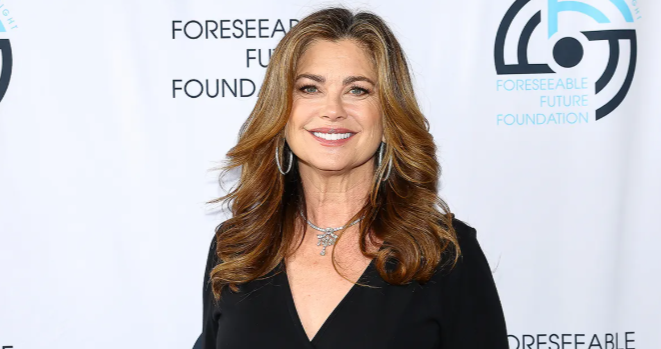
Kathy Ireland transformed from Sports Illustrated cover model to licensing mogul through strategic application of principles most celebrities never learn. Her fortune exceeds that of models who were more famous during their peak years.
The Warren Buffett Education
Ireland’s trajectory changed when she sought business education rather than more modeling jobs. She studied with mentors including Warren Buffett, learning principles of value investing and business building that she applied to her own career.
Buffett’s influence shows in her licensing-over-manufacturing approach. Rather than building factories or managing inventory, Ireland built a brand that others manufacture and distribute. She collects royalties without operational complexity—exactly the kind of capital-light, high-return business Buffett prefers.
Kathy Ireland Worldwide
Kathy Ireland Worldwide licenses her name across over 15,000 products in categories including furniture, flooring, lighting, fashion, jewelry, skincare, and weddings. Each licensee manufactures and distributes products while paying Ireland’s company a percentage of wholesale revenue.
The company generates over $2 billion in annual retail sales. At even conservative royalty rates, this translates to tens of millions in annual licensing income. This income requires no photo shoots, no appearances, no ongoing work from Ireland herself.
The Licensing vs. Endorsement Comparison
Consider the alternative path. Had Ireland pursued maximum endorsement deals during her peak modeling years, she might have earned $20-30 million over a decade. That income would have ended when her modeling career faded.
Instead, her licensing empire generates more than that amount annually, decades after her last magazine cover. The accumulated wealth from 25+ years of licensing royalties exceeds what any amount of endorsement deals could have produced.
Case Study: George Foreman’s $200 Million Grill Royalties
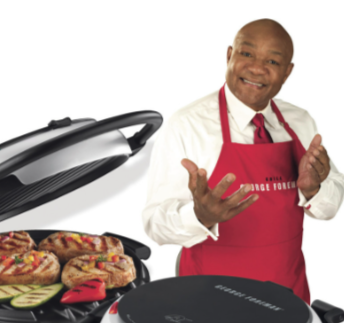
George Foreman’s licensing deal for the George Foreman Grill demonstrates how a single well-structured agreement can generate life-changing wealth from a product the celebrity didn’t invent, manufacture, or distribute.
The Origin of the Deal
Salton, Inc. developed an indoor grill and sought a celebrity spokesperson. They initially approached Hulk Hogan, who declined. Foreman accepted, but crucially, he negotiated royalty participation rather than a flat endorsement fee.
The exact terms have been reported variously, but the structure involved Foreman receiving approximately 45% of profits from grill sales. This percentage, applied to a product that became a cultural phenomenon, generated extraordinary returns.
The $200 Million Outcome
The George Foreman Grill sold over 100 million units, generating billions in revenue. Foreman’s profit participation produced approximately $200 million in royalty income over the product’s lifetime. In 1999, Salton paid Foreman approximately $137 million to buy out his remaining royalty rights.
Compare this to what a standard endorsement deal might have paid: perhaps $1-5 million for a multi-year spokesperson arrangement. The licensing structure multiplied his returns by 40-200x compared to endorsement alternatives.
The Luck and Skill Combination
Foreman benefited from luck—the grill became unexpectedly popular—but also from skill in negotiating royalty participation rather than flat fees. Many celebrities in similar positions accept endorsement deals that cap their upside. Foreman’s insistence on profit participation captured the full value of the product’s success.
Case Study: Gisele Bündchen’s Ipanema Equity
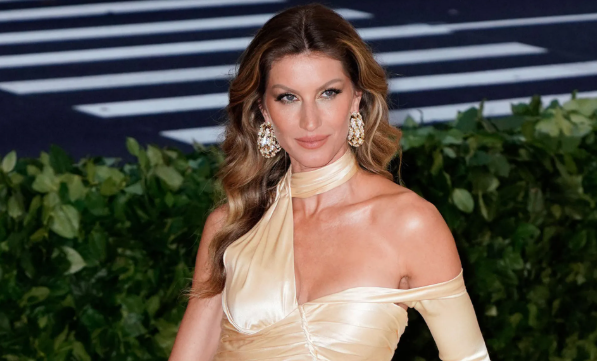
Gisele Bündchen’s partnership with Brazilian footwear company Grendene demonstrates how licensing deals can generate wealth far exceeding modeling fees even during peak career years.
The Ipanema Partnership
Rather than accepting a flat endorsement fee to promote Grendene’s Ipanema sandals, Bündchen negotiated equity participation with royalty rights. She became a partner in the product line, receiving ongoing payments tied to sales volume.
Ipanema sandals sold over 500 million pairs globally during Bündchen’s involvement. Her per-pair royalty, while small individually, compounded across this volume into tens of millions in accumulated income.
The Passive Income Transformation
The Ipanema deal taught Bündchen a principle she applied throughout her career: her image could generate returns while she slept. Runway fees required her presence. Ipanema royalties arrived regardless of her schedule.
This insight shaped her subsequent business decisions. Her lingerie line, Gisele Bündchen Intimates, followed similar ownership structures. Real estate investments provided additional passive income streams. By 2015, her passive income exceeded her active modeling earnings.
The Strategic Timing
Bündchen structured the Ipanema deal during her peak visibility when her negotiating leverage was maximum. Models who wait until careers fade to seek licensing deals often find partners uninterested or demanding unfavorable terms. The leverage exists only while brands actively want your endorsement.
Case Study: Heidi Klum’s Television Royalties
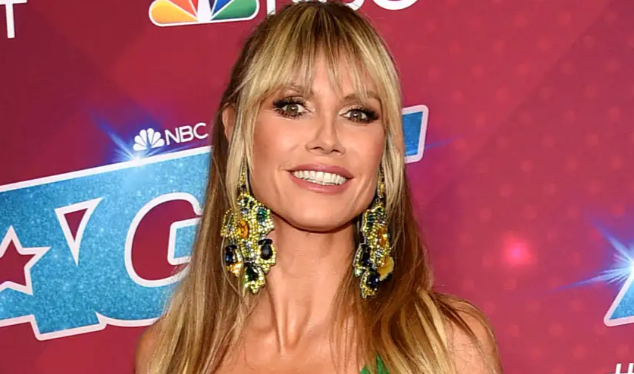
Heidi Klum’s $160 million fortune emerged from applying licensing principles to television. Her producer credits function like licensing deals, generating ongoing royalties from content she helped create.
Project Runway Producer Points
When Project Runway launched in 2004, Klum negotiated executive producer credit alongside hosting fees. This arrangement entitled her to backend participation in the show’s revenues across all distribution channels: original broadcast, syndication, streaming, and international licensing.
The show ran for 24 seasons across multiple networks. Each episode generated revenue. Each revenue dollar produced royalty payments to Klum as producer. The accumulated royalties far exceed what hosting fees alone would have provided.
Germany’s Next Top Model
Klum replicated the model in her home market with Germany’s Next Top Model, which has aired nearly 20 seasons. Her producer position generates income from German broadcast, international format licensing, and streaming distribution.
These television royalties function identically to product licensing royalties. Klum’s involvement created content assets that generate ongoing returns. The “products” happen to be television episodes rather than physical goods, but the economic structure mirrors licensing exactly.
Fragrance and Fashion Licensing
Beyond television, Klum licenses her name across fragrance, fashion, and other consumer categories. Her fragrance line has generated over $500 million in retail sales. Her Lidl partnership for Esmara clothing includes revenue participation tied to sales volume.
The combination of television producer royalties and product licensing creates diversified passive income that continues growing even as her modeling career recedes. This structure explains her net worth growth despite reduced runway visibility.
The Deal Structures: What Licensing Agreements Actually Look Like
Understanding typical licensing structures reveals why they generate such different outcomes than endorsements.
Royalty Rate Negotiations
Licensing royalties typically range from 3-15% of wholesale revenue depending on multiple factors. Celebrity fame and relevance affect rates—more famous celebrities command higher percentages. Product category matters—luxury categories often pay higher rates than mass market. Territory scope affects negotiation—global rights command premiums over regional deals.
Minimum guarantees ensure celebrities receive baseline payments regardless of sales performance. These guarantees function like advance payments against future royalties, protecting against underperformance while preserving upside from success.
Territory and Category Exclusivity
Licensing deals typically specify territories (North America, Global, etc.) and categories (footwear, skincare, etc.). Celebrities can license their name to multiple companies across non-competing categories, creating diversified royalty streams.
Kathy Ireland’s empire demonstrates this approach. Different licensees handle furniture, flooring, skincare, and other categories. Each pays separate royalties. No single partner’s failure threatens the entire income stream.
Quality Control and Approval Rights
Well-structured licensing deals include quality control provisions protecting the celebrity’s reputation. Product approval rights ensure the celebrity can reject items that might damage their brand. These provisions distinguish legitimate licensing from simple name rental.
Celebrities who license without quality control risk association with inferior products that damage their broader marketability. The best licensing arrangements balance income generation with brand protection.
The Patterns: Why Licensing Builds Wealth
Examining these case studies reveals consistent patterns explaining licensing’s wealth-building superiority.
Durability Exceeds Peak Fees
Licensing royalties continue for decades. Endorsement fees last for contract terms. Even if endorsement fees exceed licensing royalties in any single year, the accumulated value of 20-30 years of royalties typically exceeds limited-term endorsement income.
Scalability Without Additional Work
Licensing income scales with product success without requiring additional celebrity effort. If a licensed product line expands from 100 stores to 1,000 stores, royalty income increases 10x without the celebrity doing anything different. Endorsement income doesn’t scale this way.
Portfolio Diversification
Multiple licensing deals across categories create diversified income streams. If one product line fails, others continue generating royalties. Endorsement-dependent celebrities face concentration risk where losing a major deal significantly impacts income.
Exit Value Creation
Licensing portfolios can be sold to strategic buyers. George Foreman’s royalty buyout demonstrates this liquidity option. Endorsement contracts have no comparable exit value—they’re simply agreements to work that expire when the work ends.
The Playbook: Negotiating Licensing Over Endorsements
For celebrities evaluating brand partnerships, specific strategies optimize for licensing wealth rather than endorsement income.
Request Royalty Participation First
When brands approach with endorsement offers, counter by requesting royalty participation. Many brands will decline, but some—particularly newer brands seeking credibility—may agree to structures that include ongoing royalty components.
Accept Lower Upfront for Better Backend
Royalty deals often include lower upfront payments than pure endorsements. Accepting this trade-off requires financial stability to absorb the near-term reduction. Celebrities living at the edge of their endorsement income cannot afford to wait for royalty compound effects.
Prioritize Growing Categories
Licensing into growing product categories generates expanding royalty streams. Categories in decline produce shrinking royalties regardless of deal structure. Evaluate category growth trajectories, not just current royalty rates.
Retain Quality Control
Never license your name without quality approval rights. Short-term royalty income from inferior products damages long-term brand value and future licensing potential. The best licensing deals protect reputation while generating income.
Build Licensing Infrastructure
Serious licensing requires business infrastructure: legal expertise, quality control processes, and relationship management capabilities. Celebrities serious about licensing wealth should invest in these capabilities early, before peak negotiating leverage fades.
The Warren Buffett Principle Applied
Buffett’s advice to Kathy Ireland encapsulated his investment philosophy: earn while you sleep. Endorsement deals require continued work—appearances, photo shoots, promotional obligations. Licensing deals, properly structured, generate income without ongoing effort.
This principle explains why licensing builds wealth while endorsements merely provide income. Wealth is the accumulation of assets that generate returns independent of your labor. Income is compensation for work that stops when the work stops.
Endorsements are jobs. Licensing deals are investments. The celebrities who understand this distinction—Kathy Ireland, George Foreman, Gisele Bündchen, Heidi Klum—built fortunes that continue compounding. Those who maximized endorsement fees often ended up with impressive resumes and modest bank accounts.
The Bottom Line: Royalties Are Wealth, Fees Are Income
The difference between endorsement fees and licensing royalties explains more about celebrity wealth distribution than any other factor. Celebrities who earned higher peak fees often end up poorer than those who negotiated lower upfront payments with ongoing royalty participation.
Kathy Ireland’s $500 million, George Foreman’s $200 million grill royalties, Gisele Bündchen’s compound growth, and Heidi Klum’s television backend all emerged from the same insight: ongoing royalty streams compound into wealth that one-time payments cannot match.
The lesson applies beyond celebrity finance. Anyone with licensable expertise, reputation, or intellectual property faces the same choice. Accept flat fees for access, or negotiate ongoing participation in value created. The choice, compounded over careers, determines whether success produces wealth or merely income.
Warren Buffett’s advice remains the north star: earn while you sleep. Licensing makes that possible. Endorsements don’t.
Related Articles
- Gisele Bündchen Net Worth 2025: The McDonald’s Discovery That Built a $400 Million Empire
- Heidi Klum Net Worth 2025: Runway to Reality TV Royalties
- George Clooney Net Worth 2025: The Casamigos Exit That Changed Everything
- Iman Net Worth 2025: The Cosmetics Empire She Built, Not Inherited
For features, advertising partnerships, and editorial inquiries, visit sociallifemagazine.com/contact. Experience the Hamptons’ premier polo events at polohamptons.com. Subscribe to our print edition for exclusive Hamptons coverage delivered to your door. Support independent luxury journalism with a $5 contribution to Social Life Magazine.
Author

Written by
Recent Posts

Civil War A24 Cast Net Worth — A24 Bet $50 Million on the End of America and Won
Midsommar A24 Cast Net Worth — The Daylight Horror That Turned Grief Into a Career Launchpad
ZOI NOMAD & TEN11 LOUNGE MARK ONE YEAR

Room A24 Cast Net Worth — The $6 Million Captivity Drama That Set Brie Larson Free

The Witch A24 Cast Net Worth — A $3.5 Million Puritan Nightmare That Created a Queen and a King
Categories
- Art
- Articles
- Beauty & Skincare
- Celebrities
- Celebrities|Movies
- Celebrities|The Chronicles
- Chronicles
- Entertainment|Culture
- Event Photos
- Events
- Fashion
- Fashion & Style
- Featured
- Food & Beverage
- Food, Spirits, Wine
- Hamptons
- Hamptons Celebrities
- Hamptons Celebrities|Celebrities|The Chronicles
- Health
- Health & Beauty
- Lifestyle
- Luxury Lifestyle
- Movies
- Movies|Culture
- Movies|Hamptons Lifestyle
- Press
- Profiles
- Real Estate
- Technology
- The Chronicles
- Travel
- Uncategorized
- Weddings