
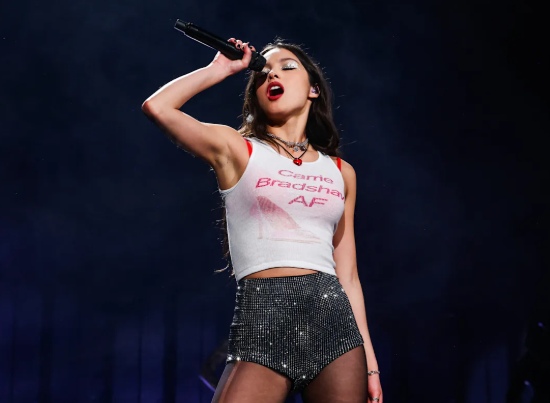
Three artists. Three different confrontations with the music industry’s structural assumptions. The music industry disruption net worth story for Kesha, Billie Eilish, and Olivia Rodrigo is not primarily about money. It is about leverage — and what happens when artists use it differently than the industry expects. Kesha, notably, litigated for years against a producer contract that defined her career without her consent. Eilish, however, negotiated master ownership before the industry normalized the practice. Rodrigo, subsequently, entered with deal terms her predecessors did not achieve at equivalent career stage. Each outcome is, consequently, different. Consequently, each net worth position is different too.
What connects all three is timing. Each artist confronted the industry’s standard operating procedure at a moment when public attention amplified the stakes — generally, to their advantage. Kesha’s case became a cultural flashpoint. Eilish’s ownership decisions became a template others followed. Rodrigo’s entry terms became evidence that the post-streaming leverage window had shifted permanently in artists’ favor. Together, they document a decade of structural change. Specifically, they show how the music industry redistributes power — and wealth — between labels and artists.
Three Confrontations, Three Outcomes
Litigation, Recovery, and Catalog: Kesha
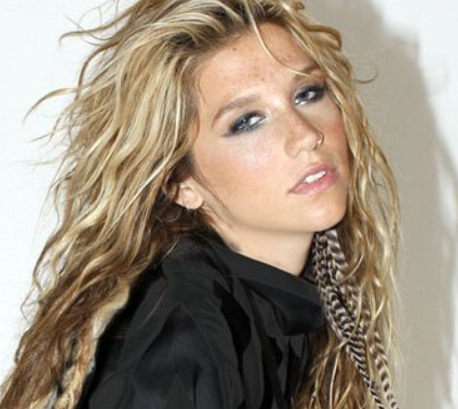
Kesha’s ~$10M net worth is the smallest in this group and the most hard-won. Her legal battle against producer Dr. Luke began publicly in 2014. It produced years of litigation, a Sony contract she could not exit, and a commercial interruption that would, ultimately, have ended most careers. It did not end hers. Rainbow, released in 2017 after the initial legal proceedings, debuted — remarkably — at number one. Furthermore, High Road in 2020 and Gag Order in 2023 confirmed that her audience had stayed through the silence.
The financial cost of the litigation is not publicly disclosed. However, the structural outcome matters more than the number. Kesha remained in the Sony system longer than she wanted. She nonetheless released three albums on her own creative terms during that period. Her net worth reflects a catalog built under constraint. It also reflects an audience whose loyalty survived the industry’s attempt to contain her. The full Kesha net worth profile covers the Dr. Luke litigation, the Rainbow comeback, and the ongoing catalog trajectory.
Master Ownership and the Interscope Template: Billie Eilish

Billie Eilish’s ~$53M net worth sits on a structural foundation that distinguishes her from most artists who signed major label deals at seventeen. Her Interscope deal included master ownership on later catalog. Her generation’s peers largely did not achieve those terms at an equivalent career stage. Specifically, masters compound across decades. Streaming royalties, sync licensing, and re-release rights flow back to the owner rather than the label.
Two Album of the Year Grammys before age twenty-two established the commercial credibility that made those terms negotiable. However, the ownership decision is the more significant long-term achievement. Her Blohsh merchandise brand, fragrance partnerships, and Apple Music deal generate income outside the touring cycle. Moreover, When the Party’s Over and Ocean Eyes still accumulate heavy streams years after release. That durability produces the passive income pattern that characterizes the highest-value legacy positions. The full Billie Eilish net worth profile covers the Interscope deal structure, the ownership terms, and the long-arc compounding trajectory.
Entry Terms and the Streaming Leverage Window: Olivia Rodrigo

Olivia Rodrigo’s ~$30M net worth is built on two albums and entry terms that earlier-generation artists would not recognize. SOUR debuted at number one in thirty countries. Guts repeated that. Additionally, master ownership on both albums means her royalties compound at a rate unavailable to artists who signed comparable deals ten years earlier.
She is twenty-two. The current net worth figure reflects roughly three years of major commercial activity. It does not, however, reflect back-catalog income accumulating over the next three decades. Her ownership terms make that income structurally possible. Most first-album deals historically did not. The meaningful comparison is not her contemporaries. It is, rather, what Elton John’s first-decade ownership terms produced fifty years later. The full Olivia Rodrigo net worth profile covers the SOUR deal terms, the streaming economics, and the long compounding arc.
What Music Industry Disruption Net Worth Actually Measures
The $93M combined figure is not the point. Individually, these three positions span from $10M to $53M. That range reflects three entirely different leverage outcomes from three confrontations with the same system. Kesha fought the system from inside a contract she could not exit and built a catalog regardless. Eilish negotiated her way out of the standard template before signing. Rodrigo entered after the template had already shifted.
The progression across the three careers documents a structural change. Each artist operated with more leverage than the one before her. This was not individual negotiating skill alone — each public confrontation shifted what the industry considered normal. Kesha’s case, specifically, made label power visible. Eilish’s terms made ownership negotiable. Rodrigo’s entry terms made them standard. The music industry disruption net worth story is, therefore, a record of cumulative leverage. Each artist’s outcome improved the starting position of the next.
That structural shift is part of what Social Life Magazine’s Celebrity Net Worth Rankings 2026 documents across nineteen names. Specifically, the artists with the strongest compounding positions are those who owned their catalog from the start. Artists entering now do so with better ownership terms than any previous generation.
Hamptons, Cultural Capital, and the East End Circuit
The Hamptons social circuit intersects with this story at the brand and management layer. The label executives, brand partners, and entertainment attorneys who structure these deals populate the East End each summer. Polo Hamptons draws that same convergence. Entertainment capital, brand money, and the institutional relationships behind these deals share the same space each summer.
Social Life Magazine has covered that circuit for twenty-three summers. Contact us to discuss features, partnerships, and brand placement alongside this audience.
Feature your brand alongside this audience: Contact Social Life Magazine — magazine features, digital placement, and event activations.
Where the industry convenes: Polo Hamptons — sponsorships, VIP access, and East End brand activations.
Get the Hamptons insider list: Subscribe to Social Life Magazine
Support independent Hamptons journalism: Donate $5
Author

Written by
Recent Posts
7 Mindful Meal Prep Tips for Stop Food Waste Day

Rebecca Ferguson Net Worth: The Advantage of Not Being the Lead
What Makes a Dinner Party Truly Unforgettable (Hint: It’s Not the Food)
Tips for Managing Grease and Oil in Everyday Dishwashing
Austin Butler Net Worth: The Method Actor in a Post-Method World
Categories
- Art
- Articles
- Beauty & Skincare
- Celebrities
- Celebrities|Entertainment
- Celebrities|Television
- Celebrities|The Chronicles
- celebrities|the-archive
- Chronicles
- Entertainment|Culture
- Event Photos
- Events
- Fashion
- Fashion & Style
- Featured
- Food & Beverage
- Food, Spirits, Wine
- Hamptons
- Hamptons Celebrities
- Hamptons Celebrities|Celebrities|The Chronicles
- Health
- Health & Beauty
- Lifestyle
- Luxury Lifestyle
- Movies
- Press
- Profiles
- Real Estate
- Technology
- The Chronicles
- Travel
- Uncategorized
- Weddings