

The supermodel and the socialite both appeared on the same magazine covers. Both wore the same designers. Both attended the same galas. Today, one is worth $500 million. The other quietly sold her jewelry to cover tax bills. The difference wasn’t luck, talent, or connections. It was understanding how wealth actually works—the mechanisms that separate fortunes that compound from fortunes that evaporate.
Net worth figures dominate our cultural fascination with celebrity. We search “Taylor Swift net worth” and “Elon Musk net worth” hundreds of millions of times annually, seeking to understand the scale of modern fortunes. But the numbers themselves tell us almost nothing. What matters is the architecture beneath them—the origin stories that explain where the money came from, the mechanisms that determine whether it grows or shrinks, and the structural differences between wealth that lasts generations and wealth that barely survives a divorce.
This guide maps the complete landscape of elite wealth creation. From supermodels who built empires to dynasties that preserved fortunes across centuries, from celebrities who leveraged fame into billions to stars who earned more and ended with less—every pattern, mechanism, and cautionary tale that separates the truly wealthy from the merely famous.
The Four Types of Elite Wealth
All substantial fortunes fall into four categories, each with distinct characteristics, risks, and growth potential. Understanding these categories explains why celebrities with similar earnings end up with wildly different net worths—and why some fortunes persist while others disappear.
Type 1: Earned Wealth
Earned wealth comes from direct compensation for work: salaries, performance fees, contract payments. This is how most people conceptualize celebrity wealth—actors earn film fees, athletes earn contracts, musicians earn royalties. The math seems straightforward: work more, earn more, accumulate more.
The limitation of earned wealth is its dependency on continued labor. Tom Hanks has earned approximately $400 million over four decades of film work—an extraordinary achievement requiring sustained excellence, careful career management, and considerable luck. But every dollar required his presence on set, his promotional appearances, his ongoing participation. Earned wealth stops accumulating when work stops.
Earned wealth also faces the highest tax burden. Income taxes claim 37-50% of earned income depending on jurisdiction. A celebrity earning $20 million annually might retain only $10-12 million after taxes. The accumulation math becomes brutal: decades of peak earnings produce substantial but not transformative wealth.
Explore earned wealth in action:
- Tom Hanks Net Worth 2025 — Four decades of sustained excellence
- Meryl Streep Net Worth 2025 — The craft-first accumulation model
- Denzel Washington Net Worth 2025 — Discipline compounded across careers
- Harrison Ford Net Worth 2025 — From carpenter to $300 million
Type 2: Inherited Wealth
Inherited wealth transfers across generations through trusts, estates, and family structures designed to preserve capital indefinitely. This wealth category operates by entirely different rules than earned wealth—rules designed by lawyers and accountants over centuries to minimize taxes, protect assets from creditors, and ensure family control persists regardless of individual heirs’ competence.
The Lauder family fortune, built on Estée Lauder cosmetics, illustrates inherited wealth mechanics. The family’s $33 billion fortune has grown across three generations not because heirs earned it through labor but because trust structures, estate planning, and corporate governance arrangements ensure wealth compounds regardless of any individual’s contributions.
Inherited wealth operates on different timescales than earned wealth. Dynasty families think in 50-year increments, not quarterly earnings. They optimize for wealth preservation across generations, accepting lower returns in exchange for reduced volatility and tax efficiency. This long-term orientation explains why old money often seems conservative—they’re playing a different game with different objectives.
Explore inherited and dynasty wealth:
- The Difference Between Celebrity Wealth and Dynasty Wealth — Why structural differences matter more than numbers
- Sofia Coppola Net Worth 2025 — Dynasty-adjacent wealth and creative freedom
- Anderson Cooper Net Worth 2025 — The Vanderbilt heir who chose earned over inherited
Type 3: Leveraged Wealth
Leveraged wealth uses fame, relationships, or platforms to capture equity value rather than just compensation. This is where modern celebrity fortunes have transformed most dramatically. Celebrities who understand leverage build fortunes their talent alone could never produce.
George Clooney exemplifies leveraged wealth. His acting career generated perhaps $200 million over decades. His Casamigos tequila brand, sold to Diageo for $1 billion, generated more in a single transaction. The leverage was his celebrity—his face on bottles, his credibility validating the brand, his network distributing through elite channels. He contributed far less labor to Casamigos than to his film career, but captured far more value because he understood leverage.
Ryan Reynolds has systematized leveraged wealth creation. Aviation Gin, Mint Mobile, and other ventures follow the same pattern: acquire equity in undervalued brands, deploy celebrity marketing capabilities, grow rapidly, sell to strategic buyers at premium valuations. His net worth reflects exits, not salaries.
Private equity has formalized celebrity leverage. PE firms now actively seek celebrity partnerships, recognizing that celebrity attachment adds quantifiable value to certain brand categories. This recognition has created a market where celebrities can essentially sell their leverage to the highest bidder.
Explore leveraged wealth mechanisms:
- The Role of Private Equity in Modern Celebrity Fortunes — How PE transformed celebrity wealth creation
- Net Worth vs. Liquidity: Why Cash Matters More Than Fame — The exit events that create real wealth
- George Clooney Net Worth 2025 — The Casamigos playbook
- Ryan Reynolds Net Worth 2025 — Serial exits and systematic leverage
- Rihanna Net Worth 2025 — From Barbados to billionaire through Fenty equity
Type 4: Licensed Wealth
Licensed wealth generates ongoing royalty streams from intellectual property, name rights, or creative assets. This wealth category shares characteristics with both earned and leveraged wealth but operates through distinct mechanisms that create passive income without requiring continued labor or equity exits.
Kathy Ireland transformed from Sports Illustrated model to $500 million fortune through licensing. Her name appears on over 15,000 products generating $2 billion in annual retail sales. She receives royalty percentages on every sale—income that flows regardless of her current activities, her age, or her ongoing fame.
The distinction between licensing and endorsement explains more about celebrity wealth distribution than any other factor. Endorsements pay flat fees for limited periods. Licensing pays percentages indefinitely. Celebrities who negotiate licensing when they have maximum leverage build wealth that compounds. Those who accept endorsement fees capture only a fraction of the value their association creates.
George Foreman’s grill licensing generated $200 million—more than his boxing career ever produced. The mechanism was percentage participation in product success rather than flat spokesperson fees. Had he accepted a standard endorsement deal, he might have earned $5 million. The licensing structure captured 40x more value.
Explore licensed wealth strategies:
- How Licensing Deals Create Long-Term Wealth — The royalty structures that build fortunes
- How Supermodels Really Build Wealth (Not Just Modeling Paychecks) — The pivot from labor to licensing
- Heidi Klum Net Worth 2025 — Producer royalties as licensing equivalent
- Iman Net Worth 2025 — The cosmetics empire she built, not licensed
The Origin Story Pattern
Behind every substantial fortune lies an origin story that explains the drive, risk tolerance, and strategic clarity that produced extraordinary outcomes. These stories share consistent patterns—patterns that illuminate why some people build wealth while others merely earn income.
The Wound
Most transformative wealth originates in some form of early wound—childhood poverty, family dysfunction, outsider status, or personal trauma that created insatiable drive. This wound provides the fuel that sustains effort through obstacles that would stop others.
Oprah Winfrey’s $2.5 billion fortune traces to childhood poverty and abuse that created determination to control her own destiny. Howard Schultz built Starbucks from nothing after growing up in Brooklyn public housing watching his father struggle. The wound doesn’t excuse later behavior or guarantee success—but it provides motivational fuel unavailable to those who started comfortable.
Taylor Swift’s $2 billion fortune connects to childhood exclusion and bullying that created relentless drive for connection and validation through achievement. The wound manifests in her music, her business strategies, and her relationship with fans—everything connects to proving she belongs despite early rejection.
Explore origin stories and the wounds behind wealth:
- Taylor Swift Net Worth 2025 — The bullied kid who built a $2 billion empire
- Gisele Bündchen Net Worth 2025 — The McDonald’s discovery that built $400 million
- Cindy Crawford Net Worth 2025 — Small-town girl to $400 million mogul
The Chip
Distinct from the wound, the chip represents ongoing motivation derived from being underestimated, dismissed, or counted out. While wounds often heal or fade, chips remain sharp—providing continuous fuel for achievement long after initial success might have satisfied others.
The supermodel who was told she was “too ethnic” for high fashion built a cosmetics empire serving women the industry ignored. The actor repeatedly passed over for leading roles developed producing capabilities that created more wealth than acting ever would. The chip transforms rejection into fuel.
Celebrities who maintain chips after achieving success often build larger fortunes than those who become satisfied. The chip keeps them hungry, keeps them proving doubters wrong, keeps them building when rational people would coast.
Explore how chips fuel continued wealth building:
- From Face to Fortune: How Beauty Converts to Net Worth — The five-stage monetization ladder
- Margot Robbie Net Worth 2025 — Farm girl to LuckyChap founder
- Zendaya Net Worth 2025 — Disney to dramatic range and $25 million
The Pivot
Every substantial celebrity fortune involves a pivot—a moment when the celebrity recognized that their primary skill (acting, modeling, athletics) was a platform for wealth creation rather than a wealth creator itself. This recognition, and the strategic action that followed, separates fortunes that compound from fortunes that peak and fade.
Gisele Bündchen pivoted from modeling fees to equity positions when she recognized that her visibility could leverage business ownership. Jessica Alba pivoted from acting to founding The Honest Company when she identified a market opportunity her platform could serve. The pivot doesn’t abandon the original skill—it uses that skill as foundation for something more scalable.
The timing of pivots matters enormously. Pivoting during peak fame captures maximum leverage. Pivoting after fame fades leaves the celebrity negotiating from weakness. The celebrities who build largest fortunes pivot early, while their leverage is maximum—not late, when they’re seeking relevance.
Explore pivotal career transitions:
- Why Some Famous People Are Quietly Much Richer Than They Look — Visibility and wealth move inversely
- Jessica Alba Net Worth 2025 — The Honest Company pivot
- Gwyneth Paltrow Net Worth 2025 — Goop and the lifestyle pivot
The Supermodel Wealth Playbook
Supermodels provide the clearest case study of wealth type transitions. Their careers follow predictable arcs—discovery, ascent, peak, plateau, decline—that force strategic decisions about wealth creation before time runs out. The models who build fortunes understand these transitions. Those who merely earned fees often struggle financially once runway careers end.
Stage 1: The Labor Phase
Early modeling careers exchange time for money directly. Campaign fees, runway rates, and editorial day rates provide income requiring presence. This earned wealth accumulates slowly, faces high taxes, and stops when bookings stop.
Even peak modeling fees—perhaps $50,000-100,000 per campaign for top models—pale compared to wealth available through later stages. A model earning $2 million annually in peak booking fees might accumulate $5-10 million over a decade after expenses and taxes. Substantial, but not transformative.
Stage 2: The Endorsement Transition
As visibility increases, brands seek ongoing association through endorsement contracts. These deals pay more than individual bookings and require less labor—perhaps a few photo shoots and appearances annually for multi-year contracts.
Endorsements improve economics but remain fundamentally limited. They’re still compensation for association rather than participation in value creation. When contracts end, income stops. The model captures only a fraction of the value their association creates for brands.
Stage 3: The Licensing Leap
The critical transition occurs when models negotiate licensing rather than endorsement. Instead of flat fees for brand association, licensing provides ongoing royalty percentages tied to product sales. This structure transforms models from labor providers to equity participants.
Kathy Ireland’s Walmart partnership exemplifies this transition. Rather than accepting endorsement fees to promote home products, she negotiated royalty participation in product lines bearing her name. Those royalties, compounded across thousands of products over decades, built $500 million—impossible through endorsements alone.
Stage 4: The Equity Position
The highest wealth stage involves direct equity ownership in businesses the model’s association helps build. This differs from licensing—the model owns shares in companies, not just royalty streams from products.
Rihanna’s Fenty Beauty equity position illustrates this stage. She doesn’t just license her name to cosmetics—she owns substantial equity in a company valued at over $2.8 billion. The 2021 funding round valued her stake at approximately $1.4 billion. That equity value dwarfs what licensing royalties alone could produce.
Explore the complete supermodel wealth progression:
- How Supermodels Really Build Wealth (Not Just Modeling Paychecks) — The complete stage progression
- From Face to Fortune: How Beauty Converts to Net Worth — Case studies at each stage
- Supermodel Net Worth 2025: Legacy Icons and Hidden Fortunes — The full roster analysis
The Hollywood Wealth Map
Hollywood wealth operates differently than modeling wealth but follows equally predictable patterns. Understanding these patterns reveals why some actors build fortunes while others earn more but accumulate less.
The Salary Ceiling
Film salaries face hard limits. Even A-list actors commanding $20-30 million per film can only make 1-2 films annually. The absolute maximum earned wealth from acting—perhaps $50 million annually at peak—accumulates to substantial but not extraordinary fortunes over careers.
The actors with largest net worths supplement salary income with other wealth types. Tom Cruise’s $600 million includes substantial backend participation (profit percentages) that function like equity positions. Dwayne Johnson’s $800 million includes Teremana tequila and Seven Bucks production company equity beyond acting fees.
The Producer Transition
Production company ownership transforms actors from labor providers to equity participants. Brad Pitt’s Plan B Entertainment, Margot Robbie’s LuckyChap Entertainment, and Reese Witherspoon’s Hello Sunshine represent equity positions that accumulate value beyond individual project fees.
Witherspoon’s Hello Sunshine sale to Blackstone-backed Candle Media for approximately $900 million illustrates the equity premium. Her acting career, however successful, could never have generated that single-transaction return. The production company represented leveraged wealth unavailable through earned income alone.
The Backend Position
Sophisticated actors negotiate “backend” participation—percentage of profits rather than flat fees. These positions convert actors from labor providers to equity participants in individual projects.
Sandra Bullock reportedly earned over $70 million from Gravity through backend participation. Her upfront salary was modest by star standards, but her profit percentage captured enormous value as the film succeeded beyond projections. The backend structure aligned her interests with film success rather than just completion.
Explore Hollywood wealth patterns:
- The Role of Private Equity in Modern Celebrity Fortunes — Production companies as PE plays
- Brad Pitt Net Worth 2025 — Plan B and production equity
- Reese Witherspoon Net Worth 2025 — Hello Sunshine and the $900 million exit
- Living Legends Net Worth 2025 — Hanks, Streep, Washington, and Ford
- Next Gen A-List Net Worth 2025 — Robbie, Zendaya, Chalamet, and Pugh
The Dynasty Difference
Dynasty wealth operates by rules entirely foreign to earned or even leveraged celebrity wealth. Understanding these rules reveals why some fortunes persist for centuries while celebrity wealth rarely survives beyond single generations.
The Trust Structure
Dynasty wealth flows through trust structures designed to preserve capital across generations. These trusts—often created decades ago, governed by sophisticated trustees, and protected from individual heirs’ access—ensure wealth compounds regardless of any beneficiary’s decisions.
A trust beneficiary might receive income distributions without controlling underlying assets. This structure protects wealth from heirs’ poor judgment, divorcing spouses, and creditors. The wealth belongs to the trust, not to individuals—a distinction that determines whether fortunes persist or dissipate.
The Investment Philosophy
Dynasty families invest for wealth preservation, not maximum returns. They accept lower returns in exchange for reduced volatility and capital protection. A dynasty portfolio might target 5-7% annual returns with minimal risk, while celebrity investors chase higher returns with corresponding higher risks.
This conservative approach seems inferior in strong markets but proves superior across complete cycles. Dynasties that never lose 50% in downturns compound more effectively than high-risk investors who occasionally lose catastrophically.
The Governance Framework
Multi-generational wealth requires governance frameworks that manage family decision-making across generations. Family councils, investment committees, and succession protocols ensure continuity regardless of individual relationships.
Celebrity wealth typically lacks these frameworks. First-generation wealth holders make decisions personally. When they die, estates pass to heirs without governance structures. Disagreements among heirs, poor investment decisions, or expensive divorces dissipate fortunes within one or two generations.
Explore dynasty wealth structures:
- The Difference Between Celebrity Wealth and Dynasty Wealth — Structural analysis
- Sofia Coppola Net Worth 2025 — Dynasty-adjacent creative freedom
The Visibility Paradox
One of the most counterintuitive patterns in celebrity wealth: visibility and wealth often move inversely. The celebrities constantly in tabloids often struggle financially, while quietly wealthy celebrities avoid publicity entirely.
Visibility as Desperation Signal
Constant media presence often indicates financial need. Celebrities who must remain visible to maintain endorsement income, who accept reality show appearances for fees, who leverage personal drama for publicity—these behaviors suggest cash flow challenges.
Truly wealthy celebrities have no need for this visibility. They’ve built income streams that don’t require public attention. Their wealth compounds whether or not they appear on magazine covers.
Privacy as Wealth Protection
Wealthy celebrities often actively avoid publicity because visibility attracts problems. Lawsuits target visible wealth. Family members seek access to publicized fortunes. Business partners demand different terms when wealth is public knowledge.
Julia Roberts’s strategic scarcity illustrates this pattern. She appears rarely, carefully, and on her own terms. Her $250 million fortune benefits from this privacy—no one knows precisely what she owns, making her a less attractive litigation target.
The Real Estate Strategy
Quietly wealthy celebrities often hold substantial real estate that appreciates without publicity. Harrison Ford’s Wyoming ranch represents wealth that generates no headlines. Accumulated real estate across decades creates fortunes invisible to net worth researchers relying on public information.
Explore the visibility paradox:
- Why Some Famous People Are Quietly Much Richer Than They Look — The inverse relationship
- Julia Roberts Net Worth 2025 — Strategic scarcity as wealth strategy
- Character Actor Elite Net Worth 2025 — The $145 million club
The Liquidity Reality
Net worth figures obscure the distinction between paper wealth and actual liquidity. A celebrity “worth” $500 million might have difficulty accessing $5 million in cash. Understanding this distinction reveals why exit events matter more than valuations.
Paper Wealth Limitations
Net worth calculations include illiquid assets at estimated values. Real estate, private company stakes, art collections—all represent theoretical wealth that cannot be spent without complex transactions, significant costs, and uncertain outcomes.
Kylie Jenner’s “billionaire” designation rested on private company valuations that proved partially illusory when tested against actual transactions. Her net worth fluctuated dramatically based on analyst assumptions rather than real money movements.
The Exit Event Premium
Liquidity events—moments when illiquid assets convert to actual cash—transform celebrity finances more than any other factor. George Clooney before the Casamigos sale was wealthy. After the sale, he was liquid in ways that enabled entirely different financial behavior.
The celebrities who optimize for exit events rather than paper valuations build more durable wealth. They accept lower theoretical valuations in exchange for actual money they can deploy, invest, and protect.
Cash Flow Independence
True financial freedom requires cash flow that covers lifestyle without selling assets. Celebrities with high net worth but negative cash flow must constantly liquidate holdings to fund expenses—a pattern that gradually erodes wealth regardless of headline valuations.
Explore liquidity realities:
- Net Worth vs. Liquidity: Why Cash Matters More Than Fame — Paper wealth versus real money
- George Clooney Net Worth 2025 — The liquidity transformation
- Ryan Reynolds Net Worth 2025 — Serial exits as liquidity strategy
The Search Phenomenon
Five hundred million people searched “net worth” on Google last year. This search behavior reveals something deeper than celebrity curiosity—it represents a form of financial education, aspirational benchmarking, and power assessment that previous generations accessed through different channels.
The Educational Function
Net worth searches increasingly accompany “how” questions. Searchers want mechanisms, not just numbers. They’re seeking to understand wealth creation systems they might apply to their own situations. The number is the hook; the explanation is the value.
The Benchmarking Purpose
Readers compare celebrity wealth to their own situations, careers, and goals. “How much is [celebrity] worth” implicitly asks “How does that compare to me?” and “What would it take to achieve that?” This benchmarking serves career planning and expectation setting, not just curiosity.
The Power Assessment
Net worth serves as proxy for power. When Elon Musk makes news, net worth searches spike because readers are assessing his actual power to affect outcomes. The wealth number contextualizes the influence level.
Explore the search phenomenon:
- Why “Net Worth 2025” Searches Keep Exploding — The cultural analysis
The Complete Net Worth Library
Our comprehensive coverage spans celebrity categories, always focusing on mechanisms rather than just numbers.
Wealth Building Concepts
- How Supermodels Really Build Wealth (Not Just Modeling Paychecks)
- From Face to Fortune: How Beauty Converts to Net Worth
- Why Some Famous People Are Quietly Much Richer Than They Look
- The Difference Between Celebrity Wealth and Dynasty Wealth
- Net Worth vs. Liquidity: Why Cash Matters More Than Fame
- How Licensing Deals Create Long-Term Wealth
- The Role of Private Equity in Modern Celebrity Fortunes
- Why “Net Worth 2025” Searches Keep Exploding
Supermodel Fortunes
- Gisele Bündchen Net Worth 2025 — $400 million
- Cindy Crawford Net Worth 2025 — $400 million
- Heidi Klum Net Worth 2025 — $160 million
- Iman Net Worth 2025 — $200 million
- Tyra Banks Net Worth 2025 — $90 million
- Supermodel Net Worth 2025: Legacy Icons — Complete roster
Hollywood A-List
- Tom Hanks Net Worth 2025 — $400 million
- Brad Pitt Net Worth 2025 — $400 million
- George Clooney Net Worth 2025 — $500 million
- Julia Roberts Net Worth 2025 — $250 million
- Meryl Streep Net Worth 2025 — $160 million
- Denzel Washington Net Worth 2025 — $280 million
- Harrison Ford Net Worth 2025 — $300 million
- Living Legends Net Worth 2025 — Combined $1.1 billion
Next Generation Stars
- Margot Robbie Net Worth 2025 — $80 million
- Zendaya Net Worth 2025 — $25 million
- Timothée Chalamet Net Worth 2025 — $35 million
- Florence Pugh Net Worth 2025 — $12 million
- Next Gen A-List Net Worth 2025 — The rising roster
Music Industry Billionaires
- Taylor Swift Net Worth 2025 — $2 billion
- Rihanna Net Worth 2025 — $1.4 billion
- Beyoncé Net Worth 2025 — $800 million
- Jay-Z Net Worth 2025 — $2.5 billion
Business Moguls
- Ryan Reynolds Net Worth 2025 — $350 million
- Reese Witherspoon Net Worth 2025 — $440 million
- Jessica Alba Net Worth 2025 — $100 million
- Gwyneth Paltrow Net Worth 2025 — $200 million
The Bottom Line: Understanding Wealth Architecture
Net worth figures make headlines. The architecture beneath them makes fortunes. Every number you see attached to a celebrity name represents decisions made—or not made—about wealth types, timing, structures, and strategies.
The supermodel who licensed rather than endorsed built $500 million while peers with higher fame earned and spent. The actor who took producer points rather than salary maximums captured equity that outlasted acting careers. The celebrity who understood PE mechanics achieved liquidity events that salary accumulation could never produce.
These aren’t random outcomes. They’re the predictable results of understanding how wealth actually works—the four types, the transition moments, the structural differences between money that compounds and money that dissipates.
The origin stories matter because they reveal the drive and clarity that enabled strategic decisions. The mechanisms matter because they’re replicable. The patterns matter because they predict outcomes.
Net worth is not what you earn. It’s what you keep, compound, and protect. The celebrities who understand this distinction build fortunes. Those who focus on earnings alone end up wondering where the money went.
For features, advertising partnerships, and editorial inquiries, visit sociallifemagazine.com/contact. Experience the Hamptons’ premier polo events at polohamptons.com. Subscribe to our print edition for exclusive Hamptons coverage delivered to your door. Support independent luxury journalism with a $5 contribution to Social Life Magazine.
Author

Written by
Recent Posts

Midsommar A24 Cast Net Worth — The Daylight Horror That Turned Grief Into a Career Launchpad
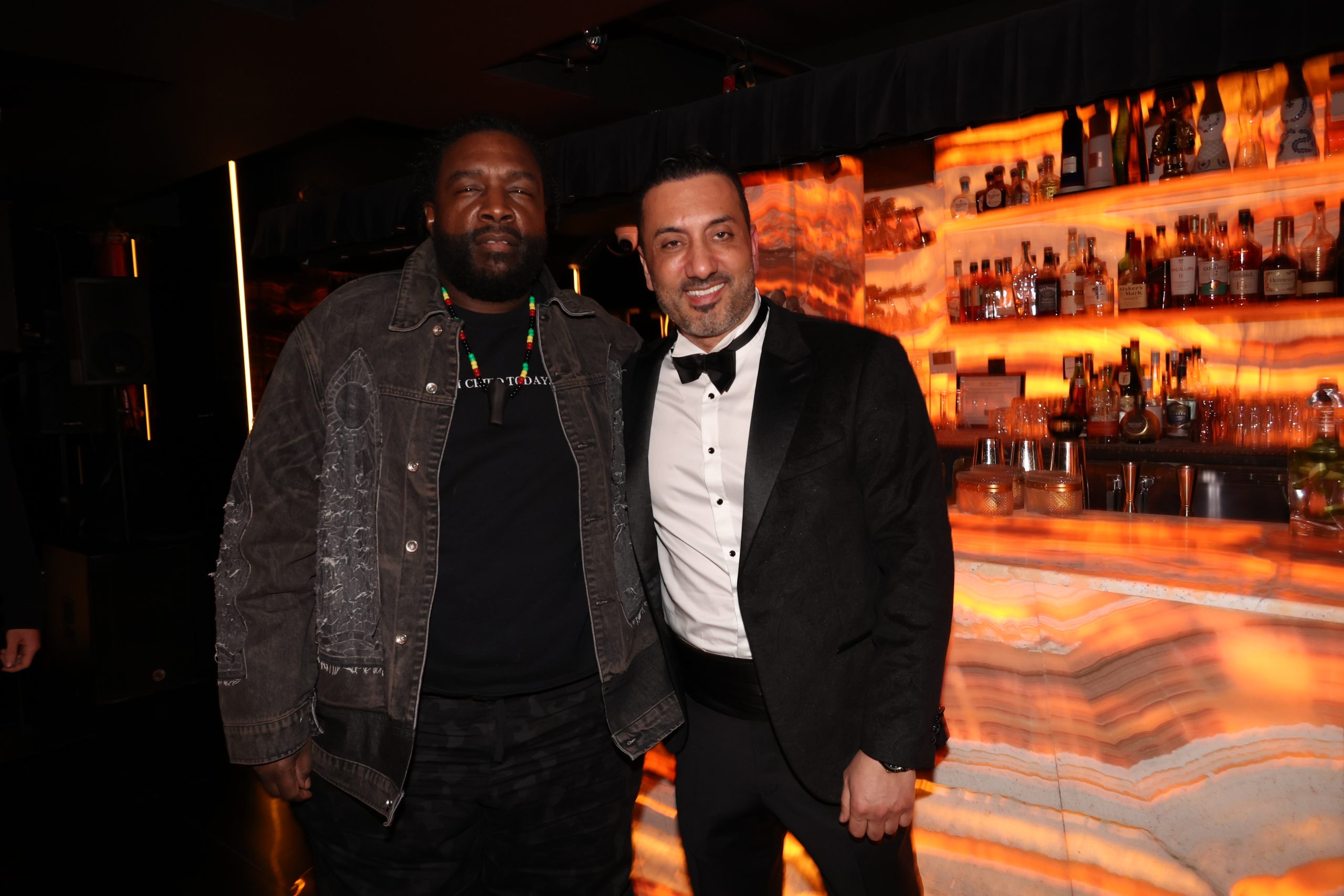
ZOI NOMAD & TEN11 LOUNGE MARK ONE YEAR

Room A24 Cast Net Worth — The $6 Million Captivity Drama That Set Brie Larson Free

The Witch A24 Cast Net Worth — A $3.5 Million Puritan Nightmare That Created a Queen and a King

A24 Genre Stars Net Worth — The Terrifying Fortunes Behind Horror, Sci-Fi, and Oscar Gold
Categories
- Art
- Articles
- Beauty & Skincare
- Celebrities
- Celebrities|Movies
- Celebrities|The Chronicles
- Chronicles
- Entertainment|Culture
- Event Photos
- Events
- Fashion
- Fashion & Style
- Featured
- Food & Beverage
- Food, Spirits, Wine
- Hamptons
- Hamptons Celebrities
- Hamptons Celebrities|Celebrities|The Chronicles
- Health
- Health & Beauty
- Lifestyle
- Luxury Lifestyle
- Movies
- Movies|Culture
- Movies|Hamptons Lifestyle
- Press
- Profiles
- Real Estate
- Technology
- The Chronicles
- Travel
- Uncategorized
- Weddings