
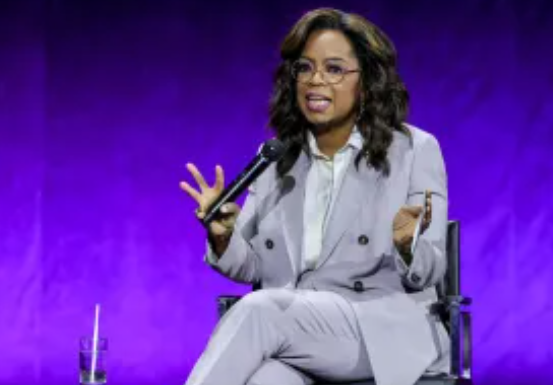
That year, Oprah convinced ABC to let her own The Oprah Winfrey Show through her newly formed production company, Harpo Productions. At the time, this arrangement was considered unusual to the point of absurdity. Talk show hosts were employees. Networks owned content. The talent showed up, performed, and collected a salary. Oprah saw a different future. That library of episodes would be worth more than $2 billion in syndication value, long after the final episode aired in 2012.
Oprah Winfrey Net Worth Breakdown: Where the Billions Actually Sit
Understanding Oprah’s $3.2 billion fortune requires looking beyond the obvious revenue streams. Her wealth architecture is a masterclass in converting celebrity into ownership positions that compound over time.
| Asset | Structure | Estimated Value | Income Type |
|---|---|---|---|
| Harpo Productions Library | 100% ownership of show archive | $2B+ | Perpetual syndication royalties |
| OWN Network Exit | Joint venture equity (sold majority) | $500M+ realized | Capital gains |
| Weight Watchers Stake | Strategic equity + board seat | $400M at peak | Dividends + appreciation |
| Real Estate Portfolio | Montecito compound, multiple properties | $200M+ | Appreciation + lifestyle utility |
| Media Investments | Various equity positions | $100M+ | Returns + strategic value |
Notice what generates the real money: ownership positions, not paychecks. Oprah’s salary as host of her show was substantial, certainly in the millions annually. But salaries are linear. Work a year, get paid for a year. Ownership compounds. The Harpo library generates revenue whether Oprah works or not, and it will continue generating revenue long after she’s gone.
The 1988 Negotiation That Created a Billionaire
In 1988, The Oprah Winfrey Show was already successful but not yet dominant. Oprah had leverage, but not overwhelming leverage. She used what she had brilliantly. Rather than negotiating for a higher salary, she negotiated for ownership of her show through Harpo Productions. ABC agreed because they were focused on immediate costs, not long-term asset appreciation.
This single decision separated Oprah from every other talk show host of her generation. Phil Donahue, Geraldo Rivera, Sally Jessy Raphael all built substantial careers. None of them owned their content. When their shows ended, their income streams ended. Oprah’s show ended in 2012, but Harpo still licenses episodes to streaming platforms, cable networks, and international distributors.
The lesson isn’t about talk shows. It’s about recognizing the difference between being talent and being infrastructure. Talent gets paid for showing up. Infrastructure gets paid for existing.
How Oprah Converted Fame Into Equity
After establishing the Harpo model, Oprah systematically converted her cultural influence into ownership positions across multiple industries. Each move followed the same logic: use fame as leverage to negotiate equity, not just fees.
OWN Network: Rather than simply licensing her brand to a cable network, Oprah negotiated a joint venture with Discovery Communications. She contributed her name, her promotional power, and some programming. Discovery contributed infrastructure and distribution. When OWN succeeded, Oprah owned a meaningful percentage of the upside. She later sold a majority stake, reportedly for over $500 million, while retaining an ongoing role and continued equity participation.
Weight Watchers: In 2015, Oprah purchased a 10% stake in Weight Watchers for approximately $43 million, with options to purchase more. She also joined the board and became the company’s most visible spokesperson. The stock price immediately jumped, and at its peak her stake was worth over $400 million. This wasn’t an endorsement deal where she got paid to say nice things. She owned the company and benefited directly when her involvement drove customer acquisition.
Oxygen Media: Oprah was a founding investor in the cable network Oxygen in 1998. When NBC Universal acquired Oxygen in 2007 for $925 million, Oprah’s stake generated significant returns on her original investment.
The Real Estate Component of Oprah’s Net Worth
Oprah’s real estate portfolio serves multiple functions in her wealth architecture. The Montecito compound, valued at over $100 million, is her primary residence and the most visible symbol of her wealth. But real estate for someone at Oprah’s level isn’t just about lifestyle. It’s about asset class diversification, wealth preservation, and signaling.
Her property holdings include estates in California, Colorado, and other locations, collectively worth over $200 million. Real estate doesn’t generate the returns of her media investments, but it provides stability, tax advantages, and the kind of tangible wealth that can be preserved across generations.
The Montecito location matters strategically. It positions Oprah in proximity to both Los Angeles media infrastructure and the exclusive Santa Barbara social circuit that includes technology executives, old money families, and the kind of people who might become business partners or philanthropic collaborators.
Oprah’s Influence Arbitrage Strategy
What makes Oprah’s wealth building distinctive is how she weaponized cultural influence. The Oprah Book Club could move millions of copies of an unknown novel. Her endorsement of a product could create overnight success. Most celebrities would monetize this power through endorsement fees: a brand pays $5 million, the celebrity says nice things, transaction complete.
Oprah recognized that her influence was worth more than any fee a brand could afford to pay. Instead of taking fees, she took equity. When she endorsed Weight Watchers, she wasn’t being paid to promote it. She owned it. When the promotion worked, she captured the upside that would normally go to the brand’s existing shareholders.
This is influence arbitrage: recognizing that your ability to move markets is worth more than the market will pay you directly, and structuring deals to capture that excess value through ownership.
The Philanthropic Structure Behind the Fortune
Oprah’s charitable giving isn’t separate from her wealth architecture. It’s integrated into it. The Oprah Winfrey Foundation and the Oprah Winfrey Operating Foundation manage hundreds of millions in charitable assets. These structures provide tax advantages, allow for strategic giving that enhances her reputation and relationships, and create a legacy vehicle that will extend her influence beyond her lifetime.
The Oprah Winfrey Leadership Academy for Girls in South Africa represents a different kind of investment. It doesn’t generate financial returns, but it generates social capital, leadership identification, and the kind of long-term influence that can’t be purchased directly.
The Hamptons Connection in Oprah’s Network
While Oprah’s primary residence is in California, her social network extends deeply into the Hamptons through relationships cultivated over decades. Best friend Gayle King maintains strong Hamptons connections through her CBS role and social positioning. The media mogul peer group that includes Spielberg, Bruckheimer, and others overlaps significantly with Hamptons summer residents.
This matters because wealth at Oprah’s level isn’t managed in isolation. Deal flow, investment opportunities, and strategic partnerships emerge from social networks. The Hamptons function as one of several locations where these networks concentrate and interact. Oprah doesn’t need to own a Southampton estate to benefit from the relationships that are maintained there.
What Oprah’s Net Worth Teaches About Building Wealth
Oprah’s $3.2 billion fortune offers specific lessons for anyone thinking about long-term wealth building, whether in media or any other industry.
Negotiate ownership before you have maximum leverage. Oprah negotiated for Harpo ownership in 1988, before she was a billionaire, before she was the most powerful person in television. She had enough leverage to get the deal done, but not so much leverage that ABC wouldn’t take the risk. Waiting for maximum leverage often means waiting too long.
Fame is a depreciating asset. Ownership is not. Oprah’s cultural relevance has shifted over time. She’s no longer on daily television. Her media presence has evolved. But her ownership positions don’t depend on daily relevance. The Harpo library generates revenue regardless of her current fame level.
Take equity over fees when your involvement creates disproportionate value. The Weight Watchers deal illustrates this perfectly. Any endorsement fee Oprah could have negotiated would have been a fraction of the value she created by moving the stock price. Equity captured that full value.
Diversify across asset classes once you’ve built the core fortune. Media ownership built Oprah’s wealth. Real estate, public equities, and philanthropic structures preserve and extend it.
Oprah Winfrey Net Worth 2025: The Complete Picture
At $3.2 billion, Oprah Winfrey ranks among the wealthiest entertainment figures in history. But the number itself is less important than the architecture behind it. She built a fortune not by being famous, but by converting fame into ownership positions that compound independently of her daily involvement.
The next time someone mentions Oprah’s wealth and attributes it to her talk show success, you’ll know the real story. The talk show built the credibility. The ownership negotiations built the billions. The difference between those two sentences is the difference between a successful career and a permanent fortune.
Related Reading
- The $10B Club: How Hollywood’s Biggest Fortunes Brunch in Bridgehampton
- How Media Moguls Build Billion-Dollar Empires (Not Million-Dollar Careers)
- From Content Creator to Content Owner: The Billionaire Pivot
- Steven Spielberg Net Worth 2025: $7.1B in Dream Factory Dividends
Connect With Social Life
For features, partnerships, and advertising inquiries: sociallifemagazine.com/contact
Join us at Polo Hamptons for the season’s most anticipated events: polohamptons.com
Subscribe to our newsletter for insider access to Hamptons culture, real estate, and social intelligence.
Author

Written by
Recent Posts
Must-Have Items for Your Wedding Gift Registry
What Mental Health Challenges Can Look Like Over Time
Quiet Luxury: The Rise of the Smart Motorized Pergola
Sleek Cosmetic Upgrades That Refresh Your Natural Beauty
Durable Vinyl Poster Printing in NYC That Turns Heads and Drives Results
Categories
- Art
- Articles
- Beauty & Skincare
- Celebrities
- Celebrities|Movies
- Celebrities|The Chronicles
- Chronicles
- Entertainment|Culture
- Event Photos
- Events
- Fashion
- Fashion & Style
- Featured
- Food & Beverage
- Food, Spirits, Wine
- Hamptons
- Hamptons Celebrities
- Hamptons Celebrities|Celebrities|The Chronicles
- Health
- Health & Beauty
- Lifestyle
- Luxury Lifestyle
- Movies|Culture
- Movies|Hamptons Lifestyle
- Press
- Profiles
- Real Estate
- Technology
- The Chronicles
- Travel
- Uncategorized
- Weddings