
The boarding kennel called at 2 AM. York Wu’s dog had stopped eating, stressed by the unfamiliar environment. Wu was three time zones away on a business trip, unable to do anything except worry. The kennel staff were competent but stretched thin. His dog was one of dozens, monitored by people who didn’t know his specific behaviors, his eating quirks, his signs of distress.
This wasn’t an unusual situation. Pet owners who travel face impossible choices. Kennels provide supervision but create stress. Pet sitters offer familiarity but require trust and coordination. Friends willing to help are favors that create obligations. Every option involves compromise, and none provides the continuous awareness that ownership builds.
Wu founded Petlibro in 2019 with a specific insight: technology could maintain pet care routines without requiring human intermediaries. Five years later, the company has sold over 3 million devices, won TIME’s Best Inventions of 2024, and expanded into over 1,000 Target stores. For vacation home owners specifically, Petlibro has become the answer to a question that previously had no good solution.
The Gap: Why Traditional Pet Care Fails Travelers
The pet care industry developed around a fundamental assumption: someone needs to be physically present to feed, water, and monitor animals. This assumption made sense before connected technology existed. It now creates friction that technology can eliminate.
Consider the Hamptons weekend scenario. You want to bring the dog to the summer house, but dinner reservations in Montauk mean being away during feeding time. Options include: racing home between activities, adjusting restaurant timing to pet schedules, or leaving food out and hoping for the best. None of these solutions respects both pet needs and owner autonomy.
The Vacation Home Problem
Second homes amplify these challenges. Driving back to Manhattan for a pet emergency defeats the purpose of having a weekend place. Relying on neighbors creates social debts. Hiring local pet sitters requires vetting strangers for occasional use. The friction accumulates until some owners simply stop bringing pets, which defeats the purpose of having animals in the first place.
According to TechCrunch’s coverage, Petlibro’s founder recognized that “there’s not much innovation happening” in pet tech. The market offered basic products that solved narrow problems. What was missing was an integrated approach that addressed feeding, hydration, and monitoring as connected systems.
The Petlibro Obsession: Building Invisible Infrastructure
Petlibro’s product philosophy centers on a counterintuitive goal: the technology should be invisible to pets while providing comprehensive awareness to owners. Dogs and cats don’t care about WiFi connectivity or app interfaces. They care about predictable routines and fresh food. The innovation happens in the background.
The company started with automatic dry food feeders featuring vacuum-sealing technology. Unlike basic timed dispensers that expose kibble to air, Petlibro’s sealed storage maintains freshness. This matters more than it sounds. Stale food affects palatability, and pets that eat reluctantly trigger owner anxiety, especially remotely.
From Feeders to Ecosystem
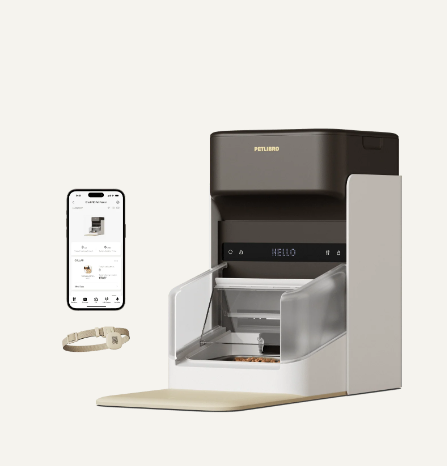
Subsequent products expanded the system. Water fountains with multi-layer filtration addressed hydration. The Polar Wet Food Feeder, launched in 2024, solved the previously impossible problem of keeping wet food fresh for extended periods. Using semiconductor cooling technology, it maintains temperatures between 30-50°F for up to 72 hours.
According to Petlibro’s survey data cited by TechCrunch, 56% of cat owners identified maintaining wet food freshness as their biggest feeding challenge. The Polar addressed this specific frustration, winning TIME’s Best Inventions recognition for solving a problem the industry had considered unsolvable.
The Craft: Technology That Understands Pets
Petlibro’s technical approach balances sophistication with reliability. Smart features require stable execution. A feeder that occasionally fails causes more problems than a simple timed dispenser. The company has invested in redundancy systems, including battery backup that maintains schedules during power outages.
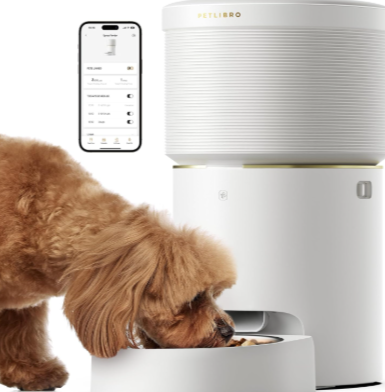
The Space Automatic Feeder exemplifies this philosophy. Vacuum sealing pumps air from the storage compartment after each feeding, extending kibble freshness. The 5-liter capacity accommodates multi-day absences. WiFi connectivity enables scheduling through iOS and Android apps. However, if connectivity fails, the feeder continues operating on its programmed schedule.
The Scout AI Camera
In June 2025, Petlibro launched Scout, an AI-powered camera that represents the next evolution. According to the company’s announcement, Scout recognizes individual pets, tracks their behavior, and sends real-time updates to owners’ phones.
The AI doesn’t just detect motion. It identifies specific activities: eating, drinking, using the litter box, and general activity levels. Daily summaries compile this information into digestible reports. For owners managing pets remotely, this granular awareness approximates the continuous observation that physical presence provides.
Scout also sends “pet selfies” when animals look at the camera, creating connection points throughout the day. The feature sounds gimmicky until you’ve received a photo of your dog checking in while you’re stuck in meetings. Much like practical jewelry brands that solve problems through technology, Petlibro addresses emotional needs alongside functional ones.
The Signal: Market Position and Growth
Petlibro’s retail expansion tells a story about mainstream adoption. The brand now occupies shelf space in over 1,000 Target stores, positioning smart pet feeders as accessible technology rather than specialty gadgets. Amazon rankings consistently place Petlibro products among category leaders, with the company claiming over 35% market share in smart feeders.
Search interest in Petlibro generates approximately 60,500 monthly queries. This awareness level suggests successful crossover from early adopter to mainstream consideration. For buyers evaluating options, Petlibro has become the default recommendation rather than the alternative choice.
The Design Differentiation
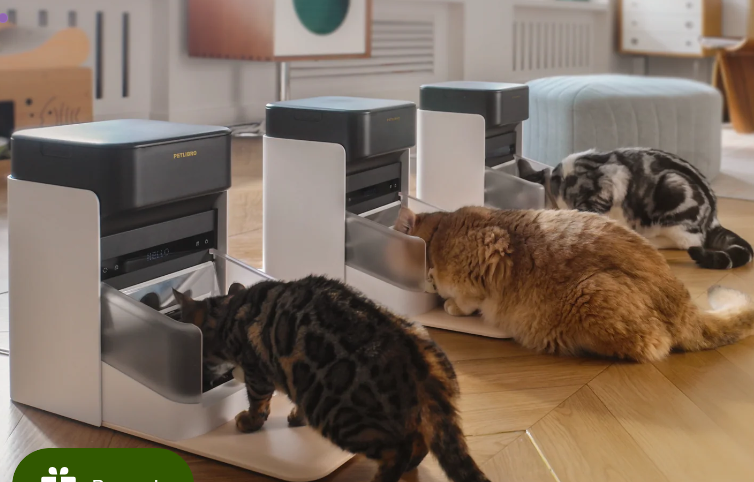
Unlike many tech products that prioritize function over form, Petlibro devices feature minimalist aesthetics suitable for visible placement. The design philosophy recognizes that pet feeders often sit in kitchens and living areas where appearance matters. Clean lines and neutral colors integrate with home décor rather than disrupting it.
This attention to aesthetics differentiates Petlibro from competitors whose products look like they belong in veterinary clinics. For buyers furnishing thoughtfully designed kitchens, the visual integration matters alongside technical performance.
The Hamptons Fit: Weekend House Pet Management
The Hamptons use case represents Petlibro’s ideal customer scenario. Owners maintain primary residences in Manhattan with summer houses on the East End. Pets travel with families but require care when owners are out. Traditional solutions either restrict mobility or create coordination burdens.
Petlibro eliminates these constraints. Morning feeding happens automatically while owners sleep in or swim. Evening meals dispense on schedule regardless of dinner reservation timing. Camera access provides reassurance without requiring physical check-ins. The dog can stay comfortable at the beach house while owners enjoy Sag Harbor without time pressure.
Specific Recommendations for Vacation Homes
For dry food feeders, the Granary offers the best balance of capacity and features. The 5-liter storage accommodates extended weekends without refilling anxiety. WiFi scheduling adjusts to irregular vacation house patterns, where weekday absence differs from weekend presence.
Adding Scout completes the monitoring picture. The ability to verify feeding completion, check water bowl levels, and observe general behavior addresses the background worry that accompanies pet ownership. For hosts managing Polo Hamptons events or similar social obligations, knowing the dog is fine enables present engagement rather than distracted attendance.
Price points range from $80 for basic feeders to $300 for premium configurations including cameras and refrigerated wet food options. The investment compares favorably to pet sitting costs for even a single extended weekend, with ongoing value over years of use.
The Connected Pet Future
Petlibro represents where pet care is heading: technology that maintains routines, provides awareness, and eliminates friction between animal needs and owner lifestyles. The company’s ecosystem approach suggests that individual products will increasingly integrate into comprehensive systems.
For the affluent pet owner who values both their animals and their freedom, this direction resolves a genuine tension. Pets benefit from consistent care regardless of owner location. Owners benefit from reliable systems that reduce worry without requiring constant management.
The 2 AM phone call from the kennel becomes avoidable. Not because pets need less attention, but because technology can provide it more consistently than physical presence alone. The dog eating on schedule in an empty beach house is still someone’s dog. The difference is that someone can now verify the meal happened from anywhere in the world.
Related Articles
- The 2026 Hamptons Discovery Guide: 7 Brands Redefining Coastal Luxury
- The Hamptons Kitchen Upgrade: 10 Heritage Brands Every Summer House Needs
- The 2026 Hamptons Gift Guide: 15 Trending Brands Worth Knowing
Connect With Us
For brand partnerships and feature inquiries: sociallifemagazine.com/contact
Polo Hamptons tickets and sponsorships: polohamptons.com
Subscribe to our newsletter for weekly insider reports on the brands, events, and people shaping Hamptons culture.
Support independent luxury journalism: $5 contribution helps keep this reporting possible.
Author

Written by
Recent Posts

Civil War A24 Cast Net Worth — A24 Bet $50 Million on the End of America and Won

Midsommar A24 Cast Net Worth — The Daylight Horror That Turned Grief Into a Career Launchpad

ZOI NOMAD & TEN11 LOUNGE MARK ONE YEAR

Room A24 Cast Net Worth — The $6 Million Captivity Drama That Set Brie Larson Free

The Witch A24 Cast Net Worth — A $3.5 Million Puritan Nightmare That Created a Queen and a King
Categories
- Art
- Articles
- Beauty & Skincare
- Celebrities
- Celebrities|Movies
- Celebrities|The Chronicles
- Chronicles
- Entertainment|Culture
- Event Photos
- Events
- Fashion
- Fashion & Style
- Featured
- Food & Beverage
- Food, Spirits, Wine
- Hamptons
- Hamptons Celebrities
- Hamptons Celebrities|Celebrities|The Chronicles
- Health
- Health & Beauty
- Lifestyle
- Luxury Lifestyle
- Movies
- Movies|Culture
- Movies|Hamptons Lifestyle
- Press
- Profiles
- Real Estate
- Technology
- The Chronicles
- Travel
- Uncategorized
- Weddings