
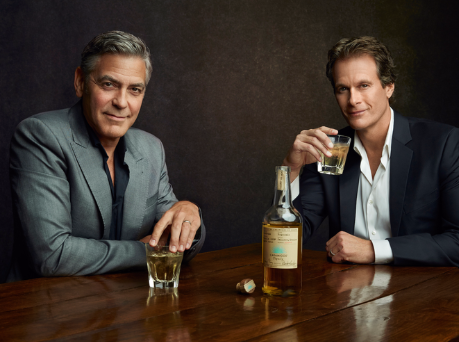
The tequila sold for $1 billion. The movie paid $20 million. George Clooney earned more from his Casamigos exit than from his entire film career combined. This single transaction, orchestrated by Diageo’s strategic acquisition team, illustrates how private equity has fundamentally transformed celebrity wealth creation. The old model—talent earns salary—has been replaced by a new paradigm where celebrities function as brand assets that PE firms acquire, scale, and exit.
Private equity’s entrance into celebrity wealth creation represents the most significant shift in entertainment economics since the studio system collapsed. Understanding how PE operates reveals why some celebrities achieve fortunes their talent alone could never produce.
The Misconception: Celebrities Get Rich from Hollywood Salaries
Traditional celebrity wealth narratives focus on salaries: film fees, music royalties, sports contracts. These income sources remain substantial—A-list actors command $20-30 million per film, top athletes sign contracts worth hundreds of millions. However, these salaries pale compared to PE-enabled wealth creation.
Consider the mathematics. Tom Hanks has earned approximately $400 million over four decades of film work—one of the most successful acting careers in history. George Clooney earned a similar amount from a single tequila sale in 2017. The disparity doesn’t reflect talent differences. It reflects different wealth creation mechanisms.
The Salary Ceiling
Celebrity salaries face inherent limitations. Films take years to produce. Athletes have finite career windows. Musicians can only tour so many dates annually. Even at maximum earning rates, time constraints cap potential accumulation.
Private equity transactions face no such limits. A well-positioned brand sale can generate decades of salary-equivalent returns in a single closing. The celebrities who access PE deal flow operate in a different financial universe than those relying solely on professional earnings.
The Mechanism: How Private Equity Creates Celebrity Wealth
Private equity creates celebrity wealth through several distinct mechanisms. Understanding each reveals the strategic landscape celebrities must navigate.
Strategic Acquisition Premiums
When PE firms or strategic buyers acquire celebrity-attached brands, they pay premiums reflecting strategic value beyond financial fundamentals. Diageo paid $1 billion for Casamigos not because the tequila’s intrinsic value justified that price, but because the brand fit their portfolio strategy and Clooney’s attachment added marketing value.
These strategic premiums routinely exceed 2-3x what financial buyers would pay based purely on revenue multiples. Celebrities who build brands appealing to strategic acquirers capture these premiums. Those building brands only financial buyers want receive lower valuations.
Celebrity Brand Attachment Value
PE firms have learned that celebrity attachment adds quantifiable value to certain brand categories. Spirits, cosmetics, fashion, and lifestyle brands all benefit from celebrity association in ways that justify acquisition premiums.
This recognition has created a market where PE firms actively seek celebrity partnerships for portfolio companies. Rather than just acquiring existing celebrity brands, some PE firms partner with celebrities to create new brands designed for eventual exit—essentially manufacturing celebrity wealth through financial engineering.
Production Company Equity
Hollywood’s shift toward independent production created opportunities for celebrity-owned production companies to capture equity value rather than just producing fees. PE investment in these companies provides capital for production while creating ownership value that can be realized through eventual sale or public listing.
Brad Pitt’s Plan B Entertainment, Margot Robbie’s LuckyChap Entertainment, and similar ventures represent equity positions that compound with each successful production. PE involvement accelerates growth while creating exit pathways unavailable to purely self-funded ventures.
Case Study: Casamigos and the $1 Billion Celebrity Exit
The Casamigos transaction established the template for PE-enabled celebrity wealth creation. Understanding its structure reveals how these deals actually work.
The Origin Story
George Clooney, Rande Gerber, and Mike Meldman created Casamigos initially for personal consumption. They developed a tequila they enjoyed drinking, with no initial commercial ambitions. This origin story—celebrity creates product for personal use, then discovers commercial demand—has become a template for celebrity brand launches.
The authenticity of this origin created marketing value that manufactured celebrity brands lack. Clooney wasn’t hired to promote tequila. He created tequila he wanted to drink. This distinction matters to consumers and to acquirers evaluating brand sustainability.
The Strategic Positioning
As Casamigos grew, the founders made decisions that enhanced acquisition appeal. The brand maintained premium positioning rather than chasing volume, limiting distribution to create scarcity perception while avoiding the over-marketing that might diminish Clooney’s association value.
These choices reduced near-term revenue but enhanced long-term strategic value. Diageo wasn’t buying a tequila company. They were buying a premium brand with celebrity attachment and growth potential. The founders optimized for this outcome rather than maximizing current profits.
The Diageo Transaction
Diageo’s $1 billion acquisition (including earnouts) reflected their assessment that Casamigos could become a major spirits brand under their distribution infrastructure. Clooney’s continued involvement added marketing value. The premium price point fit Diageo’s portfolio strategy.
The structure—$700 million at closing plus $300 million in performance-based earnouts—aligned founder and acquirer interests. The founders retained incentive to support brand growth post-acquisition. Diageo protected against overpayment if growth disappointed.
Case Study: Ryan Reynolds’s PE-Enabled Exit Strategy
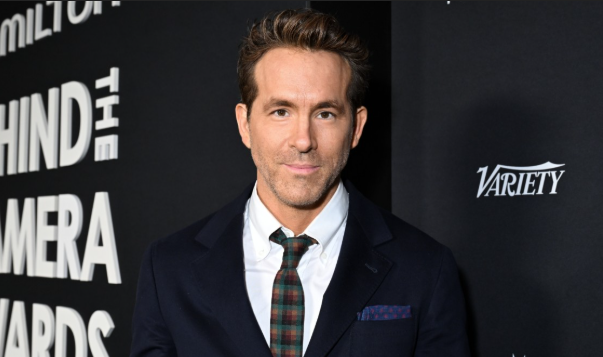
Ryan Reynolds has executed multiple PE-enabled exits that demonstrate sophisticated understanding of how celebrity brands create acquisition value.
Aviation Gin: The Playbook Development
Reynolds’s Aviation Gin investment in 2018 represented calculated positioning for PE exit rather than lifestyle entrepreneurship. He acquired a significant stake in an existing craft gin brand, then deployed his marketing capabilities to accelerate growth.
His viral advertising campaigns—often featuring self-deprecating humor and meta-commentary on celebrity endorsements—created brand awareness disproportionate to marketing spend. This efficiency attracted acquirer attention. Diageo, already owning Casamigos, recognized the value of celebrity-attached spirits brands.
The Diageo Exit
Diageo’s acquisition of Aviation Gin for up to $610 million validated Reynolds’s strategy. His stake generated approximately $275 million in proceeds—returns exceeding what decades of film work might have provided.
The transaction structure again included performance earnouts, aligning Reynolds’s interests with continued brand growth. His ongoing involvement—creating advertisements, maintaining public association—remained valuable to Diageo post-acquisition.
Mint Mobile: Replicating Success
Reynolds applied identical strategy to Mint Mobile, the budget wireless carrier. His ownership stake and marketing involvement transformed a small carrier into an acquisition target. T-Mobile’s $1.35 billion purchase in 2023 generated approximately $300 million for Reynolds.
The pattern reveals sophisticated PE thinking: identify undervalued brands where celebrity attachment adds disproportionate value, acquire equity positions, deploy marketing capabilities to accelerate growth, then exit to strategic buyers at premium valuations.
Case Study: Dwayne Johnson’s Teremana and Seven Bucks
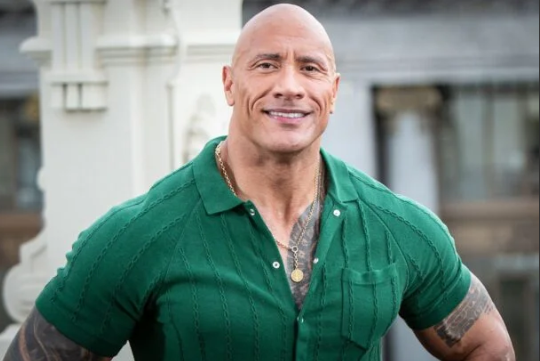
Dwayne Johnson’s $800 million fortune emerged from applying PE principles across multiple ventures simultaneously.
Teremana Tequila
Johnson launched Teremana tequila in 2020, explicitly following the Casamigos playbook. Premium positioning, authentic origin story (emphasizing his connection to his grandmother’s culture), and strategic distribution created rapid growth.
Teremana reportedly sold over 600,000 cases in its first year—faster growth than Casamigos achieved. Industry analysts speculate the brand could command valuations exceeding $1 billion in potential acquisition scenarios.
Unlike Clooney, Johnson hasn’t yet exited Teremana. He may be optimizing for even larger eventual sale by continuing to build scale. Alternatively, he may prefer ongoing ownership to liquidity event. The strategic optionality itself represents PE-style thinking.
Seven Bucks Productions
Johnson’s Seven Bucks Productions, co-founded with Dany Garcia, functions as a PE-style production company. Rather than Johnson accepting acting fees for individual projects, Seven Bucks packages content with Johnson attached, capturing producer equity alongside talent compensation.
This structure means Johnson participates in production profits, not just salary. Successful projects compound Seven Bucks’s value as an ongoing enterprise. The company could eventually attract PE investment or acquisition, creating liquidity beyond what acting careers typically provide.
Case Study: Brad Pitt’s Plan B Entertainment
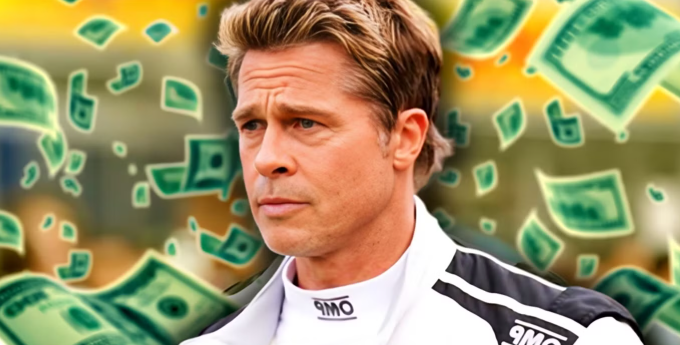
Brad Pitt’s Plan B Entertainment represents the production company model’s full maturation, demonstrating how PE principles applied to content creation build substantial equity value.
From Vanity Label to Real Studio
Plan B evolved from typical “vanity production label” (celebrity name on projects they star in) to legitimate studio producing content regardless of Pitt’s acting involvement. This transition transformed Plan B from marketing device to valuable equity asset.
Plan B has produced Academy Award-winning films including 12 Years a Slave, Moonlight, and The Departed. These productions generated profits independent of Pitt’s acting fees. The accumulated track record creates enterprise value assessable to acquirers.
The Equity Accumulation
Unlike actors who earn per-project fees that end when projects complete, Pitt accumulated equity through Plan B’s portfolio. Each successful production added to company value. This compounding effect means Plan B’s value today reflects decades of production decisions, not just current projects.
Plan B hasn’t been sold, but comparable production company transactions suggest valuations could reach hundreds of millions. This equity represents wealth Pitt accumulated beyond his $400 million in career acting earnings.
Case Study: Margot Robbie’s LuckyChap Entertainment
Margot Robbie’s LuckyChap Entertainment demonstrates how younger generation celebrities apply PE principles from career outset.
Strategic Foundation
Robbie founded LuckyChap in 2014, relatively early in her film career. This timing was strategic—establishing production capability while her visibility and credibility were rising, not after they peaked.
LuckyChap focuses on female-driven content, creating differentiated positioning in a market often criticized for underrepresenting women’s stories. This differentiation creates strategic value for acquirers seeking to address diversity criticisms.
Barbie and Beyond
LuckyChap produced Barbie, the highest-grossing film of 2023 with over $1.4 billion in global box office. Robbie’s producer position meant she participated in backend profits beyond her acting compensation—potentially $50 million or more according to industry estimates.
This single production substantially increased LuckyChap’s enterprise value. A production company capable of delivering billion-dollar hits attracts serious acquirer interest. Robbie’s $80 million net worth likely underestimates value she’s accumulated through LuckyChap equity.
The PE Perspective: Why Firms Value Celebrity Brands
Understanding why PE firms pay premiums for celebrity-attached assets reveals strategic opportunities celebrities can exploit.
Built-In Marketing Infrastructure
Celebrity-attached brands come with marketing infrastructure that would cost millions to replicate. Social media followings, earned media relationships, and cultural relevance all provide marketing leverage that reduces customer acquisition costs.
PE firms calculating acquisition prices factor in avoided marketing spend. A brand requiring $50 million in annual marketing to achieve equivalent awareness effectively provides $50 million in annual value through celebrity attachment.
Premium Pricing Sustainability
Celebrity attachment often supports premium pricing that commodity brands cannot sustain. Consumers pay more for products associated with celebrities they admire. This pricing power protects margins even as competition intensifies.
PE firms value margin protection highly. Brands with sustainable pricing power generate predictable cash flows suitable for leveraged acquisition structures. Celebrity attachment provides this protection in ways generic brands cannot.
Category Expansion Potential
Celebrity brands often possess expansion potential into adjacent categories. A successful celebrity spirits brand might extend into ready-to-drink cocktails, mixers, or bar equipment. Each expansion opportunity represents growth that justifies acquisition premium.
PE firms excel at identifying and executing category expansions. Their expertise combined with celebrity brand equity creates growth potential neither party could achieve independently.
The Patterns: What Makes Celebrity Brands PE-Attractive
Analyzing successful PE-celebrity transactions reveals patterns that predict acquisition interest and valuation premiums.
Authentic Origin Stories
Brands with genuine celebrity creation stories outperform those where celebrities were hired as spokespeople. Clooney actually created Casamigos for personal use. Reynolds genuinely enjoys marketing products. Johnson connects Teremana to his heritage. Authenticity creates brand durability that manufactured associations lack.
Premium Positioning
Celebrity brands succeeding with PE attract premium market positioning. Mass-market celebrity products face price competition that erodes margins. Premium positioning protects profitability that PE acquisition models require.
Scalability Without Celebrity Dependency
The best celebrity brands can scale without requiring celebrity involvement in every transaction. Casamigos sells whether Clooney appears in advertisements or not. This independence protects acquirers from celebrity availability risk while preserving association value.
Strategic Fit Potential
Celebrity brands fitting strategic acquirer portfolios command premium valuations. Casamigos fit Diageo’s premium spirits strategy. Aviation Gin fit similar needs. Celebrities building brands should consider potential acquirer fit from inception.
The Playbook: Positioning for PE Exits
For celebrities contemplating brand ventures, specific strategies optimize for PE exit value.
Build for Acquirers, Not Just Consumers
Consider potential acquirer priorities from brand inception. What strategic holes might your brand fill? Which categories attract PE interest? What positioning creates acquisition appeal beyond current financial performance?
Maintain Strategic Optionality
Structure ownership and operations to preserve multiple exit paths. Exclusive deals with strategic partners may limit future options. Retain flexibility to approach different acquirer types as market conditions evolve.
Demonstrate Scalability
PE acquirers pay for growth potential, not just current performance. Demonstrate that brand can scale beyond current size through geographic expansion, category extension, or distribution widening. Scalability justifies premium valuations.
Professionalize Operations
PE firms acquire businesses, not celebrity side projects. Professional management, clean financials, and scalable operations all increase acquisition appeal. Invest in corporate infrastructure that sophisticated acquirers expect.
Time Exits Strategically
PE markets cycle. Valuations peak when capital is abundant and competition for deals is high. Monitor PE market conditions when considering exit timing. Selling during capital abundance generates higher valuations than distressed exits.
The Future: PE and Celebrity Wealth Creation
Private equity involvement in celebrity wealth creation will likely intensify. Several trends support this prediction.
PE firms increasingly view celebrity attachment as value creation lever. Expect more partnerships where PE provides capital and celebrities provide brand credibility from project inception. These manufactured celebrity brands may rival organically developed ones.
Celebrity awareness of PE opportunities continues spreading. Younger celebrities entering markets understand PE potential that previous generations discovered accidentally. This awareness will increase competition for PE partnerships and potentially reduce individual opportunity value.
Strategic acquirer categories may expand. Currently, spirits, cosmetics, and lifestyle brands dominate celebrity PE exits. New categories—wellness, gaming, media—may develop similar dynamics, creating fresh opportunities.
The Bottom Line: PE Changed the Game
Private equity transformed celebrity wealth creation from salary accumulation to equity compounding. The celebrities who understand this transformation—Clooney, Reynolds, Johnson, Pitt, Robbie—have built fortunes their talent alone could never produce.
The tequila sold for $1 billion. The movie paid $20 million. This disparity will define celebrity wealth creation for the foreseeable future. Celebrities who learn PE’s language, build PE-attractive brands, and time exits strategically will capture fortunes. Those relying solely on professional earnings will remain merely wealthy while peers become genuinely rich.
Private equity didn’t just change how celebrities make money. It changed how much money celebrities can make. Understanding this change is no longer optional for anyone serious about building celebrity-scale wealth.
Related Articles
- George Clooney Net Worth 2025: The Casamigos Exit That Built a $500 Million Empire
- Ryan Reynolds Net Worth 2025: Serial Exits and the $350 Million Playbook
- Brad Pitt Net Worth 2025: Plan B and the $400 Million Production Empire
- Margot Robbie Net Worth 2025: From Farm Girl to $80 Million LuckyChap Founder
For features, advertising partnerships, and editorial inquiries, visit sociallifemagazine.com/contact. Experience the Hamptons’ premier polo events at polohamptons.com. Subscribe to our print edition for exclusive Hamptons coverage delivered to your door. Support independent luxury journalism with a $5 contribution to Social Life Magazine.
Author

Written by
Recent Posts

Civil War A24 Cast Net Worth — A24 Bet $50 Million on the End of America and Won

Midsommar A24 Cast Net Worth — The Daylight Horror That Turned Grief Into a Career Launchpad
ZOI NOMAD & TEN11 LOUNGE MARK ONE YEAR

Room A24 Cast Net Worth — The $6 Million Captivity Drama That Set Brie Larson Free

The Witch A24 Cast Net Worth — A $3.5 Million Puritan Nightmare That Created a Queen and a King
Categories
- Art
- Articles
- Beauty & Skincare
- Celebrities
- Celebrities|Movies
- Celebrities|The Chronicles
- Chronicles
- Entertainment|Culture
- Event Photos
- Events
- Fashion
- Fashion & Style
- Featured
- Food & Beverage
- Food, Spirits, Wine
- Hamptons
- Hamptons Celebrities
- Hamptons Celebrities|Celebrities|The Chronicles
- Health
- Health & Beauty
- Lifestyle
- Luxury Lifestyle
- Movies
- Movies|Culture
- Movies|Hamptons Lifestyle
- Press
- Profiles
- Real Estate
- Technology
- The Chronicles
- Travel
- Uncategorized
- Weddings