
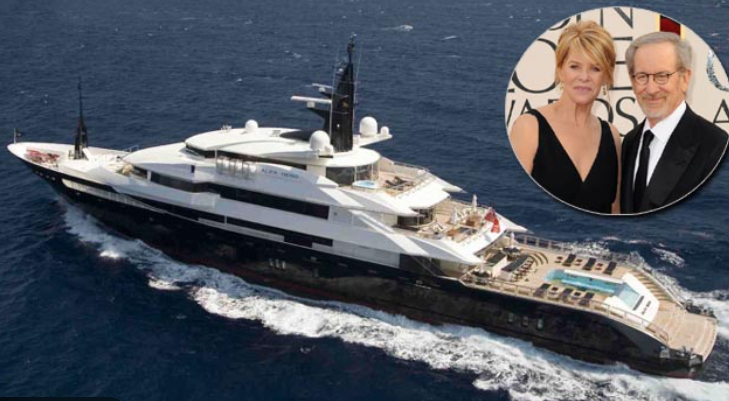
At a recent Southampton dinner party, three guests shared a table: combined net worth exceeding $15 billion. None of them had appeared on screen in decades. All of them still collect checks from work completed before most attendees were born. This is the $10B Club, and their wealth operates on entirely different financial physics than the celebrities who fill tabloid pages.
The Richest Hollywood Billionaires Aren’t Who You Think
When Forbes publishes its annual celebrity earnings list, the names at the top are usually actors, athletes, and musicians. But earnings and wealth are fundamentally different concepts. The highest-paid actor in history accumulated perhaps $600 million over a 30-year career of grueling work. The producer who owned that actor’s franchise catalog is worth $5 billion and hasn’t worked in years.
Consider the math. Tom Hanks, one of the most successful actors ever, is worth approximately $400 million after four decades of iconic performances. Steven Spielberg, who directed Hanks in several films, is worth $7.1 billion. The difference isn’t talent or fame. The difference is ownership structure.
Entertainment’s true billionaires understood something their peers didn’t: the moment you stop trading time for money and start owning assets that generate money without your time, you’ve crossed from wealthy to dynastic. Here’s how the $10B Club actually made their fortunes.
The Wealth Architecture of Entertainment Billionaires
Traditional celebrity wealth follows a predictable pattern. Work hard, get paid per project, accumulate fees over a career, retire with $20-100 million. Respectable. Not transformational.
The billionaire path looks entirely different. Create something valuable, negotiate ownership of what you created, license that ownership to others, sell the ownership to institutional buyers, invest the proceeds into diversified assets, and watch it compound for generations. This isn’t a career. It’s an empire.
| Mogul | Net Worth 2025 | Primary Wealth Engine | Annual Passive Income |
|---|---|---|---|
| Steven Spielberg | $7.1B | Universal backend, Amblin Partners | $100M+ |
| George Lucas | $5.3B | Disney acquisition, merchandising | $50M+ (dividends) |
| Oprah Winfrey | $3.2B | Harpo library, OWN equity | $75M+ |
| Tyler Perry | $1.4B | Studio ownership, BET+ deal | $100M+ |
| Jerry Bruckheimer | $1B | Production backend, TV syndication | $40M+ |
Notice what’s missing from this table: acting credits, directing fees, or any form of labor-based compensation. Every wealth engine listed is an ownership position that generates returns whether these individuals work or not. That’s the fundamental divide between celebrity wealth and mogul wealth.
How Ownership Beats Talent Every Time
George Lucas accepted a smaller directing fee for the original Star Wars in exchange for merchandising rights. 20th Century Fox executives thought they’d negotiated brilliantly, saving money on an untested director’s passion project. Lucas was thinking 50 years ahead. Those merchandising rights generated over $500 million before he sold Lucasfilm to Disney for $4.05 billion in stock.
Spielberg negotiated something even more audacious: a perpetual 2% cut of Universal theme park gross receipts. Every time someone rides a Jurassic World coaster or walks through the Wizarding World of Harry Potter, Spielberg gets paid. That single contract clause generates over $100 million annually. He hasn’t directed a Universal film in years.
Oprah’s defining negotiation came in 1988, when she convinced ABC to let her own The Oprah Winfrey Show through her production company Harpo. At the time, talk show hosts didn’t own their shows. Networks owned everything. Oprah saw the future: that library of episodes would be worth billions in syndication long after the show ended production.
Why the Richest Hollywood Billionaires Choose the Hamptons
The Hamptons serve a specific function for entertainment’s billionaire class that differs from both their Los Angeles production bases and their Manhattan business offices. Out here, they’re not working. They’re not dealing. They’re positioning.
Spielberg’s Southampton estate isn’t just a summer home. It’s a node in a network that connects Hollywood money to East Coast establishment. The dinner parties, the charity galas, the Hamptons International Film Festival screenings all serve as soft power infrastructure. Deals get discussed. Relationships get maintained. The next generation gets introduced to the right people.
Tyler Perry’s East Hampton presence signals something specific: he’s not just successful in Atlanta, he’s accepted in the rooms that have historically excluded Black billionaires. Jerry Bruckheimer’s Southampton circuit appearances connect him to the finance types who fund major productions. The Hamptons function as neutral territory where entertainment, finance, and old money can interact without the transactional pressure of Los Angeles.
The Deal Structures Behind Media Mogul Wealth
Understanding how entertainment billionaires actually make money requires looking beyond the obvious. Here are the deal structures that separate billion-dollar fortunes from million-dollar careers:
Backend Participation: Negotiating points on a film’s profits. But “net points” are famously worthless due to creative studio accounting. The smart money demands gross participation, a percentage of revenue before expenses. Spielberg’s Universal deal is gross participation. That’s why it actually pays.
Library Ownership: Owning the masters, whether that’s film negatives, television episodes, or music recordings. Libraries appreciate over time and generate licensing revenue forever. Oprah’s Harpo library is worth more today than when the show was on air.
Studio Equity: Moving from producer to studio owner. Tyler Perry didn’t just produce content for BET+. He negotiated an ownership stake in the platform itself. When the platform succeeds, he succeeds disproportionately.
Ancillary Rights: Merchandising, theme park licensing, video game adaptations, stage show rights. Lucas’s fortune came primarily from ancillary rights that studios considered throwaway assets in the 1970s.
The Compounding Effect of Ownership Wealth
Career earnings are linear. Work a year, get paid for a year. Stop working, stop earning. Ownership wealth compounds. Own an asset that generates $10 million annually, reinvest those returns into other appreciating assets, and in 30 years you’re worth billions without additional effort.
Lucas took Disney stock instead of cash for the Lucasfilm sale. That stock has appreciated significantly since 2012 and pays dividends. His wealth grew while he was building museums and raising children, not making movies.
Spielberg’s theme park royalties fund investments across real estate, technology, and private equity. Those investments generate their own returns, which fund additional investments. The machine runs itself.
This is why the richest Hollywood billionaires in 2025 aren’t the ones still grinding out projects. They built their machines decades ago. Now they’re brunching in Bridgehampton while the royalty checks direct deposit.
What the $10B Club Understands About Wealth
After analyzing how entertainment’s richest built their fortunes, clear patterns emerge. Ownership beats employment, always. The studio will always undervalue future optionality because executives are measured on quarterly results, not 30-year asset appreciation. Perpetuity matters more than percentage. A small cut of something forever is worth more than a large cut of something once. Take stock, not cash. Equity in an appreciating entity beats a one-time payment every time. Build the machine, then let it run. The goal isn’t to work forever. It’s to build something that works without you.
These aren’t secrets. They’re just principles that most people in entertainment ignore because they’re focused on the next project instead of the permanent structure.
The New Generation of Entertainment Billionaires
The playbook isn’t closed. Reese Witherspoon applied these principles when she built Hello Sunshine and sold it for $900 million. Ryan Reynolds structured his Aviation Gin and Mint Mobile deals as equity plays, not endorsements. The creator economy is producing a new generation of moguls who understand that content creation is just credentialing. Ownership is where wealth lives.
The next $10B Club member is probably building right now, negotiating ownership instead of fees, thinking about 30-year asset appreciation instead of next quarter’s paycheck. They might be at a Hamptons dinner party this summer, listening carefully to how the current billionaires talk about their early deals.
Inside the Hamptons Social Infrastructure
The Hamptons film festival circuit serves as more than cultural programming. It’s deal-flow infrastructure disguised as entertainment. When Spielberg attends a HIFF screening, he’s not just supporting cinema. He’s in a room with East Coast money that might fund his next project or invest in his next venture.
The charity gala circuit operates similarly. These events are sorting mechanisms that identify who belongs in which rooms. Show up consistently, donate generously, and doors open. The $10B Club didn’t build their wealth in isolation. They built relationships that created opportunities, and those relationships are maintained in places like Southampton and East Hampton.
For sophisticated readers considering their own wealth architecture, the lesson isn’t to start attending film festivals. It’s to identify the equivalent infrastructure in your own industry. Where do the owners gather? What events sort for seriousness versus celebrity? How do you position yourself in rooms where deals actually happen?
The Bottom Line on Hollywood’s Richest
The richest Hollywood billionaires of 2025 didn’t get there by being the most talented.They got there by understanding that entertainment is an asset class, not just an industry. Ownership got negotiated when everyone else negotiated fees. Decades became the planning horizon when everyone else thought in projects. The machines they built generate wealth without their daily involvement.
The next time you’re at a Hamptons dinner party and someone mentions they work in entertainment, ask the right question. Don’t ask what they’re working on. Ask what they own. The answer will tell you exactly which table they belong at.
Related Reading
- Steven Spielberg Net Worth 2025: $7.1B in Dream Factory Dividends
- George Lucas Net Worth 2025: The $5.3B Skywalker Stack
- Oprah Winfrey Net Worth 2025: How $3.2B Was Built on Ownership
- How Media Moguls Build Billion-Dollar Empires
Connect With Social Life
For features, partnerships, and advertising inquiries: sociallifemagazine.com/contact
Join us at Polo Hamptons for the season’s most anticipated events: polohamptons.com
Subscribe to our newsletter for insider access to Hamptons culture, real estate, and social intelligence.
Author

Written by
Recent Posts
Behind the Scenes of Weddings Involving Long-Distance Relationships
Why Karaoke Is the Ultimate Entertainment Choice for a Hen Party
Easy Recipes That Feed A Crowd Without The Stress
The Influence Of Social Media On Interior Style Trends
Where Can You Find the Best Made-to-Measure Bespoke Suits in NYC
Categories
- Art
- Articles
- Beauty & Skincare
- Celebrities
- Celebrities|Movies
- Celebrities|The Chronicles
- Chronicles
- Entertainment|Culture
- Event Photos
- Events
- Fashion
- Fashion & Style
- Featured
- Food & Beverage
- Food, Spirits, Wine
- Hamptons
- Hamptons Celebrities
- Hamptons Celebrities|Celebrities|The Chronicles
- Health
- Health & Beauty
- Lifestyle
- Luxury Lifestyle
- Movies|Culture
- Movies|Hamptons Lifestyle
- Press
- Profiles
- Real Estate
- Technology
- The Chronicles
- Travel
- Uncategorized
- Weddings