
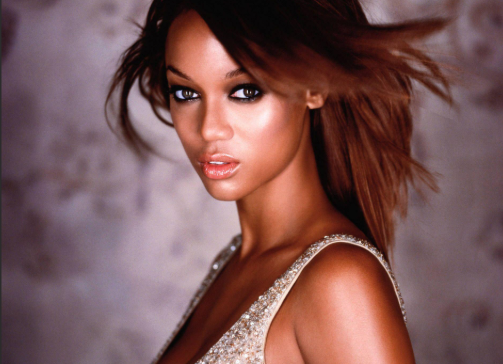
The moment that changed everything wasn’t on a runway. It was in a conference room in 2003, when Tyra Banks pitched a television show that would turn unknown girls into supermodels. Every network passed. The concept seemed backwards. Why would a working supermodel create her own competition?
Banks understood something the executives missed. Her modeling career had a shelf life. Her ability to identify, shape, and monetize the next generation of talent didn’t. When UPN finally said yes to America’s Next Top Model, they weren’t buying a reality show. They were investing in the most sophisticated brand reinvention in fashion history.
Today, Tyra Banks’s net worth stands at approximately $90 million. The number underrepresents her influence. She didn’t just build wealth. She invented a playbook that every model-turned-mogul has studied since.
The Myth vs. The Mechanics
The cultural story of Tyra Banks centers on visibility. First Black woman on the cover of GQ. The first African American Victoria’s Secret Angel. The first supermodel to create and host her own talk show. Real firsts. Significant ones. Also the surface narrative.
What the Firsts Obscured
Underneath the pioneering moments, Banks was executing a systematic transition from talent to owner. Most models experience their careers as employees. They show up, they get paid, they leave. Banks treated every job as market research for something bigger.
Her Victoria’s Secret contract, reportedly worth $10 million during her peak years, gave her more than income. It provided a laboratory. She studied how the brand built anticipation around the annual fashion show. The Angels converted runway moments into endorsement leverage—she watched, took notes.
The Decision to Kill the Model
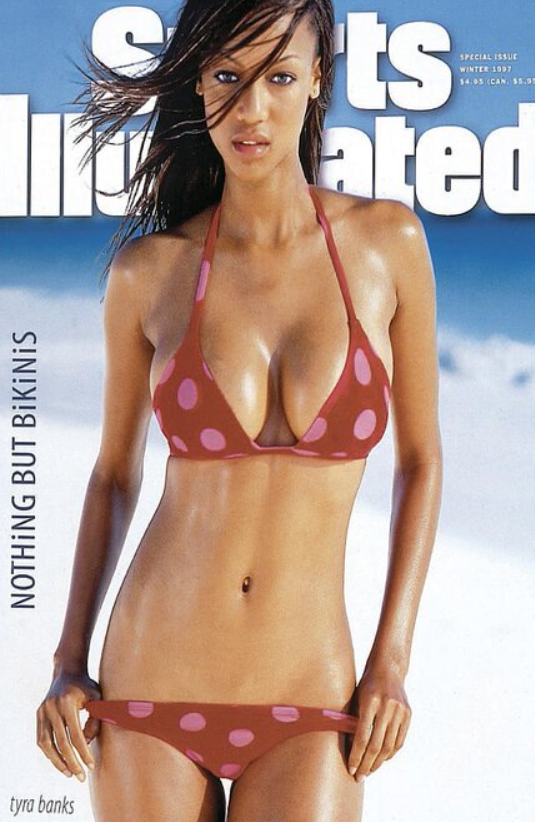
In 2005, Banks made a decision that confused the industry. She stopped modeling entirely. At 31, she could have continued booking campaigns for another decade. Instead, she announced her retirement and focused exclusively on television.
Critics called it premature. Banks knew it was strategic. The model version of Tyra Banks had reached maximum value. Continuing would mean diminishing returns, the slow fade every aging model experiences. By killing her model self decisively, she created space for a new entity: Tyra the media mogul.
The Leverage Moment: Ownership Over Appearance
America’s Next Top Model premiered in May 2003. The show ran for 24 seasons across UPN and The CW, making it one of the longest-running reality competition series in television history. Banks wasn’t just the host. She was an executive producer with equity in the format.
The Economics of ANTM
Understanding ANTM’s financial structure explains Banks’s wealth trajectory. As creator and executive producer, she earned fees beyond her on-camera salary. When the show sold internationally to over 130 countries, she participated in that revenue. When spin-offs launched in Britain, Australia, and elsewhere, her format ownership generated additional income.
According to Forbes, ANTM generated over $2 billion in global revenue during its run. Banks’s percentage of that figure, combined with her salary, reportedly netted her $30 million annually at the show’s peak.
The Talk Show Expansion
The Tyra Banks Show launched in 2005, running for five seasons. While critics dismissed it as another celebrity vanity project, Banks used the platform strategically. The talk show kept her face on screens daily, maintaining the visibility that made her valuable to advertisers, without requiring her to compete with younger models.
Furthermore, the show expanded her audience beyond fashion enthusiasts. She became known to suburban women who’d never bought Vogue. This broader recognition would prove valuable when she launched consumer products.
The Compounding Strategy: How Television Built Everything Else
Banks’s wealth didn’t come from a single source. She constructed an ecosystem where each platform supported the others. ANTM established her authority in the modeling industry. That authority made her credible as a talk show host. Talk show visibility supported her cosmetics ventures. Cosmetics revenue funded new television development.
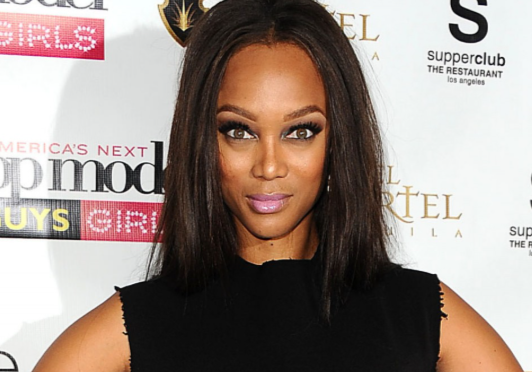
Bankable Productions
Her production company, Bankable Productions, extended beyond her own shows. The company developed content for multiple networks, creating revenue streams that didn’t require Banks’s on-screen presence. This represented the ultimate leverage. She’d converted her personal brand into an institution that could generate value independently.
Meanwhile, Banks invested in education, graduating from Harvard Business School’s Owner/President Management program in 2012. The degree wasn’t for credentialing. She wanted frameworks for scaling the business she’d already built.
The Stanford Connection
Her lectures at Stanford Graduate School of Business positioned her as a thought leader in personal branding. This academic legitimacy attracted a different class of business opportunities. Corporate speaking fees, advisory roles, and investment opportunities followed.
As Bloomberg documented, Banks began taking equity positions in beauty and fashion startups during this period. Her ANTM platform gave her early access to emerging talent and trends, creating an information advantage most investors lacked.
The Empire Architecture: What Tyra Actually Owns
Banks’s net worth comprises several distinct asset categories. Understanding the breakdown reveals how deliberately she constructed her financial position.
Intellectual Property
Her format ownership in ANTM and related properties represents ongoing value. When VH1 revived the show, Banks participated as creator. Any future iterations, international versions, or derivative content generate payments to her estate of intellectual property.
This differs fundamentally from modeling income. A runway appearance pays once. A format can pay forever.
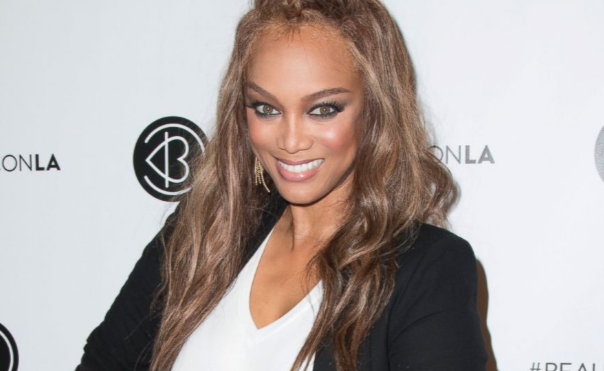
SMiZE Cream and Consumer Ventures
Banks launched SMiZE Cream, an ice cream brand, in 2021. The venture reflects her evolution from personal brand to product entrepreneur. Unlike a model endorsing ice cream, Banks owns the company. The difference in long-term economics is substantial.
Her cosmetics investments, including positions in beauty tech companies, further diversify her portfolio. Industry observers note her focus on companies that serve demographics underrepresented by traditional beauty brands, a market she identified through ANTM’s diverse casting.
Real Estate Holdings
Banks owns properties in Los Angeles and has maintained investment properties throughout her career. Her Pacific Palisades home, purchased for $3.2 million and renovated extensively, represents both personal residence and appreciating asset.
For comparison, readers can explore Heidi Klum’s approach to building television equity, which followed a different but equally strategic path.
The Hamptons Connection: Where Media Power Summers
Banks’s presence in Hamptons social circles reflects her position in the media industry rather than the fashion world. She attends events as a producer and entrepreneur, not as a model seeking bookings.
The Guest List Position
Her appearances at East End benefits and private gatherings connect her to the entertainment executives and investors who fund television production. The Hamptons function as a deal-making environment for her industry, and Banks navigates it as an operator rather than talent.
This positioning matters. Models get invited to parties. Producers get invited to conversations about money. Banks made the transition completely, which explains why her net worth continued growing long after her last campaign.
Media Industry Summers
The convergence of fashion, media, and finance in the Hamptons during summer months creates opportunities Banks has leveraged throughout her career. Events covered by Social Life Magazine regularly feature the entertainment industry figures who greenlight the projects Banks develops.
Understanding this ecosystem helps explain why her business relationships continue expanding. The Hamptons aren’t just a vacation destination. For someone at Banks’s level, they’re a satellite office.
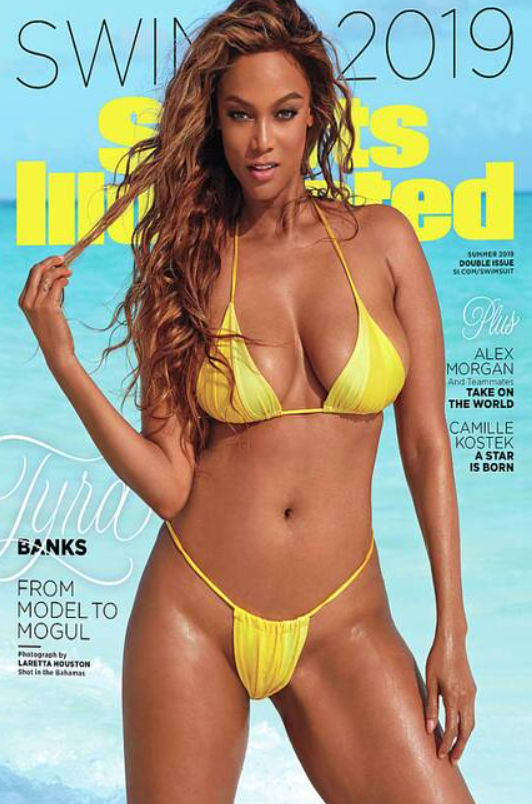
The Reinvention Engine’s Ongoing Operation
At 51, Banks continues developing new ventures. Her ModelLand immersive experience, despite pandemic-related setbacks, represented an attempt to convert her ANTM format into physical entertainment. The business closed, but the entrepreneurial instinct remains active.
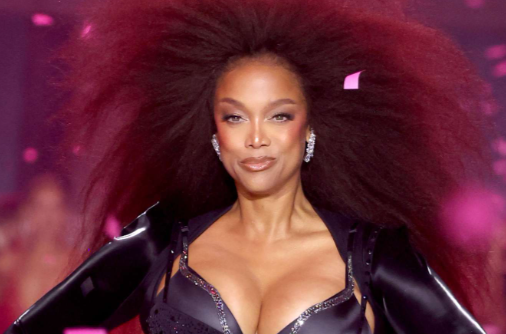
Her recent return to hosting Dancing with the Stars demonstrated that her on-camera value persists when strategic. She didn’t need the job financially. She took it to maintain visibility for other ventures.
The teenager who became a Victoria’s Secret Angel couldn’t have predicted building a $90 million empire. Then again, Banks wasn’t operating on prediction. She was operating on the understanding that her image, properly leveraged, could generate returns that her body never could.
The model who walked Victoria’s Secret runways was always temporary. The mogul who owned the format, the format that trained the next generation of models, that version of Tyra Banks was designed to compound forever.
Those curious about alternative approaches to modeling-to-business transitions should examine Kathy Ireland’s $500 million licensing empire.
Related Articles
- Heidi Klum Net Worth 2025: Project Runway and the Art of Television Equity
- Naomi Campbell Net Worth 2025: The Gatekeeper’s Fortune
- Iman Net Worth 2025: Dignity as Capital
For features and advertising inquiries, visit sociallifemagazine.com/contact. Experience luxury events at Polo Hamptons. Subscribe to our print edition or join our email list for insider access to Hamptons lifestyle coverage.
Author

Written by
Recent Posts
7 Tips For Designing Educational YouTube Thumbnails That Make Students Want to Click
Small Safety Upgrades That Gave Me Peace of Mind at Home

Winter at Villa Viesca
A Modern Table, Rooted in the North Shore

What White Lotus Taught Us About the Way We Vacation Now
Categories
- 2025 Social Life Events
- Access to Digital + Physical Magazine
- Art
- Articles
- Beauty & Skincare
- Beauty & Wellness
- Business Strategy
- Celebrities
- Chronicles
- Event Photos
- Events
- Family
- Fashion
- Fashion & Style
- Featured
- Food & Beverage
- Food, Spirits, Wine
- Hamptons
- Hamptons Celebrities
- Health
- Health & Beauty
- Home & Design
- Home & Living
- Lifestyle
- Luxury Lifestyle
- Press
- Profiles
- Real Estate
- Technology
- The Chronicles
- Travel
- Trending
- Uncategorized
- Weddings
- Wellness