
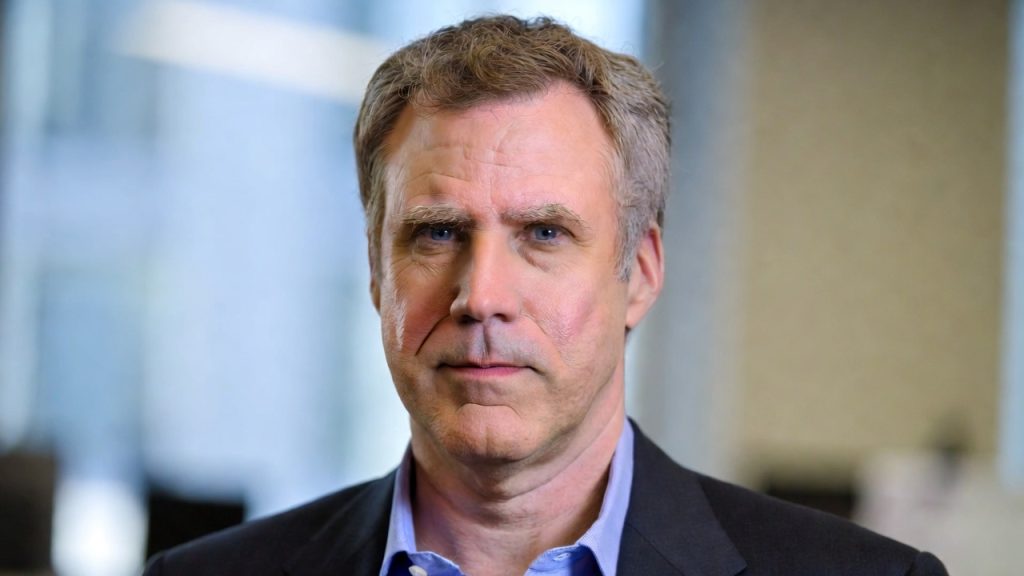
Anchorman made the studio $100 million. The sequel made him an owner. SNL was the credential. Gary Sanchez was the wealth event. He co-founded a digital comedy company before YouTube existed. Then sold it.
Estimated Net Worth 2025: $200 Million
Will Ferrell’s net worth traces a different path than his comedy contemporaries. Where Seinfeld built wealth through syndication and Sandler through streaming deals, Ferrell constructed his fortune through production company ownership, digital media pioneering, and strategic diversification into sports ownership.
His Saturday Night Live years created the credential. His film career created the income. But Gary Sanchez Productions, Funny or Die, and LAFC ownership created the wealth. Understanding Will Ferrell net worth means understanding how comedic talent converts into business assets that compound independently of performance labor.
Quick Facts: Will Ferrell
- Full Name: John William Ferrell
- Born: July 16, 1967 (Irvine, California)
- Primary Residence: New York City
- Production Company: Gary Sanchez Productions (co-founded 2006)
- Digital Venture: Funny or Die (co-founded 2007)
- Sports Ownership: LAFC (Los Angeles Football Club)
- SNL Years: 1995-2002
- Spouse: Viveca Paulin (married 2000)
The Gary Sanchez Production Model
In 2006, Will Ferrell and Adam McKay founded Gary Sanchez Productions. The name referenced the former New York Yankees catcher in a characteristically absurdist choice. The structure represented something far more serious: ownership of the content machine rather than mere participation in it.
Gary Sanchez produced Anchorman 2, Step Brothers, Talladega Nights, The Other Guys, and dozens of other projects. On each, Ferrell captured not just acting fees but producer credits and backend participation. The production company transformed individual projects into portfolio investments.
According to Variety reporting on production economics, producer credits on successful comedies can generate two to five times the value of starring roles alone. Ferrell’s consistent producer positioning across his major films multiplied his effective compensation on each project.
The McKay partnership brought complementary skills. McKay handled directing and script development. Ferrell brought star power and creative input. Together they created a factory for a specific type of comedy that audiences reliably supported.
Will Ferrell Net Worth: The Complete Picture
| Revenue Period | Source | Estimated Earnings |
|---|---|---|
| 1995-2002 | Saturday Night Live Era | $10 million |
| 2003-2010 | Comedy Film Peak (acting + producing) | $80+ million |
| 2006-Present | Gary Sanchez Productions Revenue Share | Ongoing percentage |
| 2007-2018 | Funny or Die Equity + Exit | Exit value realized |
| 2010-Present | Brand Partnerships (GM, others) | $20+ million |
| Ongoing | Residuals and Licensing | $5+ million/year |
| 2014-Present | LAFC Ownership Stake | Appreciation TBD |
The table reveals wealth sources that extend far beyond traditional acting compensation. Production ownership, digital media equity, brand partnerships, and sports investments create a diversified portfolio that generates returns independent of Ferrell’s on-screen appearances.
The Funny or Die Innovation
In 2007, Ferrell and McKay co-founded Funny or Die, a comedy website that pioneered digital video content before YouTube dominated entertainment. The launch video, “The Landlord,” featured Ferrell opposite a toddler in a profanity-laced confrontation. It accumulated over 80 million views and established the platform’s viral potential.
The Timing: Funny or Die launched when digital comedy meant webcams and low production values. Ferrell and McKay bet that professional comedy could thrive online. The bet proved correct before most Hollywood players understood the opportunity.
The platform attracted A-list talent creating original content. Politicians used it for humanizing appearances. Brands sponsored content that reached demographics traditional advertising couldn’t access. The business model evolved from viral videos to branded content to full production services.
Ferrell and McKay sold a majority stake in Funny or Die, realizing an equity event that converted their early vision into liquid wealth. The exact terms remain private, but the sale represented meaningful value creation from a venture that cost little to launch and grew through creative leverage rather than capital investment.
According to Wall Street Journal coverage of digital media valuations, pioneering comedy platforms commanded premium multiples during the content gold rush. Funny or Die’s early positioning and celebrity association enhanced its valuation beyond pure financial metrics.
Franchise Ownership Economics
Ferrell’s major comedy franchises illustrate how producer credits translate to wealth. Consider the Anchorman trajectory.
The original Anchorman (2004) earned $90 million worldwide on a $26 million budget. Ferrell received acting compensation plus backend points. The film’s success created sequel demand that Ferrell could leverage from a position of ownership.
Anchorman 2 (2013) emerged from nearly a decade of negotiations. By the time production commenced, Ferrell’s position had strengthened. He served as both star and producer, capturing value at multiple levels. The sequel earned $173 million worldwide, with Ferrell’s total compensation reflecting his expanded role in the project’s success.
Similar patterns appear across Step Brothers, Talladega Nights, and other Gary Sanchez productions. Each project where Ferrell holds producer credit generates compensation beyond acting fees. The cumulative effect across dozens of projects explains wealth accumulation that starring roles alone couldn’t produce.
The Elf Residual Machine
Elf (2003) demonstrates how a single project can generate perpetual income. The Christmas comedy earned $220 million theatrically and became a perennial television favorite. NBC and other networks license the film annually for holiday programming.
Ferrell’s residual participation means each annual broadcast generates payment. According to The Hollywood Reporter analysis of holiday film economics, established Christmas properties can generate $500,000 or more annually in television licensing for key talent.
The film requires no additional work from Ferrell. It simply airs each December and deposits money. This passive income stream represents the kind of asset that traditional salary-based careers cannot create. The work happened once in 2003. The revenue continues indefinitely.
Brand Partnership Strategy
Ferrell’s brand partnership history reveals selective engagement that maximizes value without diluting his comedic persona. His Super Bowl appearances for General Motors exemplify the approach.
The GM campaigns featured Ferrell in character-driven scenarios that felt like comedy content rather than traditional advertising. The spots generated social media discussion and news coverage beyond paid media impressions. GM received entertainment value. Ferrell received compensation that reportedly reached eight figures for major campaigns.
Other partnerships, including a memorable Old Spice appearance, follow similar patterns. Brief, high-impact engagements that leverage Ferrell’s persona without overexposure. The selectivity preserves scarcity value. Saying no to most opportunities makes the yes more valuable.
According to Forbes celebrity endorsement analysis, comedians command premium rates for advertising because their presence implies entertainment value. Ferrell’s measured approach to brand work maintains the premium.
LAFC and Sports Diversification
In 2014, Ferrell became a founding owner of Los Angeles Football Club, an MLS expansion team. The investment represented diversification into an asset class entirely separate from entertainment, while maintaining his public profile through visible ownership.
LAFC began play in 2018 and has grown into one of MLS’s most valuable franchises. The team’s Banc of California Stadium anchors a development that has appreciated significantly since construction. While Ferrell’s ownership percentage remains undisclosed, any meaningful stake in a franchise valued in the hundreds of millions represents substantial wealth.
Sports ownership serves multiple purposes in Ferrell’s portfolio. It provides asset diversification beyond entertainment. The investment generates passive returns through franchise appreciation and revenue sharing. His ownership stake maintains public presence without requiring creative labor. And it offers networking opportunities with other high-net-worth individuals in the ownership group.
What Will Ferrell Net Worth Teaches
Ferrell’s financial trajectory offers lessons that extend beyond entertainment contexts.
Production ownership beats performance fees. Gary Sanchez Productions transformed Ferrell from a highly-paid actor into a business owner who captures value at multiple levels. The same work generates multiple revenue streams when structured correctly.
Digital pioneering creates equity events. Funny or Die launched before the digital content model was proven. The early bet created value that later entrants couldn’t replicate. First-mover advantage applies beyond technology companies.
Franchise development compounds returns. Anchorman, Step Brothers, and other properties Ferrell helped create continue generating value through sequels, licensing, and cultural relevance. Building ownable intellectual property beats project-by-project work.
Diversification protects and compounds. LAFC ownership exposes Ferrell to sports franchise appreciation that operates independently of entertainment industry cycles. The portfolio approach reduces risk while maintaining growth potential.
Selectivity preserves value. His measured approach to brand partnerships maintains premium rates by avoiding oversaturation. Saying no frequently makes saying yes more valuable.
Will Ferrell Net Worth: The Bottom Line
At $200 million, Will Ferrell net worth demonstrates how comedic talent converts into business assets that operate independently of performance. Gary Sanchez Productions, Funny or Die, franchise ownership, and sports investment created a portfolio that generates returns whether or not Ferrell appears on screen.
His SNL years provided the credential. His comedy films provided the income. But his production company, digital venture, and diversified investments provided the wealth. Understanding the distinction explains why his net worth continues growing even as his on-screen appearances become more selective.
The Anchorman character shouted about being kind of a big deal. The business person behind the character quietly built something much bigger: an asset portfolio that compounds while he decides whether or not to work.
That’s the Ron Burgundy-level move nobody talks about.
See how entertainment wealth translates to lifestyle. Social Life Magazine covers the intersection of celebrity finance and luxury living. Contact us about features and advertising or join us at Polo Hamptons for the events where these conversations happen.
Author

Written by
Recent Posts

Midsommar A24 Cast Net Worth — The Daylight Horror That Turned Grief Into a Career Launchpad
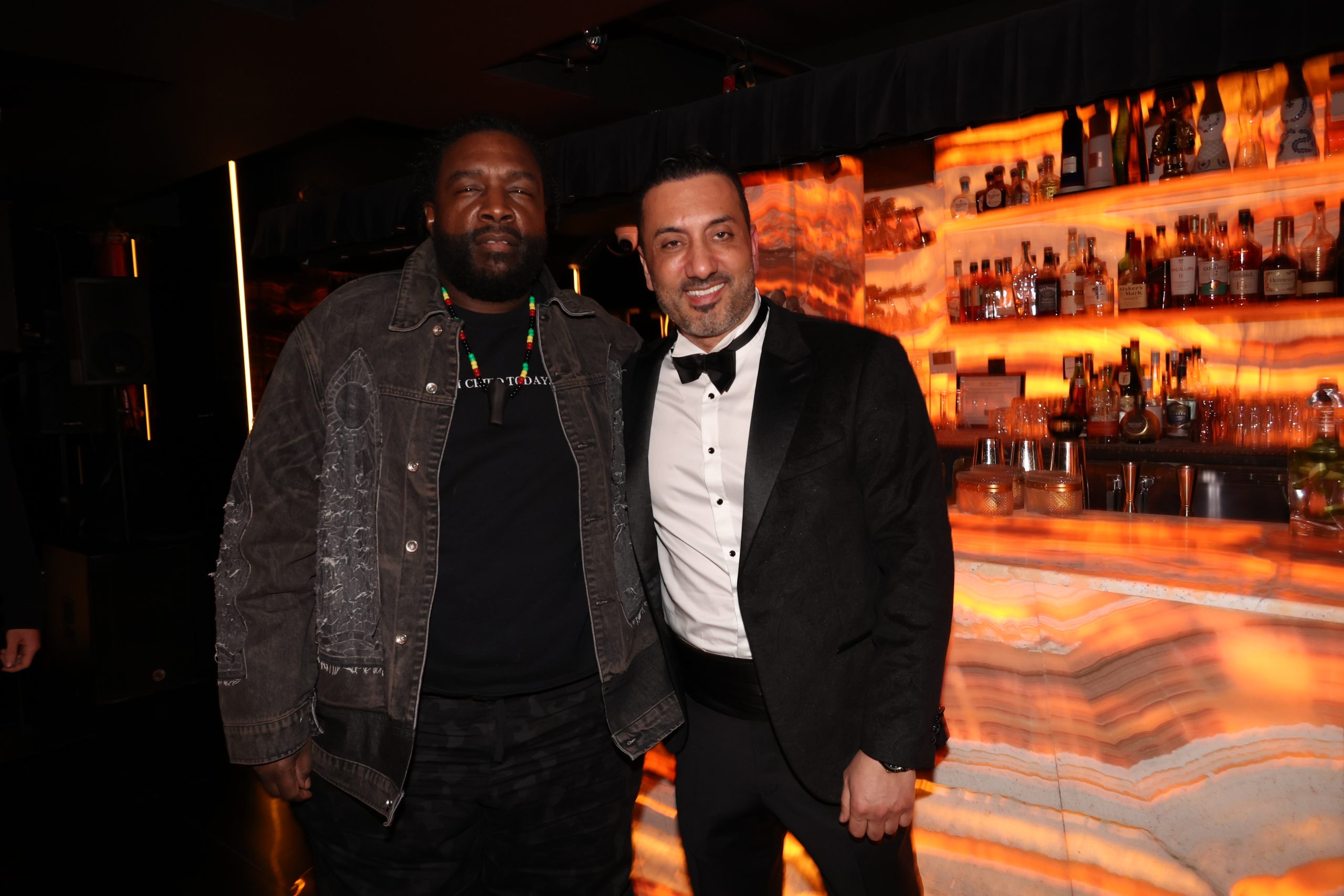
ZOI NOMAD & TEN11 LOUNGE MARK ONE YEAR
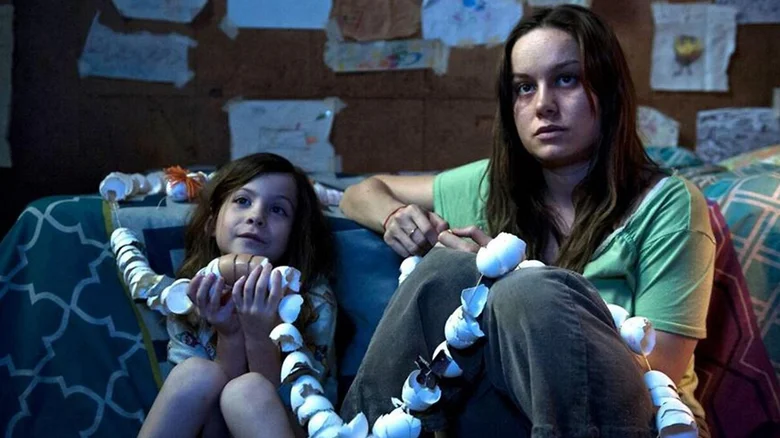
Room A24 Cast Net Worth — The $6 Million Captivity Drama That Set Brie Larson Free

The Witch A24 Cast Net Worth — A $3.5 Million Puritan Nightmare That Created a Queen and a King
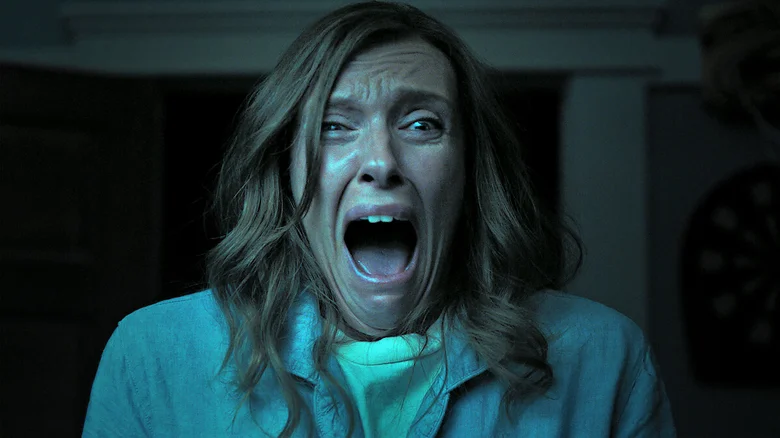
A24 Genre Stars Net Worth — The Terrifying Fortunes Behind Horror, Sci-Fi, and Oscar Gold
Categories
- Art
- Articles
- Beauty & Skincare
- Celebrities
- Celebrities|Movies
- Celebrities|The Chronicles
- Chronicles
- Entertainment|Culture
- Event Photos
- Events
- Fashion
- Fashion & Style
- Featured
- Food & Beverage
- Food, Spirits, Wine
- Hamptons
- Hamptons Celebrities
- Hamptons Celebrities|Celebrities|The Chronicles
- Health
- Health & Beauty
- Lifestyle
- Luxury Lifestyle
- Movies
- Movies|Culture
- Movies|Hamptons Lifestyle
- Press
- Profiles
- Real Estate
- Technology
- The Chronicles
- Travel
- Uncategorized
- Weddings