

Tess McGill has the idea. Katharine Parker has the office.

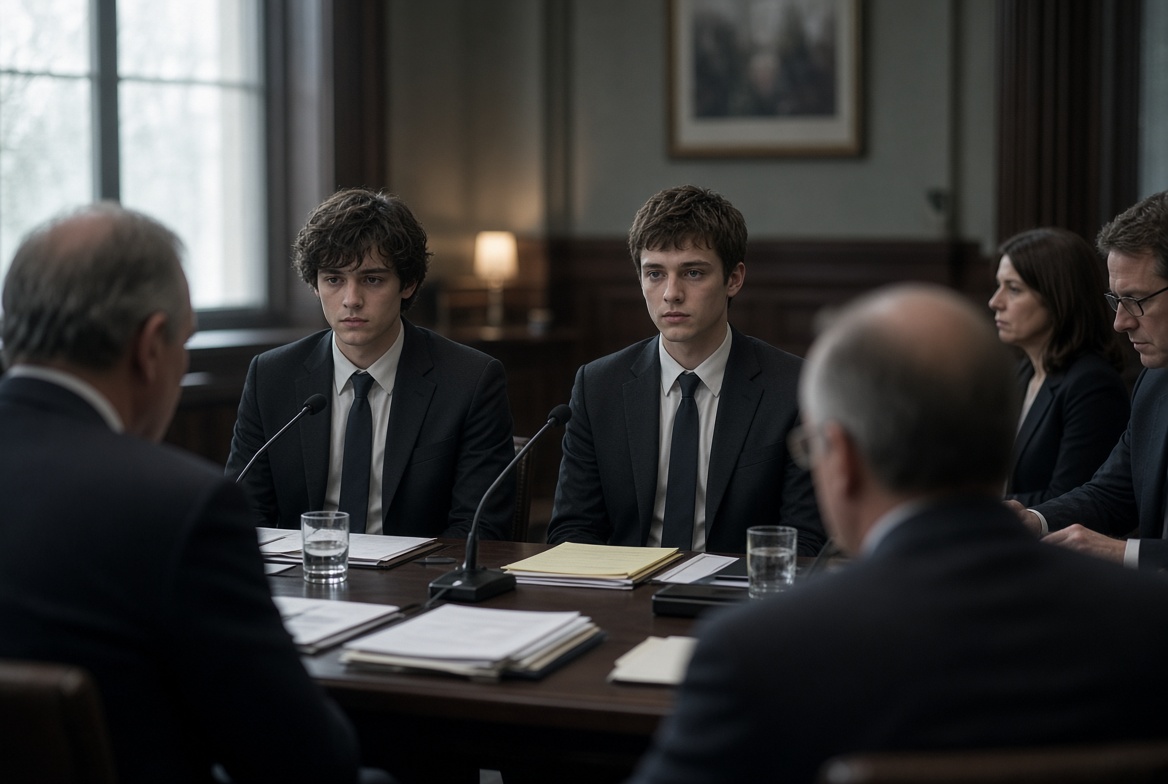

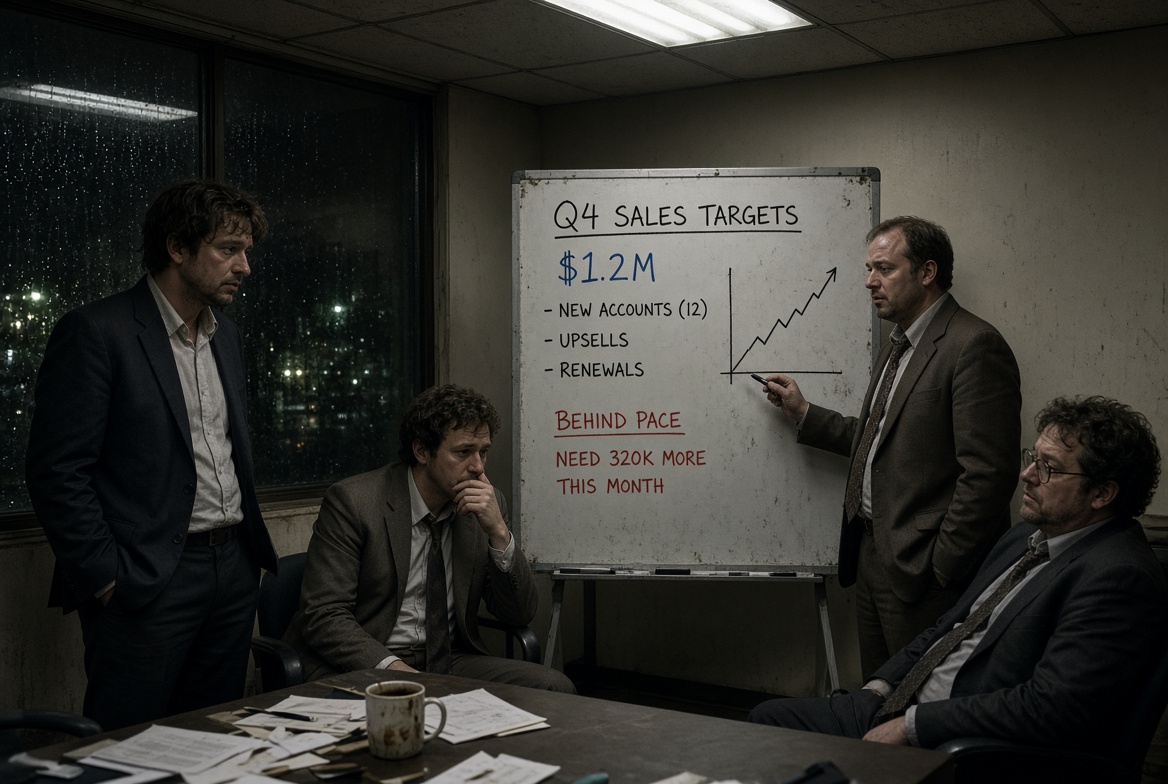
That is the whole movie. The rest is hair, a ski accident, and a song that won the Oscar because the meeting could not.
Mike Nichols released Working Girl at Christmas 1988. Kevin Wade wrote it. Melanie Griffith is Tess, a Staten Island secretary in mergers who reads the Journal on the ferry. Sigourney Weaver is Katharine, the boss who “loves” the idea and files it under her own name. Harrison Ford is Jack Trainer, the banker who can take the meeting if the person across the table looks like they belong in it.
Budget: about $28 million. Worldwide gross: $103 million. Six Oscar nominations, including Best Picture and Best Director. Carly Simon won for “Let the River Run.” The culture kept the silhouette. Operators should keep the scene where credit changes hands.
This is the daylight twin of Ripley on Move Through It. Tom copies a life. Tess copies a calendar. Only one of them is still a comedy.
The scorecard the skyline hides
| Player | What they have | What they take | Steal this |
|---|---|---|---|
| Tess McGill | The radio/Trask idea, ferry hours, nerve | A seat in the meeting | Track the second telling |
| Katharine Parker | Title, apartment, the Rolodex | Tess’s memo | “I love it” is not a grant of authorship |
| Jack Trainer | Mandate, skepticism, a decent ear | The deal if the story holds | The banker is a channel, not a prize |
| Mick | The old life | Tess’s patience | Do not confuse loyalty with a cap table |
| The ferry | Forty minutes and a skyline | A rehearsal room | Commutes are where strategy happens |
| The secretarial pool | Information flow | Everything, if they stay invisible | The channel still exists. It has better tools. |
Our Staten Island file is the borough as a first step, not a sentence. Tess treats it that way. The movie is not slumming. It is logistics.
The second telling
Katharine does not steal a company. She restates a memo in a room Tess is not invited to. That is how ideas move inside firms. The person who speaks them the second time often gets the mandate.
Tess’s countermove is not a manifesto. It is occupancy. Katharine breaks a leg. Tess takes the office, the clothes, the voice, and the meeting with Trainer. She is running Ripley’s first hour without the second.
Steal this: after any brainstorm, send the note that timestamps the idea. If you wait for the ski accident, you are waiting for plot.
Industry is the same building with worse lighting. The twenty-three-year-old still does not know which end of the phone to use. Someone else will say their point in the 4 p.m. meeting unless the point is already on paper.
The meeting is the exam
Trainer does not fall in love with a secret. He falls in with a person who can carry a room long enough to close. That is why Ford belongs here — the carpenter who read the lines and then owned the franchise is a man who understands occupancy.
Katharine’s return is the test the film is honest about. Fluency borrowed from a closet expires when the owner walks in. Tess survives because the idea was hers and she can still explain it under pressure. Ripley cannot explain the jacket.
Wall Street is one year earlier and one floor higher. Gekko hires you with competence. Katharine hires you with manners and then bills your brain to the client. Watch them as a pair. One is a recruitment poster. One is a personnel file.
What the film refuses
It refuses to make Tess a saint. She lies. She wears the clothes. She uses the accident.
It refuses to make Katharine a cartoon until she has to be. The first hour she is simply how the building works.
It refuses the idea that talent is enough. Talent without a meeting is a ferry ride.
Shoulder pads dated. The channel did not. Assistants still see the deal first. Founders still “love” the intern’s framing. Sponsors still repeat a sentence they heard at lunch and call it strategy.
Hamptons residue
A junior who books the cabana, writes the one-pager, and watches a principal deliver it at the Saturday table is Tess before the ski. The move is not a scene. It is a follow-up email with the idea attached and the principal copied.
Polo weekend is full of Katharines who love the idea. Put the idea in the deck with your name on slide one. Then smile.
The ferry equivalent east of the canal is the Friday afternoon drive. That is where the season gets planned. If you are not in the car, you are in the pool.
Decoder: watch it like someone who takes notes
1. Who had the idea first?
Tess. Write it down before the compliments start.
2. Who spoke it second?
Katharine. That is the theft that does not look like theft.
3. What did Tess actually borrow?
Access and costume. Not the memo.
4. Why does Trainer matter?
He can grant the meeting. He cannot grant authorship unless you let him.
5. Monday move.
Send the timestamped note. Do not wait for a broken leg.
How this spoke sits in the cluster
Watch order inside Move Through It: Working Girl, Ripley, Wall Street. Daylight. Dark. Spell. Then Glengarry for the floor.
Make It is equity. This is credit. Different column. Same building.
FAQ
Is it a rom-com?
It uses a rom-com to smuggle a credit dispute.
Why did Simon win and Griffith lose?
Songs close easier than secretaries.
Does the Staten Island bit still land?
Yes, as logistics. Read the turnover piece if you want the borough without the shoulder pads.
What should I watch next?
Ripley if you can stand the temperature drop. Glengarry if you want the floor without a ferry.
Why the song won and the secretary did not
Six Oscar nominations. Carly Simon took Best Original Song. Griffith, Weaver, and Cusack all sat in acting categories and left empty. Songs close. Secretaries do not, not in 1989, not when the industry still wanted the silhouette more than the channel.
That split is the movie’s second plot. Tess can carry a room. The Academy can carry a chorus. Credit moves on the second telling in both buildings.
The Staten Island number that still holds
The borough is not local color. It is logistics. A first apartment, a first buyer, a tenure that turns over faster than the rest of the city. Tess treats the ferry as a rehearsal room because that is what a commute is when you are studying a building you do not yet belong to.
The 2026 version is Slack, not a typewriter. The channel did not close. It got quieter. Assistants still see the deal first. Founders still “love” the intern’s frame. Sponsors still repeat a lunch sentence and call it strategy. Timestamp the note.
Ford understood occupancy
Trainer is not a prize. He is a mandate. The carpenter who read lines for Lucas and then owned the franchise knows what it means to be in the room when the room decides. Tess survives Katharine’s return because the idea was hers and she can still explain it under pressure. Ripley cannot explain the jacket. That is why these two films are twins at different temperatures.
Author

Written by
Recent Posts

World Cup Injury Attorney for Vancouver Events
What a 3-Carat Engagement Ring Actually Costs in 2026: The Real Numbers
The Skincare Habits That Make a Real Difference Over Time
Hamptons-Ready Beauty: Polished Makeup for Long Summer Days
Is Now a Good Time to Sell a Home in NJ?
Categories
- Art
- Articles
- Business of Luxury
- Celebrities
- Culture
- Entertainment
- Events
- Faces of Summer 2026
- Fashion
- Fashion & Style
- Featured
- Finance
- Food, Spirits, Wine
- Hamptons
- Hamptons Celebrities
- Health
- Health & Beauty
- Lifestyle
- Luxury Lifestyle
- Press
- Profiles
- Real Estate
- Technology
- The Chronicles
- Travel
- Uncategorized
- Weddings