
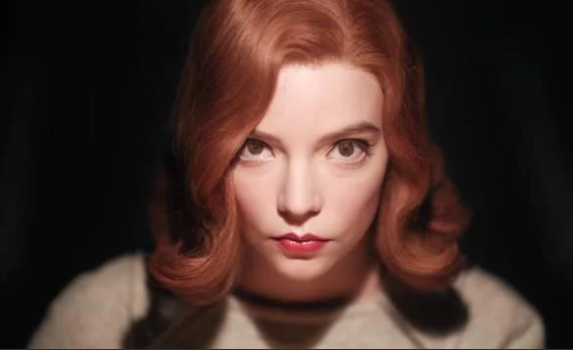
London, 2008. A twelve-year-old girl with wide-set eyes and an Argentine accent stands alone at recess. She has just moved from Buenos Aires, where she spent her entire childhood speaking Spanish. Now she’s in an English school where she barely understands the language, where her appearance marks her as strange, where the other children have decided she doesn’t belong.
They called her a freak, said her eyes were too far apart, and made her eat lunch alone. The bullying was relentless enough that she would later describe those years as trauma, periods she has had to work through in therapy. The beautiful girl everyone now wants was once the girl nobody wanted at all.
Today, Anya Taylor-Joy has an estimated net worth of $10 million. Her face graces magazine covers worldwide. Directors compete to cast her. Fashion houses fight for her presence. Yet the bullied girl who didn’t fit anywhere never really left. She simply learned to make her strangeness into something the world couldn’t look away from.
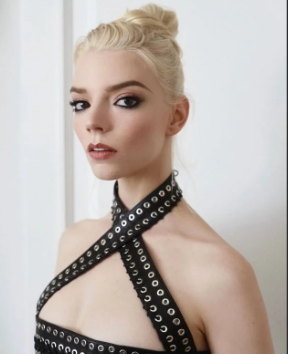
The Wound: A Girl Between Countries
Anya Josephine Marie Taylor-Joy was born in Miami on April 16, 1996. Her mother is Spanish-English. Her father is Scottish-Argentine. Before she was six weeks old, the family moved to Buenos Aires, where Anya would spend her formative years. Spanish was her first language. Argentine culture was her home. She considered herself porteña through and through.
Then, at eight years old, everything changed. The family relocated to London. Anya arrived speaking almost no English, her identity rooted in a country now thousands of miles away. According to interviews she has given with The Guardian and Vanity Fair, the transition was devastating. She refused to learn English initially, believing it would betray her Argentine self.
The Face That Didn’t Fit
Her appearance compounded the isolation. Anya Taylor-Joy has distinctive features: large, widely-spaced eyes that give her an almost otherworldly look. In fashion photography, these features are described as striking or ethereal. To the children at her London school, they were simply wrong. She was the weird-looking foreign girl who spoke funny English.
“I was bullied really badly,” she told Net-a-Porter. “Had a hard time fitting in—looked different, sounded different, thought different.” The specificity of her alienation matters. She wasn’t rejected for being poor or lacking social skills. She was rejected for her fundamental essence, the way she looked and existed in the world.

The Chip: Rejection as Fuel
At sixteen, Anya was discovered by a talent scout while walking her dog in London. The scout saw what the school bullies had seen, wide-set eyes, unusual features, but interpreted them differently. Where children saw wrongness, professionals saw potential. She signed with an agency shortly after.
However, discovery didn’t mean instant success. Anya dropped out of school to pursue acting, a choice her parents reluctantly supported. She spent years auditioning, being rejected, being told she was too unusual, too intense, too much of something casting directors couldn’t categorize. The bullied girl was now experiencing professional rejection that echoed her childhood.
Learning to Weaponize Strangeness
Rather than soften her edges or normalize her look, Anya leaned into her unconventionality. She studied at acting conservatories and prepared obsessively for auditions, but understood—perhaps instinctively—that her path to success wouldn’t come through conventional roles. It required projects that valued what made her different.
The chip she developed wasn’t aggressive. It was strategic. Every audition became an opportunity to show that her strangeness wasn’t a bug but a feature. Every rejection reinforced her determination to find collaborators who understood what she offered.
The Rise: The Witch and What Followed
In 2015, at nineteen, Anya Taylor-Joy landed the lead in Robert Eggers’s The Witch. The film was a period horror piece requiring an actress who could convey possession, faith, terror, and awakening. It demanded someone who looked like they could have stepped out of a 17th-century nightmare. Anya’s unusual beauty finally had context.
The Witch premiered at Sundance Film Festival and immediately marked her as a talent to watch. According to IndieWire, her performance drew comparisons to young Isabelle Huppert and early Tilda Swinton, actresses who built careers on being magnificent and strange.

Split and the Mainstream
M. Night Shyamalan cast her in Split (2016) opposite James McAvoy, exposing her to mainstream audiences. The thriller grossed over $278 million worldwide. Suddenly, the unusual-looking indie actress was appearing in multiplex hits. She followed with the sequel Glass and appeared in Peaky Blinders, building a portfolio that mixed art-house credibility with commercial appeal.
Each role shared a common thread: characters who didn’t fit easily into conventional boxes. She played outsiders, the hunted, the powerful, the damaged. Her filmography reads like a catalog of women operating beyond normal parameters.
The Queen’s Gambit: Global Phenomenon
Then came The Queen’s Gambit in 2020. The Netflix limited series about a chess prodigy with addiction issues became a cultural phenomenon. According to Netflix, it was watched by 62 million households in its first month, making it the platform’s most-watched limited series at the time.
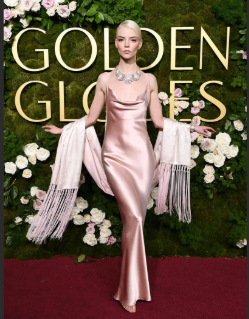
Anya won a Golden Globe for the role. Chess set sales reportedly increased by 87%. The series sparked a genuine cultural moment around a game most people found boring. At the center of all of it was the actress who had been told her face was wrong, now the most compelling face on television.
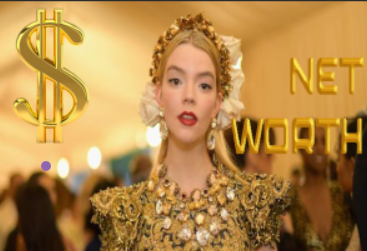
Fashion, Furiosa, and Fortune
Fashion partnerships transformed her financial portfolio. Dior named her a brand ambassador. She appeared on countless magazine covers. According to Forbes, brand partnerships and endorsements became significant contributors to her wealth, potentially adding millions annually to her film income.
Her casting as young Furiosa in George Miller’s prequel to Mad Max: Fury Road positioned her as a major franchise star. The role required physical transformation and action-star capabilities, demonstrating range beyond the ethereal personas that initially defined her.
The Tell: The Isolation Remains
Despite global fame, Anya Taylor-Joy maintains an almost hermetic private life. She married musician Malcolm McRae in 2022 in a courthouse ceremony so private that news didn’t emerge for months. She speaks frequently about social anxiety, about difficulty in crowds, about preferring the company of her dogs to industry events.
“I’m quite feral,” she told British Vogue. “I don’t really know how to be around people very well.” This isn’t false modesty from someone seeking relatability. It’s the honest confession of a woman whose formative experiences taught her that other people are dangerous.
Characters as Shelter
Acting offers her a paradoxical safety. She can inhabit other people and thereby escape herself. The spotlight isn’t threatening when you’re performing as someone else. The attention isn’t personal when it’s directed at a character. Anya has spoken about losing herself in roles, about the relief of being anyone other than the girl who was told she didn’t belong.
The Connection: Home Between Worlds
Anya Taylor-Joy reportedly splits her time between London, Los Angeles, and her husband’s base. She has spoken about still feeling most at home in Argentina, a country she left as a child. The girl who never fully belonged anywhere has built an adult life that embraces that rootlessness.
Her estimated $10 million net worth allows her to live anywhere. Rather than settling into one grand estate, she has maintained flexibility. Perhaps the girl who learned that home could be ripped away has decided not to invest too heavily in any single place.
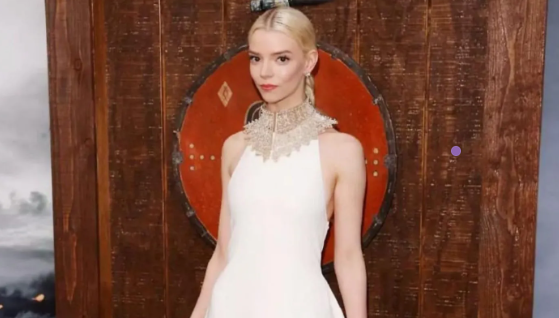
The Face That Launched a Thousand Covers
The features that children once mocked now define a particular kind of beauty. Wide-set eyes. Unusual proportions. A face that reads as otherworldly rather than conventional. Fashion photographers compete to capture her. Directors build films around her capacity to look like no one else.
At 28, Anya Taylor-Joy has transformed rejection into reverence. The bullied girl whose face was wrong became an actress whose face is iconic. The child between countries became a woman between worlds. Her fortune is substantial. Her fame is enormous. Yet the wound remains visible in every interview where she describes her discomfort, in every role where she plays an outsider, in the way she guards her private life like someone who learned early that vulnerability invites attack. The queen’s gambit worked. The strange girl won. She remains, at her core, that girl, watching from the margins, belonging nowhere and everywhere at once.
Related Articles
- Pedro Pascal Net Worth 2025: The Chilean Refugee Who Became Television’s Most Beloved Father Figure
- Jenna Ortega Net Worth 2025: How the Weird Girl from Coachella Valley Became Gen Z’s Scream Queen
- Millie Bobby Brown Net Worth 2025: From Eleven to Executive Producer
Looking for more stories of transformation? Contact Social Life Magazine for features on the people redefining success. Meet these stories in person at Polo Hamptons.
Author

Written by
Recent Posts
Behind the Scenes of Weddings Involving Long-Distance Relationships
Why Karaoke Is the Ultimate Entertainment Choice for a Hen Party
Easy Recipes That Feed A Crowd Without The Stress
The Influence Of Social Media On Interior Style Trends
Where Can You Find the Best Made-to-Measure Bespoke Suits in NYC
Categories
- Art
- Articles
- Beauty & Skincare
- Celebrities
- Celebrities|Movies
- Celebrities|The Chronicles
- Chronicles
- Entertainment|Culture
- Event Photos
- Events
- Fashion
- Fashion & Style
- Featured
- Food & Beverage
- Food, Spirits, Wine
- Hamptons
- Hamptons Celebrities
- Hamptons Celebrities|Celebrities|The Chronicles
- Health
- Health & Beauty
- Lifestyle
- Luxury Lifestyle
- Movies|Culture
- Movies|Hamptons Lifestyle
- Press
- Profiles
- Real Estate
- Technology
- The Chronicles
- Travel
- Uncategorized
- Weddings